Consumer Insights
Uncover trends and behaviors shaping consumer choices today
Procurement Insights
Optimize your sourcing strategy with key market data
Industry Stats
Stay ahead with the latest trends and market analysis.
The North America phenol market attained a volume of 4.02 Million Tons in 2025 and is projected to expand at a CAGR of 3.60% through 2035. The market is further expected to achieve a volume of 5.73 Million Tons by 2035. Increasing demand for high-grade polycarbonate, epoxy, and phenolic products is driving producers to ensure their phenol supply, along with the development of more energy-efficient processes and product variants, as well as capabilities to produce derivatives.
Companies like INEOS Phenol are reinforcing the phenol production facilities in North America through investments in the Mobile, Alabama, site, where the company has sanctioned capital investments for introducing new technology and enhancing the capabilities of conversions. According to the North America phenol market analysis, the Mobile facility presently has over 540,000 tons per annum capacity, and it is the biggest single-train phenol plant in the United States. The investment is crucial for customers looking for assured regional supply, given that it has Gulf Coast logistics, access to feedstock, and multi-modal distribution. According to INEOS Phenol, their phenols business is working on bio-based raw materials for phenolic resins used in various applications such as automotive, coatings, adhesives, construction, and insulation foams.
Demand in the North America phenol market is becoming increasingly associated with downstream manufacturing than independent chemical consumption. The chemical is an essential raw material for bisphenol A, phenolic resins, and other intermediates used in the manufacture of polycarbonate, epoxy, laminates, adhesives, electronics, automotive parts, and insulation. In April 2025, Beontag launched phenol-free direct thermal papers in the United States, providing safer alternatives to traditional phenol-based materials for labeling applications.
Meanwhile, the demand for phenol is also being driven by electronics manufacturing, where phenol-based epoxy compounds are used to manufacture circuit boards, encapsulation, and insulation materials. In addition, construction activities are maintaining the demand for phenolic insulation and laminates, as well as adhesives, boosting growth in the North America phenol market. Such applications favor suppliers who offer stable purity and application engineering expertise, in addition to higher environmental and safety standards.

Read more about this report - REQUEST FREE SAMPLE COPY IN PDF
The restart of INEOS Phenol's Belgian plant was deferred due to weak demand and supply fluctuations which have changed capacity in the region. North America phenol market players can increase their regional capacity, explore export potential, and provide solid contracts because of the uncertain capacity of Europe.
COIM USA unveiled a USD 50 million expansion project in New Boston that will enhance production and distribution capabilities for renewable polyols starting from 2027. Chemical manufacturers can grow their sustainable resins range and regional manufacturing capabilities to satisfy the need for environmentally friendly specialty chemicals.
Sumitomo Bakelite introduced a Novolac phenolic resin that is enhanced using non-food grade biomass lignin for reduced environmental footprint. Companies in the North America phenol market can produce phenolic resins derived from bio-based sources to cater to applications like automotive, electrical, and molding, which demand eco-friendly materials.
COIM bought out a 20-acre property in Texas, United States, with specialty manufacturing capabilities of polyol derived from renewable phenolics. Companies operating in specialty chemicals can create regional production facilities and resin portfolio to increase availability for North American clients.
Debottlenecking, modern catalysts, and upgrading processes are becoming key priorities of producers instead of expanding capacity, further redefining the North America phenol market dynamics. In August 2024, Shell planned to sell United States chemical assets valued up to USD 8 billion, attracting bids from ExxonMobil, LyondellBasell, Apollo, and others. Honeywell UOP is also making efforts towards improving catalyst and process technologies for cumene and phenol plants based on increased activity, regeneration, lower utilities, and reliability.
Bisphenol A continues to be one of the main pathways for transformation of phenol into more value-added chemicals, which are being used in polycarbonate and epoxy systems. For this reason, producers in the North America phenol market and technology licensors pay much attention to integrated phenol, acetone, and BPA value chain, which helps to make improvements in feedstock integration and respond faster to customers’ needs. Mitsubishi Chemical works on the competitiveness of phenol-based products, such as BPA, whereas the company’s range of products serves performance materials and industrial application. In April 2026, Covestro launched recycled-attributed Makrolon RP polycarbonates, delivering high-purity performance while supporting circularity across automotive, electronics, and healthcare applications.
Phenolic resin is being driven toward engineered end uses that rely on thermal resistance, durability, flame performance, and dimensional stability. For example, in July 2024, Syensqo launched five high-performance ECHO grades, expanding its Omnix ECHO circular polymer portfolio with advanced sustainable material solutions. This trend in the North America phenol market is indicative of a move from commoditized feedstocks to more specialized resin formulations and reduced fossil content solutions. Manufacturers stand to benefit from cooperation with resin suppliers to develop specialty grades for transportation products, building materials, and composites.
Customers are pushing their suppliers to investigate alternative feedstocks, energy integration, catalyst efficiency, and process improvement in their phenol production processes. For example, in June 2026, INEOS Oligomers launched high-purity hydrocarbon olefin, enhancing olefin performance, storage stability, and reliability across demanding industrial applications. Similarly, Honeywell UOP is promoting regenerative catalysts and energy-efficient processes for aromatic hydrocarbons production, including cumene and phenol. This trend in the North America phenol industry gives buyers a way to reduce production intensity without switching downstream formulations.
Consumers are increasing their emphasis on domestic manufacture, multimodal logistics, inventory management, and efficient feedstock availability as the North America phenol market is vulnerable to changes in capacities. The Deer Park plant of Shell, located in Texas, manufactures phenol, acetone, and cumene and has an industrial network surrounding the plant. In January 2026, Amphenol completed its USD 10.5 billion acquisition of CommScope’s CCS business, expanding fiber-optic connectivity capabilities across datacom and industrial markets. These features provide procurement departments with contingency planning and regional logistics while manufacturers have an opportunity to increase customer retention.
The Expert Market Research's report titled “North America Phenol Market Report and Forecast 2026-2035” offers a detailed analysis of the market based on the following segments:
Market Breakup by Product Type
Key Insight: Bisphenol A continues to focus on the value chains of polycarbonate and epoxies, as electronic, automotive, packaging, and coatings remain the major demand driving factors for the North America phenol market. The phenolic resins continue to be driven by demand for insulation, adhesives, laminates, moldings, and durable industrial parts, with companies stressing their performance and formulation capabilities. Caprolactam is used in the production of nylon 6 and thus ties in the use of phenol with fibers and engineering polymers and automotive applications.
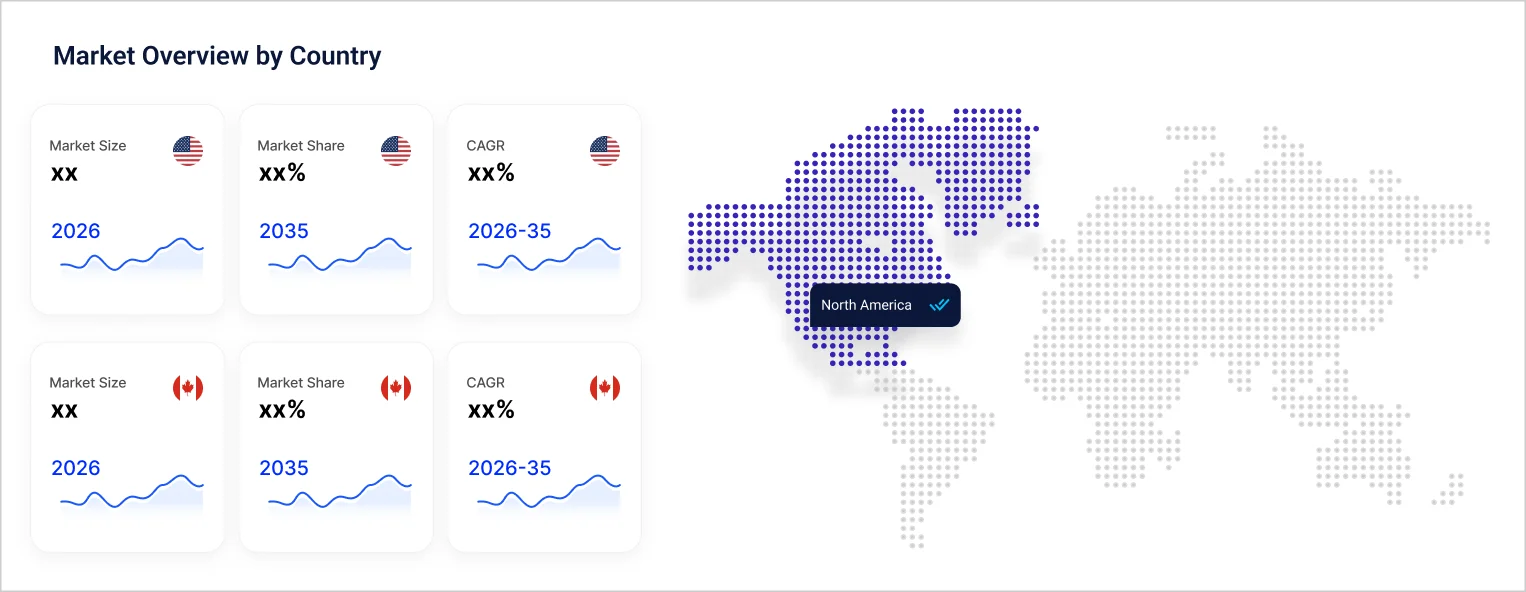
Market Breakup by Country
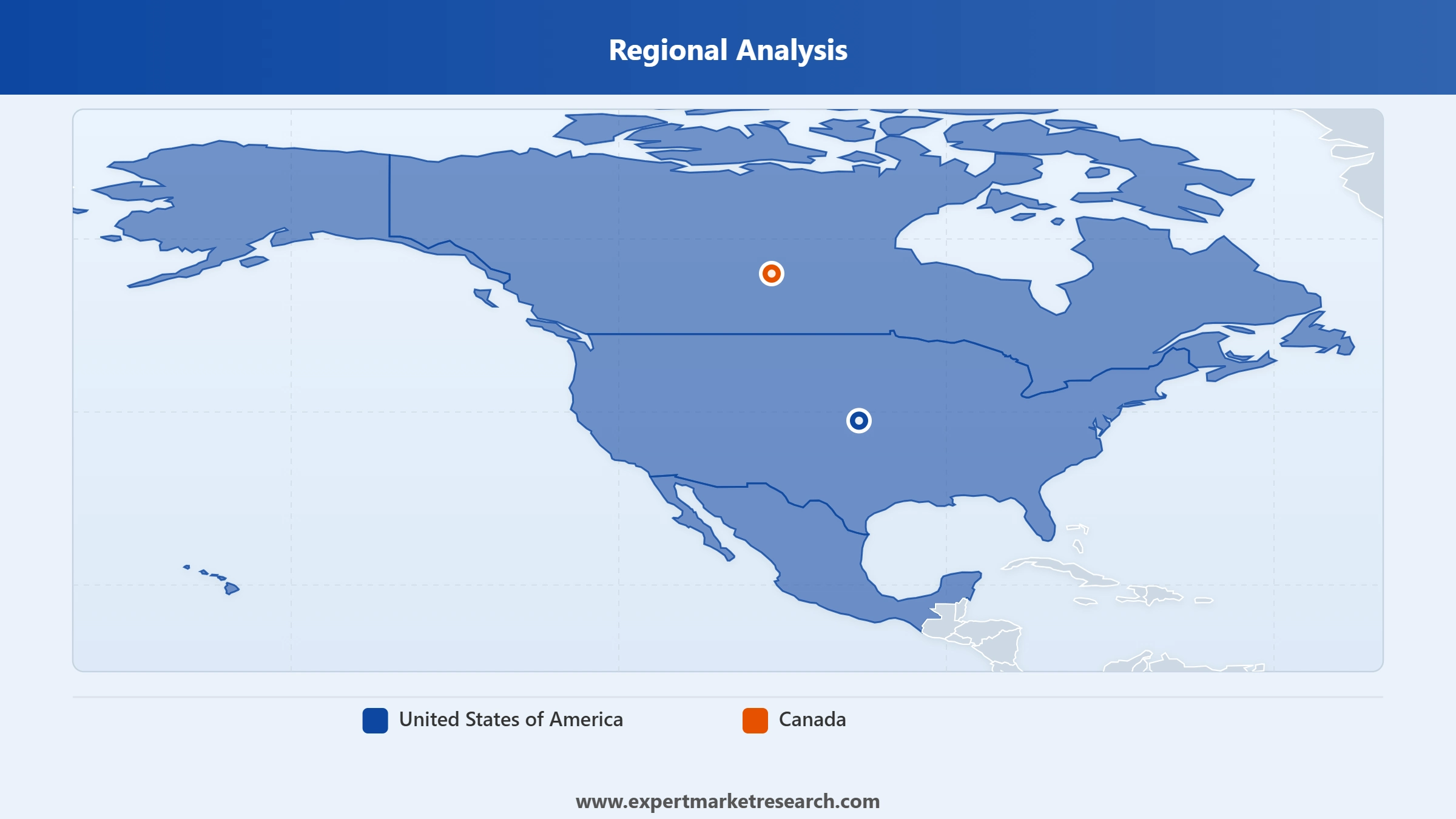
Key Insight: Most of the North America phenol market companies’ procurement strategy is based on the United States’ large volume Gulf Coast production, petrochemical industry integration, well-established derivative production, and widespread domestic consumption of polycarbonate, epoxy, resins, and nylon products. Canada is backed up by cross border supply linkages, feedstock availability, construction work, and increased attention to less aggressive chemistry. For all stakeholders, procurement planning, contract flexibility, technical service, and logistics management are the key to success.
Read more about this report - REQUEST FREE SAMPLE COPY IN PDF
By product type, bisphenol A dominates the market due to strong polycarbonate and epoxy demand across industries
Bisphenol A depends on the demand for polycarbonate and epoxy resins from automotive, electronic devices, packaging, and coatings, boosting demand in the North America phenol market. This downstream channel ensures that phenol utilization is aligned with durable plastic products. Manufacturers are concentrating on reliable supply chains and sourcing as consumers need purity and volume consistency. In February 2025, Westlake launched EpoVIVE, expanding sustainable epoxy solutions with lower-carbon, safer, circular formulations for diverse industrial applications.

Read more about this report - REQUEST FREE SAMPLE COPY IN PDF
Phenolic resin emerges as the fastest growing sub-segment in the North America phenol market due to demand for heat resistant adhesives, laminates, insulation, molding compounds, and industrial coatings. Suppliers are offering application specific formulations along with bio-based feedstock to meet sustainable demands. INEOS Phenol's research on bio-based feedstock demonstrates the trend towards reducing fossil fuel-based raw materials. Automotive, construction, and electronics industry clients provide growth prospects for resin manufacturers capable of providing predictable curing properties, thermal and flame resistance.
United States dominates the market due to extensive production capacity, Gulf Coast integration, and broad downstream demand
The United States represents the leading country in the market due to having the biggest phenol production capacity within the region, Gulf Coast chemical complexes and demand. Integration with benzene, propylene, cumene, resins, polycarbonate and other chemical value chains creates a purchasing depth. Additionally, rail, barge, pipeline, and marine logistics exist to facilitate deliveries to customers and exports. In April 2023, KBR and Wanhua achieved record eight-day start-up for a 650-KTA phenol-acetone plant, demonstrating efficient technology deployment.
Read more about this report - REQUEST FREE SAMPLE COPY IN PDF
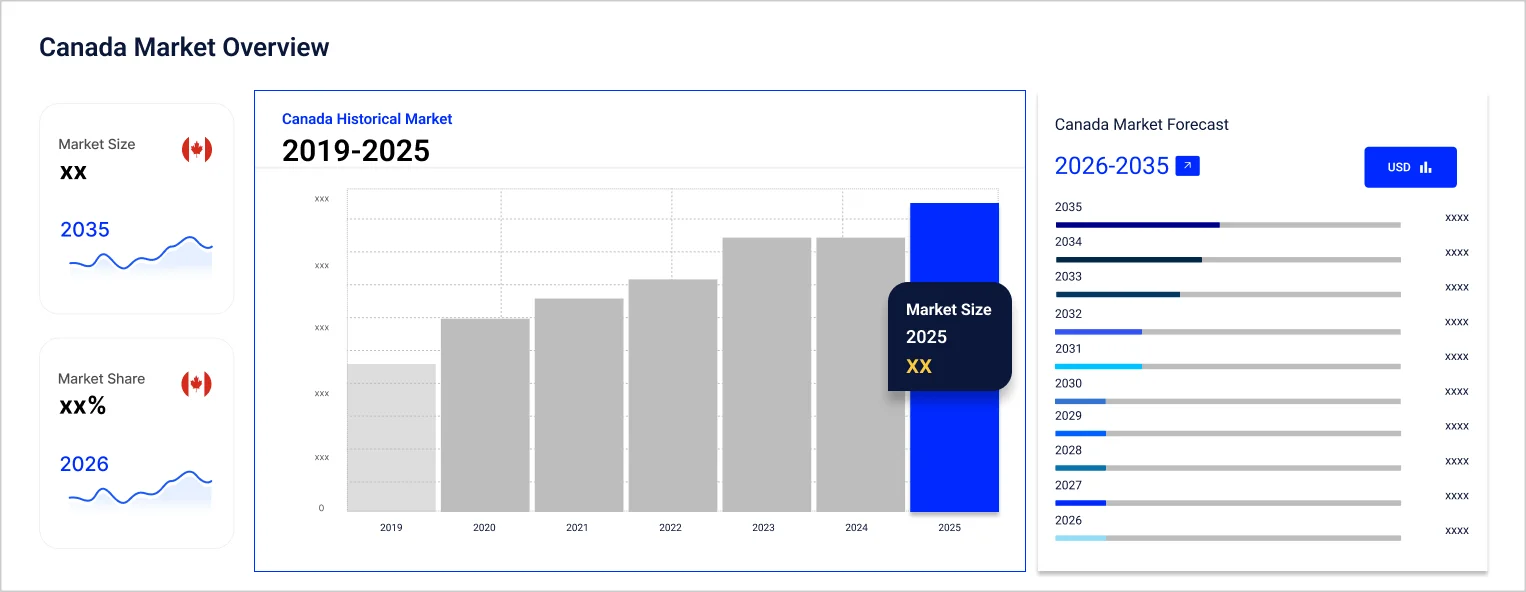
Canada represents the most rapidly developing country that is boosting the overall North America phenol market revenue due to cross-border shipments, access to chemical feedstocks, and use of more environmentally friendly materials. Canadian buyers enjoy close integration with United States supply chain, while construction and manufacturing drive demand for phenolic resins. Development of sustainability studies and green chemistry encourages search for alternative feedstocks. Suppliers have opportunities to provide regional delivery, technical assistance and contract customization for producers of resin, adhesive, insulation, and engineered materials.
Most of the North America phenol companies compete around the ability to produce the chemical reliably, integrate its feedstock, increase process efficiency, optimize logistics, and assist downstream customers. Producers are working to upgrade plants, optimize catalysts, integrate energy use, and build flexibility into their logistics and production to maintain margins in order to serve BPA, resins, caprolactam, and specialty derivatives customers. These include bio-feedstocks, energy efficient production, product grades for different applications, and digital process optimization.
Leading North America phenol market players may develop deeper relations with compounders and resin producers through technical services, contractual arrangements, inventory management, and joint product development. The Gulf Coast region continues to hold strategic importance due to its access to benzene, propylene, cumene, ports, railways, and barges that enable competitive production and distribution of phenol.
INEOS was established in 1998 and is based out of London, United Kingdom. It has a plant located in Mobile, Alabama that caters to its North American Phenol clients. Its main activities include the production of phenol and acetone, modernization of assets, effective logistics, and conducting research on bio-based raw materials for phenolic resins.
Mitsubishi Chemical Group Corporation was founded in 2005 and is based out of Tokyo, Japan. It provides performance and industrial materials and has phenol capabilities which involve bisphenol A. The main areas covered under its strategy include competitiveness of the portfolio, reliable supply of materials as well as automotive, electronics, coatings and industrial applications.
Since 1906 and located in the United States, Honeywell provides its services via UOP Process Technologies, Catalysts & Engineering Services for Phenol & Cumene. Among the provided solutions are high yield processes, low utility usage, catalyst regeneration, reliability, and technology support for petrochemical projects. In addition, UOP can help with revamping when manufacturers want more output from the already existing equipment.
Established in 1907 and with headquarters in London, United Kingdom, Shell is engaged in providing phenol and chemicals from its chemical segment. Shell specializes in feedstocks integration, product quality, logistics, and industrial supply. Its facilities make it possible to safely transport phenol to its industrial consumers.
Other key players in the market include Solvay SA, ALTIVIA, AdvanSix Inc., Capital Resin Corporation, and SI Group, Inc., among others.
*Please note that this is only a partial list; the complete list of key players is available in the full report. Additionally, the list of key players can be customized to better suit your needs.*
Unlock the latest insights with our North America phenol market trends 2026 report. Discover regional growth patterns, consumer preferences, and key industry players. Stay ahead of competition with trusted data and expert analysis. Download your free sample report today and drive informed decisions in the market.


Upto 15% Off
USD
$2499 $2249
$3999 $3599
$4999 $4249
$5999 $5099


*While we strive to always give you current and accurate information, the numbers depicted on the website are indicative and may differ from the actual numbers in the main report. At Expert Market Research, we aim to bring you the latest insights and trends in the market. Using our analyses and forecasts, stakeholders can understand the market dynamics, navigate challenges, and capitalize on opportunities to make data-driven strategic decisions.*
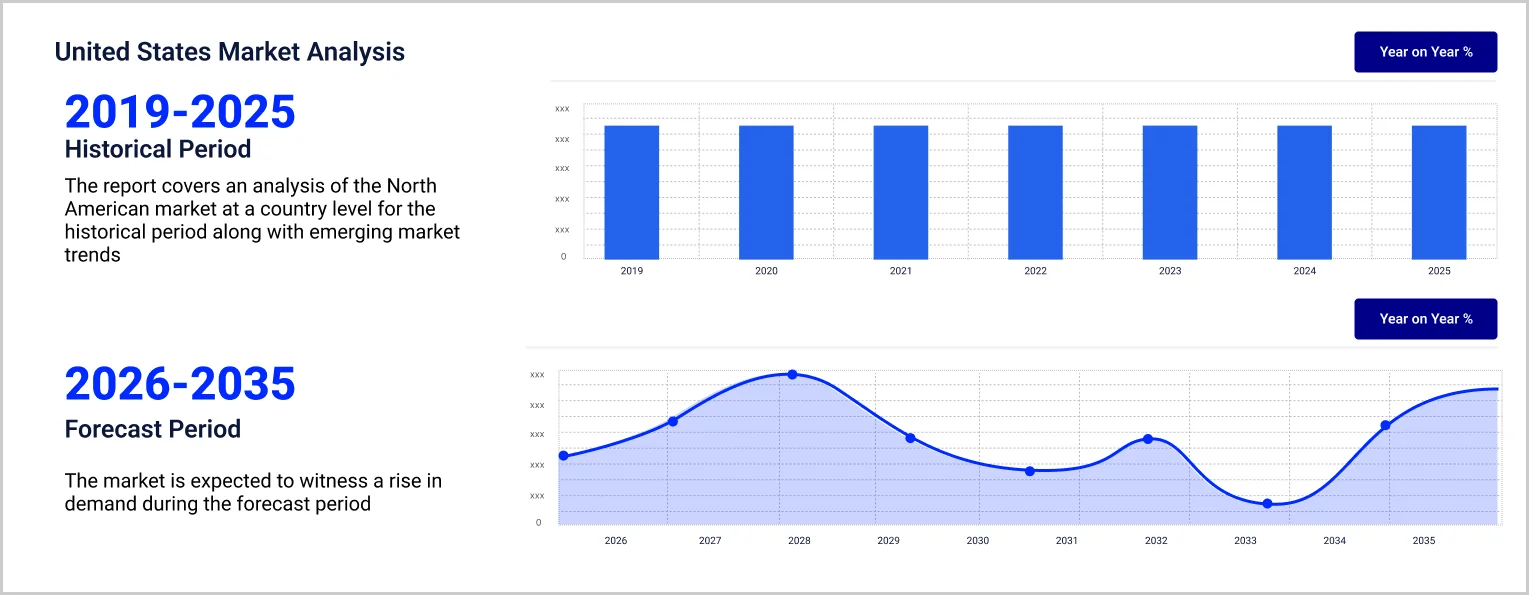
In 2025, the market reached an approximate volume of 4.02 Million Tons.
The market is projected to grow at a CAGR of 3.60% between 2026 and 2035.
The phenol market is estimated to witness a healthy growth in the forecast period of 2026-2035 to reach a volume of 5.73 Million Tons by 2035.
The popularity of phenol-based products in sectors such as automotive, construction, electronics, and healthcare has fuelled the demand for phenol in the region.
Key trends aiding the market expansion include increasing demand for phenol from the electronics industry, presence of many chemical manufacturing facilities, and favourable government policies.
Countries considered in the market are United States of America and Canada.
Based on product type, the market segmentations include phenolic resin, bisphenol A, and caprolactam, among others.
The key players in the market include INEOS AG, Mitsubishi Chemical Group Corporation, Honeywell International Inc., Shell PLC, Solvay SA, ALTIVIA, AdvanSix Inc., Capital Resin Corporation, and SI Group, Inc., among others.
Companies are managing volatile benzene and propylene costs, linked phenol-acetone economics, stringent handling requirements, global oversupply, energy expenses, sustainability investments, maintenance risks, and changing downstream demand.
Producers are modernizing assets, improving catalyst efficiency, developing bio-based feedstocks, strengthening logistics, expanding technical partnerships, and aligning phenol grades with evolving customer sustainability requirements.
Explore our key highlights of the report and gain a concise overview of key findings, trends, and actionable insights that will empower your strategic decisions.
| REPORT FEATURES | DETAILS |
| Base Year | 2025 |
| Historical Period | 2019-2025 |
| Forecast Period | 2026-2035 |
| Scope of the Report |
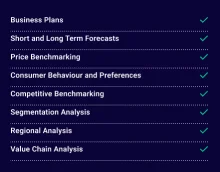
Historical and Forecast Trends, Industry Drivers and Constraints, Historical and Forecast Market Analysis by Segment:
|
| Breakup by Product Type |
|
| Breakup by Country |
|
| Market Dynamics |
|
| Competitive Landscape |
|
| Companies Covered |
|
Datasheet
One User
USD 2,499
USD 2,249
tax inclusive*
Single User License
One User
USD 3,999
USD 3,599
tax inclusive*
Five User License
Five User
USD 4,999
USD 4,249
tax inclusive*
Corporate License
Unlimited Users
USD 5,999
USD 5,099
tax inclusive*
*Please note that the prices mentioned below are starting prices for each bundle type. Kindly contact our team for further details.*
Flash Bundle
Small Business Bundle
Growth Bundle
Enterprise Bundle
*Please note that the prices mentioned below are starting prices for each bundle type. Kindly contact our team for further details.*
Flash Bundle
Number of Reports: 3
20%
tax inclusive*
Small Business Bundle
Number of Reports: 5
25%
tax inclusive*
Growth Bundle
Number of Reports: 8
30%
tax inclusive*
Enterprise Bundle
Number of Reports: 10
35%
tax inclusive*
How To Order

Select License Type
Choose the right license for your needs and access rights.

Click on ‘Buy Now’
Add the report to your cart with one click and proceed to register.

Select Mode of Payment
Choose a payment option for a secure checkout. You will be redirected accordingly.
Strategic Solutions for Informed Decision-Making
Gain insights to stay ahead and seize opportunities.
Get insights & trends for a competitive edge.
Track prices with detailed trend reports.
Analyse trade data for supply chain insights.
Leverage cost reports for smart savings
Enhance supply chain with partnerships.
Connect For More Information
Our expert team of analysts will offer full support and resolve any queries regarding the report, before and after the purchase.
Our expert team of analysts will offer full support and resolve any queries regarding the report, before and after the purchase.
We employ meticulous research methods, blending advanced analytics and expert insights to deliver accurate, actionable industry intelligence, staying ahead of competitors.
Our skilled analysts offer unparalleled competitive advantage with detailed insights on current and emerging markets, ensuring your strategic edge.
We offer an in-depth yet simplified presentation of industry insights and analysis to meet your specific requirements effectively.