

Consumer Insights
Uncover trends and behaviors shaping consumer choices today
Procurement Insights
Optimize your sourcing strategy with key market data
Industry Stats
Stay ahead with the latest trends and market analysis.
The Online Music Education Market reached a value of USD 4.27 Billion at 2025 and is projected to expand at a CAGR of around 13.20% during the forecast period of 2026-2035. With rising adoption of AI-powered personalised learning, the expanding global creator economy fuelling demand for music production courses, growing smartphone penetration across Asia Pacific and Latin America, and increasing artist-led platform collaborations drawing new learners, the market is expected to reach USD 14.75 Billion by 2035.
Advanced audio analytics are being embedded into platforms to quantify learner progress, enabling institutions to defend renewals using performance metrics. At the same time, partnerships with instrument and audio hardware manufacturers are extending distribution beyond traditional classrooms, driving the online music education market growth. When lesson software ships pre-integrated with digital keyboards or MIDI controllers, suppliers secure immediate user access. Such developments are encouraging longer-term contracts and vendor consolidation across multi-regional education networks.
Growth in the market is also shaped by platform-led product upgrades rather than pure enrollment gains. For example, in April 2025, YouTube rolled out a new AI tool that can help creators create instrumental tracks for free, adjusting lesson difficulty in real time. Such developments signal growing opportunities for firms in retention-focused software sold to schools, studios, and instrument brands seeking measurable improvements in engagement.
Product strategy is also shifting toward credential-backed learning. For example, Berklee Online unveiled three new degree programs in January 2023 including a Master of Arts in Interdisciplinary Music Studies, a Bachelor of Arts in Voice Performance, and a Bachelor of Arts in Piano Performance. This online music education market trend reflects how music platforms are courting training budgets from media firms and edtech distributors. Further, shorter certificates reduce completion friction while allowing providers to upsell advanced programs later, improving lifetime value across institutional contracts.
Compound Annual Growth Rate
13.2%
Value in USD Billion
2026-2035
Read more about this report - REQUEST FREE SAMPLE COPY IN PDF
|
Online Music Education Market Report Summary |
Description |
Value |
|
Base Year |
USD Billion |
2025 |
|
Historical Period |
USD Billion |
2019-2025 |
|
Forecast Period |
USD Billion |
2026-2035 |
|
Market Size 2025 |
USD Billion | 4.27 |
|
Market Size 2035 |
USD Billion | 14.75 |
|
CAGR 2019-2025 |
Percentage |
XX% |
|
CAGR 2026-2035 |
Percentage |
13.20% |
|
CAGR 2026-2035- Market by Region |
Europe |
14.3% |
|
CAGR 2026-2035 - Market by Country |
USA |
14.6% |
|
CAGR 2026-2035 - Market by Country |
India |
13.9% |
|
CAGR 2026-2035 - Market by Type |
Guitar |
14.8% |
|
CAGR 2026-2035 - Market by Learner Type |
Hobbyist |
14.9% |
|
Market Share by Country 2025 |
Mexico |
3.2% |
The global online music education market is undergoing rapid transformation, shaped by AI-driven platforms, social media communities, and a growing culture of digital creativity.
In November 2025, Yousician, the Helsinki-based interactive music learning platform, announced a formal partnership with legendary artist Paul McCartney and the band Wings. The collaboration introduced exclusive content to the Yousician platform, giving subscribers access to curated lessons, songs, and instructional material tied to the iconic catalogue. This move reinforced Yousician's strategy of leveraging high-profile artist partnerships to attract new learners and boost platform engagement among fans of classic rock and pop genres globally.
In June 2025, Muse Group unified its Hal Leonard US and European operations and launched MuseClass, a dedicated online education platform designed for music educators and students. MuseClass incorporates AI-driven classroom management tools, enabling teachers to create structured lesson plans, monitor student progress, and deliver real-time feedback. The launch marked a significant step for Muse Group in expanding from notation and composition software into the structured online music education segment, targeting both individual and institutional learners.
In April 2025, Splice, a prominent digital audio tools and sample library platform, acquired Spitfire Audio for approximately USD 50 million. The deal aimed to merge AI-based music composition capabilities with a rich library of orchestral and cinematic samples, creating a more comprehensive offering for composers, producers, and music students. The acquisition reflected growing investor confidence in platforms that combine music creation tools with educational content, catering to aspiring producers learning within structured online environments
In June 2024, Yousician launched a high-profile partnership with Grammy and Academy Award-winning artist Billie Eilish. The collaboration featured all ten songs from Eilish's album HIT ME HARD AND SOFT, made available for learners to play on guitar, bass, ukulele, piano, and vocals through the Yousician platform. The partnership expanded Eilish's total catalogue on Yousician to over thirty songs, reinforcing the platform's strategy of integrating contemporary popular music into its curriculum to draw younger, digitally native learners
In April 2024, BIMM, a leading contemporary music college, launched BIMM Pro, a comprehensive online music education programme developed in collaboration with multi-platinum producer Warren Huart. The programme covers vocal production, drum and percussion production, instrument production, synthesis, programming, and sampling. By moving into structured online course delivery, BIMM extended its reach beyond campus-based learning, tapping a global audience of aspiring producers and musicians who prefer self-paced, mentor-led digital instruction over traditional classroom formats.
Artificial intelligence has become the defining force in online music education, moving the industry well beyond static video tutorials. Platforms now use machine learning models to listen to a learner's playing in real time, evaluate pitch and rhythm accuracy, and adjust lesson pathways accordingly. This level of personalisation was once reserved for one-on-one human instruction. In February 2025, UK-based company Roli launched Airwave, an AI camera and learning system for piano students that uses computer vision to analyse hand posture and integrates ChatGPT for interactive guidance, illustrating how deeply AI has penetrated home-based music learning. Personalised feedback loops are proven to improve retention, making this a core driver of the global online music education market growth.
Social media platforms have quietly become some of the most powerful recruitment engines in online music education. Content on YouTube, TikTok, and Instagram exposes millions of viewers daily to musical performances, tutorials, and progress-sharing, which consistently nudges casual observers toward structured learning. The peer accountability that comes from sharing practice clips online raises both motivation and platform loyalty. In early 2025, Yousician launched a targeted New Year's resolution marketing campaign across Instagram and Facebook, promoting instrument mastery and leveraging the social sharing culture that now underpins learner acquisition strategies across the industry.
The global creator economy has become a significant upstream driver for online music education. Millions of independent content creators producing videos for YouTube, podcasts, and short-form platforms require functional music skills, including composition, audio editing, mixing, and sound design. This demand has pushed platforms to diversify beyond classical instrument instruction and invest in dedicated music production modules. In January 2025, Conduction secured USD 265,000 in funding to scale a digital songwriting curriculum specifically targeting schools that lacked existing music programmes, highlighting how investor capital is following this learner demand into underserved education segments.
Online music education platforms have increasingly turned to celebrity artist partnerships as a growth lever, using iconic names to attract aspirational learners who want to play the songs they love. These collaborations serve a dual purpose: broadening the song catalogues available on platforms and generating significant press coverage that drives organic user acquisition. In June 2024, Yousician announced a partnership with Billie Eilish, making all ten tracks from her latest album available for learners across five instruments. The campaign resonated strongly with the 16-to-35 demographic, the fastest-adopting group in the online music education space.
The Expert Market Research’s report titled “Global Online Music Education Market Report and Forecast 2026-2035” offers a detailed analysis of the market based on the following segments:
Market Breakup by Type
Key Insight: Guitar leads due to its accessibility and compatibility with scalable content models. Piano is rapidly expanding its share in the online music education market as institutions favor structured, assessment-driven instruction. Over 10 million pianos are currently in use across homes, businesses, and schools in the United States alone. Vocals attract learners seeking flexible, equipment-light training. Violin remains niche, driven by classical programs and formal pedagogy. Other instruments cater to specialized interests and regional preferences.
Market Breakup by Gender
Key Insight: Men continue to account for the largest share of enrollments, largely because instrument-focused courses and self-paced learning models align well with existing usage patterns. Women, however, are fueling growth in the online music education market as platforms simplify onboarding and offer more flexible lesson structures. As institutional buyers place greater emphasis on inclusive participation, content balance is becoming a priority. This shift is directly shaping platform interface design and learning flow decisions.
Market Breakup by Learner Type
Key Insight: As per the online music education market report, hobbyist learners continue to support overall platform volume through casual, interest-led learning formats that favor flexibility. Professional learners contribute higher value by engaging with structured, outcome-oriented programs. Platforms are increasingly adjusting their models to scale access while preserving instructional depth for advanced users.
Market Breakup by Region
Key Insight: North America remains the leading regional market due to strong enterprise spending and mature digital education adoption. Asia Pacific is driving growth through scale and localized delivery models. The online music education market in Europe emphasizes alignment with formal education systems. Latin America prioritizes cost efficiency and mobile-first access, while the Middle East and Africa rely heavily on institutional partnerships. Regional execution continues to shape vendor expansion strategies.
By Type: Piano holds the leading share in the global online music education market by instrument type, accounting for approximately 35% of total revenue in 2025. Its dominance stems from the instrument's foundational role in music theory education and its broad cross-demographic appeal, covering children, hobbyist adults, and aspiring classical musicians. Platforms like Skoove and Flowkey have built their entire value proposition around piano instruction, offering structured curricula ranging from beginner scales to advanced repertoire. Piano's suitability for digital interfaces, including MIDI connectivity and visual keyboard mapping, makes it an ideal fit for online learning environments. Guitar closely follows, with a 25% revenue share, underpinned by its popularity among teenagers and young adults who learn songs they hear on social media. The guitar segment's projected 14.8% CAGR reflects its strong growth momentum across all learner tiers globally.
By Gender: Men currently account for the larger share of subscribers in the global online music education market, particularly active across guitar, bass, and music production courses. The concentration of male learners in these instrument categories reflects broader cultural patterns in music consumption and self-directed skill development. Platforms such as Yousician, which report a significant male majority in their guitar and bass learning communities, have tailored gamification mechanics, song libraries, and practice challenges to this demographic. Meanwhile, women represent a growing segment with strong uptake in piano and vocal training, areas that have historically drawn higher female participation. The closing gender gap is accelerating as platforms curate more gender-inclusive content, partner with prominent female artists, and build learning environments that cater to diverse creative goals.
By Learner Type: Hobbyists dominate the global online music education market by learner type, accounting for the largest share of active subscribers and driving the bulk of platform revenue through monthly and annual subscription plans. The hobbyist category spans a wide age range, from children attending informal after-school lessons to adults pursuing music as a lifestyle activity. This segment's preference for flexible, self-paced learning with no formal assessment pressure aligns naturally with the design philosophy of consumer-facing platforms. Professional learners, comprising musicians, producers, and educators seeking structured skill advancement or verified credentials, represent a premium segment with notably higher average revenue per user. Institutions like BIMM Online and Berklee Online are actively developing this segment with career-oriented curricula, and the professional tier is expected to grow faster in relative terms as credentialing gains industry recognition.
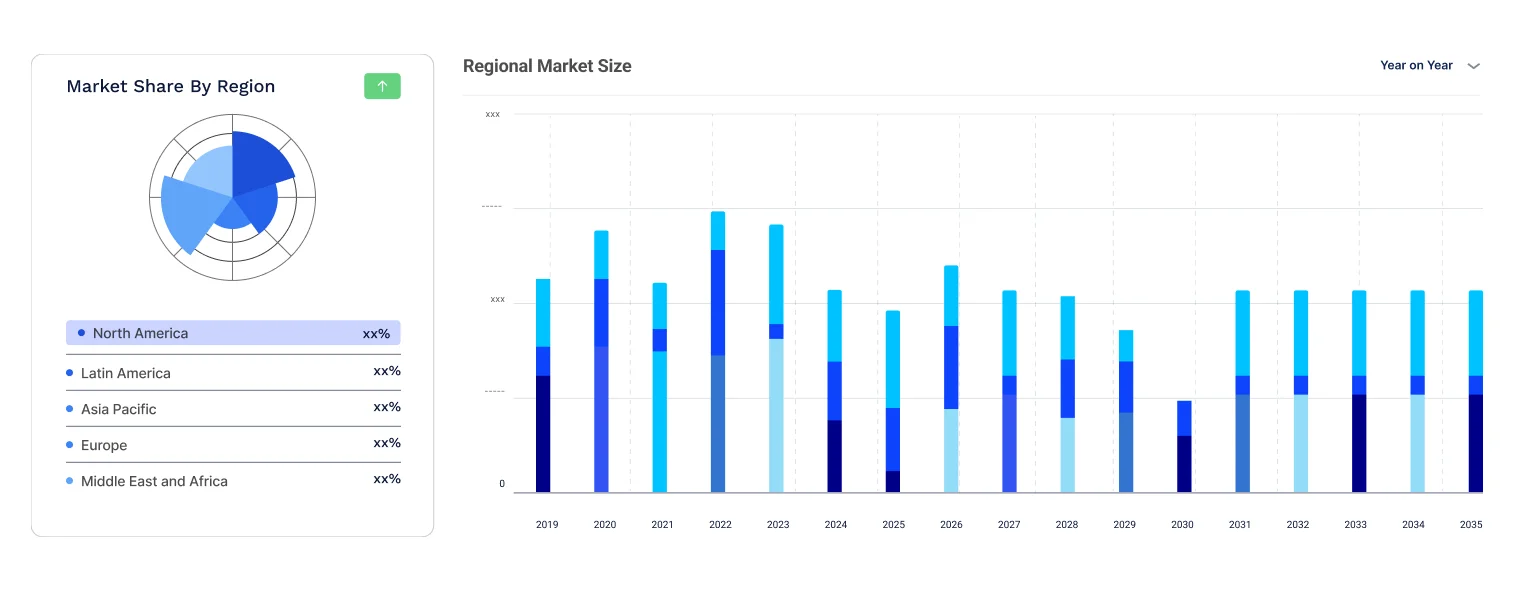

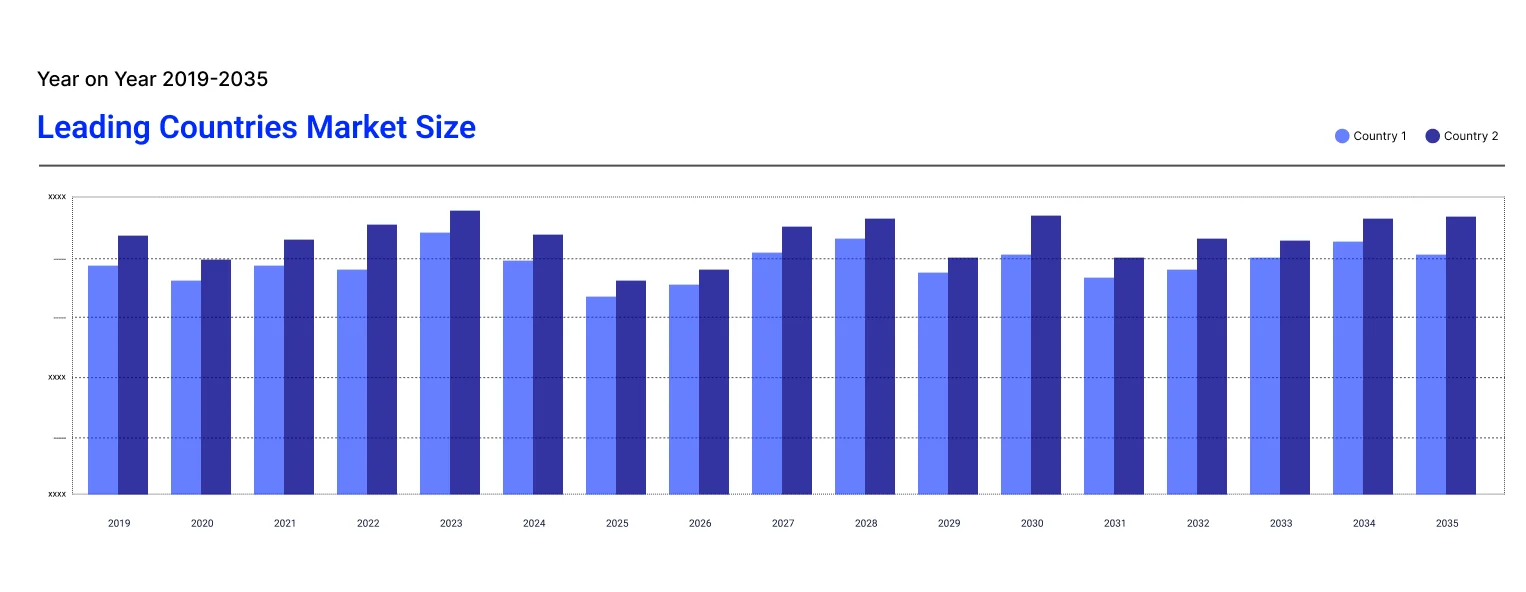
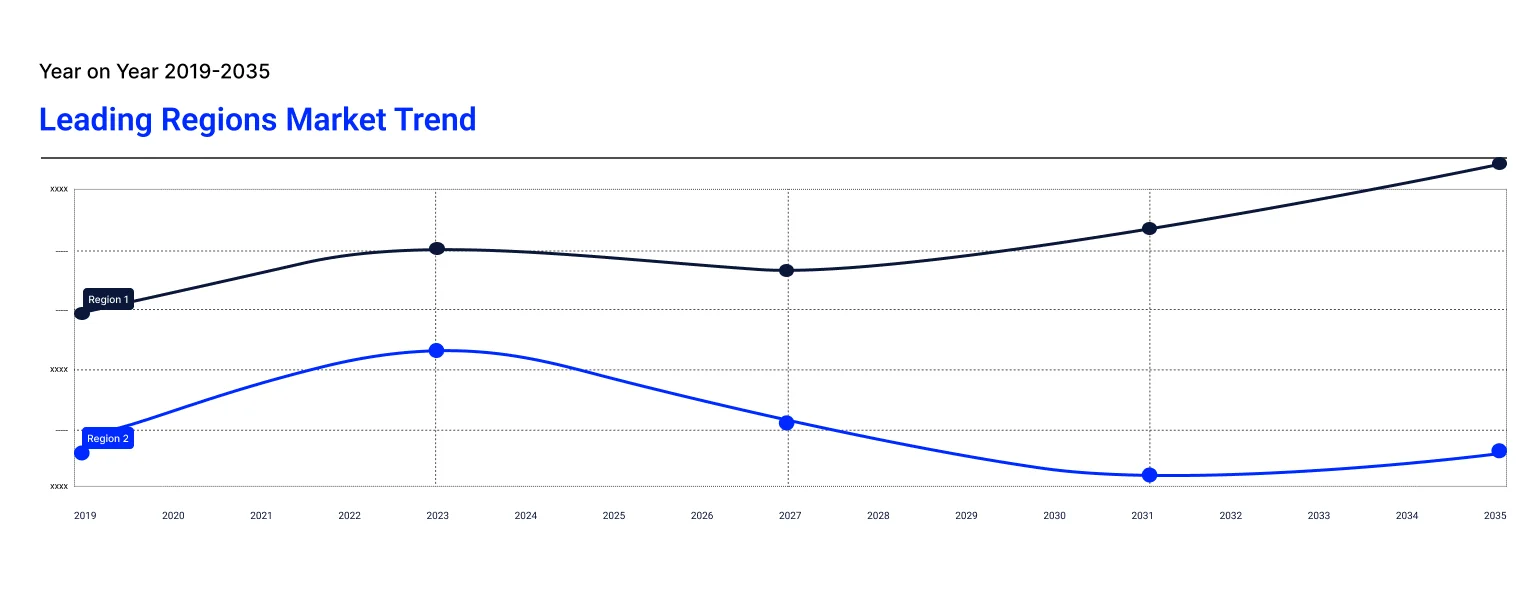
North America holds the largest share of the global online music education market, contributing approximately 35% of total revenue in 2025. The region's leadership reflects decades of investment in digital infrastructure, with near-universal broadband access and high ownership of smartphones, tablets, and laptops providing a seamless foundation for on-demand learning. The subscription economy is well embedded in North America, and learners in the United States and Canada are comfortable paying recurring fees for curated platform content, a dynamic that directly benefits music education providers. Venture capital activity in the US EdTech sector has remained robust, enabling platforms to invest aggressively in AI features, artist partnerships, and gamified learning mechanics. Academic adoption is another key driver, with K-12 music programmes increasingly supplementing traditional lessons with digital tools. The US market, in particular, has seen notable growth in music production and vocal training courses, fuelled by the country's outsized influence on global pop culture and a thriving content creator community.
Asia Pacific is the fastest-growing region in the global online music education market, with its rapid expansion driven by a combination of demographic, technological, and cultural forces. Smartphone ownership in the region has surpassed fixed broadband penetration, making mobile-first learning the default format, particularly in India, Indonesia, and Vietnam. China's paid digital music user base grew by more than 28% in 2024, reflecting a broader cultural shift toward valuing music content, which in turn is opening pathways into structured lessons. South Korea's K-pop culture has created a strong domestic demand for vocal and instrumental training, with fans aspiring to professional-grade skills. India's status as one of the world's largest audio streaming markets, with approximately 891 billion streams recorded in 2024, signals enormous untapped demand for guided music education. Local platforms in China and South Korea are developing regionally tailored content, including traditional instruments such as guzheng and gayageum, which differentiates the Asia Pacific landscape from Western-dominated global platforms.
The global online music education market is moderately competitive, with a mix of dedicated music-learning platforms, broader EdTech operators, and newer AI-first entrants vying for subscriber share. Competition centres on content breadth, gamification quality, AI-driven feedback capability, and artist partnership exclusivity. The top five platforms collectively serve a significant share of active global learners, though the market remains fragmented enough to accommodate specialised competitors targeting niche instruments, age groups, or regional languages.
Strategic priorities across the market have shifted decisively toward personalisation and engagement. Platforms are investing heavily in real-time feedback engines, adaptive lesson pathways, and social features that foster community practice habits. Artist collaborations have emerged as a particularly effective differentiation tool, with platforms like Yousician securing partnerships with globally recognised names to drive acquisition and brand credibility. Chinese players, led by Hangzhou Tuotu Network Technology and Shanghai Peiyu Education Technology, are carving out competitive ground in the fast-growing Asia Pacific segment through localised content and culturally relevant curricula.
Founded in 2012 and headquartered in Berlin, Germany, Learnfield GmbH operates Skoove, one of the most widely recognised dedicated online piano learning platforms globally. Skoove's curriculum is developed in collaboration with professional piano educators, offering structured lesson paths that guide learners from beginner to advanced levels. The platform supports MIDI keyboard connectivity, microphone-based input, and web-based access, making it compatible with a wide range of devices and hardware setups. Skoove differentiates itself through its teacher-informed pedagogical approach and its emphasis on reading sheet music alongside practical playing, giving it a distinct edge among learners seeking a more traditional, disciplined music education experience.
Founded in 2010 and headquartered in Helsinki, Finland, Yousician Ltd. is one of the largest and most widely used interactive music learning platforms in the world, with a reported 20 million monthly active users as of 2024. The platform covers guitar, piano, bass, ukulele, and vocals, using AI-driven real-time audio recognition to assess pitch, rhythm, and technique as learners play. Yousician has built a compelling song library through high-profile artist partnerships, including collaborations with Billie Eilish, Metallica, Jason Mraz, and Paul McCartney. The company's annual revenue reached approximately EUR 53.3 million in 2024, supported by its freemium model and Premium and Premium Plus subscription tiers targeting both casual hobbyists and committed learners.
imusic-school, SAS, is a French online music education company offering live, teacher-led music lessons delivered via video streaming. The platform stands apart from primarily app-based competitors by emphasising real-time human instruction, connecting students with professional musicians and certified music educators for structured lessons across a broad range of instruments and musical styles. imusic-school caters to learners who value the interactive, personalised quality of traditional in-person tuition but prefer the convenience of a digital format. Its model is particularly well suited for European learners seeking structured, progressive instruction rather than self-directed or gamified alternatives.
Forte is a music education software company focused on notation, composition, and structured theory instruction delivered through desktop and online platforms. Its tools are designed to serve a broad audience spanning students, hobbyists, and music educators who require professional-grade notation capabilities combined with accessible learning features. Forte's offering includes notation editors, playback engines, and guided exercises that help learners understand compositional structure and music theory. The platform is particularly relevant for learners pursuing classical training, academic music programmes, or composition as part of a broader creative skillset, serving a distinct niche within the wider online music education ecosystem.
Other key players in the market are Hangzhou Tuotu Network Technology Co., Ltd, Shanghai Peiyu Education Technology Co., Ltd, and Others.
*Please note that this is only a partial list; the complete list of key players is available in the full report. Additionally, the list of key players can be customized to better suit your needs.*
Get ahead of the curve in the global online music education space with our in-depth 2026 market report. From AI-driven platform innovations to the fastest-growing learner segments and regional hotspots, this report covers it all. Whether you are looking to launch a new course platform, enter a high-growth geography, or benchmark against leading players, the clarity you need is right here. Download your free sample now and uncover the opportunities shaping the future of online music learning.


Upto 15% Off
USD
$2499 $2249
$3999 $3599
$4999 $4249
$5999 $5099


*While we strive to always give you current and accurate information, the numbers depicted on the website are indicative and may differ from the actual numbers in the main report. At Expert Market Research, we aim to bring you the latest insights and trends in the market. Using our analyses and forecasts, stakeholders can understand the market dynamics, navigate challenges, and capitalize on opportunities to make data-driven strategic decisions.*
In 2025, the market reached an approximate value of USD 4.27 Billion.
The market is projected to grow at a CAGR of 13.20% between 2026 and 2035.
The market is estimated to witness healthy growth in the forecast period of 2026-2035 to reach a value of around USD 14.75 Billion by 2035.
The major drivers of the market are social media platforms generating interest, increased internet penetration, and self-paced learning and personal development.
The key trends of the market include gamification, live classes, digital skill development, and AI-driven personalized learning to help with better engagement and access.
The major regions in the market are North America, Europe & Middle East and Africa, Asia Pacific, Latin America.
The various types considered in the market report are guitar, piano, violin, vocals, and others.
The genders considered in the market report are men and women.
The learner types considered in the market report are hobbyist and professional.
The key players in the market include Learnfield GmbH (Skoove), Yousician Ltd., imusic-school, SAS, Forte, Hangzhou Tuotu Network Technology Co., Ltd., and Shanghai Peiyu Education Technology Co., Ltd., among others.
Platforms face challenges around learner retention, high content development costs, device compatibility issues, and convincing institutions to shift budgets from traditional in-person instruction to long-term digital contracts.
Stakeholders are investing in adaptive learning technology, forming hardware partnerships, localizing curricula, expanding enterprise licensing, and using performance analytics to secure renewals and increase long-term contract value.
Explore our key highlights of the report and gain a concise overview of key findings, trends, and actionable insights that will empower your strategic decisions.
| REPORT FEATURES | DETAILS |
| Base Year | 2025 |
| Historical Period | 2019-2025 |
| Forecast Period | 2026-2035 |
| Scope of the Report |
Historical and Forecast Trends, Industry Drivers and Constraints, Historical and Forecast Market Analysis by Segment:
|
| Breakup by Type |
|
| Breakup by Gender |
|
| Breakup by Learner Type |
|
| Breakup by Region |
|
| Market Dynamics |
|
| Competitive Landscape |
|
| Companies Covered |
|
Datasheet
One User
USD 2,499
USD 2,249
tax inclusive*
Single User License
One User
USD 3,999
USD 3,599
tax inclusive*
Five User License
Five User
USD 4,999
USD 4,249
tax inclusive*
Corporate License
Unlimited Users
USD 5,999
USD 5,099
tax inclusive*
*Please note that the prices mentioned below are starting prices for each bundle type. Kindly contact our team for further details.*
Flash Bundle
Small Business Bundle
Growth Bundle
Enterprise Bundle
*Please note that the prices mentioned below are starting prices for each bundle type. Kindly contact our team for further details.*
Flash Bundle
Number of Reports: 3
20%
tax inclusive*
Small Business Bundle
Number of Reports: 5
25%
tax inclusive*
Growth Bundle
Number of Reports: 8
30%
tax inclusive*
Enterprise Bundle
Number of Reports: 10
35%
tax inclusive*
How To Order

Select License Type
Choose the right license for your needs and access rights.

Click on ‘Buy Now’
Add the report to your cart with one click and proceed to register.

Select Mode of Payment
Choose a payment option for a secure checkout. You will be redirected accordingly.
Strategic Solutions for Informed Decision-Making
Gain insights to stay ahead and seize opportunities.

Get insights & trends for a competitive edge.

Track prices with detailed trend reports.

Analyse trade data for supply chain insights.

Leverage cost reports for smart savings

Enhance supply chain with partnerships.

Connect For More Information
Our expert team of analysts will offer full support and resolve any queries regarding the report, before and after the purchase.
Our expert team of analysts will offer full support and resolve any queries regarding the report, before and after the purchase.
We employ meticulous research methods, blending advanced analytics and expert insights to deliver accurate, actionable industry intelligence, staying ahead of competitors.
Our skilled analysts offer unparalleled competitive advantage with detailed insights on current and emerging markets, ensuring your strategic edge.
We offer an in-depth yet simplified presentation of industry insights and analysis to meet your specific requirements effectively.




