

Consumer Insights
Uncover trends and behaviors shaping consumer choices today
Procurement Insights
Optimize your sourcing strategy with key market data
Industry Stats
Stay ahead with the latest trends and market analysis.
The global online trading platform market attained a value of USD 46.74 Billion in 2025 and is projected to expand at a CAGR of 8.60% through 2035. The market is further expected to achieve USD 106.66 Billion by 2035. Rising adoption of AI powered trading signals, mobile first brokerage applications, algorithmic execution engines, and round the clock market access is reshaping the way retail and institutional investors engage with global capital markets. Investments in cloud native infrastructure, digital asset trading, and unified multi asset dashboards are helping brokerages differentiate their offerings and retain a growing base of self-directed traders.
Increasing participation of retail investors, growing smartphone and internet penetration, and rising demand for zero commission and low commission trading models are encouraging brokerages to expand their self-directed and mobile first offerings. At the same time, the growing use of artificial intelligence in trading signals, portfolio analytics, and customer support is allowing platform operators to refine execution quality, personalize the investor experience, and forecast client behaviour more accurately.
The online trading platform market is witnessing further momentum as major brokerages accelerate their investments in digital assets, extended trading hours, and unified multi asset access. An example of such innovation was the announcement by Kraken, in partnership with Backed Finance, of more than 60 tokenized US equities trading 24 hours a day, seven days a week, in May 2025. This innovation reflects the broader industry shift toward continuous market access and deeper digital asset integration for retail traders.
In addition, online trading platform market players are allocating greater investment toward artificial intelligence enabled agentic trading, algorithmic execution, and expanded asset coverage to build differentiated portfolios amid an increasingly competitive brokerage landscape. For instance, companies like, Interactive Brokers Group, Inc., Charles Schwab & Co., Inc. and E TRADE Financial Corporation are increasing their investments in AI driven tools, digital asset access, and active trader platforms to cater to evolving investor expectations. Similarly, in July 2026, Intercontinental Exchange agreed to acquire MarketAxess Holdings Inc. to combine complementary fixed income trading and data capabilities, reflecting continued consolidation within the trading technology space.
Compound Annual Growth Rate
8.6%
Value in USD Billion
2026-2035
Read more about this report - REQUEST FREE SAMPLE COPY IN PDF
Webull launched an AI powered portfolio advisor at a New York event, giving self-directed investors automated portfolio guidance alongside its existing charting and screening tools. Companies can use such AI advisory features to deepen engagement among retail traders and capitalize on emerging trends in the online trading platform market.
Public launched private company pages, giving retail investors access to institutional grade data, valuation history, and funding round details on more than 60 private companies ahead of potential public listings. Companies can use such data driven features to expand retail access to alternative and pre-IPO investment information across the online trading platform market.
Moomoo announced its expansion into cryptocurrency trading with the launch of Moomoo Crypto, a digital asset investment service offering more than 30 coins for its United States users. Companies can leverage such expansions to bring traditional securities and digital asset trading together within a single platform, capitalizing on such developments in the online trading platform market.
Coinbase agreed to acquire Deribit, a leading global crypto options exchange, in a deal valued at approximately USD 2.9 Billion, expanding its derivatives capabilities across spot, futures, perpetuals, and options markets. Companies can pursue such acquisitions to broaden digital asset product coverage and strengthen their position in the growing crypto derivatives space within the online trading platform market.
Artificial intelligence is transforming the online trading platform market through its ability to help brokerages automate order execution, personalize investor engagement, and generate predictive trading insights. It allows platform operators to enhance decision making speed and reduce the complexity of multi asset trading for self-directed clients. For example, in January 2026, TradeStation launched TradeStation MCP, allowing eligible clients with a Claude Pro or ChatGPT Plus subscription to connect their brokerage accounts directly to AI tools that can fetch quotes, analyze portfolio risk, and preview orders using natural language. In parallel, SoFi launched Composer by SoFi in June 2026, an AI powered investing platform that lets retail traders convert natural language ideas into backtested, automated strategies and assemble diversified, rule-based portfolios.
Digital asset trading is becoming a key growth avenue for the online trading platform market as brokerages expand access to cryptocurrencies alongside traditional equities, options, and fixed income instruments. Companies are integrating digital asset custody, spot trading, and futures contracts into existing platforms to provide clients with a unified investing experience. For instance, in 2026, E TRADE from Morgan Stanley rolled out spot trading in Bitcoin, Ethereum, and Solana.
Extended and round the clock trading access is emerging as a differentiator among leading brokerages in the online trading platform market as investors increasingly seek to react to market moving news outside of standard trading hours. Platform providers are expanding the list of securities available during overnight sessions and introducing continuous order types to support this demand. Charles Schwab, for example, expanded overnight trading access to more than 1,100 securities across its thinkorswim platform suite, following a series of successful pilot programs, before introducing its first fully continuous cryptocurrency futures product in 2026.
Consolidation is reshaping the competitive structure of the online trading platform market as established exchange operators and trading technology providers pursue combinations to expand data, analytics, and electronic trading capabilities. For example, in July 2025, SIX Group completed its acquisition of Aquis Exchange, combining trading technology with multi-asset infrastructure to reach ~15% aggregated European market share and unified connectivity across Switzerland, Spain, and the UK, per FCA-regulated RNS disclosure.
Brokerages and institutional platforms are continuing to introduce advanced tools that cater to the specific needs of active and professional traders, further strengthening the online trading platform market. These include multi monitor customization, algorithmic execution, and expanded prediction market access. Interactive Brokers, for instance, launched a unified interface for trading prediction markets across multiple US platforms on May 14, 2026, while MarketAxess expanded its automated trading protocols and, in February 2026, integrated with DirectBooks to streamline access to primary issuance data, improving speed, accuracy, and transparency across the deal lifecycle.
The EMR's report titled "Global Online Trading Platform Market Report and Forecast 2026-2035" offers a detailed analysis of the market based on the following segments:
Market Breakup by Component
Key Insight: The software segment dominates the online trading platform market as it encompasses web-based platforms, mobile applications, and desktop tools that allow users to buy and sell financial instruments with integrated real time data, technical analysis tools, and AI driven trading signals. Services, including implementation, support, and consulting, continue to grow as brokerages expand their platform capabilities and require ongoing technical assistance. In September 2025, Fidelity Investments launched Fidelity Trader+, an integrated ecosystem spanning web, desktop, and mobile with advanced charting, real-time data, seamless cross-device order handoff, enhanced options tools, and crypto integration, consolidating trading, analytics, and execution into one platform.
Market Breakup by Type
Key Insight: Transaction fees account for a significant share of the online trading platform market as brokerages increasingly rely on per trade and volume-based fees, particularly within institutional fixed income and digital asset trading. Commission based models remain relevant for full service and advisory oriented platforms, though the continued rise of zero commission trading is pushing providers toward diversified revenue streams. In July 2026, MarketAxess launched its TraX Tape data solution to help clients interpret bond market activity, complementing its variable transaction fee-based revenue model.
Market Breakup by Application
Key Insight: Institutional investors account for a substantial share of the online trading platform market, supported by demand for algorithmic execution, direct market access, and robust risk management tools. Retail investors, meanwhile, represent the fastest growing application as zero commission brokerage models, mobile trading applications, and social trading features continue to expand the base of self-directed traders. In July 2026, eToro launched a new AI first mobile app featuring Tori, a proactive AI agent that delivers portfolio insights and market updates to retail investors through channels such as WhatsApp and Apple Watch.
Market Breakup by End Users
Key Insight: Brokers represent a leading end user category in the online trading platform market as they directly operate the platforms used by both retail and institutional clients to execute trades across asset classes. Banking and financial institutions are increasingly integrating online trading capabilities into their broader digital banking ecosystems, allowing clients to manage investing and banking needs through a single provider. In fall 2025, Robinhood launched Robinhood Banking, integrating checking and savings with brokerage in one app, offering 4% APY, up to $2.5 million FDIC coverage, and a unified net worth dashboard combining banking and investment holdings via its Coastal Community Bank partnership.
Market Breakup by Region
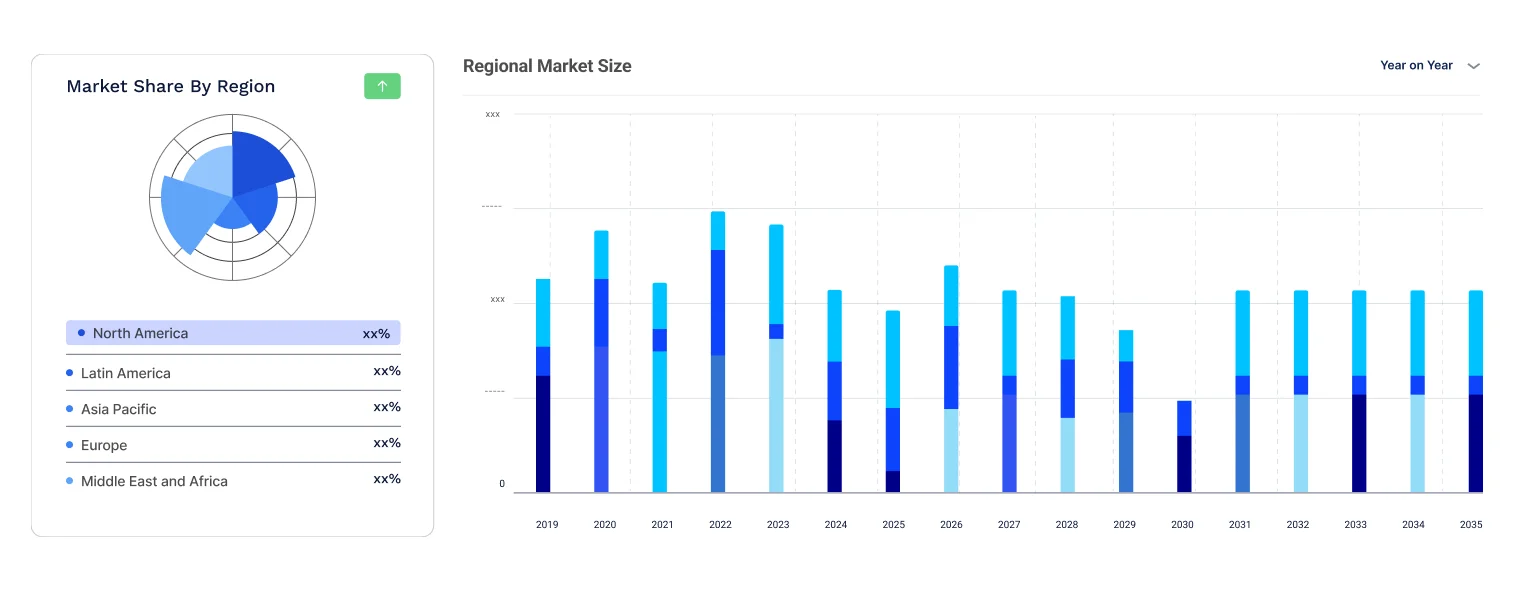
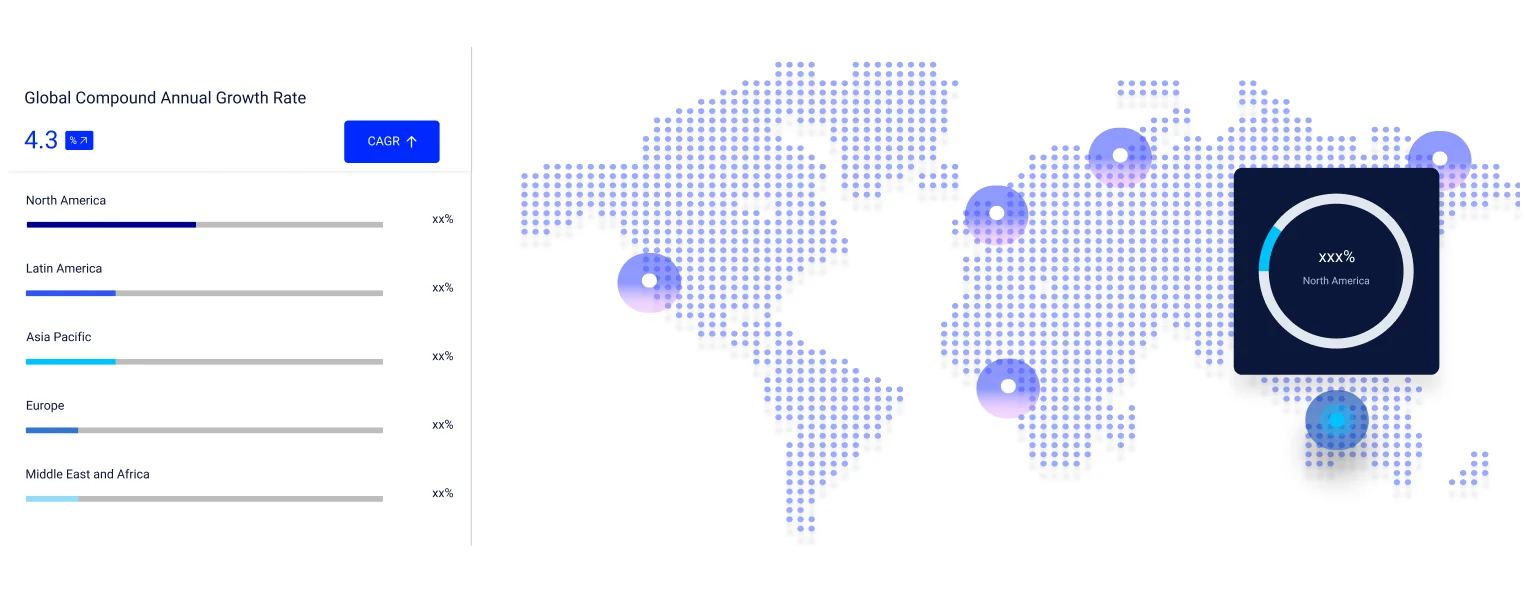
Key Insight: Regional dynamics in the online trading platform market continue to shape the competitive strategies of leading brokerages. North America leads the market on account of high retail investor participation, an established base of major brokerages, and continued innovation in digital asset and AI driven trading tools. Asia Pacific is registering the fastest growth, supported by rising smartphone penetration, growing middle class wealth, and expanding financial literacy across the region. Europe continues to benefit from evolving transparency regulations in fixed income markets, while Latin America and the Middle East and Africa are witnessing growing adoption of mobile first and digital brokerage platforms.
By component, the software segment dominates the market owing to continuous platform innovation and growing self-directed trading demand
The software segment holds the largest share of the online trading platform market as brokerages continue to expand their web based, desktop, and mobile platform suites with real time analytics, customizable charting, and AI driven insights. Providers are focusing on multi asset functionality, intuitive design, and agentic trading integrations to differentiate their platforms and retain active traders. On the other hand, in 2026, Plus500 enhanced its web-based trading platform with a new +Insights tool and +Me performance analytics dashboard, alongside a futures trading API to support algorithmic execution for active traders.
The services segment, comprising implementation, technical support, and consulting, is gaining relevance as brokerages and financial institutions increasingly require support to integrate digital asset trading, extended hours access, and AI driven tools into their existing platform infrastructure. Providers offering managed services and platform customization are well positioned to capture demand from institutions seeking tailored trading solutions.
By type, transaction fees account for the largest share of the market through growing volume based institutional and digital asset trading
Transaction fees dominate revenue generation across the online trading platform market as institutional fixed income and digital asset trading continue to grow in scale and volume. Providers are introducing new data and analytics products alongside their transaction fee-based offerings to strengthen client retention. In May 2026, MarketAxess partnered with Moment to provide retail investors access to institutional fixed income liquidity, reinforcing its transaction fee-based revenue model.
Commission based revenue remains relevant for full service and advisory oriented brokerages, though the continued expansion of zero commission trading models is pushing providers to diversify into subscription services, premium research, and managed portfolio offerings to sustain revenue growth.
By application, retail investors represent the fastest growing segment through expanding self-directed trading adoption
Retail investors are increasingly turning to easy to use, mobile first platforms that can be accessed from anywhere to manage their portfolios, further adding to the growth of the online trading platform market. Zero commission pricing, fractional share investing, and social trading features are helping brokerages attract a broader and younger base of self-directed traders. In June 2026, Charles Schwab's press release announced expanded fractional and notional trading, extending it to most U.S. stocks and exchange-traded funds, allowing clients to invest a set dollar amount with a lower $1 minimum threshold.
Institutional investors continue to account for a significant share of the market as banks, asset managers, and broker dealers rely on online trading platforms for algorithmic execution, block trading, and direct market access. Providers catering to this segment are expanding automation and analytics capabilities to help institutional clients manage large and complex trades.
By end users, brokers account for the largest share of the market through direct platform ownership and client execution control
Brokers dominate the end user landscape of the online trading platform market as they directly operate and control the trading platforms used by retail and institutional clients across asset classes. Leading brokers are continuing to invest in proprietary technology, AI driven tools, and expanded asset coverage to strengthen their competitive position. In July 2026, for instance, CMC Markets expanded its CMC Invest platform with fractional share and ETF investing across its Stocks and Shares ISA, SIPP, and General Investment Account products, bringing its investing and trading offerings closer together within a single multi-asset platform.
Banking and financial institutions represent a growing end user category as they increasingly integrate online trading capabilities into broader digital banking ecosystems. J.P. Morgan, for instance, integrates its Self-Directed Investing platform directly into the Chase Mobile app, allowing customers to view banking and investment accounts in one place and transfer funds between checking, savings, and brokerage accounts instantly.
Read more about this report - REQUEST FREE SAMPLE COPY IN PDF
North America accounts for the largest share of the market through an established brokerage base and continued platform innovation
North America leads the online trading platform market owing to high retail investor participation, a mature base of established brokerages, and continued investment in AI driven and digital asset trading capabilities. Companies in the region are focusing on expanding round the clock trading access, agentic trading integrations, and multi asset platform functionality to maintain their competitive position. Growing consolidation among trading technology providers, along with continued innovation from major brokerages, is expected to sustain the region's leadership through the forecast period. For example, Interactive Brokers reported that its client accounts reached 4.859 million by April 2026, marking a 31% year over year increase, underscoring the scale of retail brokerage growth across the region.
Asia Pacific is the fastest growing regional market for online trading platforms, powered by rising smartphone penetration, expanding middle class wealth, and growing financial literacy across countries such as India, China, and Southeast Asian markets. Brokerages and financial institutions in the region are introducing localized mobile first platforms and expanding customer education initiatives to capture the growing base of first-time retail investors. Favourable digital infrastructure development and rising internet penetration are creating a supportive environment for continued platform adoption across the region.
The global industry is becoming increasingly innovation oriented as major online trading platform players compete by expanding AI driven trading tools, digital asset access, and round the clock market availability. Brokerages are enhancing automation in trade execution, strengthening cybersecurity infrastructure, and growing their agentic trading capabilities through partnerships with leading AI platforms to improve customer engagement.
Major online trading platform companies are focusing on expanding institutional grade tools for active traders, broadening digital asset offerings, and pursuing strategic combinations to strengthen data and analytics capabilities. Opportunities are growing in areas such as prediction markets, algorithmic trading, agentic trading integrations, and fixed income electronification. Providers that successfully integrate advanced technology with regulatory compliant infrastructure are expected to hold a competitive advantage over the coming years.
Founded in 1977 and headquartered in Greenwich, Connecticut, United States, Interactive Brokers Group, Inc. supports the online trading platform market by offering direct market access to stocks, options, futures, forex, bonds, and digital assets across more than 170 global markets. The company reported daily average revenue trades of 4.241 million for April 2026, up 11% year over year, reflecting sustained growth in active trader engagement on its platform.
Founded in 1990 and headquartered in Athens, Greece, Profile Systems & Software SA develops financial software solutions for the investment management, banking, risk, and capital markets sectors. Its platforms, including GS Market Suite and Plexus, enable real time market data monitoring and streaming for financial institutions across more than 50 countries.
Founded in 1982 and headquartered in Arlington, Virginia, United States, E TRADE Financial Corporation, operating today as E TRADE from Morgan Stanley, supports the online trading platform market through its self-directed brokerage platforms for retail investors. The company continues to enhance its Power E TRADE Pro platform with advanced charting and risk management tools for active traders.
Founded in 1919 and headquartered in Detroit, Michigan, United States, Ally Financial Inc. offers commission free trading on stocks, exchange traded funds, and mutual funds through its Ally Invest brokerage platform. The company continues to integrate its banking and investing ecosystem, providing clients with instant transfers between banking and brokerage accounts alongside automated and self-directed investing options.
Other key players in the market include Charles Schwab & Co., Inc., Morgan Stanley, and MarketAxess Holdings Inc.
*Please note that this is only a partial list; the complete list of key players is available in the full report. Additionally, the list of key players can be customized to better suit your needs.*
Unlock the latest insights with our online trading platform market trends 2026 report. Discover regional growth patterns, investor preferences, and key industry players. Stay ahead of competition with trusted data and expert analysis. Download your free sample report today and drive informed decisions in the market.


Upto 15% Off
USD
$2499 $2249
$3999 $3599
$4999 $4249
$5999 $5099


*While we strive to always give you current and accurate information, the numbers depicted on the website are indicative and may differ from the actual numbers in the main report. At Expert Market Research, we aim to bring you the latest insights and trends in the market. Using our analyses and forecasts, stakeholders can understand the market dynamics, navigate challenges, and capitalize on opportunities to make data-driven strategic decisions.*
The market is projected to grow at a CAGR of 8.60% between 2026 and 2035.
In 2025, the market reached an approximate value of USD 46.74 Billion.
The market is estimated to witness healthy growth in the forecast period of 2026-2035 to reach almost USD 106.66 Billion by 2035.
Investing in AI driven agentic trading tools, expanding digital asset and cryptocurrency access, strengthening round the clock trading infrastructure, pursuing strategic consolidation, and developing advanced analytics for both retail and institutional clients.
The key trends include rapid advancement in technologies and the rising demand for customized trading platform solutions.
The various components of online trading platforms include software and services.
The numerous types of online trading platforms include commissions and transaction fees.
The different applications of online trading platforms include institutional investors and retail investors.
The key players in the market include Interactive Brokers Group, Inc., Profile Systems & Software SA, E TRADE Financial Corporation, Ally Financial Inc., Charles Schwab & Co., Inc., Morgan Stanley, MarketAxess Holdings Inc.,among others.
Banking and financial institutions are dominating the market as they leverage their extensive customer base and trusted brand reputation.
Companies face evolving regulatory compliance requirements across jurisdictions, cybersecurity risks, market volatility that strains trading infrastructure, intense pricing pressure from zero commission competitors, and the need to continuously invest in AI and digital asset capabilities while maintaining platform reliability.
Explore our key highlights of the report and gain a concise overview of key findings, trends, and actionable insights that will empower your strategic decisions.
| REPORT FEATURES | DETAILS |
| Base Year | 2025 |
| Historical Period | 2019-2025 |
| Forecast Period | 2026-2035 |
| Scope of the Report |
Historical and Forecast Trends, Industry Drivers and Constraints, Historical and Forecast Market Analysis by Segment:
|
| Breakup by Component |
|
| Breakup by Type |
|
| Breakup by Application |
|
| Breakup by End Users |
|
| Breakup by Region |
|
| Market Dynamics |
|
| Competitive Landscape |
|
| Companies Covered |
|
Datasheet
One User
USD 2,499
USD 2,249
tax inclusive*
Single User License
One User
USD 3,999
USD 3,599
tax inclusive*
Five User License
Five User
USD 4,999
USD 4,249
tax inclusive*
Corporate License
Unlimited Users
USD 5,999
USD 5,099
tax inclusive*
*Please note that the prices mentioned below are starting prices for each bundle type. Kindly contact our team for further details.*
Flash Bundle
Small Business Bundle
Growth Bundle
Enterprise Bundle
*Please note that the prices mentioned below are starting prices for each bundle type. Kindly contact our team for further details.*
Flash Bundle
Number of Reports: 3
20%
tax inclusive*
Small Business Bundle
Number of Reports: 5
25%
tax inclusive*
Growth Bundle
Number of Reports: 8
30%
tax inclusive*
Enterprise Bundle
Number of Reports: 10
35%
tax inclusive*
How To Order

Select License Type
Choose the right license for your needs and access rights.

Click on ‘Buy Now’
Add the report to your cart with one click and proceed to register.

Select Mode of Payment
Choose a payment option for a secure checkout. You will be redirected accordingly.
Strategic Solutions for Informed Decision-Making
Gain insights to stay ahead and seize opportunities.

Get insights & trends for a competitive edge.

Track prices with detailed trend reports.

Analyse trade data for supply chain insights.

Leverage cost reports for smart savings

Enhance supply chain with partnerships.

Connect For More Information
Our expert team of analysts will offer full support and resolve any queries regarding the report, before and after the purchase.
Our expert team of analysts will offer full support and resolve any queries regarding the report, before and after the purchase.
We employ meticulous research methods, blending advanced analytics and expert insights to deliver accurate, actionable industry intelligence, staying ahead of competitors.
Our skilled analysts offer unparalleled competitive advantage with detailed insights on current and emerging markets, ensuring your strategic edge.
We offer an in-depth yet simplified presentation of industry insights and analysis to meet your specific requirements effectively.




