

Consumer Insights
Uncover trends and behaviors shaping consumer choices today
Procurement Insights
Optimize your sourcing strategy with key market data
Industry Stats
Stay ahead with the latest trends and market analysis.

The global packaged bread market was valued at USD 373.82 Billion in 2025. The market is expected to grow at a CAGR of 4.10% during the forecast period of 2026-2035. The growing preference for par-baked, frozen breads in institutional catering and airline meal segments is accelerating demand for high-volume, shelf-stable SKUs with long distribution windows and minimal in-transit spoilage. As a result, the market is projected to reach a value of USD 558.69 Billion by 2035.
Quick service restaurants (QSRs) are considerably fuelling the market value, demanding high-volume, customizable bread products with consistent quality. As QSRs expand globally, they seek suppliers that offer tailored solutions, like burger buns with specific textures or sizes, and reliable cold chain logistics. This demand is pushing packaged bread manufacturers to innovate with automated production, long shelf-life variants, and private-label offerings, strengthening B2B partnerships and ensuring supply chain efficiency at scale.
The continuous growth in the packaged bread market can be also credited to the changing dietary habits, premiumization, and cutting-edge packaging innovation. Key companies in the market are rapidly prioritizing increasing shelf life with smart logistics to meet the demands of health-conscious consumers. According to industry reports, global wheat consumption rose to 796 million metric tons in 2024, which indirectly indicates the growing demand for wheat-based bakery products including bread. The rise of nuclear families and convenience-driven consumption is acting as a major motivator pushing this market forward.
Moreover, government initiatives are also subtly reshaping the packaged bread market dynamics. In India, the Production Linked Incentive (PLI) scheme for food processing witnessed a USD 1.5 billion budget in FY2023, that supports modernized bakery units. Meanwhile, the EU's Farm to Fork Strategy is putting pressure on producers to offer cleaner labels and reduce additives, accelerating innovations like sourdough bread made using wild yeast fermentations. In this regard, regional brands are gaining ground by marketing their products through minimalistic ingredient lists, appealing to health-conscious consumers.
Moreover, the aggressive digitalization in packaging supply chains has accelerated the packaged bread market development. Smart barcodes and blockchain-backed inventory control are enhancing traceability and reducing return rates. Europe, in particular, is witnessing a spike in demand for portion-controlled packaging, directly aligning with waste reduction targets under EU’s Circular Economy Action Plan.
Further, government fundings and investments from private sectors are also emerging to be some of the key motivators for the packaged bread demand. In 2024, Grupo Bimbo ramped up its production in Brazil with a USD 100 million facility upgrade aimed at developing clean-label bread. Similarly, Japan’s Yamazaki Baking introduced AI-powered production lines to reduce waste and cut down on delivery lead times. These innovations enable higher efficiency and allow B2B brands to scale operations without compromising quality. Besides, the global gluten-free bakery market is also growing at 9.1% CAGR, indirectly impacting mainstream segments by pushing labels to diversify offerings and tap into health-conscious consumer demand.
Base Year
Historical Period
Forecast Period
Compound Annual Growth Rate
4.1%
Value in USD Billion
2026-2035
*this image is indicative*
|
Global Packaged Bread Market Report Summary |
Description |
Value |
|
Base Year |
USD Billion |
2025 |
|
Historical Period |
USD Billion |
2019-2025 |
|
Forecast Period |
USD Billion |
2026-2035 |
|
Market Size 2025 |
USD Billion |
373.82 |
|
Market Size 2035 |
USD Billion |
558.69 |
|
CAGR 2019-2025 |
Percentage |
XX% |
|
CAGR 2026-2035 |
Percentage |
4.10% |
|
CAGR 2026-2035- Market by Region |
Asia Pacific |
4.5% |
|
CAGR 2026-2035 - Market by Country |
China |
5.4% |
|
CAGR 2026-2035 - Market by Country |
India |
5.1% |
|
CAGR 2026-2035 - Market by Product |
Sourdough Bread |
4.7% |
|
CAGR 2026-2035 - Market by Packaging |
Biodegradable Packaging |
4.5% |
The demand for functional and fortified food products is growing, especially in healthcare and education sectors. A 2023 NHS United Kingdom procurement report indicated a 13% increase in demand for breads enriched with Omega-3 and iron, thereby bolstering the packaged bread market opportunities. Hospitals are swapping generic white bread with fortified alternatives to meet patient nutrition guidelines. In addition, brands like Hovis have launched calcium-rich loaves tailored for school lunch programmes.
Wild fermentation is gaining rapid momentum in urban bakeries. Artisanal bakers are taking advantage of native yeast strains to craft breads with richer flavour profiles, improved digestibility, and enhanced shelf stability. This trend is drawing attention from premium brands looking to differentiate themselves in competitive retail channels and cater to health-conscious, label-aware consumers.
Automated packaging in the bread industry has become a norm that is influencing the overall packaged bread market dynamics and trends. Smart packaging solutions using IoT sensors are being adopted by firms like Aryzta to monitor humidity levels during transit. Biometric seals are also being tested in Japan to track handling conditions. These innovations ensure longer shelf life and reduce batch returns, which is a major cost-saving lever for B2B distributors and suppliers working at scale.
Supermarkets are reportedly compelling suppliers to adopt eco-friendly packaging, to sustain consumer interest. In 2024, Tesco declared it would de-list all bread products not packaged in recyclable or biodegradable materials by 2026. In response, brands like Warburtons have transitioned to compostable films that degrade within 60 days. This packaged bread market trend is directly influencing procurement strategies, with retailers increasingly awarding shelf space to suppliers meeting sustainability benchmarks. Hence, retailer-led green initiatives have become a critical variable in B2B negotiations.
Catering services and boutique hotels demand artisan-style, preservative-free packaged bread. These buyers seek uniqueness and are willing to pay premium amounts. Hence, B2B firms have focused on clean-label offerings made from heritage grains, slow-fermented dough, and minimal additives, appealing to health-conscious guests and accelerating the packaged bread demand forecast. For example, London’s Gail’s Bakery has launched preservative-free sourdough and seeded loaves, available across its United Kingdom locations. The company has also initiated the Wheat Project to sustain biodiversity and soil health. This is fostering a niche yet profitable B2B channel where origin transparency and artisanal quality are driving long-term supplier relationships and higher profit margins.
The EMR’s report titled “Global Packaged Bread Market Report and Forecast 2026-2035” offers a detailed analysis of the market based on the following segments:
Market Breakup by Product
Key Insight: White bread remains the most popular product bolstering the packaged bread market growth due to its cultural relevance, price, and variety. It has become a popular household staple due to its neutral flavour and soft texture, which appeal to a wide range of consumers. White breads are stored better in highly humid regions. Its ingredient simplicity also ensures easier compliance with basic food regulations across multiple countries, reducing friction in cross-border B2B distribution.
Market Breakup by Packaging
Key Insight: Plastic bags continue to dominate in emerging markets like in the Asia Pacific region where cost-per-unit remains a bottleneck. These are preferred for bulk orders, especially in government food relief programmes and airline catering services. Their tamper-proof sealing, flexibility, and integration with existing packaging lines make plastic bags a default for industrial-scale suppliers.
Market Breakup by Distribution Channel
Key Insight: Hypermarkets and supermarkets continue to lead the overall packaged bread market revenue owing to their ability to house a wide range of SKUs and execute real-time, data-driven promotions. These high-traffic retail hubs not only enable rapid volume movement but also influence downstream availability, acting as curators for smaller local retailers via established distributor networks. For manufacturers, securing shelf space in these large-format stores remains a key priority.
Market Breakup by Region
Key Insight: The Europe packaged bread industry observes continuous dominance, sustained by the region’s long history of bread consumption, various bread product offerings, and strong demand for both traditional and novel bread varieties. Bread has been a staple in many European diets due to the region's strong predilection for it. Furthermore, Europe has a well-developed bakery industry, aided by strong distribution routes and significant consumer purchasing power. Growing consumer demand for luxury and health-conscious bread, such as gluten-free and functional choices, reinforces Europe's dominance in the market.
By Product, White Bread Accounted for the Largest Share of the Market
White packaged bread continues to be the go-to product due to its mild flavour, soft texture, and consistent shelf life. School lunch programmes and budget-focused buyers still prioritize white bread for bulk procurement. Its scalability and universal appeal make it a core segment for mass-market producers. In April 2023, Flowers Foods expanded white bread production in Georgia to meet government-supported nutrition programme needs.
Multigrain bread is emerging to be the fastest-growing product, accelerating the overall packaged bread consumption, driven by increased consumer awareness and government-backed health programmes. For example, Lidl’s “Vital+” multigrain breads have grown popular with B2B contracts with healthcare kitchens. Multigrain breads are gaining traction among consumers due to its flexible nutrient profile and low-GI positioning, which aligns well with diabetic meal plans. As corporate wellness programmes expand, demand for these healthier alternatives is expanding into cafeterias and employee meal suppliers as well.
By Packaging, Plastic Bags Dominate the Market Share
Plastic bags remain the standard packaging format due to low cost and efficient barrier properties. The market is expected to heavily rely on LDPE and HDPE plastic wraps. Brands are also reducing packaging costs by switching to thinner dual-layered plastic films without compromising bread freshness. For logistics firms and wholesalers, plastic’s durability during shipping adds further cost advantages.
Biodegradable bread packaging is gaining momentum in boutiques and across large retail chains, supporting the packaged bread market expansion. For example, Carrefour has launched fully compostable packaging in Europe. This shift is fuelled by EU mandates targeting a 65% packaging recycling rate by 2030. In turn, brands adopting compostable or biodegradable options are now being prioritized in retailer procurement lists.
By Distribution Channel, Hypermarkets/Supermarkets Account for the Largest Market Share
Large retail chains like hypermarkets and supermarkets have primarily driven the packaged bread market revenue owing to their widespread reach and convenience. Supermarkets and hypermarkets provide a diverse selection of breads, from basic to premium varieties. Their capacity to serve a wide range of customers, along with the ease of one-stop shopping, generates enormous sales volume. These outlets' reasonable prices and regular discounts also appeal to budget-conscious customers, contributing to their large market share.
E-commerce channels are also influencing the market development. Online retail channels like Amazon Business and Alibaba Fresh enable bulk bread orders for offices, schools, and hotels. Bimbo’s direct-to-kitchen platform in Mexico allow small cafés and restaurants to order artisan bread directly. Convenience, digital inventory tracking, and scheduled deliveries make this category attractive for small-to-mid-scale buyers.
By Region, Europe Accounts for a Substantial Share in the Market
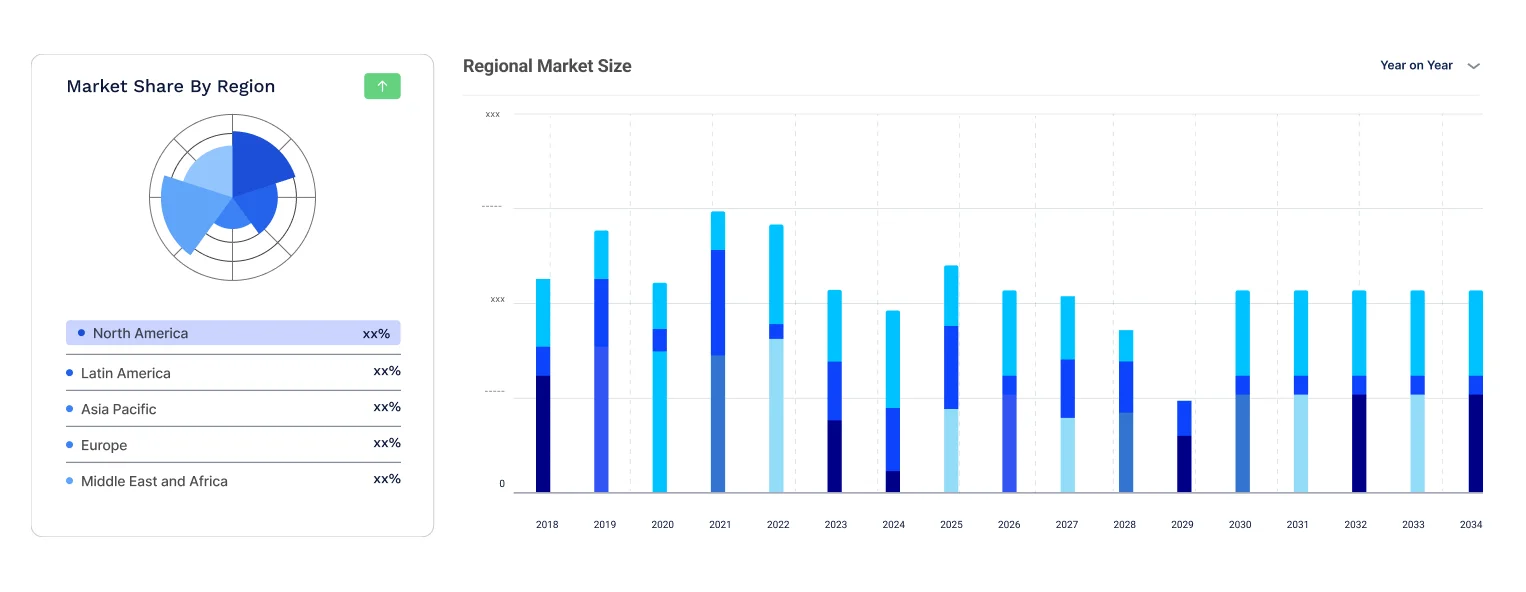
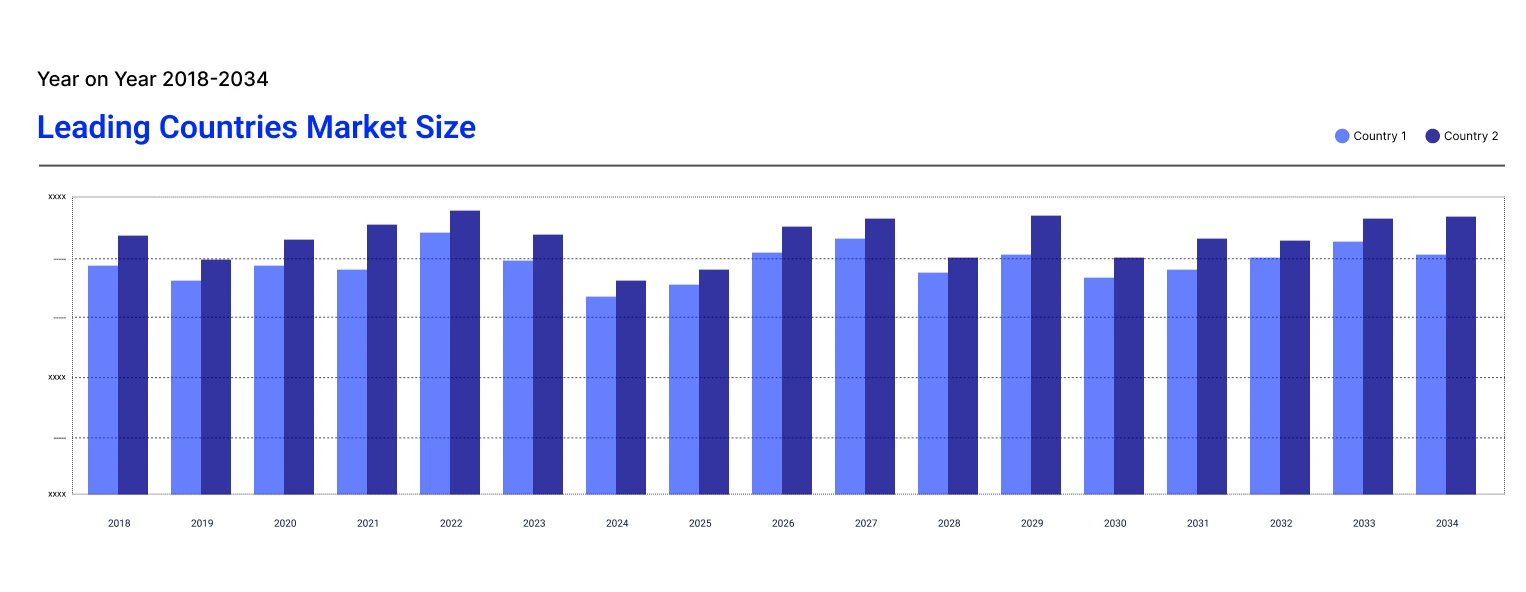
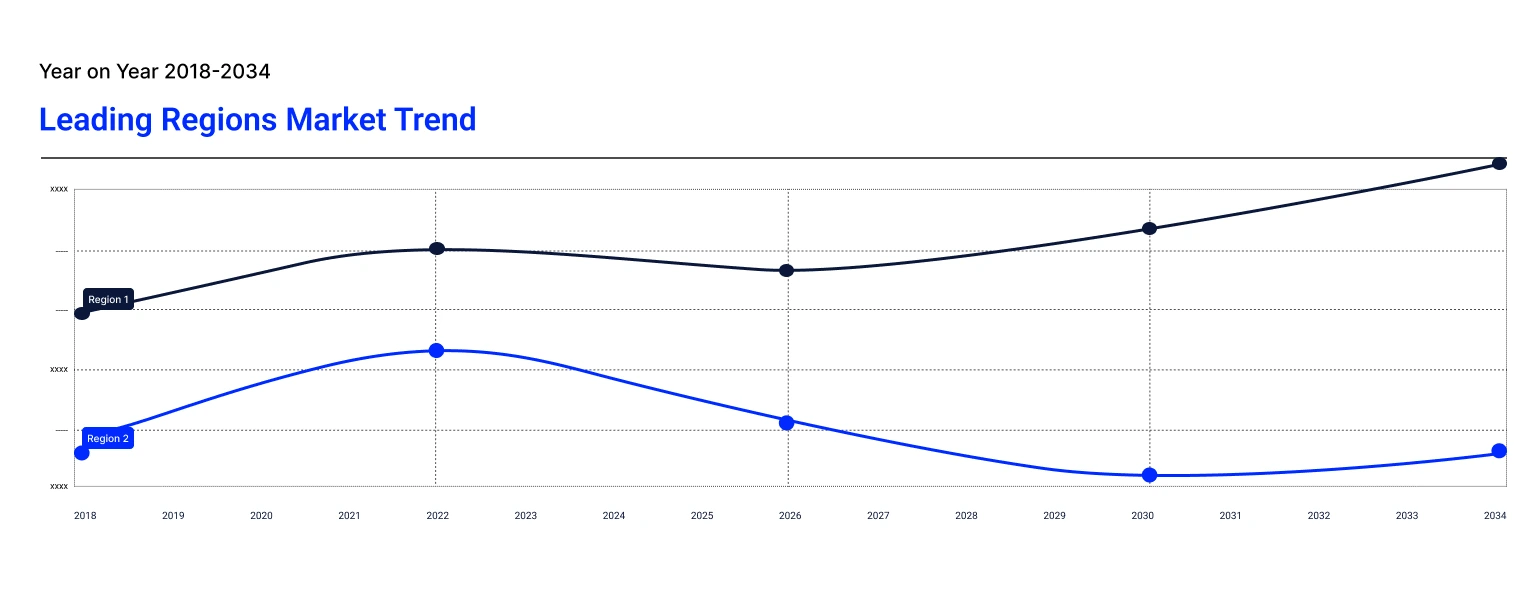
Europe holds the leading position in the global market, driven by strong regulatory frameworks, evolving consumer tastes, and government health campaigns. Germany and the United Kingdom are particularly ahead in terms of sales volume. Growth in these markets is propelled by innovations like no-additive sourdough and cold-bake methods. EU’s farm-to-fork strategy incentivizes cleaner formulations, and France’s artisan subsidies are supporting small producers. Additionally, public catering services continue to buy premium-quality bread through government contracts, making Europe a profitable ground for B2B-focused bakeries.
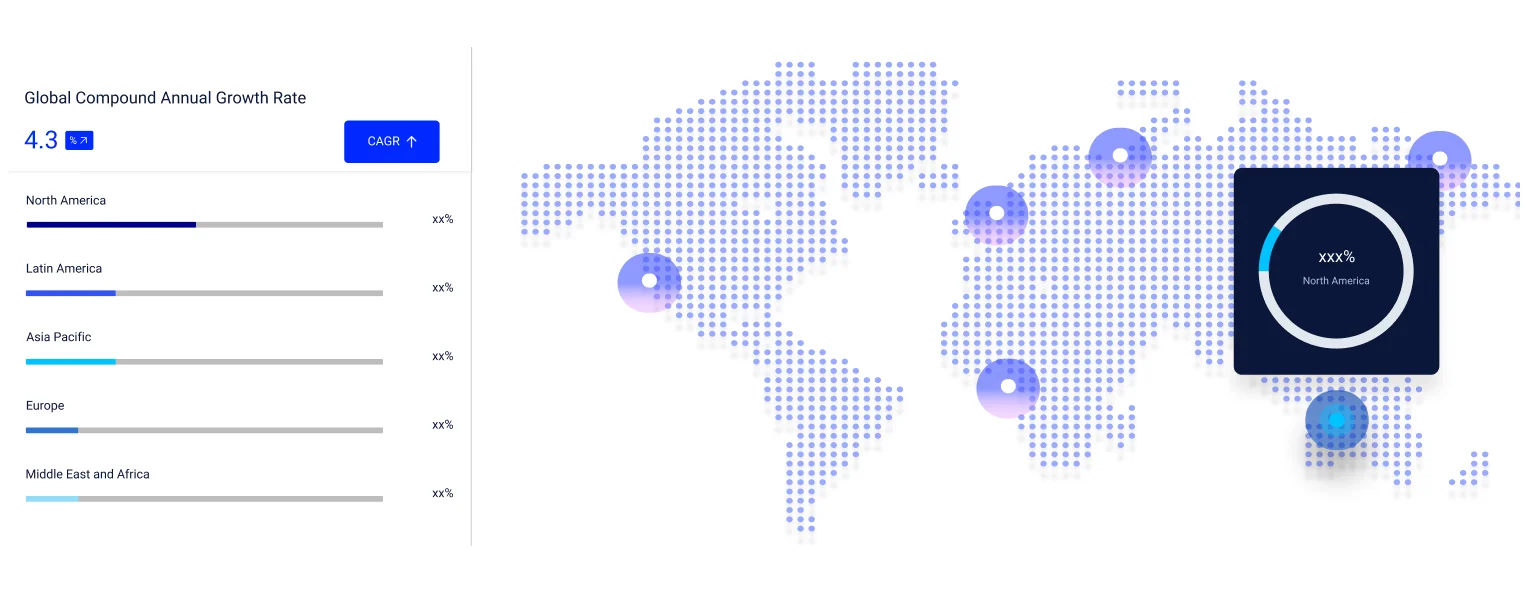
As per the packaged bread market analysis, Asia Pacific is predicted to grow at 4.5% CAGR during the forecast period. The popularity of convenience food in nations like China and India has increased demand for ready-to-eat products. The China industry is expected to grow at a CAGR of 5.4% over the forecast period. Government initiatives like ‘One District, One Product’ are encouraging regional bread makers to scale packaging and logistics. Australia’s shift toward low-GI bread is also pushing functional bread exports.
The packaged bread market players are prioritizing fermentation, packaging, and logistics. While cost-efficiency remains essential, producers are pivoting to health-oriented formulations and sustainable packaging to win retail and institutional contracts. The market further observes a growing trend of private labelling for hotels and airlines, creating fresh B2B supply streams. Furthermore, packaged bread companies are investing in cold-chain infrastructure and AI-driven demand forecasting to reduce spoilage and improve margins. Niche offerings like fermented rye or ancient grain loaves create premium subsegments. Additional opportunities lie in regional customization, smart distribution, and aligning with institutional health mandates. Sustainability and personalization are emerging as non-negotiable metrics in the market. Bakery firms are also experimenting with time-temperature indicators (TTIs), compostable wrappers, and blockchain traceability tools to elevate B2B value propositions, particularly for clients in health-focused catering, airline provisioning, and premium retail formats.
Established in 1945 and headquartered in Mexico City, Grupo Bimbo is one of the world's largest bread manufacturers. The company serves over 30 countries and leads health-forward bread lines through brands like Oroweat and Nature's Harvest.
Based in Thomasville, United States, and founded in 1919, Flowers Foods focuses on bakery products through brands like Nature’s Own and Wonder. The company supplies products to grocery, foodservice, and institutional clients across North America.
Founded in 1935 and headquartered in London, ABF operates Allied Bakeries. The company has a strong presence in the United Kingdom, supplying bread for large retailers and government contracts, emphasizing low-waste production.
Established in 1931, Dan Cake is based in Give, Denmark. Known for its European-style loaves and brioche, the company mostly caters to hotels, airlines, and export buyers seeking premium frozen baked goods.
*Please note that this is only a partial list; the complete list of key players is available in the full report. Additionally, the list of key players can be customized to better suit your needs.*
Other key players in the market are Barilla G. e R. Fratelli S.p.A., General Mills, Inc., Yamazaki Baking Co., Ltd., Britannia Industries Ltd, Gujarat Cooperative Milk Marketing Federation, and Warburtons Limited, among others.
Explore the latest trends shaping the global packaged bread market 2026-2035 with our in-depth report. Gain strategic insights, future forecasts, and key market developments that can help you stay competitive. Download a free sample report or contact our team for a customized consultation on packaged bread market trends 2026.


Upto 15% Off
USD
$2499 $2249
$3999 $3599
$4999 $4249
$5999 $5099


*While we strive to always give you current and accurate information, the numbers depicted on the website are indicative and may differ from the actual numbers in the main report. At Expert Market Research, we aim to bring you the latest insights and trends in the market. Using our analyses and forecasts, stakeholders can understand the market dynamics, navigate challenges, and capitalize on opportunities to make data-driven strategic decisions.*
Get in touch with us for a customized solution tailored to your unique requirements and save upto 35%!
In 2025, the packaged bread market reached an approximate value of USD 373.82 Billion.
The market is projected to grow at a CAGR of 4.10% between 2026 and 2035.
The key players in the market include Grupo Bimbo S.A.B. de C.V., Flowers Foods, Inc., Associated British Foods plc, Dan Cake, Barilla G. e R. Fratelli S.p.A., General Mills, Inc., Yamazaki Baking Co., Ltd., Britannia Industries Ltd, Gujarat Cooperative Milk Marketing Federation, and Warburtons Limited, among others.
Key strategies driving the market include exploring sustainable packaging, introducing clean-label SKUs, partnering with institutional buyers, enhancing regional distribution, and optimizing supply chain with predictive analytics.
Biodegradable packaging is gaining traction and anticipated to expand with a 4.5% CAGR during the 2035.
Explore our key highlights of the report and gain a concise overview of key findings, trends, and actionable insights that will empower your strategic decisions.
| REPORT FEATURES | DETAILS |
| Base Year | 2025 |
| Historical Period | 2019-2025 |
| Forecast Period | 2026-2035 |
| Scope of the Report |
Historical and Forecast Trends, Industry Drivers and Constraints, Historical and Forecast Market Analysis by Segment:
|
| Breakup by Product |
|
| Breakup by Packaging |
|
| Breakup by Distribution Channel |
|
| Breakup by Region |
|
| Market Dynamics |
|
| Competitive Landscape |
|
| Companies Covered |
|
Datasheet
One User
USD 2,499
USD 2,249
tax inclusive*
Single User License
One User
USD 3,999
USD 3,599
tax inclusive*
Five User License
Five User
USD 4,999
USD 4,249
tax inclusive*
Corporate License
Unlimited Users
USD 5,999
USD 5,099
tax inclusive*
*Please note that the prices mentioned below are starting prices for each bundle type. Kindly contact our team for further details.*
Flash Bundle
Small Business Bundle
Growth Bundle
Enterprise Bundle
*Please note that the prices mentioned below are starting prices for each bundle type. Kindly contact our team for further details.*
Flash Bundle
Number of Reports: 3
20%
tax inclusive*
Small Business Bundle
Number of Reports: 5
25%
tax inclusive*
Growth Bundle
Number of Reports: 8
30%
tax inclusive*
Enterprise Bundle
Number of Reports: 10
35%
tax inclusive*
How To Order

Select License Type
Choose the right license for your needs and access rights.

Click on ‘Buy Now’
Add the report to your cart with one click and proceed to register.

Select Mode of Payment
Choose a payment option for a secure checkout. You will be redirected accordingly.
Gain insights to stay ahead and seize opportunities.

Get insights & trends for a competitive edge.

Track prices with detailed trend reports.

Analyse trade data for supply chain insights.

Leverage cost reports for smart savings

Enhance supply chain with partnerships.

Connect For More Information
Our expert team of analysts will offer full support and resolve any queries regarding the report, before and after the purchase.
Our expert team of analysts will offer full support and resolve any queries regarding the report, before and after the purchase.
We employ meticulous research methods, blending advanced analytics and expert insights to deliver accurate, actionable industry intelligence, staying ahead of competitors.
Our skilled analysts offer unparalleled competitive advantage with detailed insights on current and emerging markets, ensuring your strategic edge.
We offer an in-depth yet simplified presentation of industry insights and analysis to meet your specific requirements effectively.





Share