

Consumer Insights
Uncover trends and behaviors shaping consumer choices today
Procurement Insights
Optimize your sourcing strategy with key market data
Industry Stats
Stay ahead with the latest trends and market analysis.
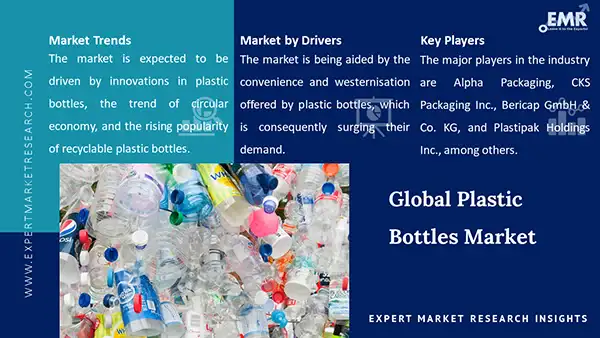
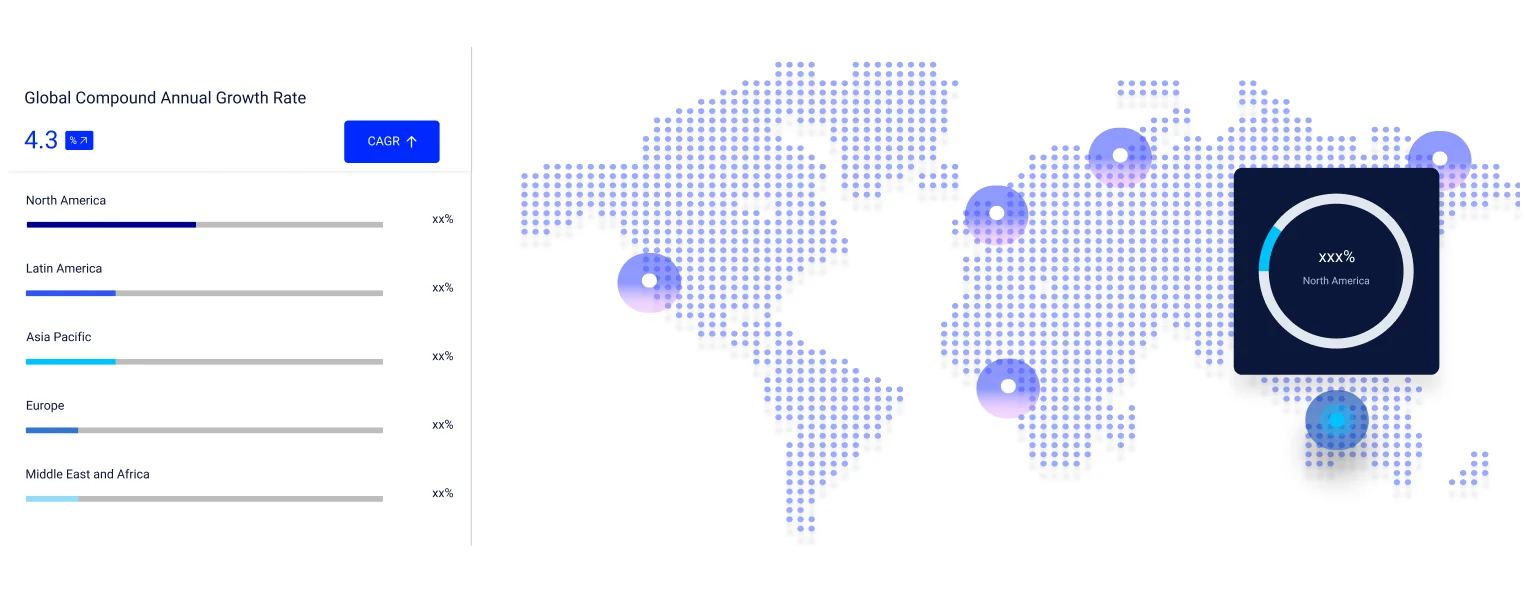
The global plastic bottles market size was valued at USD 226.76 Billion in 2025. The industry is expected to grow at a CAGR of 6.30% during the forecast period of 2026-2035 to reach a value of USD 417.73 Billion by 2035. The market development has been supported by the upsurge in green consciousness among customers. Besides that, the globally increasing strictness of the regulations is forcing brands to come up with new designs and materials for plastic bottles.
The growth of the global plastic bottles market is being pushed up by innovations in lightweighting and the installation of flexible, small-scale factories. Through light weighting, companies can reduce the amount of resin used in their products, thus saving on the cost of transportation without sacrificing the strength of the bottle. Hence, the product becomes more environmentally friendly. Whereas small batch production allows brands to swiftly launch new flavors, seasonal designs, or packaging variations for different regions. This reduces the time-to-market and supports the premium and niche product strategies in the beverage and personal care sectors.
Consumers are increasingly seeking packaging that has minimal environmental impact, yet at the same time delivers the product performance and appearance they desire. Therefore, the plastic bottles market is seeing a great deal of investments in recyclable formats, post-consumer resin (PCR) integration, and circular economy frameworks. Packaging converters and plastic producers are answering these calls by advancing in material science, optimizing their production processes to be able to manufacture good, quality products with a higher recycled content, and producing solutions that meet the sustainability goals of global brands. This transformation not only assists companies in meeting consumers' wishes but also allows them to stay in line with the worldwide and regional waste reduction regulations. Consequently, there have been more strategic partnerships between packaging manufacturers and brand owners to bring recyclable packaging innovations from pilot to commercial scale. For example, in February 2025, Berry Global Group collaborated with Mars to switch the pantry jars of M&MS, Skittles, and Starburst to 100% recycled plastic bottles. Hence, circular packaging programs are poised to eliminate over 1,300 metric tons of virgin plastic every year.
Compound Annual Growth Rate
6.3%
Value in USD Billion
2026-2035
Read more about this report - REQUEST FREE SAMPLE COPY IN PDF
Aseptic Systems Co., Ltd., a Dai Nippon Printing group company, has developed a GREEN ASEPTIC system for PET bottles that allows CO emissions to be cut by 40% at maximum through non-thermal sterilization combined with two-step bottle processing. Such a green technology not only helps beverage manufacturers to accomplish their decarbonization targets, accelerates the penetration of the state, of, the, art PET filling lines, but also, by upgrading energy efficiency and production scalability, it represents a lasting plastic bottles global ecosystem expansion worldwide.
At the World Economic Forum in January 2025, New Bottle Co. highlighted its decomposing fiber, moulded bottle, presenting a solution that can be scaled up to replace plastic packaging widely utilized. Supported by an end-to-end circular supply chain and collaborative partnerships, the initiative demonstrates that next-generation materials and localized manufacturing are enabling the rapid transition to sustainable packaging, hence, allowing a long-term continuation/further development of the bottles worldwide market that works for a more environmentally friendly packaging removal of traditional plastics by brands.
ALPLA Group joined hands with zerooo, started by SEA ME GmbH, to launch a line of standard reusable PET bottles for cosmetic and care products. The 300-ml bottles that are fully recyclable can be used circularly since they support deposit, based return, thereby showing how design, for recycling and reuse models, are promoting the sustainable packaging adoption eco-system and helping to boost the global plastic bottles market's long-term growth.
DENSO Corporation has unveiled a joint project with Suntory Beverage & Food that might make PET bottles almost endlessly recyclable through a closed-loop "horizontal recycling" system. The scheme that integrates bottle collection into the daily work routine of employees results in higher material recovery efficiency and circular reuse. This demonstrates the growing impact of cross-industry collaborations in enhancing recycling ecosystems, which, in turn, contribute to the sustainable development of the global plastic bottles market.
The growth of the plastic bottles market is now increasingly being driven by the allocation of resources to recycling infrastructures. This, in turn, enables plastic bottle manufacturers not only to increase their production capacity but also to remain in line with circular economy objectives. Leading corporations in the area are making significant investments in collecting and processing operations. They set the standard for recycling operations, guaranteeing a consistent flow of raw materials to produce premium recovered PET. For example, in 2025, Indorama Ventures jointly invested and partnered in recycling over 1.6 billion PET beverage bottles annually by acquiring an 85% stake in UCY Polymers CZ, thus consolidating both the European recycling capacity and the feedstock supply.
Scaling up the big recycling achievements not only shows the scope of operating and the market leaders' sustainability focus, but it also helps to strengthen their environmental impact reduction pledges. Recycling performance at the level of brand trust makes it easier for the whole industry to follow circular practices. For instance, in August 2025, Indorama Ventures declared that over 150 billion post-consumer PET bottles had been recycled worldwide as part of their ongoing initiatives in recycling infrastructure and collaborations that support circular plastic markets on a global scale.
Partnerships between bottle manufacturers and local players help to accelerate the development of the plastic bottles market through enhancing recycling capacity and supporting local recycling ecosystems. Such collaborations facilitate the expansion of mechanical recycling units and the upgrading of the availability of high-quality recycled PET for food-grade usage, thus satisfying both regulatory demands and brand sustainability initiatives. For example, Indorama Ventures in August 2025, when the company announced that as part of their ongoing initiatives to strengthen recycling infrastructure and collaborations that promote circular plastic markets globally, more than 150 billion post-consumer PET bottles had been recycled globally.
Applying advanced recycling methods increases the effectiveness and output quality of recycled PET, thus higher yields can be obtained, and even consistent food-grade material for beverage bottles can be produced. Such technological progresses allow companies to cut down their virgin plastic use and continue to expand their production in an environmentally friendly way. For instance, Veolia, a French firm, started a plastic recycling project worth USD 95 million in the United Kingdom in July 2025, to reprocess PET trays into food-grade materials under the concept of closed-loop recycling, which is the hallmark of the rising innovation trend in the global plastic bottles market.
The opening of collection points, as well as processing plants in major regions, leads to a stronger plastic bottle lifecycle infrastructure. Investing in washing, flaking, and making resin capacity allows companies to meet the ever-growing demand for recycled products and to stay on the right side of the law. For instance, in August 2023, Indorama Ventures almost tripled its PET recycling capacity in Brazil, with a blue loan initiative backing, thereby demonstrating how financing methods can result in substantial plant enhancements.
Read more about this report - REQUEST FREE SAMPLE COPY IN PDF
The EMR’s report titled “Global Plastic Bottles Market Report and Forecast 2026-2035” offers a detailed analysis of the market based on the following segments:
Market Breakup by Raw Material
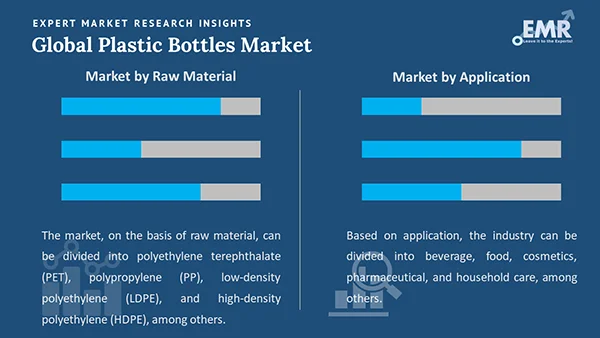
Key Insights: In terms of materials, plastic bottles market scope comprises polyethylene terephthalate (PET), polypropylene (PP), low-density polyethylene (LDPE), high-density polyethylene (HDPE), and Others. Each manufacturer modifies the resin to make it more compatible with the specific application. For example, Plastipak Holdings and Alpha Packaging are committed to producing PET bottles that are not only attractive for beverages but also easily recyclable. On the other hand, Bericap develops a variety of PP/HDPE closures for food and household care products that have a strong seal. Companies like Indorama Ventures made significant investments through research and development in recycled and bio-based PET, which has led to an increase in the availability of sustainable raw materials. As a result, this has a positive impact on material diversification and market expansion.
Market Breakup by Application
Key Insights: The plastic bottles market caters to consumers from different industries, including beverage, food, cosmetics, pharmaceutical, household care, and others, attracted by bottle innovations that meet their specific needs. Beverage companies make deals with converters such as ALPLA Group to produce lightweight, clear PET bottles. Meanwhile, the cosmetic sector gets high-end packaging from CKS Packaging. The pharmaceutical industry is into tamper-evident HDPE/PET bottles, whereas the household care industry resorts to strong LDPE bottles. Companies like zerooo that lead the cross-industry communication for recyclable and refillable packaging not only create a better image for consumers but also pave the way for more market expansion.
Market Breakup by Region
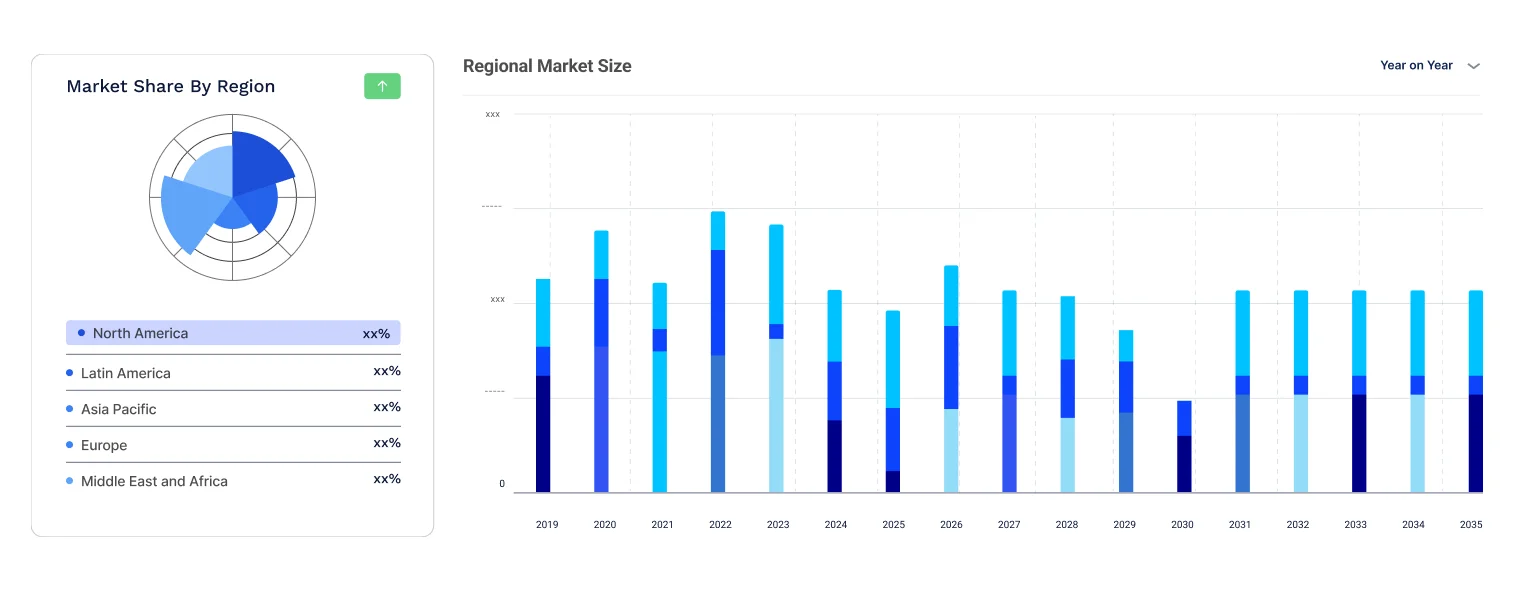
Key Insights: The plastic bottles market landscape includes North America, Europe, Asia Pacific, Latin America, and the Middle East & Africa. In the Asia Pacific region, Plastipak Holdings, a converter, is increasing its capacity to serve the rapidly growing beverage and personal care sectors. Two European companies, ALPLA Group and Bericap, have taken the lead in sustainability by introducing recyclable bottle systems and innovative closures, thus complying with strict regulations. Whereas players in the United States market are primarily geared towards securing advanced recycling collaborations with brands, investment opportunities in Latin America and MEA continue to lure fresh funds, all together leading to the speeding up of market growth.
Read more about this report - REQUEST FREE SAMPLE COPY IN PDF
By raw materials, Polyethylene Terephthalate (PET) witnesses high demand driven by accelerating circular economy adoption and chemical recycling advancements
The plastic bottles market is witnessing a surging demand for polyethylene terephthalate (PET), mainly driven by the growing trend in the circular economy. Most of the bottle manufacturers are opting for chemically recycled resin to satisfy their green targets. Advanced recycling can transform post-consumer PET to virgin-grade polymer while at the same time using less energy and water. For instance, in November 2024, Revalyu Resources commissioned its second PET recycling facility in Nashik, significantly expanding bottle-to-bottle capacity.
The high-performance HDPE solutions are gaining significant traction in the plastic bottles market, owing to their increasing use for household care and industrial lubricant packaging. Formulators want to use sustainable bottles that have strength & chemical resistance instructions. Producers are manufacturing recycled HDPE mixtures and further suitable resin grades to achieve performance and circularity. At the same time, they are lessening the need for virgin plastics. For instance, in August 2025, SABIC presented a new recycled, content HDPE solution precisely for lubricant bottles, thereby giving a push to the trend of eco-conscious packaging.
By applications, beverages show robust growth owing to accelerating rPET adoption and brand-led circular packaging initiatives
Food-grade recycled PET has been increasingly used in beverage packaging is driving the plastic bottles market as brands target circularity and the cutting of virgin plastic usage. Beverage companies are rapidly increasing the use of rPET packaging of various pack sizes, not only to comply with the regulations and sustainability goals but also to raise consumer awareness. For example, Coca-Cola India in October 2023 launched 100% rPET bottles for carbonated drinks, which were supported by the bottlers Moon Beverages Limited and SLMG Beverages Limited.
The cosmetic plastic bottles market is seeing a rapid growth phase as brands focus more on refillable formats and material reduction initiatives to achieve their carbon targets. This is a result of a sustainability-led, packaging-redesign-driven trend. Industry players are turning to innovative blow molding and refill systems to cut down on resin usage while still delivering products with good ergonomics and visual appeal. For instance, in June 2025, Shiseido publicly presented its refillable LiquiForm cosmetic containers, which not only cut down its plastic usage by about 56% but also reduced its CO2 emissions by nearly 48%. Thus, the company set a standard for environmentally friendly innovations in beauty packaging.
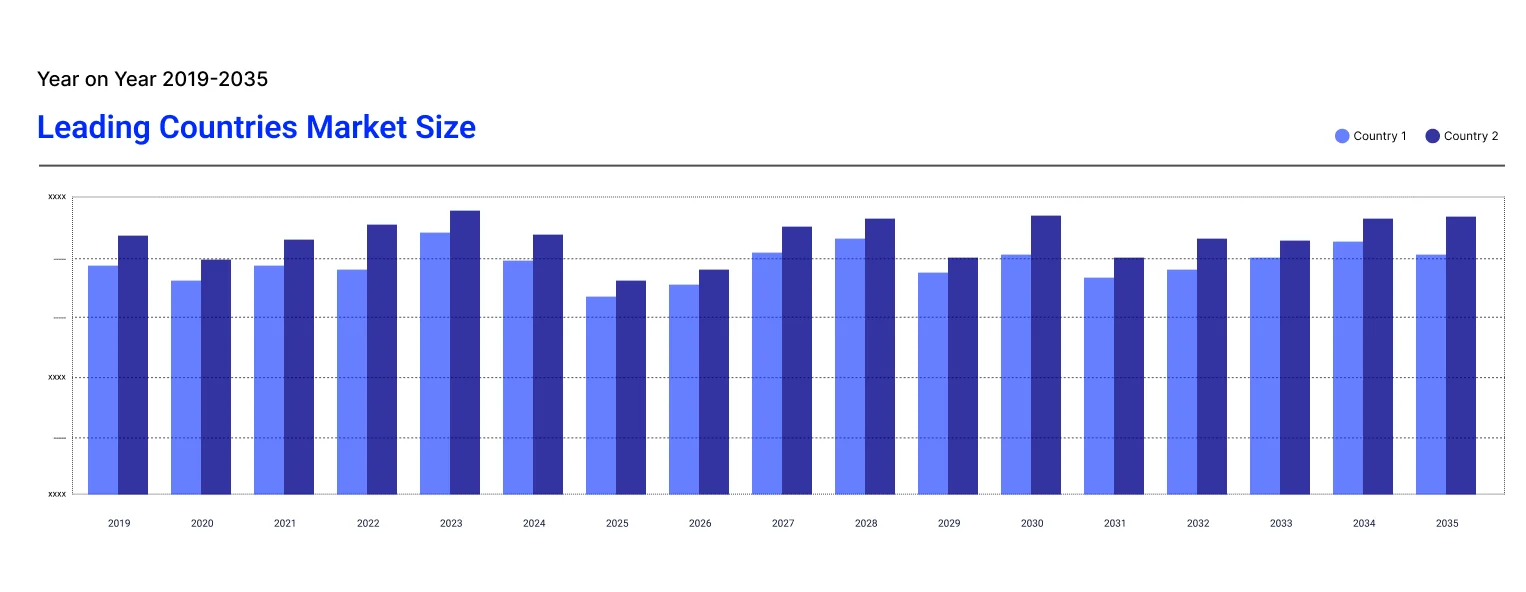
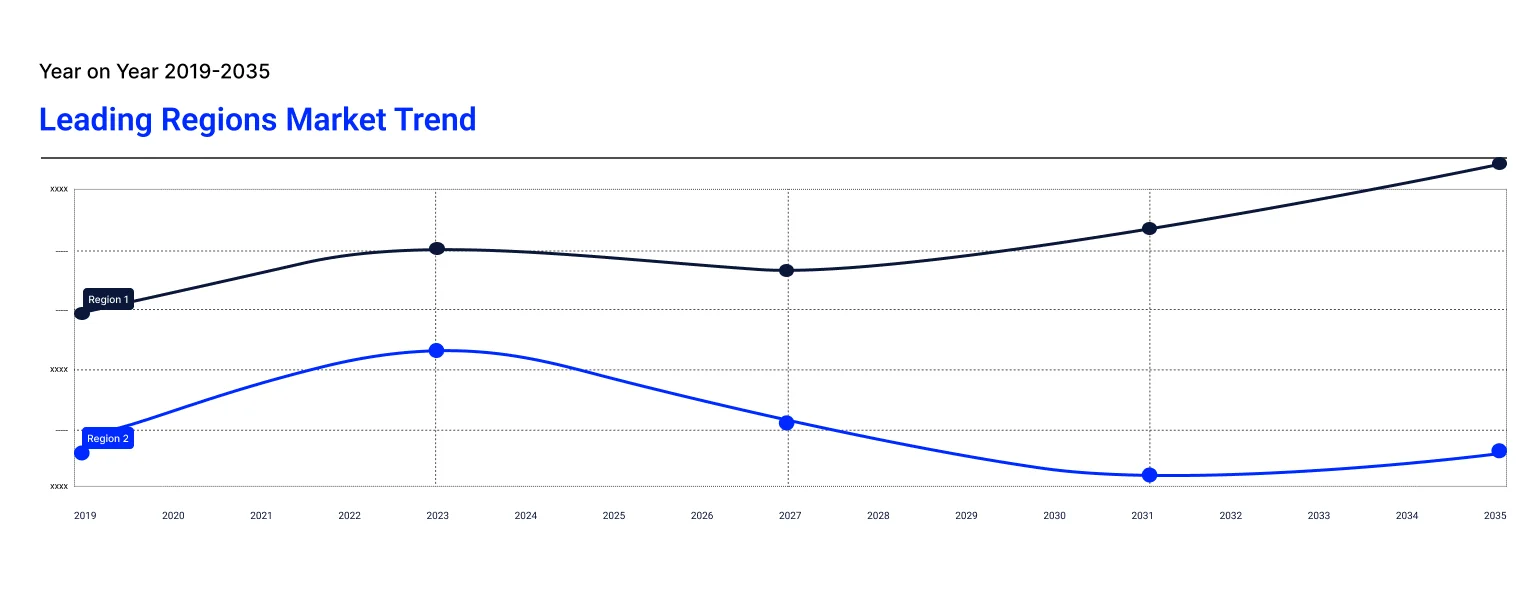
Read more about this report - REQUEST FREE SAMPLE COPY IN PDF
By Region, Asia Pacific leads the market growth, driven by localized rPET supply chains and corporate circularity initiatives
The Asia Pacific plastic bottles market is experiencing a rapid rise in the consumption of plastic bottles, which is due to the existence of local recycling ecosystems and brand-led sustainability commitments. To reduce dependency on imports, improve traceability, and meet the tightening waste regulations in major cities, beverage manufacturers are increasingly domestic rPET sourcing as a part of their strategy. For instance, in October 2025, Swire Coca-Cola, the bottling partner of Coca-Cola, started using locally recycled PET by New Life Plastics for all its 500 ml and 1.5 L bottles in Hong Kong, thus strengthening regional circularity and leading to sustainable bottle production.
North America contributes to the plastic bottles market revenue, being driven by the shifting consumer shift towards on-the-go consumption and brands experimenting with convenience-led packaging formats. Beverage brands have been continuously launching resealable, single-serve bottles not only to lure impulse buyers but also to increase their product availability in non-grocery retail channels. For example, in February 2025, the Kraft Heinz Company reintroduced the Capri Suns single, serve bottle after more than two decades, thus enabling Capri Sun to be stocked in convenience stores nationwide and meet the growing demand for portable juice options.
Top plastic bottles market players have been focusing on sustainability and the circular economy by using recycled materials, making production processes more efficient, and enhancing their supply chains. With these initiatives, they not only help the environment but also meet the expectations of consumers and the requirements of authorities. In addition to that, people behind brands are collaborating all the way through the value chain to develop new packaging solutions, promote recycling activities, and establish long-term sustainability frameworks that would increase their market credibility and competitive positioning.
To grab the growth opportunity, plastic bottles companies are channeling their investments into capacity expansions, the adoption of state-of-the-art manufacturing technologies, and product innovation. This refers to the design and development of lightweight and functional bottles, production lines with the flexibility to manage customized SKUs, as well as operations that are targeted at the regional level for the efficient servicing of the emerging markets. These types of approaches not only facilitate a quicker go-to-market and enhance operational flexibility but also give the manufacturers the opportunity to respond effectively to changes in consumers' tastes and preferences as well as the latest trends in the industry, thereby contributing to the global plastic bottles market growth trajectory.
Alpha Packaging was established in 1985, and its head office is located in St. Louis, MO, United States of America. The company is a supplier of medical plastic products, and its product portfolio includes a range of healthcare, personal care, and food industry products. It mostly concentrates on innovative designs and customer-focused solutions.
CKS Packaging is a company that was established in 1990, and its head office is in Warminster, Pennsylvania, United States of America. The company provides a full range of plastic packaging solutions, including bottles, jars, and caps. By putting a great emphasis on sustainability, product customization, and the efficiency of manufacturing practices, the company has become one of the most well-known names in the plastic bottles market.
Bericap is a local company in Bad Camberg, Germany, which was established back in 1866. It is a global leading supplier of closure solutions for plastic bottles, and it also develops new products, innovative designs, and highly efficient caps for the beverage, chemical, and personal care sectors.
Plastipak is a company that has been established since 1967 and is located in Detroit, Michigan, United States of America. The company produces PET bottles and containers for beverages, food, and household products, among other things, with a strong focus on sustainability and global operations.
*Please note that this is only a partial list; the complete list of key players is available in the full report. Additionally, the list of key players can be customized to better suit your needs.*
Other players in the market include Graham Packaging Company, among others.
Explore the latest trends shaping the Global Plastic Bottles Market 2026-2035 with our in-depth report. Gain strategic insights, future forecasts, and key market developments that can help you stay competitive. Download a free sample report or contact our team for customized consultation on global plastic bottles market trends 2026.


Upto 15% Off
USD
$2499 $2249
$3999 $3599
$4999 $4249
$5999 $5099


*While we strive to always give you current and accurate information, the numbers depicted on the website are indicative and may differ from the actual numbers in the main report. At Expert Market Research, we aim to bring you the latest insights and trends in the market. Using our analyses and forecasts, stakeholders can understand the market dynamics, navigate challenges, and capitalize on opportunities to make data-driven strategic decisions.*
In 2025, the global plastic bottles market reached an approximate value of USD 226.76 Billion.
The market is projected to grow at a CAGR of 6.30% between 2026 and 2035.
The market is estimated to witness a healthy growth in the forecast period of 2026-2035 to reach about USD 417.73 Billion by 2035.
Key strategies driving the market include increasing use of recycled PET, lightweight bottle design, capacity expansions in high-growth regions, development of reusable and refillable formats, investments in advanced recycling technologies, and partnerships across the value chain to strengthen circular economy models and improve supply chain efficiency.
The key trends of the market include innovations in plastic bottles, and growing importance of a circular economy.
The major regions in the market are North America, Latin America, the Middle East and Africa, Europe, and the Asia Pacific.
The various raw materials of plastic bottles in the market are polyethylene terephthalate (PET), polypropylene (PP), low-density polyethylene (LDPE), and high-density polyethylene (HDPE), among others.
The significant applications in the market are beverage, food, cosmetics, pharmaceutical, and household care, among others.
The key players in the market include Alpha Packaging, CKS Packaging Inc., Bericap GmbH & Co. KG, Plastipak Holdings Inc., and Graham Packaging Company, among others.
Market players face challenges such as fluctuating raw material prices, regulatory pressure on single-use plastics, limited availability of food-grade rPET, high capital requirements for recycling infrastructure, and rising competition from alternative packaging materials, alongside the need to balance sustainability goals with cost and performance expectations.
Explore our key highlights of the report and gain a concise overview of key findings, trends, and actionable insights that will empower your strategic decisions.
| REPORT FEATURES | DETAILS |
| Base Year | 2025 |
| Historical Period | 2019-2025 |
| Forecast Period | 2026-2035 |
| Scope of the Report |
Historical and Forecast Trends, Industry Drivers and Constraints, Historical and Forecast Market Analysis by Segment:
|
| Breakup by Raw Material |
|
| Breakup by Application |
|
| Breakup by Region |
|
| Market Dynamics |
|
| Competitive Landscape |
|
| Companies Covered |
|
| Report Price and Purchase Option | Explore our purchase options that are best suited to your resources and industry needs. |
| Delivery Format | Delivered as an attached PDF and Excel through email, with an option of receiving an editable PPT, according to the purchase option. |
Datasheet
One User
USD 2,499
USD 2,249
tax inclusive*
Single User License
One User
USD 3,999
USD 3,599
tax inclusive*
Five User License
Five User
USD 4,999
USD 4,249
tax inclusive*
Corporate License
Unlimited Users
USD 5,999
USD 5,099
tax inclusive*
*Please note that the prices mentioned below are starting prices for each bundle type. Kindly contact our team for further details.*
Flash Bundle
Small Business Bundle
Growth Bundle
Enterprise Bundle
*Please note that the prices mentioned below are starting prices for each bundle type. Kindly contact our team for further details.*
Flash Bundle
Number of Reports: 3
20%
tax inclusive*
Small Business Bundle
Number of Reports: 5
25%
tax inclusive*
Growth Bundle
Number of Reports: 8
30%
tax inclusive*
Enterprise Bundle
Number of Reports: 10
35%
tax inclusive*
How To Order

Select License Type
Choose the right license for your needs and access rights.

Click on ‘Buy Now’
Add the report to your cart with one click and proceed to register.

Select Mode of Payment
Choose a payment option for a secure checkout. You will be redirected accordingly.
Strategic Solutions for Informed Decision-Making
Gain insights to stay ahead and seize opportunities.

Get insights & trends for a competitive edge.

Track prices with detailed trend reports.

Analyse trade data for supply chain insights.

Leverage cost reports for smart savings

Enhance supply chain with partnerships.

Connect For More Information
Our expert team of analysts will offer full support and resolve any queries regarding the report, before and after the purchase.
Our expert team of analysts will offer full support and resolve any queries regarding the report, before and after the purchase.
We employ meticulous research methods, blending advanced analytics and expert insights to deliver accurate, actionable industry intelligence, staying ahead of competitors.
Our skilled analysts offer unparalleled competitive advantage with detailed insights on current and emerging markets, ensuring your strategic edge.
We offer an in-depth yet simplified presentation of industry insights and analysis to meet your specific requirements effectively.




