

Consumer Insights
Uncover trends and behaviors shaping consumer choices today
Procurement Insights
Optimize your sourcing strategy with key market data
Industry Stats
Stay ahead with the latest trends and market analysis.
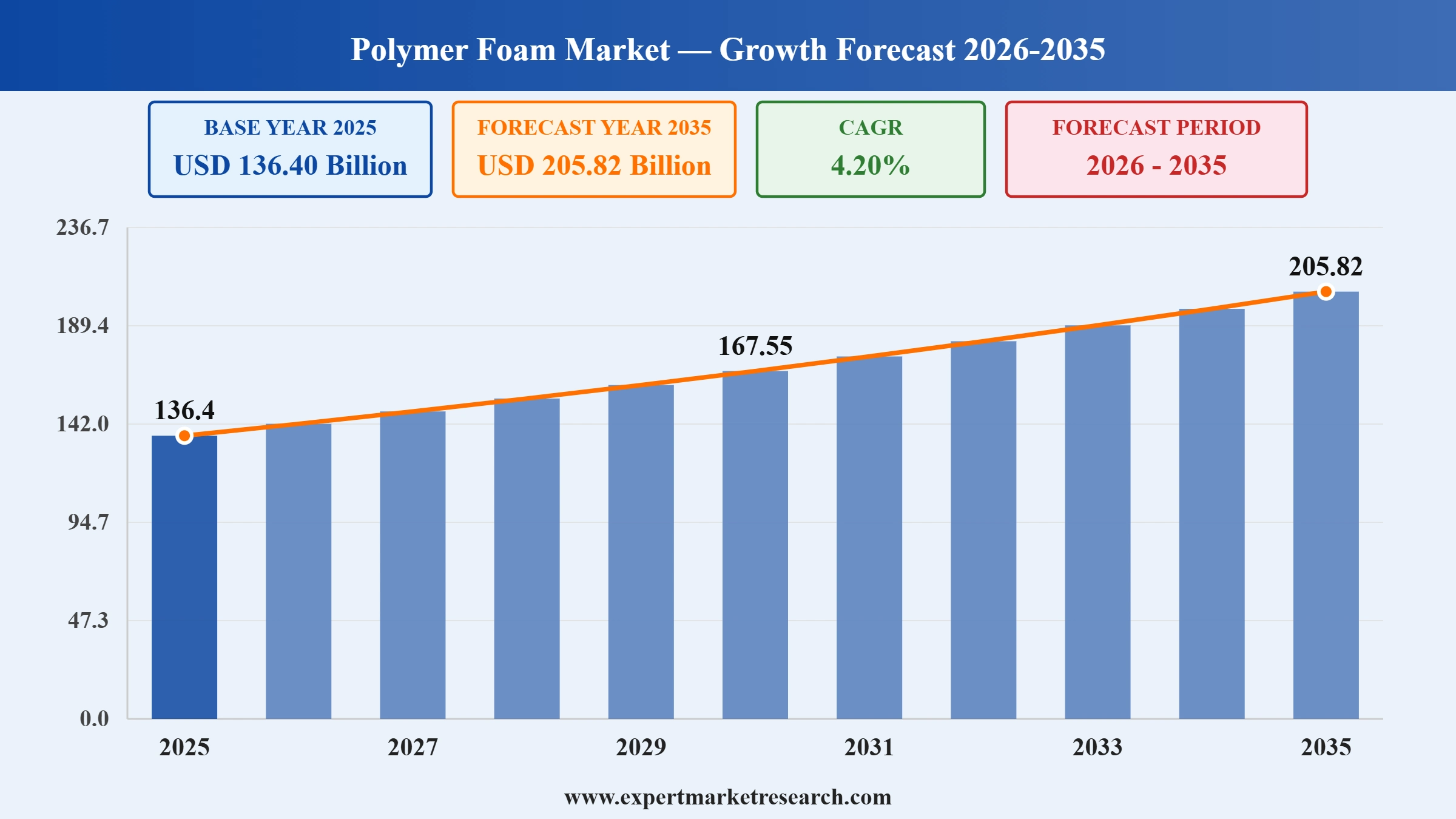
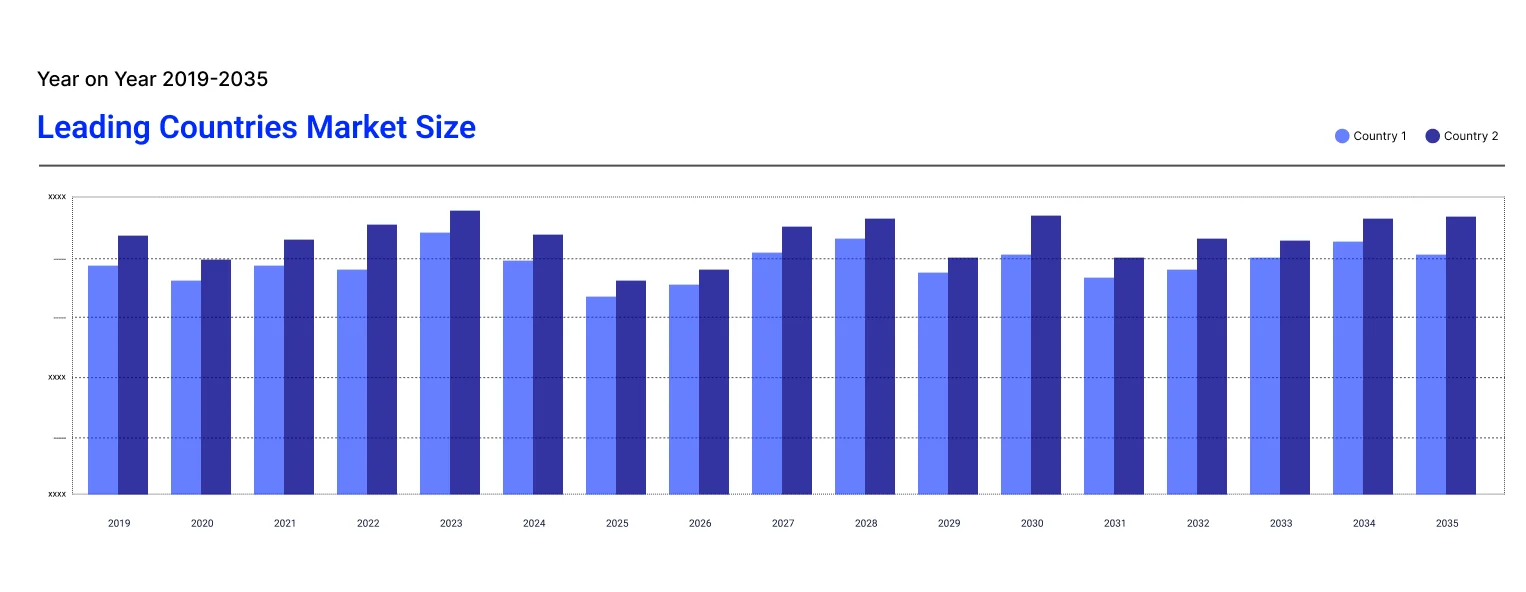
The global polymer foam market reached a value of USD 136.40 Billion in 2025. During the forecast period of between 2026 and 2035, the market is expected to grow at a CAGR of 4.20% to reach a value of around USD 205.82 Billion by 2035.
Read more about this report - REQUEST FREE SAMPLE COPY IN PDF
| Global Polymer Foam Market Report Summary | Description | Value |
| Base Year | USD Billion | 2025 |
| Historical period | USD Billion | 2019-2025 |
| Forecast Period | USD Billion | 2026-2035 |
| Market Size 2025 | USD Billion | 136.40 |
| Market Size 2035 | USD Billion | 205.82 |
| CAGR 2019-2025 | Percentage | XX% |
| CAGR 2026-2035 | Percentage | 4.20% |
| CAGR 2026-2035 - Market by Region | Asia Pacific | 5.7% |
| CAGR 2026-2035 - Market by Country | India | 6.2% |
| CAGR 2026-2035 - Market by Country | China | 6.0% |
| CAGR 2026-2035 - Market by Resin Type | Polyurethane Foam | 4.7% |
| CAGR 2026-2035 - Market by Application | Building and Construction | 4.7% |
| Market Share by Country 2025 | USA | 26.1% |
Polymer foam is a polymer matrix with a lot of small foam holes inside of it. When compared to bulkier polymer materials, polymer foam has several benefits, such as low density, effective sound insulation, good corrosion resistance, proficient heat insulation, and high specific strength. Polymer foam is one of the most widely used polymer materials and is important to the polymer industry. Thus, the growth of the polymer foam market is accelerated by these features of polymer foams.
Covestro expanded its TDI production capacity at its Shanghai site to 370,000 metric tonnes annually, representing a 20% capacity increase. TDI is an important raw material for flexible polyurethane foam, particularly in applications such as mattresses, furniture, and automotive seating. The expansion is intended to improve supply reliability for customers across Asia Pacific while optimising existing infrastructure. The development highlights continued investment in upstream polyurethane chemistry to support growing regional foam manufacturing requirements. It also strengthens the availability of critical feedstock for flexible foam producers, helping manufacturers maintain production continuity and respond more efficiently to demand across consumer, mobility, and industrial applications.
Covestro introduced its CQ-Configurator in January 2026, a digital tool designed to help manufacturers assess sustainability considerations during polyurethane foam development. The application supports both flexible and rigid polyurethane foam applications, ranging from mattresses to insulation panels, and translates raw-material information into product-level sustainability assessments. The development reflects the industry's shift towards incorporating environmental considerations earlier in material and product design rather than evaluating sustainability only after production. For polymer foam manufacturers, such digital tools can support more informed material selection, facilitate sustainability comparisons, and help customers develop foam solutions aligned with increasingly stringent environmental requirements.
BASF and Hannong Chemicals inaugurated a new non-ionic surfactants production facility in South Korea in March 2026, with trial operations beginning in January. The facility produces surfactants used across multiple industries, including the polymer and polyurethane foam stabilizer sector. Foam stabilizers are important in controlling cell formation and maintaining foam quality during polyurethane processing. The investment therefore strengthens the upstream supply base for foam additives while supporting manufacturers requiring consistent processing performance. The development also demonstrates continued investment in specialty chemical capacity serving polyurethane applications in Asia, an important manufacturing region for flexible and rigid polymer foam products, thereby accelerating the polymer foam market growth.
Dow and Adient introduced a next-generation polyurethane seating solution in August 2026 using SPECFLEX™ REN, incorporating renewable feedstock attribution through an ISCC PLUS-certified mass-balance approach. The development targets automotive seating applications and provides manufacturers with a route to incorporate renewable feedstocks while maintaining polyurethane foam functionality. The launch reflects increasing interest in lower-emissions materials for vehicle interiors as automakers and component suppliers pursue sustainability objectives across their supply chains. It also demonstrates how polymer foam producers are moving beyond conventional cushioning performance by developing formulations that address both lightweighting and environmental considerations in automotive seating and interior applications.
The manufacturers of polymer foam products are increasingly turning towards the use of bio-based feedstock materials in order to cut down on the use of feedstocks derived from fossil fuel sources, without compromising on their cushioning, insulation, and structural properties. The trend is especially evident in the case of polyurethane foam, where bio-based polyols made from sources such as vegetable oils, biomass, and renewable feedstock materials are being used. Such developments are encouraging foam producers to evaluate renewable content alongside conventional performance parameters. The trend is creating opportunities for suppliers of bio-based chemicals, sustainable additives, and formulation technologies as customers across furniture, construction, automotive, and consumer-goods industries seek lower-impact foam materials.
The automotive industry has increasingly been turning to lightweight polymer foams in their quest to make lighter vehicles without compromising on the comfort of the passengers and other functional aspects. This has become increasingly important for the industry in its efforts to achieve efficiency both in internal combustion and electric cars. Examples of foam products that can be used in such applications include PORON® and BISCO® foams by Rogers Corporation. Their ability to offer lightweight performance in compact parts makes them useful to vehicle manufacturers. The trend is encouraging foam producers to develop thinner, lighter, and more durable formulations that can withstand temperature fluctuations, compression, vibration, and increasingly complex vehicle architectures, thus boosting the growth of the polymer foam market.
Demand for polymer foam insulation is becoming more affected by increasingly stringent demands for building efficiencies, increased energy costs, and reduction in heating and cooling demands. There is development of rigid polyurethane, polyisocyanurate, and extruded polystyrene foams with better thermal resistance and moisture resistance for use in walls, roof, floor, and refrigeration insulation. The Kingspan QuadCore® insulation product shows such development in that it features advanced insulation properties with multiple uses on building envelopes. This trend has manufacturers working on bettering thermal conductivity, fire protection, dimensional stability, and longevity at once. Thus, foam manufacturers have been developing systems for better blowing agents, cell design, and composite systems allowing thin insulation without losing energy efficiency.
Foam packaging suppliers are increasingly considering the use of foams made from recycled polymers as brands and retail companies look for ways to minimize the use of virgin plastics and packaging. Expanded and extruded foam polymers continue to be useful as protective materials for electronic gadgets, home appliances, and medical devices due to their low weight and energy absorption properties. An example is the range of Ethafoam® polyethylene foams from Sealed Air, which shows continued innovation in foam packaging products. The increased push towards circularity has prompted packaging foam manufacturers to look at recycling processes, material recovery loops, and design that would allow reusability of materials.
Polymer foams are now being designed and developed for their use in specific healthcare applications that require controlled softness, pressure distribution, flexibility, and skin compatibility. This has opened up avenues for uses of polymer foams other than those in mattresses and seats. Examples of such healthcare products include those used in wound management, prosthetic devices, orthotic devices, medical positioners, and patient supports. Avery Dennison’s MED 6215, a medical-grade foam-based adhesive product, shows how polymer foam structure engineering can be used in specialized healthcare applications that require conformability and adhesion capabilities. It has become important for material manufacturers to design and develop foams with controlled density, breathability, cushioning, and biocompatibility properties, thereby shaping new trends in the polymer foam market.
It is anticipated that during the forecast period, the building and construction sector will dominate the end-users of polymer foam. One of the primary uses of polymer foams in the construction industry is in the insulation of building elements including doors, roofs, sealants, and the foundations of doors and windows. The rise in demand for insulated polymer foams in the building and construction sector is driving the polymer foam industry growth.
Read more about this report - REQUEST FREE SAMPLE COPY IN PDF
Polymer Foam Finds Wide Applications In The Construction And Automotive Industries.
The construction sector growth is directly related to the polymer foam industry.
France's construction sector rose from 5.5% of GDP in 2022 to 5.6% of GDP in 2023, indicative of modest growth. The construction contribution from Germany increased to 6.2% in 2023 from 5.7% in 2022, displaying strong construction output growth. There was growth also in Greece, where the industry's contribution moved up from 1.9% to 2.1%, though it remains very low as compared to other European states. The Italian construction sector, on the other hand, decreased marginally to 5.3% from 5.4%. The construction contribution from the Netherlands remained constant at 5% in each of the two years. This was a learning from Brexit with a 6.2% contribution made by the United Kingdom in 2022.
For automobiles, innovation in polymer foam serves as the safeguard covering all the exterior and interior automobile parts. As per the 2023, report of the International Organization of Motor Vehicle Manufacturers (OICA), the global market leader remains the same, and the production number of vehicles has rocketed past 30 million, where it is seen to have made approximately 26 million cars and 4 million commercial vehicles, thereby up surging by 12%. The United States comes second with a significantly large output of more than 10.6 million vehicles, driven mainly by a solid commercial vehicle sector that produces almost 8.9 million units posting a 6% growth. Japan was also another key contender with approximately 9 million vehicles produced, of which 7.8 million were cars and almost near a 4% growth. Such factors are becoming the new trend of the polymer foam market.
One of the largest players in the automotive industry, Germany, manufactured more than 4.1 million vehicles, showing growth in production of 18%, largely in cars. Total production reported by South Korea was around 4.2 million vehicles, growing at 13%, driven by the making of around 3.9 million cars. The performance in the automotive sector of Mexico fared well and crossed over 4 million, including over 3 million commercial vehicles, estimating a rise of 14%.
Among others noticeable are Brazil, the state manufactured 2 324 951 vehicles, but the output decreased by 2%, and India which grew by 7% to the discharge of 5 810 213 vehicles. The United Kingdom and France achieved growth in vehicle production by 17% and 9%.
“Global Polymer Foam Market Report and Forecast 2026-2035” offers a detailed analysis of the market based on the following segments:
Based on foam type, the market is divided into:
The market on the basis of resin type can be segmented into:
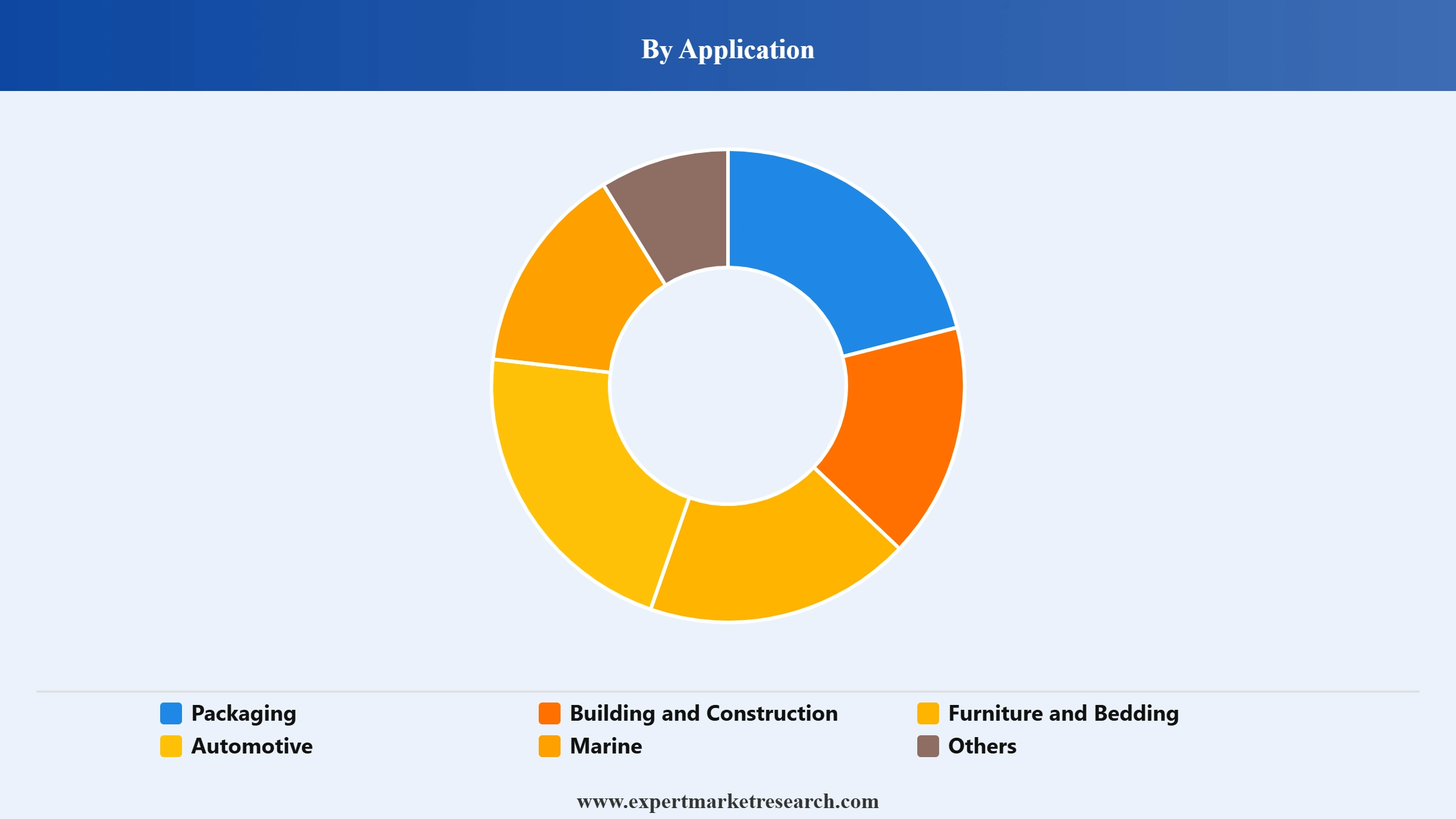
On the basis of application, the market can be segmented into:
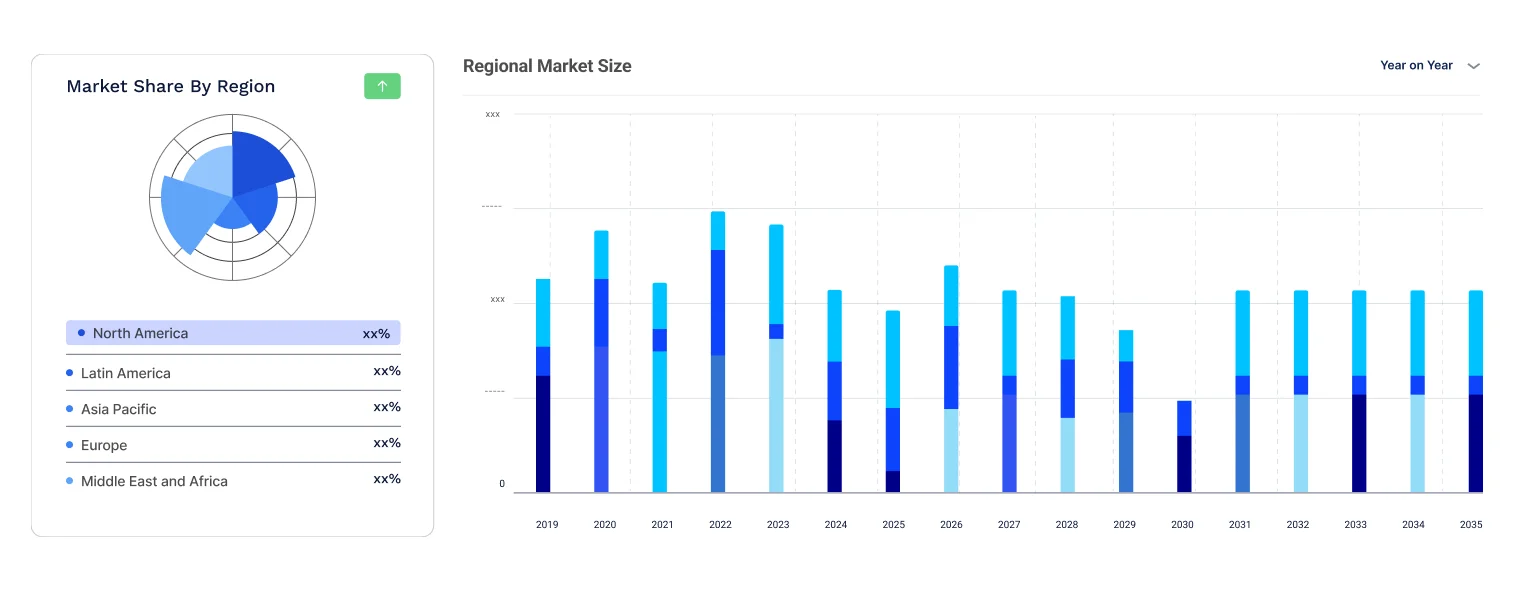
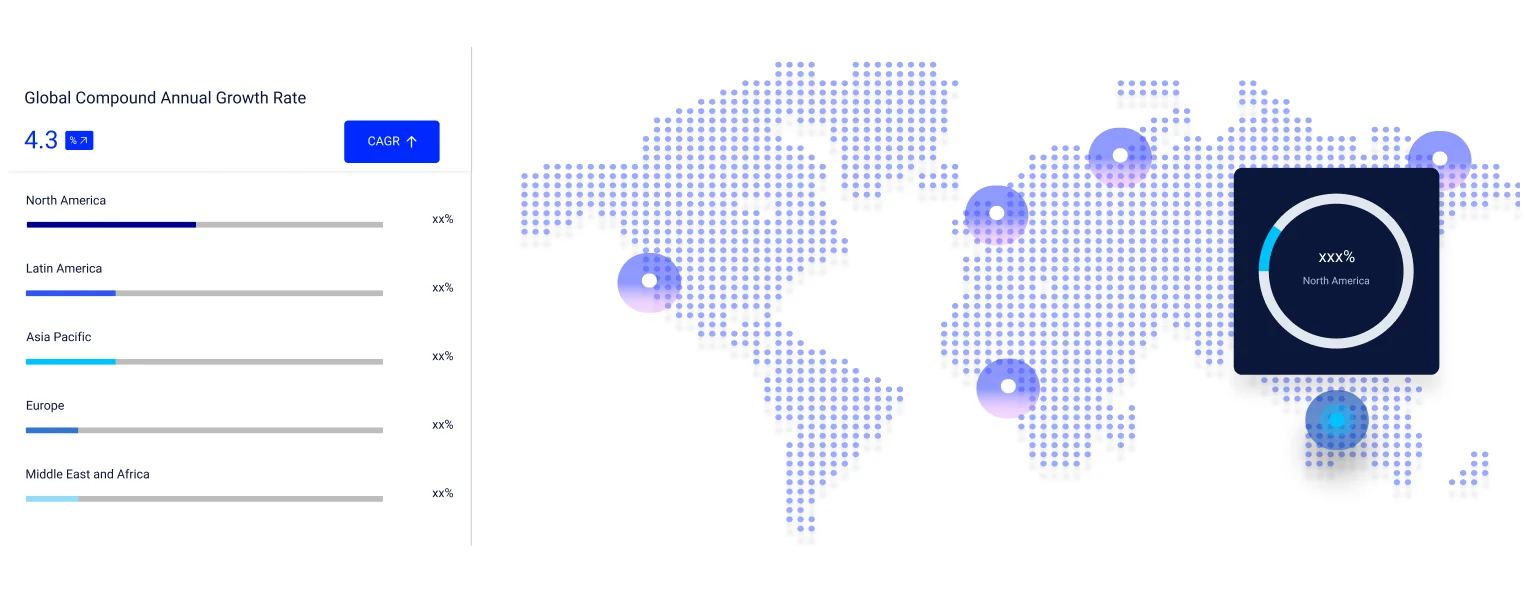
The regional markets for polymer foam can be divided into:
Read more about this report - REQUEST FREE SAMPLE COPY IN PDF
Polyurethane Foam Segment To Gain Traction Owing To Its High Impact Resistance
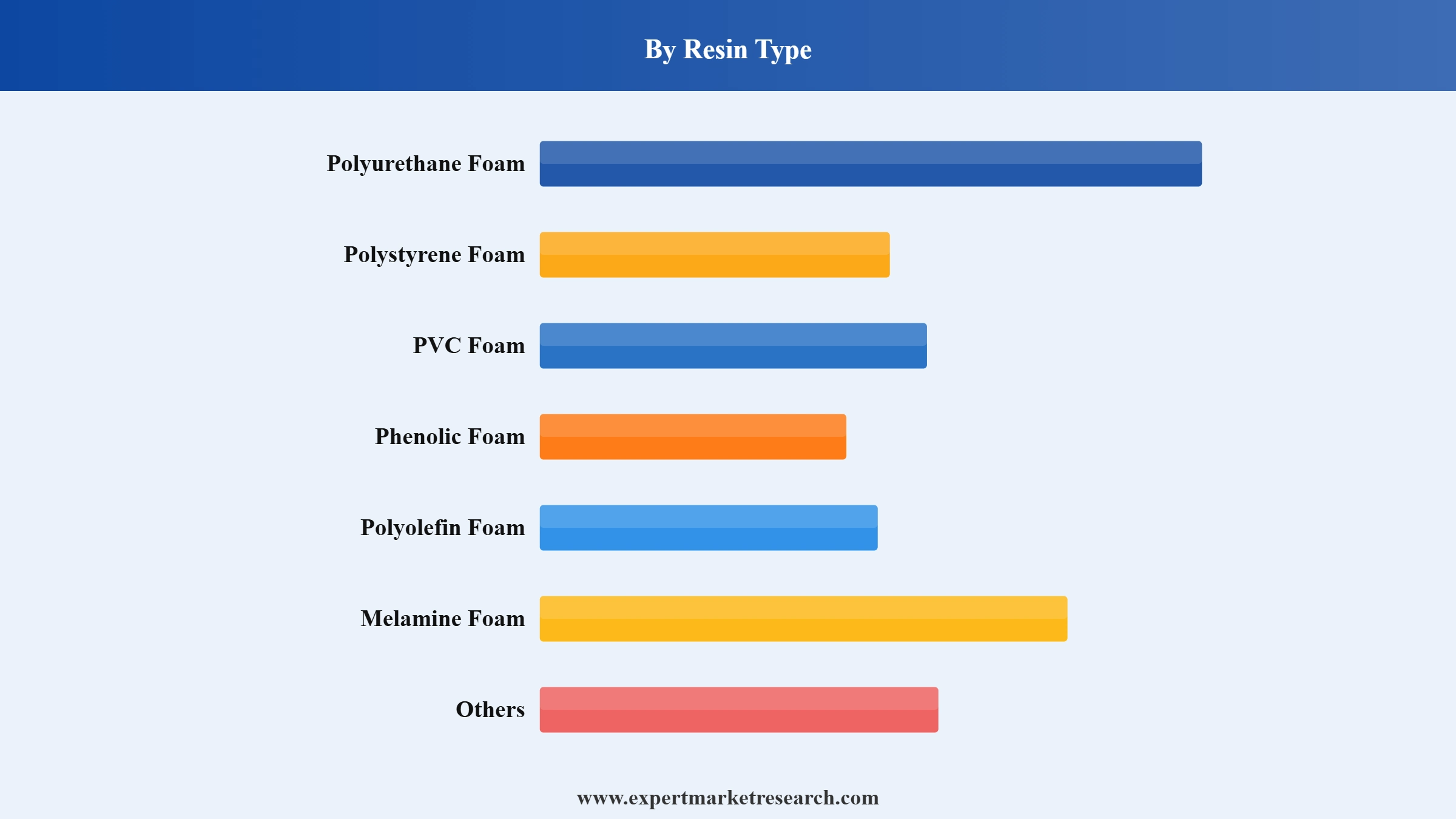
As per polymer foam market analysis, during the forecast period, the polyurethane foam segment is predicted to dominate the polymer foam market. Numerous products, including carpets, furniture, and cushions, use this kind of foam. High impact resistance and strong load bearing capacity of polyurethane foams are qualities that are likely to increase their use in the building sector.
Read more about this report - REQUEST FREE SAMPLE COPY IN PDF
Polystyrene foam, on the other hand, is anticipated to experience significant increase over the course of the forecast period. Polystyrene foam is employed in a variety of settings, such as carpets, pillows, and furniture. Due to its exceptional qualities, including its lightweight, low heat and sound transmission, high energy dissipation, and insulation, it has a large customer base.
As it has high strength to weight ratios, expanded polystyrene foam, one of the lightest materials, is used in packing, which lowers fuel consumption and shipping costs. It is also utilised in rail applications, such as building rail embankments and extending train station platforms.
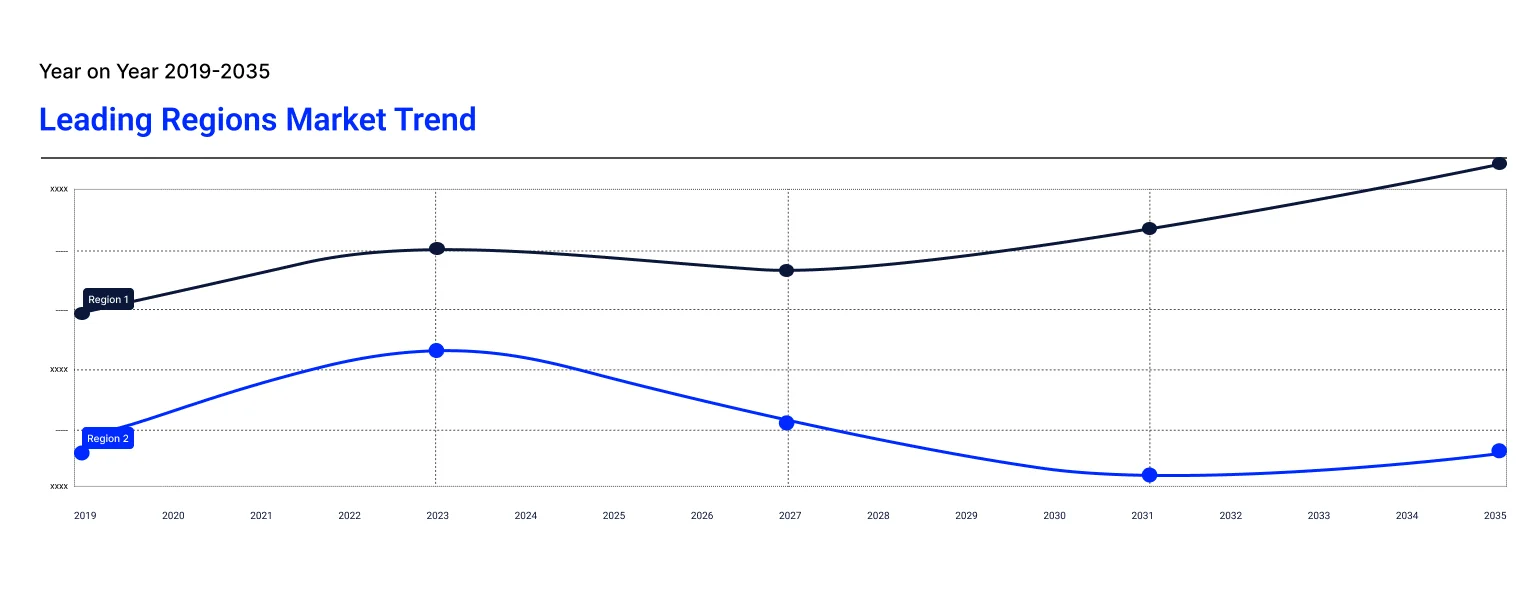
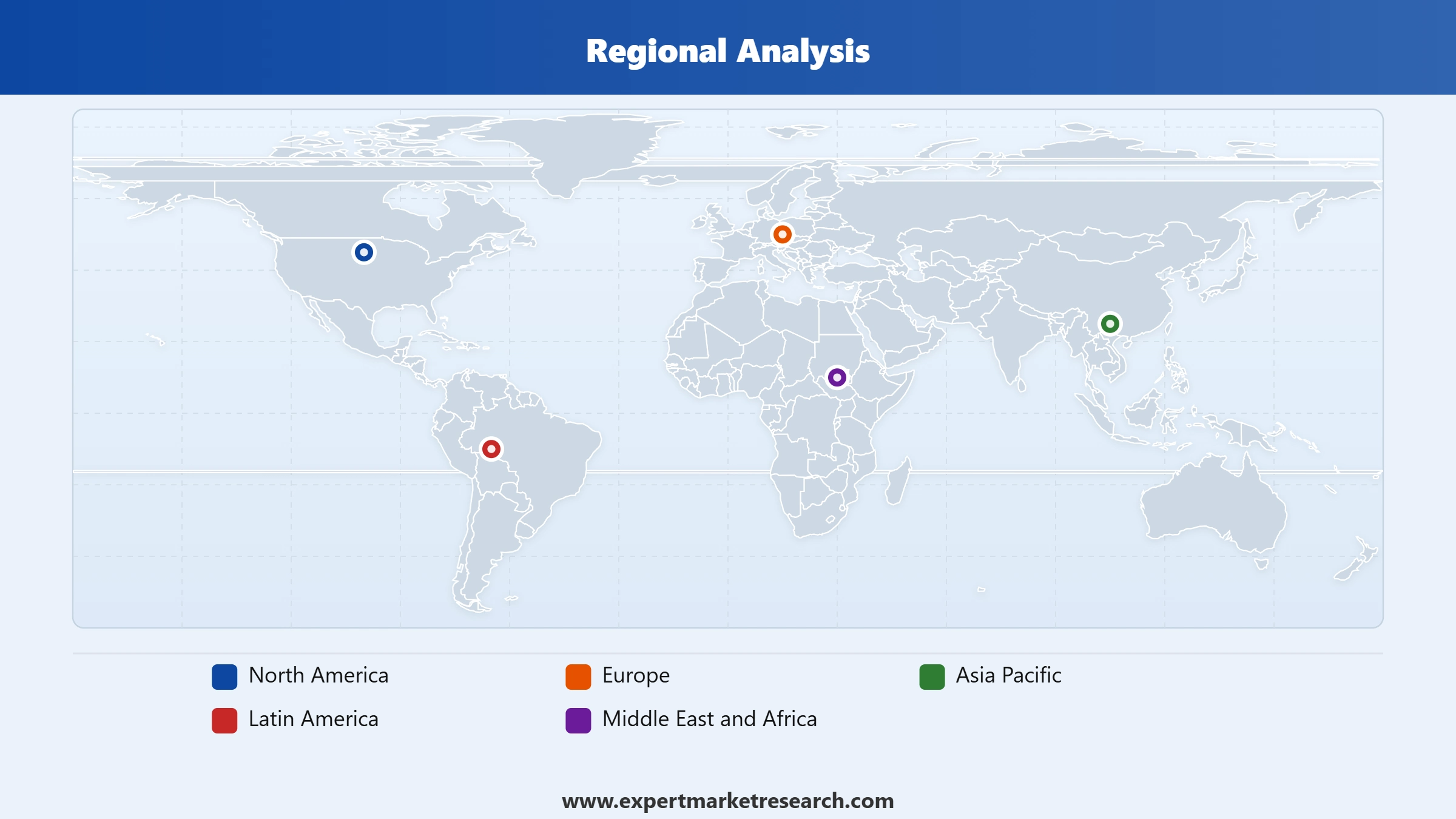
The polymer foam market in Asia Pacific is anticipated to be the dominant regional market throughout the forecast period. The rise of the regional market is anticipated to be the outcome of a strong outlook for the manufacturing sector, growing emphasis on research and development, as well as favourable initiatives by governments in the region to attract investments.
Over the forecast period, it is anticipated that rapid industrialisation, increased manufacture of automotive parts and interiors, and the packaging sector in rising economies like China and India will increase the demand for the polymer foam in Asia Pacific.
Read more about this report - REQUEST FREE SAMPLE COPY IN PDF
As per polymer foam industry analysis, construction is one of the industries that frequently uses polyolefin foams. In the building and construction and aerospace industries, these foams are being received positively. As emerging countries in the Asia Pacific region experience rapid expansion in infrastructure creation and construction activities, the market growth for polymer foam is expected to surge in this region.
Key players in the polymer foam market are providing fuel to innovation through the development of new and advanced materials and technologies. They enhance the performance and application of products in various industries, targeting efficiency, sustainability, and changing market demand.
Armacell International S.A. manufactures lightweight, foam-based, flexible insulation products suitable for industrial, automotive, and construction industries. Established in 1994 and based in Luxembourg, the company provides innovative solutions for thermal, acoustic, and mechanical insulation applications.
Covestro AG was established in 2015 and has its headquarters in Leverkusen, Germany. It is a world leader in the production of advanced polymers and innovative materials. The range of its products consists of polyurethanes, polycarbonates, coatings, adhesives, and thermoplastic polyurethane elastomers, servicing cutting-edge polymer solutions for application in different sectors.
With 1865 as the year of establishment and headquartered in Ludwigshafen, Germany, BASF SE is one of the largest chemical companies with a well-diversified product portfolio. The product portfolio includes chemicals, polymers, performance goods, and crop protection products used within the construction, automotive, and electronics industries.
*Please note that this is only a partial list; the complete list of key players is available in the full report. Additionally, the list of key players can be customized to better suit your needs.*
Other market players include Arkema S.A. and Borealis AG, among others.


Upto 15% Off
USD
$2499 $2249
$3999 $3599
$4999 $4249
$5999 $5099


*While we strive to always give you current and accurate information, the numbers depicted on the website are indicative and may differ from the actual numbers in the main report. At Expert Market Research, we aim to bring you the latest insights and trends in the market. Using our analyses and forecasts, stakeholders can understand the market dynamics, navigate challenges, and capitalize on opportunities to make data-driven strategic decisions.*
In 2025, the market attained a value of nearly USD 136.40 Billion.
The polymer foam market is projected to grow at a CAGR of 4.20% between 2026 and 2035.
The market is estimated to witness a healthy growth in the forecast period of 2026-2035 to reach USD 205.82 Billion by 2035.
The major drivers of the market include the expanding building and construction industry, favourable initiatives by various governments, rapid industrialisation, rising production of automobile interiors and parts, and increasing foreign direct investment.
Growing applications in various industries, such as packaging, furniture and bedding, and rising demand for bio-based polyols are the key industry trends propelling the growth of the market.
The major players in the industry are Armacell International S.A., Covestro AG, BASF SE, Arkema S.A., and Borealis AG, among others.
Some polymer foams have a very low heat transfer rate, which makes them excellent insulators.
Polyethylene foam has excellent resilience, recovering its original shape after compression, and can be used for years without deteriorating.
Polymer insulators are frequently used as components to separate electricity in protective equipment for humans or in electrical circuits in the electrical and electronics industries.
Since polyethylene is a thermoplastic resin, products fabricated from it can be recycled, melted down, and given a new shape. On the other hand, polyurethane is a thermoset resin, which means that it is made of two parts that together form a chemical chain, reducing its ability for reuse.
Explore our key highlights of the report and gain a concise overview of key findings, trends, and actionable insights that will empower your strategic decisions.
| REPORT FEATURES | DETAILS |
| Base Year | 2025 |
| Historical Period | 2019-2025 |
| Forecast Period | 2026-2035 |
| Scope of the Report |
Historical and Forecast Trends, Industry Drivers and Constraints, Historical and Forecast Market Analysis by Segment:
|
| Breakup by Foam Type |
|
| Breakup by Resin Type |
|
| Breakup by Application |
|
| Breakup by Region |
|
| Market Dynamics |
|
| Competitive Landscape |
|
| Companies Covered |
|
Datasheet
One User
USD 2,499
USD 2,249
tax inclusive*
Single User License
One User
USD 3,999
USD 3,599
tax inclusive*
Five User License
Five User
USD 4,999
USD 4,249
tax inclusive*
Corporate License
Unlimited Users
USD 5,999
USD 5,099
tax inclusive*
*Please note that the prices mentioned below are starting prices for each bundle type. Kindly contact our team for further details.*
Flash Bundle
Small Business Bundle
Growth Bundle
Enterprise Bundle
*Please note that the prices mentioned below are starting prices for each bundle type. Kindly contact our team for further details.*
Flash Bundle
Number of Reports: 3
20%
tax inclusive*
Small Business Bundle
Number of Reports: 5
25%
tax inclusive*
Growth Bundle
Number of Reports: 8
30%
tax inclusive*
Enterprise Bundle
Number of Reports: 10
35%
tax inclusive*
How To Order

Select License Type
Choose the right license for your needs and access rights.

Click on ‘Buy Now’
Add the report to your cart with one click and proceed to register.

Select Mode of Payment
Choose a payment option for a secure checkout. You will be redirected accordingly.
Strategic Solutions for Informed Decision-Making
Gain insights to stay ahead and seize opportunities.

Get insights & trends for a competitive edge.

Track prices with detailed trend reports.

Analyse trade data for supply chain insights.

Leverage cost reports for smart savings

Enhance supply chain with partnerships.

Connect For More Information
Our expert team of analysts will offer full support and resolve any queries regarding the report, before and after the purchase.
Our expert team of analysts will offer full support and resolve any queries regarding the report, before and after the purchase.
We employ meticulous research methods, blending advanced analytics and expert insights to deliver accurate, actionable industry intelligence, staying ahead of competitors.
Our skilled analysts offer unparalleled competitive advantage with detailed insights on current and emerging markets, ensuring your strategic edge.
We offer an in-depth yet simplified presentation of industry insights and analysis to meet your specific requirements effectively.




