

Consumer Insights
Uncover trends and behaviors shaping consumer choices today
Procurement Insights
Optimize your sourcing strategy with key market data
Industry Stats
Stay ahead with the latest trends and market analysis.
The global radar detector market attained a value of USD 402.59 Billion in 2025. The market is further expected to grow in the forecast period of 2026-2035 at a CAGR of 4.20% to reach USD 607.49 Billion by 2035. Radar detectors are electronic devices used to sense the electromagnetic signals emitted by police speed-measurement radar and laser systems, giving drivers advance warning of active enforcement. The market sits at the intersection of automotive aftermarket electronics, road safety technology, and consumer vehicle security, and it continues to benefit from steady growth in passenger-vehicle registrations, the proliferation of traffic enforcement infrastructure, and the rising expectation that in-cabin devices should be intelligent, connected, and continuously updateable.
Demand is further reinforced by three compounding factors. First, the shift toward digital-signal-processing (DSP) detectors has materially improved sensitivity and false-alert filtering, pulling upgrade purchases from long-tenured analog owners. Second, the integration of GPS, cloud-updated speed-camera databases, and smartphone connectivity has moved the product from a single-function device to a full driver-intelligence platform. Third, the expansion of automated speed enforcement (fixed and average-speed cameras) in North America, Europe, and parts of Asia has enlarged the total addressable problem that radar detectors solve.
On the supply side, product development is converging around three priorities: broader multi-band coverage (X, K, Ka, and Ku), on-device machine learning to suppress non-police radar emissions from vehicle adaptive cruise control and blind-spot systems, and over-the-air (OTA) firmware updates. These engineering shifts, coupled with stable double-digit consumer adoption in the United States and growing awareness in the Asia Pacific, are expected to underpin the forecast growth trajectory through 2035.
Compound Annual Growth Rate
4.2%
Value in USD Billion
2026-2035
Get a sample of the market report in PDF – REQUEST A FREE SAMPLE
A radar detector is a passive electronic receiver that scans the radio-frequency spectrum for signals emitted by police traffic-enforcement radar, laser speed guns (LIDAR), and, in newer models, speed-camera transmissions stored in cloud databases. When the device identifies a frequency associated with enforcement equipment, it alerts the driver through an audible tone, visual readout, and directional indicator, allowing a timely adjustment in speed.
Operationally, most modern radar detectors rely on a superheterodyne receiver paired with a digital signal processor. The receiver sweeps designated frequency bands continuously, while the DSP separates genuine enforcement signals from noise generated by other in-vehicle electronics such as adaptive cruise control radar, blind-spot monitoring, and collision-avoidance systems. Higher-end devices also use GPS to filter out stationary false sources (for example, automatic-door radars at storefronts) and to overlay fixed-camera location data.
Core functional components include the antenna array, the mixer and local oscillator (which shift the received signal to an intermediate frequency), the DSP, a driver-facing display and speaker, and, increasingly, a Bluetooth or Wi-Fi module for mobile-app integration and cloud updates. Form factor varies by vehicle-installation preference windshield-mounted cordless units, hardwired corded units, and concealed remote-mount units which is the basis of the primary product-type segmentation used throughout this report.
The global radar detector market is evolving rapidly, driven by AI-powered alert systems, GPS integration, and connected vehicle technology. The developments below highlight the most significant shifts shaping the industry across key global markets.
Escort Radar launched an upgraded detection platform featuring enhanced AI-based false alert filtering, real-time cloud connectivity, and improved Ka-band sensitivity. The system automatically updates enforcement zone databases over-the-air, ensuring drivers receive accurate, real-time alerts across North American highways.
A leading European aftermarket electronics brand introduced a radar detector with direct vehicle CAN-bus integration, allowing seamless connectivity with the car's onboard display system. The product is firmware-compliant across the United Kingdom, Germany, and Benelux markets.
A premium aftermarket manufacturer expanded its invisible remote-mount radar detector range across Japan and South Korea, featuring a concealed antenna, rear sensor, and silent smartphone alert companion app targeting luxury vehicle owners.
A regional distributor in Brazil and Mexico partnered with a traffic intelligence platform, adding over 50,000 verified enforcement zone coordinates across Latin American highway networks, improving real-world GPS detector effectiveness significantly.
GPS integration has become a standard expectation across all price tiers. Detectors now offer precise enforcement zone alerts, red-light camera warnings, and speed limit overlays critical as law enforcement agencies globally shift toward automated camera enforcement infrastructure.
AI and machine learning are redefining false alert management by distinguishing genuine enforcement radar from interference generated by collision avoidance systems, adaptive cruise control, and automated parking sensors directly improving consumer satisfaction and brand loyalty.
Cloud connectivity has transformed radar detectors into networked intelligence platforms. Systems continuously update from manufacturer databases and crowd-sourced driver contributions, creating a dynamic data layer that improves detection capability across all geographies.
Bluetooth and Wi-Fi companion apps now migrate the primary alert interface onto the driver's smartphone, while crowd-sourced alert sharing allows users to contribute real-time enforcement sightings creating a compounding network effect that strengthens platform value as user communities grow.
Read more about this report – REQUEST FREE SAMPLE COPY IN PDF
Based on type, the cordless segment is projected to account for a substantial share of the global radar detector industry, as cordless radar detectors are portable, easy to operate, and convenient to use in various types of vehicles. Another advantage of adopting cordless radar detectors is their long-range protection against radar and laser speed guns and less power consumption.
Furthermore, the demand for these detectors is being spurred by the need to reduce the number of accidents, as well as the convenience with which drivers can avoid exceeding their vehicle's speed limit. Moreover, many manufacturers are investing in R&D activities to reduce size and cost and increase the functionality and reliability of cordless radar detectors. Therefore, these benefits are expected to bolster the growth of the segment.
Within the cordless category, product differentiation is now driven less by raw detection sensitivity which has largely converged at the premium tier and more by three software-layer capabilities. The first is intelligent false-alert suppression, which uses a mix of frequency analysis and location lockouts to silence signals from known non-enforcement sources. The second is cloud-synced speed-camera and enforcement-zone databases, which extend the device’s usefulness into geographies where real-time radar emission is minimal but automated enforcement is heavy. The third is smartphone pairing, which moves the primary user interface onto a familiar device and enables crowd-sourced alert sharing.
Corded units remain the preferred option for long-distance commuters and commercial drivers who value permanent power delivery and larger dashboard-integrated displays. Remote-mount systems, which are invisible from outside the vehicle, retain a concentrated niche among premium-vehicle buyers concerned about both theft deterrence and visual cabin cleanliness. Across all three form factors, resale value, firmware update frequency, and manufacturer service support are emerging as the under-reported purchase drivers that distinguish category leaders from commoditized entrants.
A radar detector is an electrical device that motorists use to identify whether their speed is being tracked by police or law enforcement using a radar gun. Most radar detectors are employed so that the driver can slow down before being penalised for speeding. The detectors are simple to install and use. In many instances, a radar detector equipped with a laser shifter can offer safety. Some detectors use GPS, which eliminates false alarms.
Market Breakup by Type
Market Breakup by Wavelength
Market Breakup by Region
Digital signal processing and AI-based filtering: The defining product-generation shift over the forecast period is the move from analog and first-generation digital detection toward machine-learning-assisted signal classification. These models are trained on large datasets of genuine police emissions versus in-vehicle radar noise and can meaningfully reduce false-positive alerts historically the single biggest source of user dissatisfaction and eventual device disuse.
GPS integration and enforcement-zone intelligence: GPS-enabled detectors can overlay real-time device alerts onto a database of known red-light cameras, fixed speed cameras, and average-speed enforcement zones. This converts the product from a pure signal detector into a full enforcement-awareness device, materially expanding its usefulness in geographies where automated enforcement is displacing officer-operated radar.
Smartphone connectivity and crowd-sourced alerts: Bluetooth pairing enables a mobile app interface, OTA firmware updates, and, most valuably, crowd-sourced alert sharing that lets each user benefit from real-time reports submitted by others on the same road segment.
Laser detection and jammer-compatible platforms: As LIDAR-based speed measurement has proliferated, detector platforms with laser-shifter compatibility have moved from a specialty tier to a mainstream expectation. Regulatory status of laser jammers varies by jurisdiction and is a key product-planning consideration.
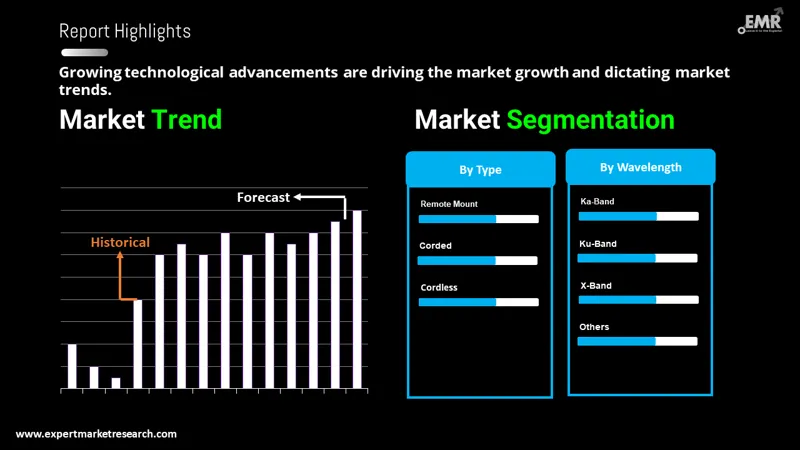
Access Detailed Forecasts & Data-Driven Insights – Download Free PDF
Geographically, North America accounts for a significant share in the industry and is expected to continue to do so during the forecast period. Due to the increased prevalence of accidents as well as to avoid licence suspension and penalty, the region's market is expected to expand. Furthermore, North American law enforcement agencies use three radar frequencies: K-band, which runs between 24.05 and 24.25 GHz, X-band, which operates between 10.5 and 10.55 GHz, and Ka-band, which operates between 33.4 and 36 GHz. Meanwhile, the favourable government initiatives in Asian countries like China and India are expected to drive the demand for radar detectors in the forecast period. Thus, the positive GDP estimates, coupled with government attempts to improve vehicle safety and security, are expected to drive the growth of the market in the Asia Pacific.
The European radar detector market is shaped more by regulatory asymmetry than by any single demand driver. Ownership and active use are permitted in several member states and explicitly prohibited in others, which forces a product strategy built around region-locked firmware and discrete form factors. The United Kingdom and Germany together account for a disproportionate share of unit sales, supported by high per-capita vehicle ownership and a mature premium-automotive aftermarket. Italy, France, and the Benelux markets remain structurally smaller because of stricter enforcement of detector-use penalties.
The region is the fastest-growing block in volume terms, anchored by China, India, and the ASEAN economies. Middle-class expansion, rising private-vehicle ownership, and the simultaneous rollout of speed-enforcement camera networks have created a demand structure similar to that of the United States two decades earlier. Japan and South Korea behave differently here, radar detector demand is tied more closely to premium-vehicle customization culture than to enforcement avoidance.
Demand is concentrated in Gulf Cooperation Council markets where long-distance highway driving, high per-capita vehicle ownership, and active speed enforcement converge. Saudi Arabia and the United Arab Emirates dominate regional value, while the broader African market remains early-stage with limited formal distribution.
Brazil and Mexico together account for the majority of regional volume. The market is price-sensitive, with the greatest unit momentum in the mid-tier cordless segment. E-commerce distribution has expanded the effective addressable market materially over the last five years.
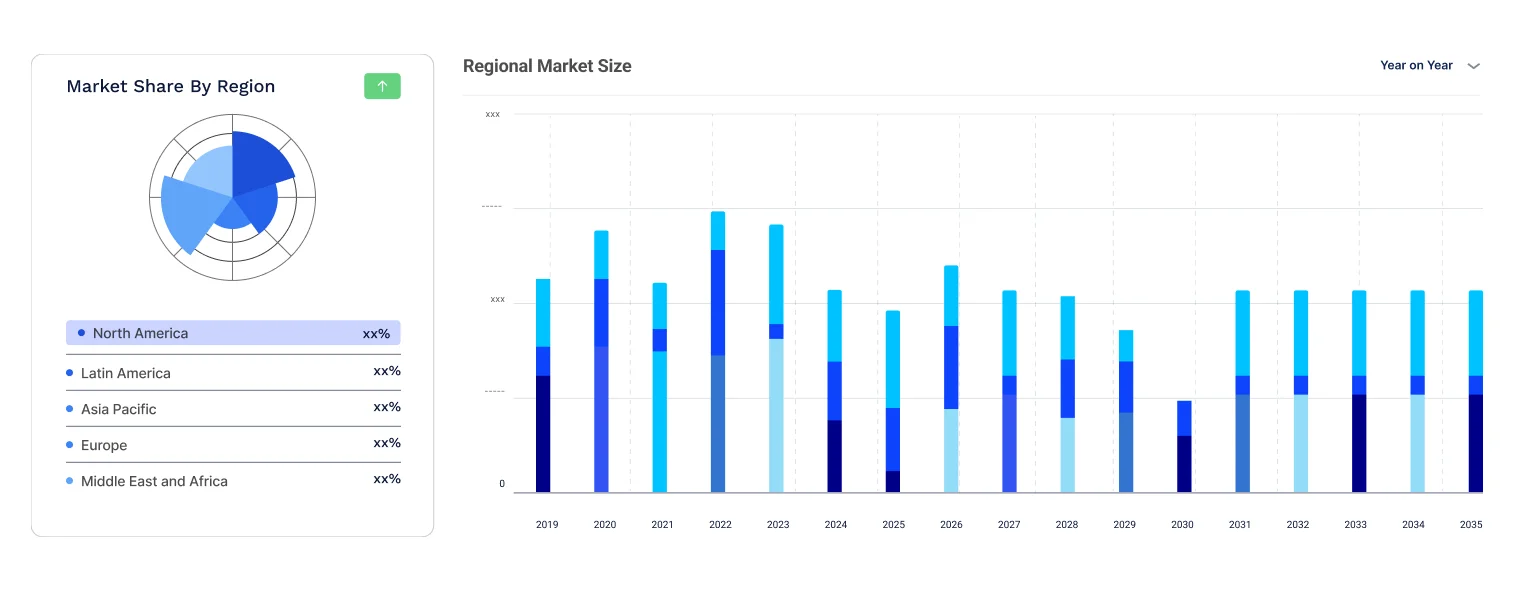
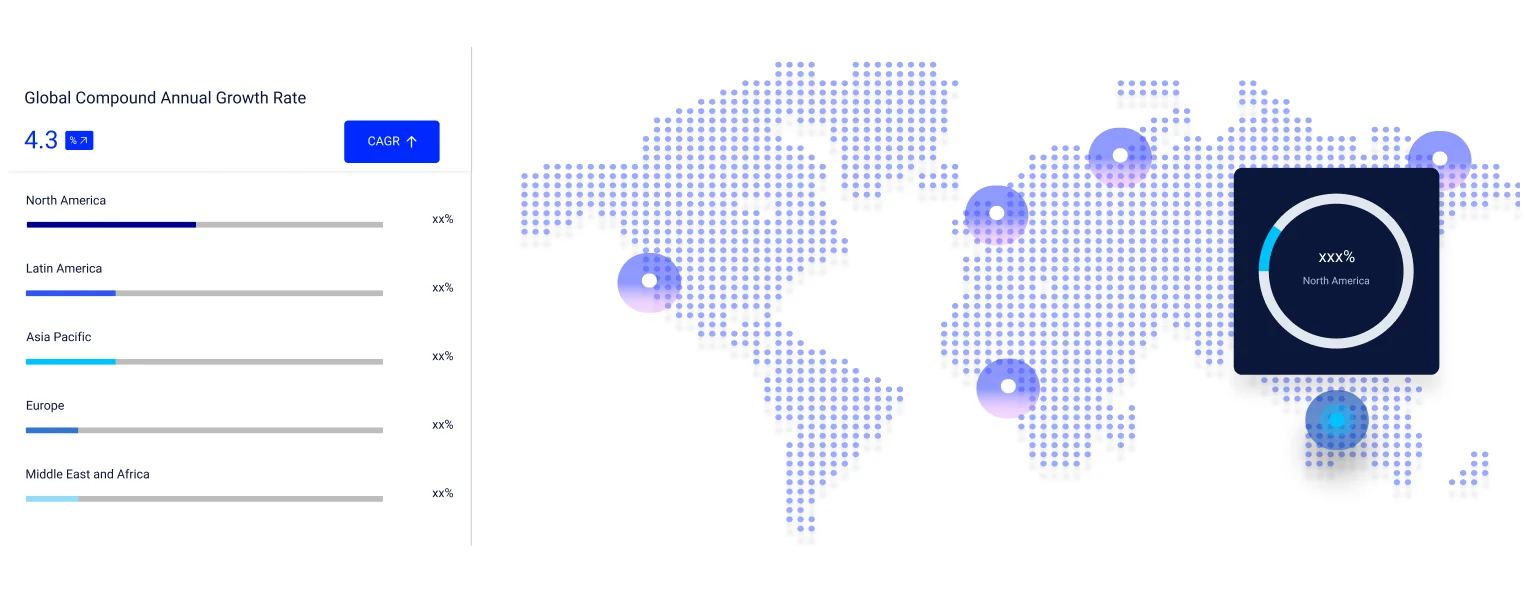
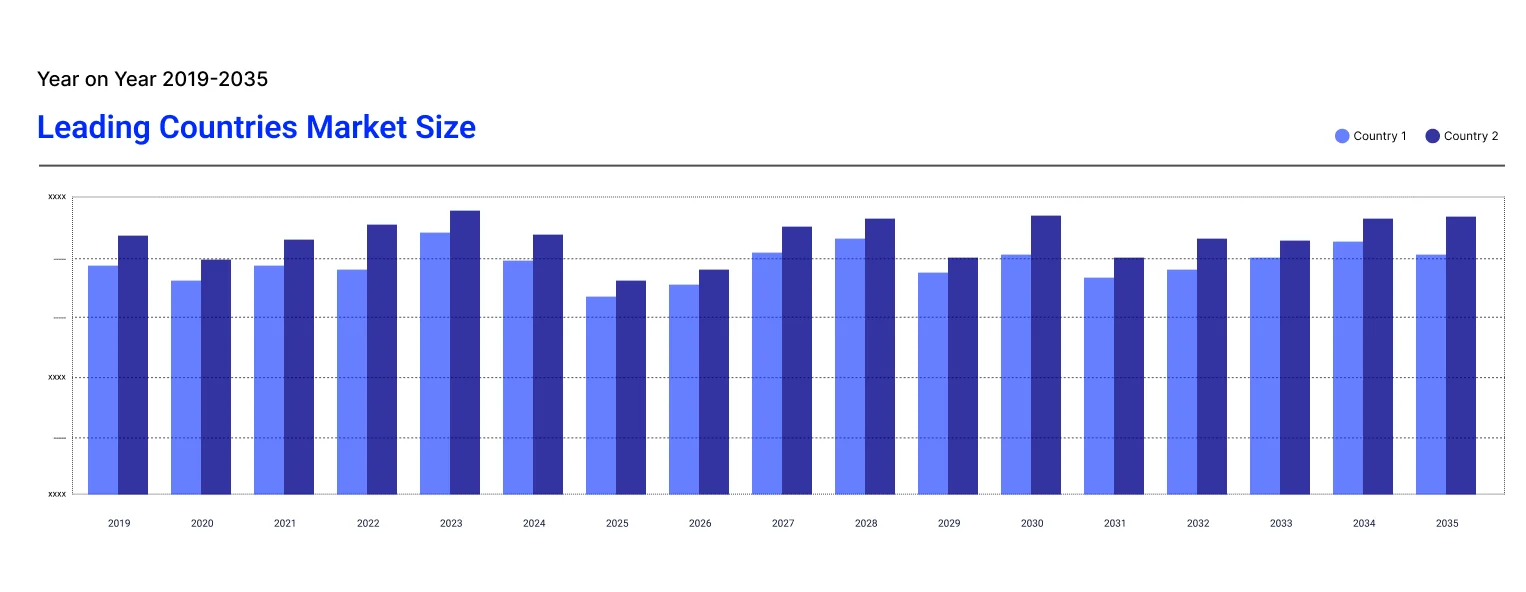
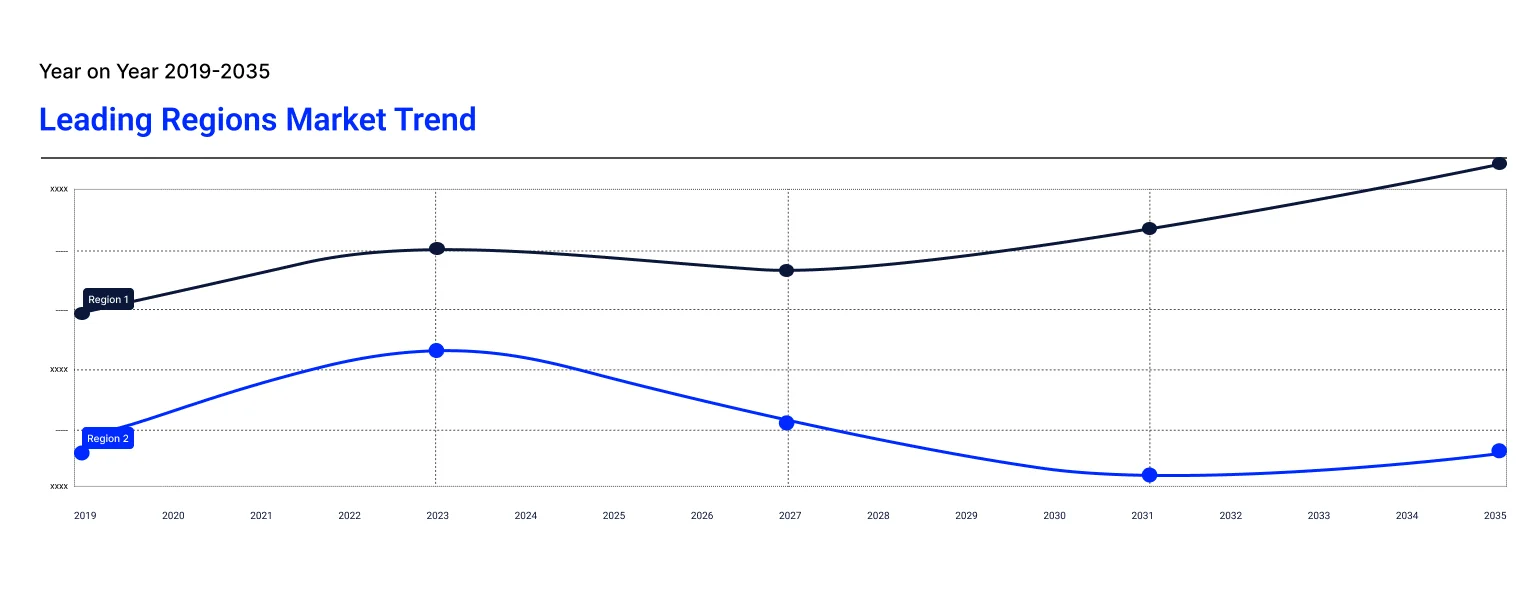
The global radar detector industry is being driven by the increased demand for high-speed vehicles and the prevalence of road accidents, which have become more common in recent years. As a result, radar sensors are used by police and law enforcement agencies to limit a vehicle's speed. Furthermore, car owners utilise these radar detectors to obtain information about police radar guns, which aids in the reduction of accidents. In addition, the adoption of advanced solutions with GPS and artificial intelligence assist in false alarm alert systems to get accurate and real time information, which is projected to drive the growth of the radar detector industry in the forecast period.
The competitive landscape is characterised by a clear top-tier of specialized detector-only manufacturers, a mid-tier of multi-product automotive-electronics suppliers, and a long-tail of regional and private-label entrants. Differentiation at the top of the market is increasingly software-defined the sensitivity hardware has largely commoditized at the premium price point, so the companies that lead are those investing in cloud infrastructure, firmware update cadence, and crowd-sourced alert networks. Strategic activity across the forecast period is expected to concentrate in three areas: acquisitions of app-based mobile alert platforms by detector OEMs seeking to own the full software stack, partnerships with vehicle manufacturers exploring factory-integrated detection options in jurisdictions where it is legal, and vertical expansion into commercial-fleet subscription services that combine hardware, software, and analytics for fleet operators.:
The comprehensive report looks into the macro and micro aspects of the industry. The report gives an in-depth insight into the market by providing a SWOT analysis as well as an analysis of Porter’s Five Forces model.
The radar detector industry faces a distinctive set of headwinds that differentiate it from the broader automotive-accessories market. The most consequential is regulatory variability. Ownership, possession, and active use of radar detectors are governed by a patchwork of national and sub-national laws. In the United States, passenger-vehicle use is permitted in most states but prohibited in Virginia and Washington, D.C., and commercial vehicles over 10,000 pounds are subject to a separate federal restriction. Across Europe, active use is banned in several member states including France, Germany, and Belgium, while permitted or ambiguous in others. This asymmetric regulation limits the size of the addressable market and forces manufacturers to maintain region-specific SKUs.
A second restraint is the parallel advancement of police enforcement technology. Newer photo-radar systems use shorter signal bursts and frequency-agile emissions specifically designed to defeat passive detection. The net effect is that a portion of product R&D investment is continuously absorbed by defensive engineering simply to maintain existing detection effectiveness. Finally, the widespread factory installation of ADAS radar adaptive cruise control, blind-spot monitoring, and collision avoidance has created ambient radio-frequency noise that complicates the filtering task every modern detector must now solve.
Against these challenges, the forecast period offers several well-defined opportunity vectors that favour manufacturers investing in software depth, regional specialisation, and adjacent-channel expansion.
Commercial fleet specification is an underexploited volume opportunity. Historically treated as a driver-discretion purchase, radar detection is now being evaluated as a fleet-level specification item in trucking, ride-share, and long-haul logistics, particularly in US states where speed-based ticketing is a measurable cost-of-operation line. Fleet buyers look for centralised firmware management, telematics integration, and multi-unit licensing feature profiles that create a natural entry point for hardware-plus-subscription business models rather than one-time hardware sales.
Software-as-a-service layers on top of hardware open a recurring-revenue channel. Cloud-synced speed-camera databases, crowd-sourced enforcement-zone alerts, and mobile-app integration convert the device from a one-time purchase into an annual subscription relationship. Manufacturers who own the full stack detector, app, and data infrastructure can capture materially higher lifetime value per unit than pure hardware sellers.
The premium-vehicle factory-integration channel is opening. In jurisdictions where radar detection is legal, select vehicle manufacturers are evaluating factory-integrated detector options as a dealer-installed accessory or a trim-level upgrade. Early partnerships here offer a durable competitive moat because they bypass the aftermarket entirely and lock in the customer at point of vehicle purchase.
Asia Pacific and GCC markets represent the clearest volumetric opportunity. The combination of rising per-capita vehicle ownership, expanding speed-camera networks, and premium-automotive customisation culture has created a demand profile similar to the United States two decades earlier. First-mover brands that localise product, language, and distribution early are positioned to capture disproportionate share as these markets mature.
AI-driven false-alert suppression is the most meaningful near-term differentiator. On-device machine learning models trained to distinguish genuine enforcement signals from ADAS noise resolve the single largest source of user dissatisfaction and device disuse. Brands that deliver this capability at the mid-tier price point not only the premium tier stand to capture share from incumbents slower to modernise.


Upto 15% Off
USD
$2499 $2249
$3999 $3599
$4999 $4249
$5999 $5099


*While we strive to always give you current and accurate information, the numbers depicted on the website are indicative and may differ from the actual numbers in the main report. At Expert Market Research, we aim to bring you the latest insights and trends in the market. Using our analyses and forecasts, stakeholders can understand the market dynamics, navigate challenges, and capitalize on opportunities to make data-driven strategic decisions.*
In 2025, the market attained a value of nearly USD 402.59 Billion.
The market is projected to grow at a CAGR of 4.20% between 2026 and 2035.
The market is estimated to witness a healthy growth in the forecast period of 2026-2035 to reach USD 607.49 Billion by 2035.
The major market drivers include increasing incidences of road accidents, growing efforts to enhance road safety, and the implementation of various government policies for vehicle safety and security.
Technological advancements and innovations, the increasing demand for high-speed vehicles, and the growing adoption of advanced solutions with GPS and artificial intelligence are the key trends guiding the market growth.
The major regions in the market are North America, Latin America, the Middle East and Africa, Europe, and the Asia Pacific.
The different radar detector types in the market are cordless, corded, and remote mount.
The various segments based on wavelength of radar detector considered in the market report are X- band, K-band, Ka- band, and Ku-band, among others.
The key market players are Axis Communication AB, Beltronics, Cedar Electronics, GENEVO s.r.o., K40 Electronics, and Radenso, among others.
Explore our key highlights of the report and gain a concise overview of key findings, trends, and actionable insights that will empower your strategic decisions.
| REPORT FEATURES | DETAILS |
| Base Year | 2025 |
| Historical Period | 2019-2025 |
| Forecast Period | 2026-2035 |
| Scope of the Report |
Historical and Forecast Trends, Industry Drivers and Constraints, Historical and Forecast Market Analysis by Segment:
|
| Breakup by Type |
|
| Breakup by Wavelength |
|
| Breakup by Region |
|
| Market Dynamics |
|
| Competitive Landscape |
|
| Companies Covered |
|
| Report Price and Purchase Option | Explore our purchase options that are best suited to your resources and industry needs. |
| Delivery Format | Delivered as an attached PDF and Excel through email, with an option of receiving an editable PPT, according to the purchase option. |
Datasheet
One User
USD 2,499
USD 2,249
tax inclusive*
Single User License
One User
USD 3,999
USD 3,599
tax inclusive*
Five User License
Five User
USD 4,999
USD 4,249
tax inclusive*
Corporate License
Unlimited Users
USD 5,999
USD 5,099
tax inclusive*
*Please note that the prices mentioned below are starting prices for each bundle type. Kindly contact our team for further details.*
Flash Bundle
Small Business Bundle
Growth Bundle
Enterprise Bundle
*Please note that the prices mentioned below are starting prices for each bundle type. Kindly contact our team for further details.*
Flash Bundle
Number of Reports: 3
20%
tax inclusive*
Small Business Bundle
Number of Reports: 5
25%
tax inclusive*
Growth Bundle
Number of Reports: 8
30%
tax inclusive*
Enterprise Bundle
Number of Reports: 10
35%
tax inclusive*
How To Order

Select License Type
Choose the right license for your needs and access rights.

Click on ‘Buy Now’
Add the report to your cart with one click and proceed to register.

Select Mode of Payment
Choose a payment option for a secure checkout. You will be redirected accordingly.
Strategic Solutions for Informed Decision-Making
Gain insights to stay ahead and seize opportunities.

Get insights & trends for a competitive edge.

Track prices with detailed trend reports.

Analyse trade data for supply chain insights.

Leverage cost reports for smart savings

Enhance supply chain with partnerships.

Connect For More Information
Our expert team of analysts will offer full support and resolve any queries regarding the report, before and after the purchase.
Our expert team of analysts will offer full support and resolve any queries regarding the report, before and after the purchase.
We employ meticulous research methods, blending advanced analytics and expert insights to deliver accurate, actionable industry intelligence, staying ahead of competitors.
Our skilled analysts offer unparalleled competitive advantage with detailed insights on current and emerging markets, ensuring your strategic edge.
We offer an in-depth yet simplified presentation of industry insights and analysis to meet your specific requirements effectively.




