

Consumer Insights
Uncover trends and behaviors shaping consumer choices today
Procurement Insights
Optimize your sourcing strategy with key market data
Industry Stats
Stay ahead with the latest trends and market analysis.

The global reverse osmosis membrane market size was valued at USD 4.19 Billion in 2025. The industry is expected to grow at a CAGR of 10.00% during the forecast period of 2026-2035 to reach a value of USD 10.87 Billion by 2035. A major factor fueling the market growth is the ongoing focus of top membrane producers on strategic capacity expansion combined with the adoption of smart manufacturing.
As desalination, industrial processing, and water reuse projects grow in scale and complexity, suppliers are focusing on higher output volumes while maintaining membrane quality and cost efficiency. In response to this, manufacturers are going all out with their production expansions that are digitally enabled to yield optimally, reduce defects, and shorten delivery times.
This trend in the reverse osmosis membrane market is clearly exemplified by LG Chem's announcement in September 2023 to invest KRW 124.6 billion in the expansion of its Cheongju RO membrane manufacturing plant, with the new capacity expected to be operational from July 2025. The expansion is a smart factory designed to incorporate AI-based anomaly detection, automated quality inspection, and digital productivity management to factory precision and scalability improvements. Such investments reveal how scale-driven growth, with the support of advanced manufacturing technologies, is becoming a major factor boosting the reverse osmosis membrane market’s competitive landscape.
Base Year
Historical Period
Forecast Period
Compound Annual Growth Rate
10%
Value in USD Billion
2026-2035
*this image is indicative*
Urban water scarcities of increasing severity are pushing municipalities to invest heavily in seawater reverse osmosis (SWRO) desalination infrastructure. This is resulting in an increased demand in the reverse osmosis membrane market and long-term service contracts. A typical case is IDE Technologies signing a contract with Brihanmumbai Municipal Corporation for EPC works worth designing and building a 200 MLD SWRO desalination plant at Manori, Mumbai, thus, in December 2025, making the city more water resilient under changing climate conditions. It mirrors cities' reliance on eco-friendly water supply systems that stimulate membrane purchases.
Working together with membrane fabricators, the partners in the field of water technology have been able to enhance their product lines and speed up the implementation of advanced RO solutions that are efficient, reliable, and suitable for reuse applications. These relationships pave the way for the new technology to be easily implemented and open growth opportunities in the reverse osmosis membrane market in different regions and co-develop next-gen membranes meeting very stringent requirements in industries and municipalities. For instance, H2O Innovation has declared the setting up of a strategic partnership with ROTEC to facilitate the access to its patented Flow Reversal Reverse Osmosis (FR-RO) technology in North America, and the announcement was made at the GWS 2024 event held in April 2024. These strategic combinations enable the further extension of technological capabilities and provide better water recovery efficiency.
Innovations in the design and materials of RO membranes are gradually increasing permeate flux, fouling resistance, and salt rejection, thus gaining wider acceptance in both desalination and water-treatment sectors. These superior products enable the operation to become cost-effective and energy-efficient, while also prolonging the service life. Toray Industries in March 2025 rolled out a next-generation seawater RO membrane series comprising higher permeate flux and improved fouling resistance to elevate energy efficiency in large-scale desalination plants. Improved membrane products are beneficial for system operators who are always looking for lower lifecycle costs and higher system reliability.
Water projects in the industrial and utility sectors normally have a need for many RO membrane elements, thus, providing significant offtake opportunities for manufacturers in the reverse osmosis membrane market landscape. The demand for such massive contracts is mainly due to increased water reuse, power generation, and mining desalination. One striking example was LG Water Solutions signing a monumental contract to supply the world's largest fertilizer complex in Morocco in 2024 with SWRO membrane, which is a prerequisite for massive industrial water demand empowered by the deployment of advanced RO technology. These commitments go a long way to reassuring that there is a strong demand for the membrane beyond the mere replacement cycles.
Producers operating in the reverse osmosis membrane market plan on expanding their market and at the same time satisfying the procurement preferences of different regions by entering partnerships and opening new local facilities. Localization helps to shorten delivery times and makes it easier to comply with the demands of regulators and utilities. One example of the localization trend of the RO membrane market is LG Chem's cooperation with Alkhorayef Group, which was declared in 2024, to build a facility for manufacturing RO membrane and a technical centre in Saudi Arabia aimed at the growing Middle East market. This agreement facilitates the building of domestic capacity and the transfer of technology in the major growth areas.
The EMR’s report titled “Global Reverse Osmosis Membrane Market Report and Forecast 2026-2035” offers a detailed analysis of the market based on the following segments:
Market Breakup by Material
Key Insights: The market by material is divided into cellulose-based and thin film composite (TFC) membranes. Cellulose-based membranes are still used in niche industrial and small-scale applications due to moderate cost and chemical stability. However, TFC membranes dominate due to superior salt rejection, higher flux, chemical tolerance, and durability. Companies like Toray, DuPont, and LG Water Solutions are innovating TFC membranes to enhance efficiency, lifespan, and energy performance, supporting desalination, municipal water, and industrial reuse projects globally.
Market Breakup by Filter Module
Key Insights: The spiral wound modules contribute significantly to the growth of the reverse osmosis membrane market due to their high packing density and cost-effective performance in desalination and industrial applications, with firms like DuPont and Toray continuously enhancing spiral wound element efficiency. Hollow fiber modules, promoted by companies such as Hydranautics, are expanding in compact and medical water systems. Plate and frame and tubular-shaped modules are preferred for high fouling and wastewater treatment, with providers like Pentair Xflow and Koch Membrane Systems offering robust solutions. Other specialized configurations from niche OEMs address tailored applications, driving broader module diversification.
Market Breakup by Application
Key Insights: The reverse osmosis membrane market scope by application is primarily driven by desalination systems, supported by rising freshwater scarcity and growing investments in large-scale municipal and industrial desalination projects. RO purification systems follow, fueled by demand for high-quality drinking water, industrial process water, and wastewater reuse across residential, commercial, and industrial sectors. Meanwhile, medical devices and diagnostics represent a smaller but steadily expanding segment, as RO membranes are increasingly used to produce ultrapure water for laboratories, dialysis, and pharmaceutical manufacturing under strict quality standards.
Market Breakup by Region
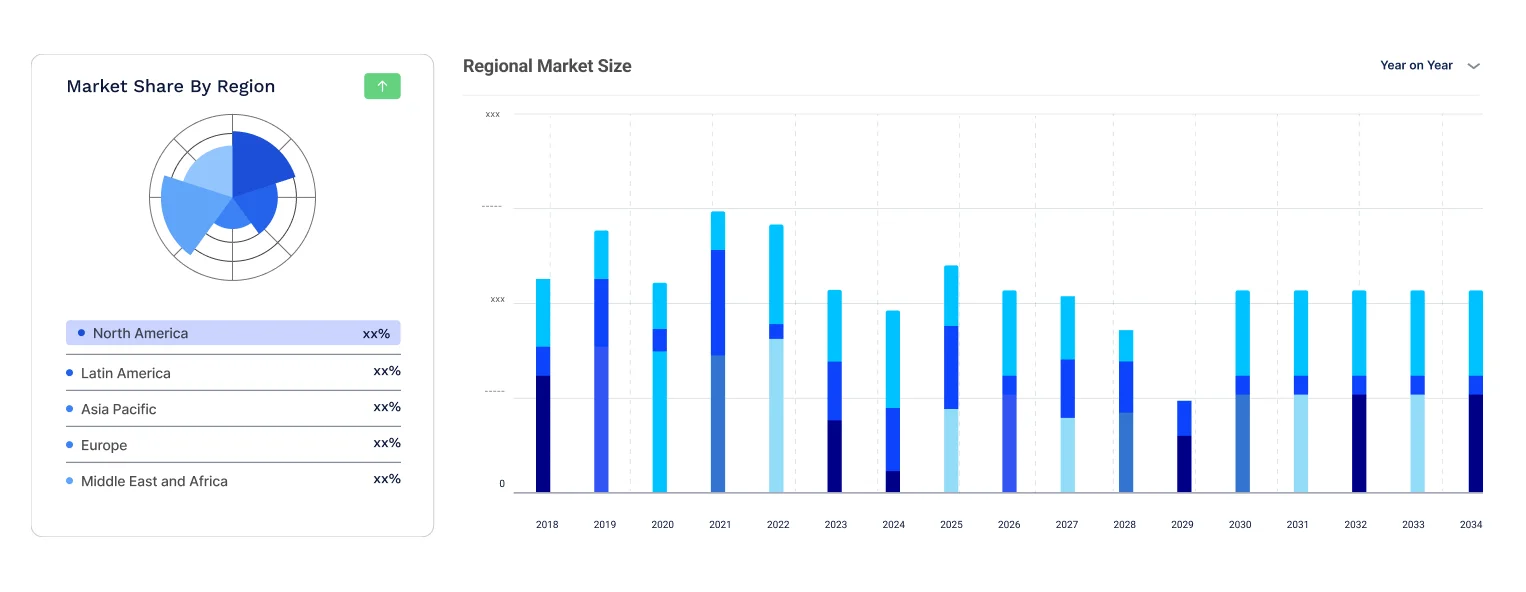
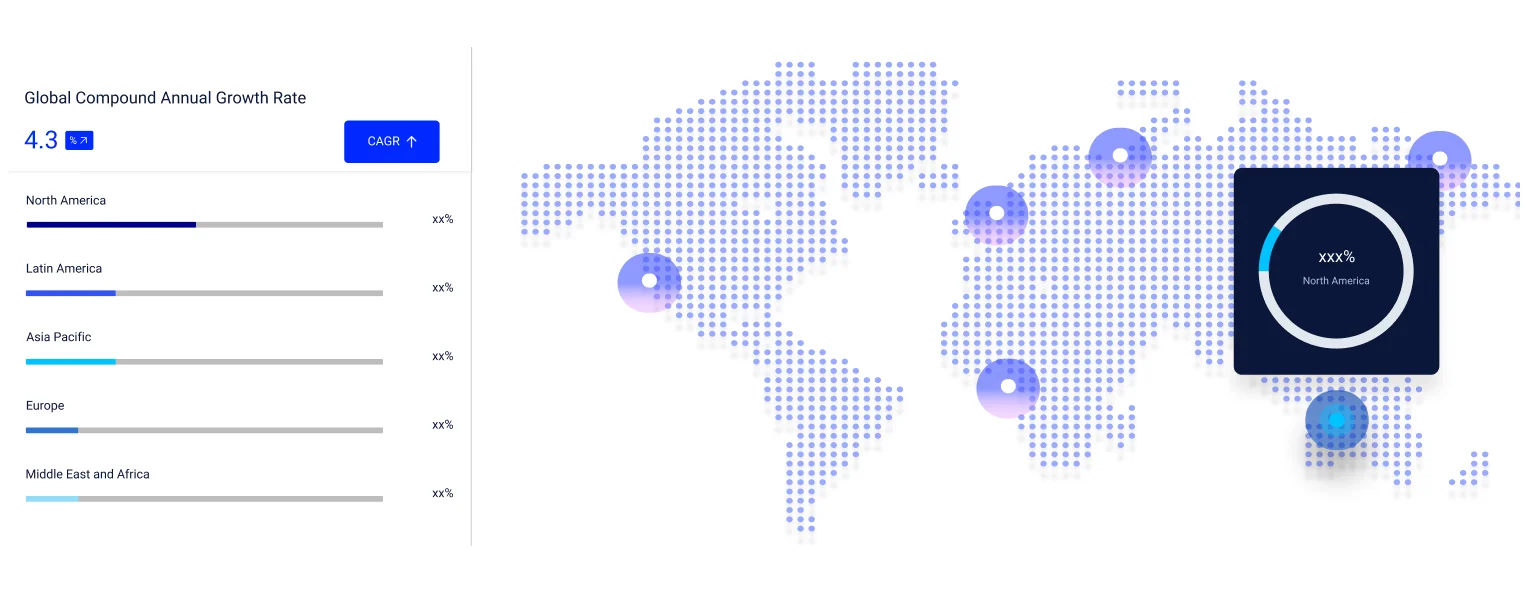
Key Insights: Asia Pacific accounts for the largest share of the global reverse osmosis membrane market revenue with robust industrialisation, urbanisation, municipal infrastructure expansion, and large-scale desalination projects driving membrane adoption in China, India, and Southeast Asia. North America follows with strong demand from industrial reuse, strict water quality regulations, and advanced treatment investments. Europe is propelled by environmental standards and wastewater reuse initiatives. Middle East & Africa relies on desalination to counter scarcity and Latin America is expanding industrial and municipal water projects. For instance, Australia’s government announced funding for five new brackish water desalination plants in 2025, expected to significantly increase regional RO membrane deployment.
By material, cellulose-based RO membranes witness high demand
Cellulose-based RO membranes maintain relevance in niche applications where chlorine tolerance and cost-effectiveness matter, especially in industrial and food processing sectors. These membranes continue to attract strategic collaboration to improve production and regional supply. For example, in April 2024, Veolia Water Technologies and Alkhorayef Group formed a partnership to address growing demand for advanced RO membranes in Saudi Arabia, including cellulose-based systems, with a new production facility and technical center set to begin operations by 2026. This alignment strengthens local manufacturing and regional adoption of the cellulose-based category, boosting the reverse osmosis membrane market growth.
Thin film composite (TFC) membranes dominate the market due to superior salt rejection, durability, and broad applicability across desalination and industrial water treatment. Leading players are expanding manufacturing to meet global demand for TFC technology. For instance, DuPont announced in October 2025 the expansion of its FilmTec™ TFC membrane production into China through a strategic acquisition to localize manufacturing and better serve regional customers with high-performance RO membranes. This investment boosts supply resilience and reinforces TFC’s market leadership in the global reverse osmosis membrane market.
By filter module, spiral wound modules show notable growth
Spiral wound modules are in high demand due to their high packing density and broad utility across municipal and industrial water treatment. Key players are enhancing production and design to meet escalating global demand. For example, DuPont expanded its global RO membrane production line in early 2024, increasing output by 1,000,000 composite membrane elements annually to support spiral wound deployment in largescale desalination and purification systems. Continued capacity scaling by manufacturers ensures supply resilience and reinforces spiral wound’s leading position in high-volume applications.
Hollow fibre modules are gaining traction in the reverse osmosis membrane market, mainly for specialised RO applications that require compact footprints and high surface area, such as wastewater reuse and decentralised systems. Companies are entering strategic licensing agreements to expand hollow fibre supply and technology reach. A significant example is H2O Innovation’s December 2024 exclusive license with MegaVessels Water Inc. and Harbin ROPV Industrial to manufacture and sell the MegaVessel membrane system globally, enhancing RO module performance and footprint efficiency. This agreement underlines how partnerships drive hollow fiber and advanced module adoption in large format RO installations.
By application, RO Purification System demonstrate notable uptake
The reverse osmosis membrane market from the RO purification systems application, records notable adoption in the medical, clinical, and commercial applications due to rising demand for ultrapure water and strict water quality standards. Healthcare providers are adopting advanced RO solutions that enhance system efficiency and reliability. For example, NIPRO launched its next-generation LiniXia RO water treatment system for dialysis clinics at the European Renal Association Conference in June 2025, offering high-yield, energy-efficient permeate with smart monitoring and improved disinfection. This innovation strengthens RO purification deployment in critical care, expanding applications and market growth.
The desalination systems are witnessing high demand in the reverse osmosis membrane market due to freshwater scarcity and rising municipal and industrial investments in seawater desalination plants. Coastal and arid regions increasingly rely on RO-based solutions to secure water supplies. For instance, Morocco announced in December 2025 that it plans to source 60% of its drinking water from desalinated seawater by 2030, driving renewable-powered RO projects and capacity expansions. Such national initiatives are boosting global RO membrane demand and infrastructure deployment.
By Region, North America leads the market growth
The North America reverse osmosis membrane market growth is driven by industrial reuse projects, advanced manufacturing partnerships, and product innovation that improves performance and operational efficiency. Utilities and industrial operators are increasingly specifying high-efficiency RO membranes to meet regulatory standards and sustainability goals. For example, Osmoflo and Aqua Membranes announced an exclusive partnership in January 2025 to combine Aqua’s 3-D printed spacer technology with Osmoflo’s integration expertise, enhancing membrane performance and system efficiency across industrial and municipal markets in the region. Collaborative innovation like this strengthens the technology base and supports broader adoption of advanced RO solutions.
Meanwhile, in the Asia Pacific, rapid industrial growth, urbanization, and strategic capacity investments are fueling the reverse osmosis membrane market expansion. Manufacturers are scaling local production to serve municipal, desalination, and industrial water reuse demand. For instance, Toray Industries opened a new integrated RO membrane fabrication facility in Dammam, Saudi Arabia in April 2025, strengthening regional supply and reducing lead times for Middle Eastern and Asia Pacific projects faced with water scarcity challenges. Such expansions boost responsiveness to large project pipelines and enhance market penetration across the region.
The major reverse osmosis membrane market players are taking various measures to hold a better position in the competition, such as innovating, developing new products, and forming partnerships. Besides investing in energy-efficient and quickly operating membranes, the companies are also widening their production capacities and raising their research and development levels to increase salt rejection, durability, and chemical tolerance. They do it all to be able to satisfy the growing demand for municipal, industrial, and desalination applications in different parts of the world.
To get to the regional markets, a lot of reverse osmosis membrane companies are pushing the expansion and co-working plans. To strengthen their positions on the new markets, they are doing consortiums with local governments and companies, thereby, setting up new joint venture production sites, and thus, cutting down the delivery time and increasing the marketing area. Present stakeholders who are eager to meet the diverse demands of their customers and secure a strong position in the rapidly changing water treatment industry decide to continue innovating, expanding their capacity, and upgrading their technology, thus contributing to the growth of the global reverse osmosis membrane market.
LG Chem, Ltd., established in 1947, is based in Seoul, South Korea, and is among the top leaders of the global chemical industry that develops advanced materials like high-performance reverse osmosis membranes. The company is enthusiastic about providing clean water solutions and makes use of the growth of its global network of alliances and factories to drive this mission forward.
SUEZ SA, established in 1858, is a leading provider of water and waste management solutions based in Paris, France. The company provides cutting-edge RO membranes, desalination solutions, and integrated water management technologies to municipal and industrial customers worldwide.
Toray Industries, Inc., a leader in the world market of fibers, textiles, and high-performance membrane materials, was established in 1926 and is in Tokyo, Japan. By far, the dominant application of Toray's RO membranes is desalination and industrial water treatment, and thus the company is widely recognized as a major player in the global RO membrane market.
AXEON Water Technologies, a company that designs and manufactures innovative RO water treatment systems, was established in 2004 and is in San Antonio, Texas, USA. Their primary goal is to make solutions both reliable and efficient for residential and commercial applications globally.
*Please note that this is only a partial list; the complete list of key players is available in the full report. Additionally, the list of key players can be customized to better suit your needs.*
Other players in the market include Nitto Denko Corporation, Toyobo Co., Ltd., JSC RM Nanotech, and Koch Separation Systems, Inc., among others.
Explore the latest trends shaping the Global Reverse Osmosis Membrane Market 2026-2035 with our in-depth report. Gain strategic insights, future forecasts, and key market developments that can help you stay competitive. Download a free sample report or contact our team for customized consultation on global reverse osmosis membrane market trends 2026.


Upto 15% Off
USD
$2499 $2249
$3999 $3599
$4999 $4249
$5999 $5099


*While we strive to always give you current and accurate information, the numbers depicted on the website are indicative and may differ from the actual numbers in the main report. At Expert Market Research, we aim to bring you the latest insights and trends in the market. Using our analyses and forecasts, stakeholders can understand the market dynamics, navigate challenges, and capitalize on opportunities to make data-driven strategic decisions.*
Get in touch with us for a customized solution tailored to your unique requirements and save upto 35%!
In 2025, the global reverse osmosis membrane market reached an approximate value of USD 4.19 Billion.
The market is projected to grow at a CAGR of 10.00% between 2026 and 2035.
The market is estimated to witness a healthy growth in the forecast period of 2026-2035 to reach USD 10.87 Billion by 2035.
Key strategies driving the market include product innovation, technological upgrades, strategic partnerships and collaborations, regional expansion, capacity scaling, and investment in R&D to enhance efficiency, durability, and performance of RO membranes.
The key trends fuelling the growth of the market include rising requirement by maritime industries for desalination of sea water, growth of the water treatment sector, and recent advancements enhancing the functioning of the membranes.
The major regions in the market are North America, Europe, the Asia Pacific, Latin America, and the Middle East and Africa.
The significant filter modules available in the market include plate and frame, tubular-shaped, spiral wound, and hollow fibre, among others.
The key players in the market include LG Chem, Ltd., SUEZ SA, Toray Industries, Inc., AXEON Water Technologies, Nitto Denko Corporation, Toyobo Co., Ltd., JSC RM Nanotech, Koch Separation Systems, Inc., and several other prominent manufacturers.
Major challenges include high capital and operational costs, membrane fouling and scaling, energy consumption concerns, stringent regulatory compliance, and intense competition among global and regional players.
Explore our key highlights of the report and gain a concise overview of key findings, trends, and actionable insights that will empower your strategic decisions.
| REPORT FEATURES | DETAILS |
| Base Year | 2025 |
| Historical Period | 2019-2025 |
| Forecast Period | 2026-2035 |
| Scope of the Report |
Historical and Forecast Trends, Industry Drivers and Constraints, Historical and Forecast Market Analysis by Segment:
|
| Breakup by Material |
|
| Breakup by Filter Module |
|
| Breakup by Application |
|
| Breakup by Region |
|
| Market Dynamics |
|
| Competitive Landscape |
|
| Companies Covered |
|
Datasheet
One User
USD 2,499
USD 2,249
tax inclusive*
Single User License
One User
USD 3,999
USD 3,599
tax inclusive*
Five User License
Five User
USD 4,999
USD 4,249
tax inclusive*
Corporate License
Unlimited Users
USD 5,999
USD 5,099
tax inclusive*
*Please note that the prices mentioned below are starting prices for each bundle type. Kindly contact our team for further details.*
Flash Bundle
Small Business Bundle
Growth Bundle
Enterprise Bundle
*Please note that the prices mentioned below are starting prices for each bundle type. Kindly contact our team for further details.*
Flash Bundle
Number of Reports: 3
20%
tax inclusive*
Small Business Bundle
Number of Reports: 5
25%
tax inclusive*
Growth Bundle
Number of Reports: 8
30%
tax inclusive*
Enterprise Bundle
Number of Reports: 10
35%
tax inclusive*
How To Order

Select License Type
Choose the right license for your needs and access rights.

Click on ‘Buy Now’
Add the report to your cart with one click and proceed to register.

Select Mode of Payment
Choose a payment option for a secure checkout. You will be redirected accordingly.
Gain insights to stay ahead and seize opportunities.

Get insights & trends for a competitive edge.

Track prices with detailed trend reports.

Analyse trade data for supply chain insights.

Leverage cost reports for smart savings

Enhance supply chain with partnerships.

Connect For More Information
Our expert team of analysts will offer full support and resolve any queries regarding the report, before and after the purchase.
Our expert team of analysts will offer full support and resolve any queries regarding the report, before and after the purchase.
We employ meticulous research methods, blending advanced analytics and expert insights to deliver accurate, actionable industry intelligence, staying ahead of competitors.
Our skilled analysts offer unparalleled competitive advantage with detailed insights on current and emerging markets, ensuring your strategic edge.
We offer an in-depth yet simplified presentation of industry insights and analysis to meet your specific requirements effectively.





Share