

Consumer Insights
Uncover trends and behaviors shaping consumer choices today
Procurement Insights
Optimize your sourcing strategy with key market data
Industry Stats
Stay ahead with the latest trends and market analysis.
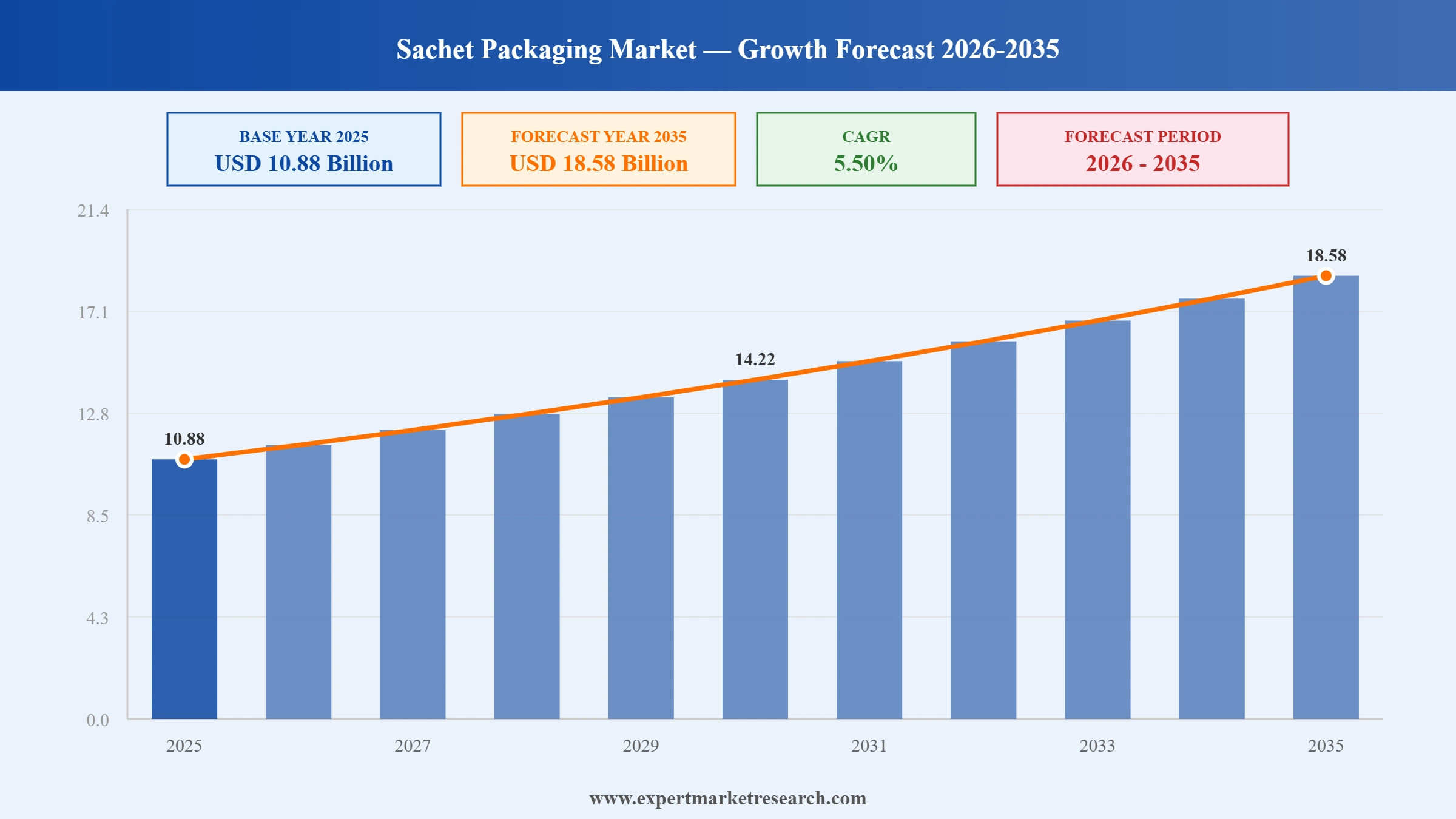
The global sachet packaging market was valued at USD 10.88 Billion in 2025. The market is expected to grow at a CAGR of 5.50% during the forecast period of 2026-2035 to reach a value of USD 18.58 Billion by 2035. The growing demand for inexpensive, compact packaging, particularly in developing nations where consumers base their purchasing decisions on product availability and price, is propelling the market growth.
Sachets allow manufacturers to provide small quantities of products at affordable prices, which makes them suitable for new consumers and rural distribution. Besides that, the use of high-speed flexible packaging machines is rapidly rising, which is helping companies to produce large volumes of sachets at a lower cost, thereby enhancing their efficiency and meeting the high demand for single-use packaging in food, personal care, and pharmaceutical sectors. The global sachet packaging market's response to sustainable and low-plastic packaging solutions is one of the major reasons for its growth, since brands in the personal care, food, and beverage sectors are focusing on environmentally responsible packaging formats. Sachets are economical and allow a controlled serving size, but due to the increasing legislation and consumer awareness regarding sustainability, manufacturers are compelled to modify the traditional multilayer plastic structures to recyclable or compostable alternatives.
Companies are therefore turning to new materials like fiber-based laminates and plant-based substrates that can provide the same barrier properties while considerably reducing plastics usage. This move towards sustainability has not only given rise to fresh opportunities but also led to a steady growth of the sachet packaging market. For example, in April 2025, Aveda released their newly designed paper-based recyclable sample sachets made from FSC-certified paper, which were developed together with Xela Pack. These sample sachets will reduce plastic by more than 80% as compared to traditional plastic tubes. Similarly, in August 2025, Seven Springs, which is a tea brand from India, launched 100% compostable tea sachets made solely from plant-based materials with no plastic or aluminum at all, thus greatly contributing to the industry's eco-friendly sachet packaging solutions.
Read more about this report - REQUEST FREE SAMPLE COPY IN PDF
| Global Sachet Packaging Market Report Summary | Description | Value |
| Base Year | USD Billion | 2025 |
| Historical Period | USD Billion | 2019-2025 |
| Forecast Period | USD Billion | 2026-2035 |
| Market Size 2025 | USD Billion | 10.88 |
| Market Size 2035 | USD Billion | 18.58 |
| CAGR 2019-2025 | Percentage | XX% |
| CAGR 2026-2035 | Percentage | 5.50% |
| CAGR 2026-2035 - Market by Region | Asia Pacific | 6.2% |
| CAGR 2026-2035 - Market by Country | UK | 7.1% |
| CAGR 2026-2035 - Market by Country | China | 6.4% |
| CAGR 2026-2035 - Market by Material Type | Non-Plastic | 5.9% |
| CAGR 2026-2035 - Market by Application | Food and Beverages | 6.0% |
| Market Share by Country | Germany | 5.8% |
Kelpi partnered with Guardpack Ltd. to invent environmentally friendly sachet packaging by using Kelpi's seaweed-based coating technology. This partnership helps the industry to shift away from plastic and switch to packaging solutions that are high-performance as well as plastic-free, thus enhancing both innovation and sustainability in the sachet packaging sector.
Reliance Consumer Products brought back the legendary Velvette brand in sachet packaging as a means of reaching price-sensitive customers. This action is in line with the increasing needs for inexpensive single-use packaging formats, which, in turn, might lead to the further development of sachet packaging in the emerging markets.
Chrysal International transformed its personalized flower-food sachets into recyclable packaging forms. This change serves as a manifestation of the rising usage of sustainable materials for small-format packaging, reflecting the industry's overall movement toward eco-friendly sachet solutions.
Protinex launched handy single-serve protein sachets in India to facilitate easy nutritional intake on a daily basis. This debut is a clear indication of how health and wellness brands are using sachet formats that are not only portable but also help them to increase accessibility and accelerate the overall sachet packaging market penetration.
Growing environmental concerns about single-use plastic are triggering a faster adoption of compostable materials in flexible packaging in many regions. Manufacturers have been creating bio-based laminates, which, besides retaining barrier characteristics, also promote responsible disposal. Such developments assist the transition towards eco-friendly alternatives in the sachet packaging market. For example, in May 2025, Futamura collaborated with Repaq and GK Sondermaschinenbau to develop a completely compostable laminate for liquid sachet packaging utilizing NatureFlex cellulose films.
Food and condiment brands are redesigning their portion packaging to align well with corporate sustainability goals and landfill-reduction strategies. The companies are transitioning to recyclable materials and less complicated packaging structures as part of their efforts to increase circularity and stay in line with consumer preferences. Besides, these programs are giving an additional momentum to the sachet packaging market's move forward. In tune with these changes, in December 2025, Stokes Sauces rolled out recyclable sachet packaging for its sauce range in a bid to contribute to its overall zero-landfill goal.
Manufacturers are increasingly choosing to change from complicated multilayer structures to mono-material solutions that are easier to recycle and better in terms of sustainability. Sachets made out of polypropylene are becoming more popular because they are strong and fit well with current recycling systems. Such changes in materials are helping to spread the use of environmentally friendly packaging, thereby boosting sachet packaging market value. For instance, Chrysal International market launched the recyclable PP sachets bundled with bio-based flower food products worldwide in February 2025.
Technological innovations leading to compostable films are significantly enhancing the packaging barrier properties to the level of traditional plastics, but in a way that continues to offer environmentally friendly packaging solutions. High-barrier laminates enable the sachet packaging to safeguard the contents against moisture and oxygen without the need for conventional plastics. These developments are accelerating the pace of sustainability-driven innovation in the sachet packaging market. For instance, in December 2025, TIPA released new high-barrier compostable laminates that are suitable for flexible packaging applications, including single-serve formats.
The demand for portable and portion-controlled nutrition products is rising, motivating firms to use compact, foldable packaging that can be brought along. Small packages and small pouches help people access the product, make it more convenient, and offer the required proportion, so they have a wide application in the healthcare and wellness sector. Evolving consumer preferences in these segments are driving growth and creating new revenue streams for the sachet packaging market. For example, in March 2026, Nestlé came out with a children's medical nutrition product in flexible pouches.
The EMR’s report titled “Global Sachet Packaging Market Report and Forecast 2026-2035” offers a detailed analysis of the market based on the following segments:
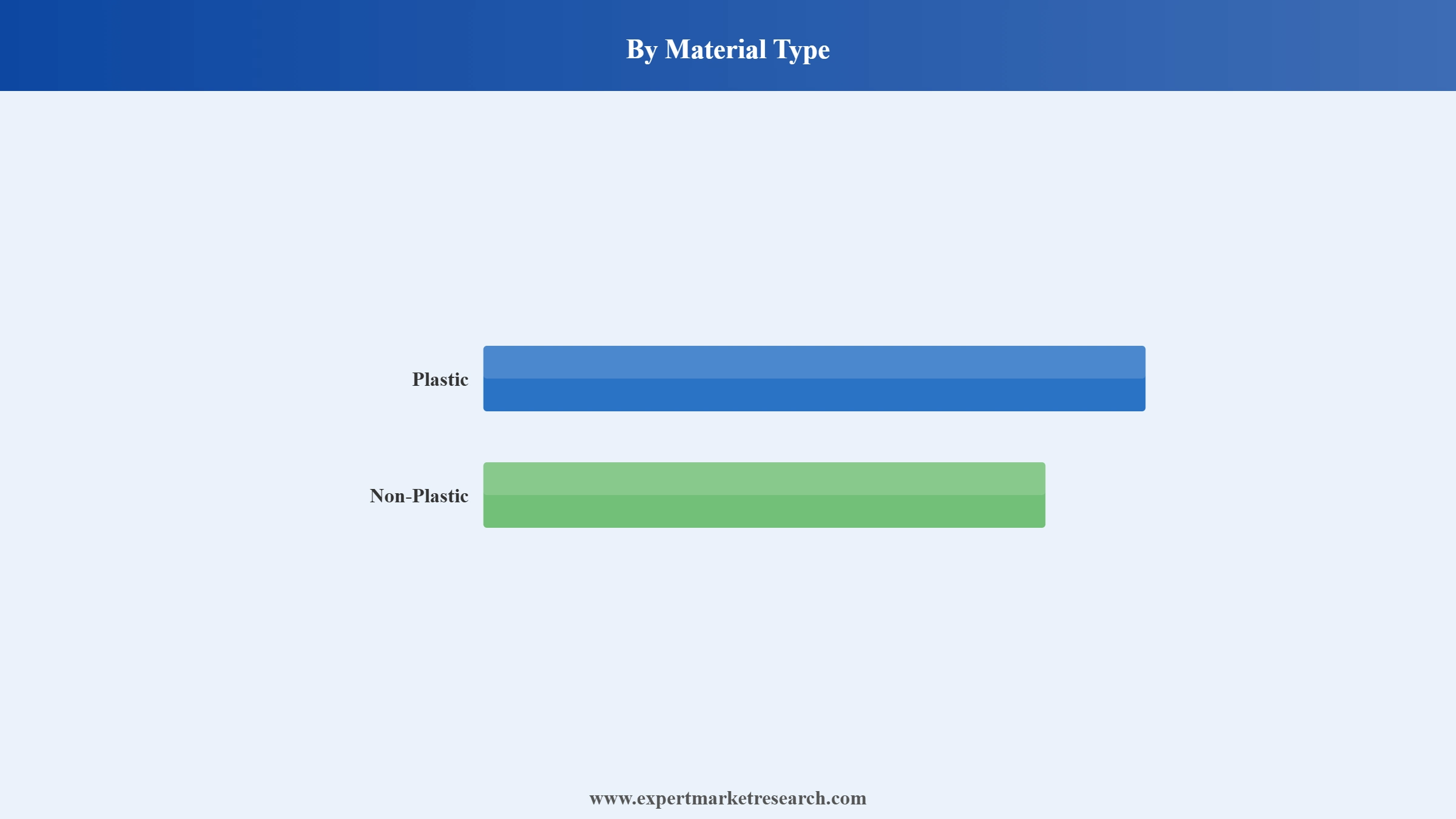
Market Breakup by Material Type
Key Insight: The sachet packaging market is divided based on material into plastic and non-plastic. Plastic sachets continue to be popular because of their light weight, flexibility, and excellent barrier properties that help keep the product fresh in a wide range of sectors, from food to pharmaceutical to personal care. On the other hand, non-plastic options, such as paper-based, compostable, and bio-based materials, are becoming more popular as companies are working on sustainability levels and regulatory compliance. In addition, the adoption of recycled content into packaging structures is also becoming a common practice that helps in reducing the environmental impact. For instance, in January 2026, Chrysal International launched fresh-cut flower food sachets made from 35% of post-consumer recycled plastic, thereby significantly advancing sustainable, innovative efforts in the market.
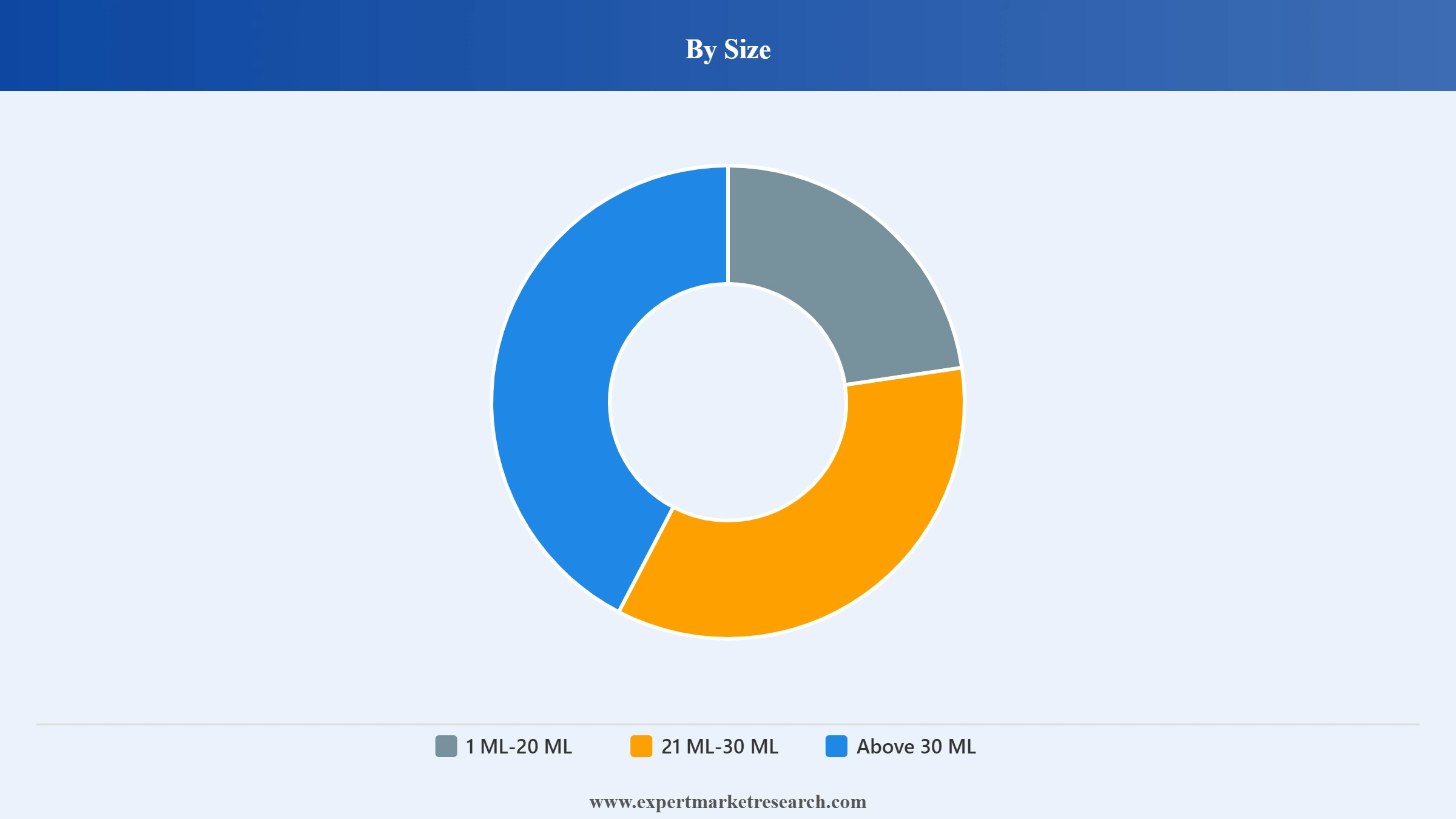
Market Breakup by Size
Key Insight: On the basis of size, the sachet packaging market scope comprises 1 ML-20 ML, 21 ML-30 ML, and above 30 ML, each meeting different end-use needs. The 1 ML-20 ML category is the most popular segment for personal care samples and condiments; for instance, Amcor plc and ProAmpac have created compact, flexible films ideal for trial-size and single-dose packaging. The 21 ML to 30 ML segment is being increasingly used in beverage and nutrition mixes, whereas above 30 ML sachets are more often used for sauces and liquid products, with companies like Constantia Flexibles providing high-barrier laminates that enable larger portion sachets in food and healthcare settings.
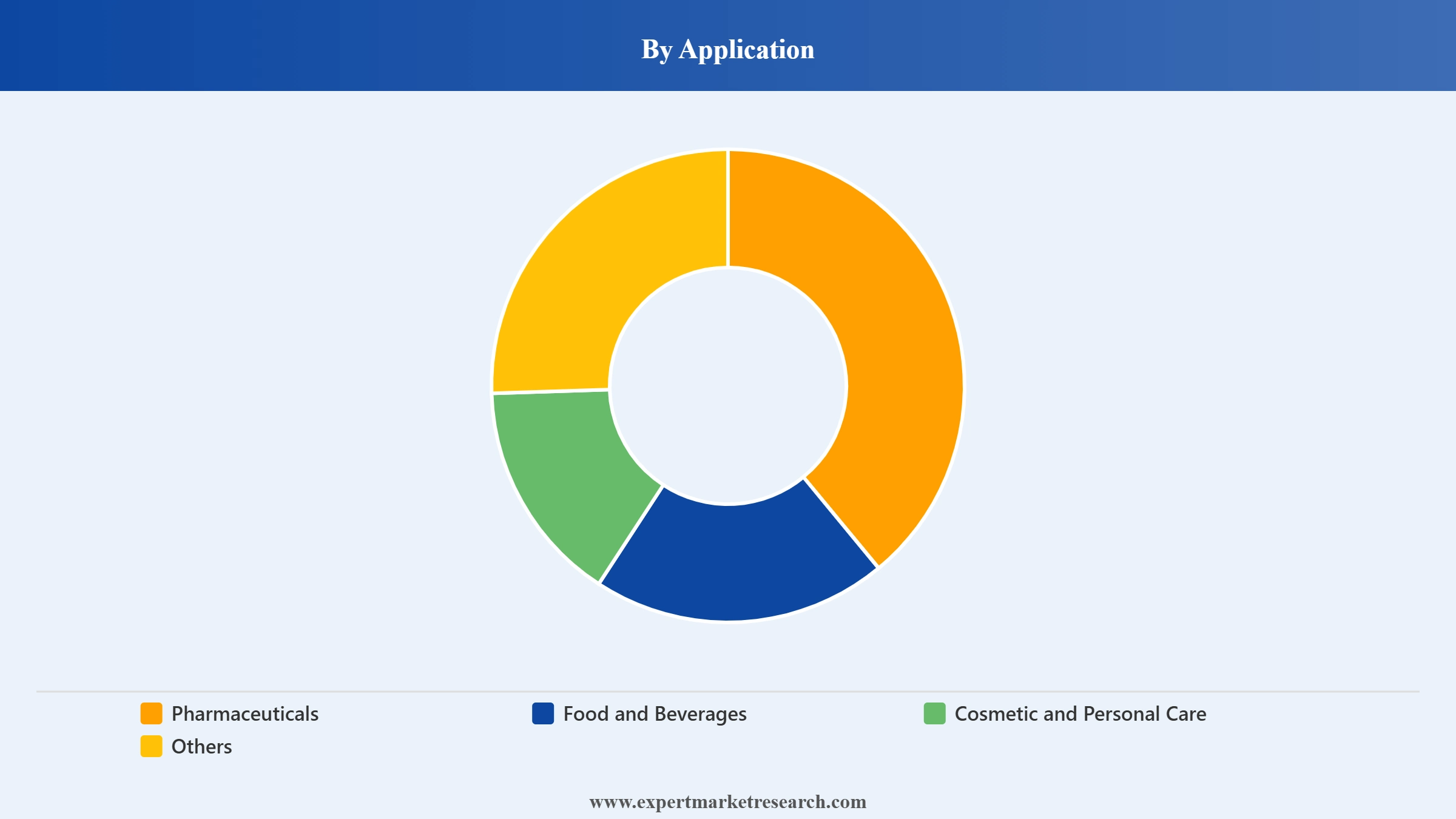
Market Breakup by Application
Key Insight: The sachet packaging market widely caters to pharmaceuticals, food and beverages, cosmetics and personal care, and other industries. The food and beverages segment is the largest contributor to the market growth because of the increasing consumption of instant drinks, condiments, and single-serve products. Cosmetics and personal care brands use sachets to a significant extent for sampling and trial-sized packaging, whereas pharmaceutical companies use sachets for precise dosage formats. An increasing number of FMCG product launches are helping to fuel sachet adoption as well. For example, Tealive, in June 2025, entered the FMCG sector with the launch of a 3-in-1 sachet beverage line, thus signifying demand for ready single-serve packaging.
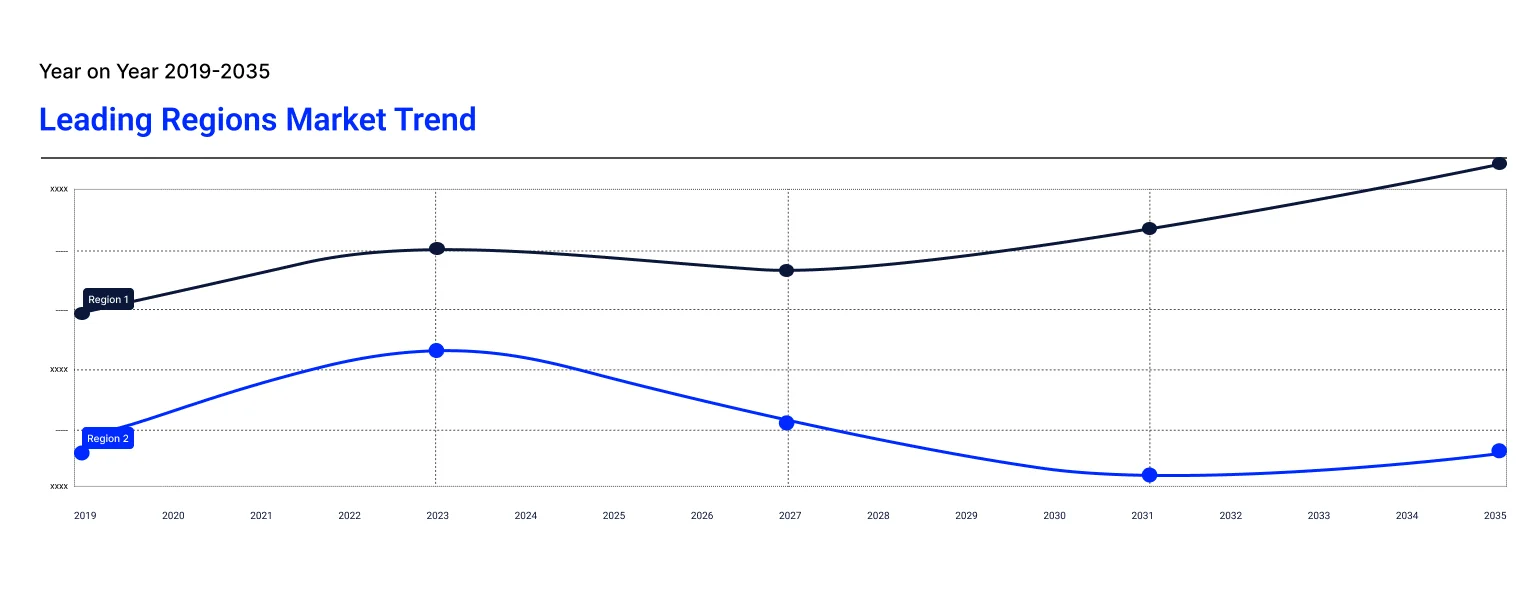
Market Breakup by Region
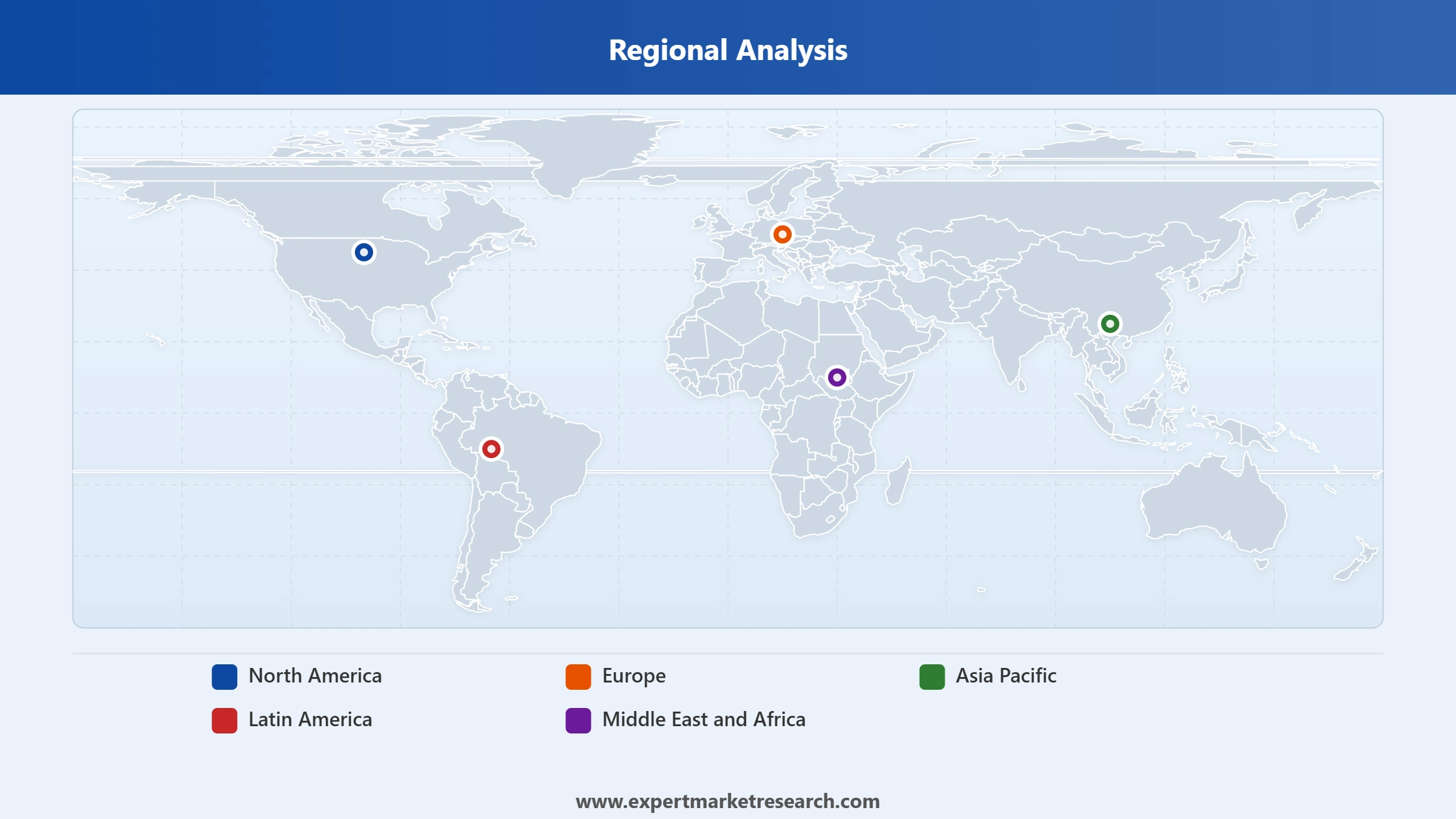
Key Insight: Regionally, the global sachet packaging market landscape covers North America, Europe, Asia Pacific, Latin America, and the Middle East and Africa. Asia Pacific leads the market, owing to the region’s need for cheap single-use products in densely populated economies. On the other hand, North America and Europe are focusing more on developing environmentally-friendly packaging. The markets in Latin America, the Middle East, and Africa observe a gradual increase in their growth,largely contributed to by the expansion of FMCG consumption and retail networks. In June 2025, Ugandan entrepreneurs unveiled natural preservation sachets which can be used to store fruit and prolong their freshness, thus showing the emergence of sachet-based solutions in the region's emerging markets as a result of innovation and acceptance.
Read more about this report - REQUEST FREE SAMPLE COPY IN PDF
By material type, plastic material witnesses consistent demand owing to the advanced plastic flexible packaging enhancing product protection
Plastic materials continue to dominate the global sachet packaging market due to their superior barrier properties, durability, and compatibility with high-speed filling technologies. Manufacturers are advancing multilayer films and flexible laminates to enhance product protection while improving recyclability. These innovations enable packaging solutions for dairy, beverages, and liquid products requiring strong moisture and oxygen barriers. For instance, in February 2024, Amcor plc collaborated with Stonyfield Organic and Chobani North America to develop a recyclable polyethylene spouted pouch, reflecting continued innovation in flexible plastic packaging formats.
Read more about this report - REQUEST FREE SAMPLE COPY IN PDF
Sustainability concerns and regulatory pressure on plastic waste are accelerating the adoption of non-plastic materials across the global sachet packaging market scope. Companies are increasingly introducing paper-based and fiber-based sachets that offer improved recyclability while maintaining sufficient barrier protection for sample packaging. These alternatives are particularly gaining traction in cosmetics, personal care, and promotional sampling applications. In May 2025, Origin Materials announced the transition to paper-based sachets for product samples, demonstrating the industry’s growing focus on sustainable flexible packaging solutions.
By size, the 1 ML–20 ml category shows notable growth driven by rising demand for compact single-dose sachets
The 1ml- 20ml segment is experiencing accelerated growth as an increasing number of brands are switching to compact sachets for single-dose consumption and on-the-go convenience. Besides the fact that these formats are affordable and easy to carry, they are also the ones that are hardly found in pharmacies, nutraceuticals, and personal care sectors. To make the products more accessible to consumers, companies are actively launching new products that are particularly suitable for small-sized packaging. A case in point is the release of 'Digene Insta 'On-The-Go' acidity relief sachets' by Abbott Laboratories in July 2025, which demonstrates how easily consumable packaging leads to the growth of the sachet packaging market.
Read more about this report - REQUEST FREE SAMPLE COPY IN PDF
The above 30 ML segment is also on the rise as companies are coming up with larger single-serve sachets for nutritional supplements, sauces, and healthcare-oriented liquid formulations. These products present a greater quantity of the item to the customer without forfeiting portability and portion control. Besides that, companies are also working on packaging designs to make product dispensing easier and more attractive. For example, in May 2024, ProSource Plus relaunched its liquid protein supplement sachet by adding new flavors and changing packaging, which strongly aligns with the trend towards larger flexible packaging formats in the market.
By application, the food and beverage sector boosts uptake of compostable sachet packaging innovations
The food and beverage sector contributes significantly to the sachet packaging market revenue owing to the increasing product adoption to provide convenient single-serve packaging of condiments, beverage mixes, and sauces. Additionally, sustainability efforts are inspiring the creation of compostable packaging materials that lessen the environmental impact. These advancements are accelerating the adoption of environmentally sustainable segments within the sachet packaging industry. Pack-a-Punch Packaging companies released compostable sachets for ketchup and other condiments in August 2024 as evidence of the industry's shift toward fusing convenience with sustainable packaging technologies.
Read more about this report - REQUEST FREE SAMPLE COPY IN PDF
On the other hand, pharmaceutical packaging has also started to shift towards the use of flexible sachets and pouch formats capable of offering accurate dosage control as well as patient convenience enhancement. Besides making product dispensing easier, these types of packaging solutions also support efficient storage and transportation. Major brands are teaming up with packaging technology suppliers to innovate healthcare packaging formats. For instance, in November 2025, Zydus Lifesciences collaborated with SIG Group to introduce spouted pouch packaging for cough syrup, which is a clear indication that flexible packaging solutions are increasingly being used in healthcare.
By region, North America dominates the market, attributed to the technological advancements strengthening sachet packaging solutions
North America accounts for a substantial share of the sachet packaging market, as the region observes a rise in innovations concerning flexible packaging solutions as more companies leverage technologies in order to automate production, increase efficiency, and obtain precise packaging. Investments in the most up-to-date packaging equipment and automation systems are helping to ensure not only high-volume production but also better product handling. Such improvements are thereby leading to better advancements in manufacturing. Reflecting the region's emphasis on advanced packaging technologies, Hanmi Pharmaceutical rolled out an automated vial dispensing system in the United States and Canada in February 2025.
Read more about this report - REQUEST FREE SAMPLE COPY IN PDF
Meanwhile, the Asia Pacific remains an extremely important growth hub for the sachet packaging market, mainly due to increasing FMCG consumption, densely populated areas, and the growing need for affordable single-serving packaging. Companies are both ramping up their manufacturing abilities and extending their distribution channels in order to be able to supply regional markets that are experiencing rapid growth. To indicate how important Asia is as a strategic region for the global flexible packaging industry, in June 2025, Mespack unveiled its intention to use extended partnerships and new service capabilities to get a stronger foothold in Asia.
Major sachet packaging market players are committing themselves to researching new materials and sustainable packaging techniques that will help them gain a better foothold in the global market. One of the major focuses of companies is to come up with recyclable, compostable, and mono-material sachet structures that will comply with regulatory standards without sacrificing barrier performance and durability aspects of the product. Besides, producers are building up their production facilities and upgrading converting technologies to facilitate a larger output of flexible packaging formats, thus being able to respond to increasing demand from food, personal care, and pharmaceutical industries.
Getting strategically involved with raw material suppliers and technology developers is another way to accelerate the pace of innovation in sachet packaging solutions, and this is a method that is gaining popularity among market players. To enhance sustainability while ensuring product protection, manufacturers are adopting advanced coatings, bio-based films, and high-barrier laminates. Meanwhile, sachet packaging companies are also consolidating their regional presence by extending their factories and improving supply chains, thus permitting quick delivery of products and reducing operational costs while being able to meet the changing requirements of the consumer goods and healthcare industries.
Amcor plc, established in 1860, is a global leader in packaging industry, headquartered in Zurich, Switzerland. The firm creates both flexible and rigid packaging for the food, healthcare, and consumer goods industries. They have a significant emphasis on developing recyclable and sustainable sachet packaging technologies.
ProAmpac, a flexible packaging solutions provider, was established in 2015 with its head office based in Cincinnati, United States of America. The firm focuses on producing superior films and laminates as well as eco-friendly packaging materials to cater to the needs of the food, beverage, healthcare, and personal care sectors.
Constantia Flexibles, a global packaging company, was established in 2004, and its main office is located in Vienna, Austria. The firm creates both conventional and innovative flexible packaging to meet the needs of the food and pharmaceutical sectors. They have also introduced advanced recyclable and high-barrier sachet packaging materials.
Huhtamaki Oyj, a global provider of packaging solutions, was established in 1920, and its main office is located in Espoo, Finland. The company works on creating eco-friendly flexible packaging as well as fiber-based options that are primarily utilized in foodservice, retail, and consumer goods applications.
*Please note that this is only a partial list; the complete list of key players is available in the full report. Additionally, the list of key players can be customized to better suit your needs.*
Other players in the include FFP Packaging Ltd, Mondi plc., A E Adams (Henfield) Ltd, Sealed Air Corporation, RCP Ranstadt GmbH, among others.
Explore the latest trends shaping the global sachet packaging market 2026-2035 with our in-depth report. Gain strategic insights, future forecasts, and key market developments that can help you stay competitive. Download a free sample report or contact our team for customized consultation on global sachet packaging market trends 2026.


Upto 15% Off
USD
$2499 $2249
$3999 $3599
$4999 $4249
$5999 $5099


*While we strive to always give you current and accurate information, the numbers depicted on the website are indicative and may differ from the actual numbers in the main report. At Expert Market Research, we aim to bring you the latest insights and trends in the market. Using our analyses and forecasts, stakeholders can understand the market dynamics, navigate challenges, and capitalize on opportunities to make data-driven strategic decisions.*
In 2025, the global sachet packaging market reached an approximate value of USD 10.88 Billion.
The market is projected to grow at a CAGR of 5.50% between 2026 and 2035.
The market is estimated to witness a healthy growth in the forecast period of 2026-2035 to reach USD 18.58 Billion by 2035.
Key strategies driving the market include development of recyclable and compostable packaging materials, strategic partnerships with material innovators, production capacity expansions, and adoption of advanced flexible packaging technologies.
The increased use of sachet packing by various end-user verticals and the growing demand for handy and convenient packaging are the key trends propelling the growth of the market.
The major regions in the market are North America, Europe, the Asia Pacific, Latin America, and the Middle East and Africa.
The market on the basis of application is segmented into pharmaceuticals, food and beverages, and cosmetic and personal care, among others.
The key players in the market include Amcor plc, ProAmpac, Constantia Flexibles, Huhtamaki Oyj, FFP Packaging Ltd, Mondi plc., A E Adams (Henfield) Ltd, Sealed Air Corporation, RCP Ranstadt GmbH, among others.
Sachets are made of materials such as aluminium foil, paper, plastic, and cellulose.
The various sizes in the market for sachet packaging are 1 ml-20 ml, 21 ml-30 ml, and above 30 ml.
The major challenges that the sachet packaging market players face include regulatory pressure on single-use plastics, recycling limitations for multilayer materials, rising raw material costs, and increasing demand for sustainable yet cost-effective packaging solutions.
Explore our key highlights of the report and gain a concise overview of key findings, trends, and actionable insights that will empower your strategic decisions.
| REPORT FEATURES | DETAILS |
| Base Year | 2025 |
| Historical Period | 2019-2025 |
| Forecast Period | 2026-2035 |
| Scope of the Report |
Historical and Forecast Trends, Industry Drivers and Constraints, Historical and Forecast Market Analysis by Segment:
|
| Breakup by Material Type |
|
| Breakup by Size |
|
| Breakup by Application |
|
| Breakup by Region |
|
| Market Dynamics |
|
| Competitive Landscape |
|
| Companies Covered |
|
Datasheet
One User
USD 2,499
USD 2,249
tax inclusive*
Single User License
One User
USD 3,999
USD 3,599
tax inclusive*
Five User License
Five User
USD 4,999
USD 4,249
tax inclusive*
Corporate License
Unlimited Users
USD 5,999
USD 5,099
tax inclusive*
*Please note that the prices mentioned below are starting prices for each bundle type. Kindly contact our team for further details.*
Flash Bundle
Small Business Bundle
Growth Bundle
Enterprise Bundle
*Please note that the prices mentioned below are starting prices for each bundle type. Kindly contact our team for further details.*
Flash Bundle
Number of Reports: 3
20%
tax inclusive*
Small Business Bundle
Number of Reports: 5
25%
tax inclusive*
Growth Bundle
Number of Reports: 8
30%
tax inclusive*
Enterprise Bundle
Number of Reports: 10
35%
tax inclusive*
How To Order

Select License Type
Choose the right license for your needs and access rights.

Click on ‘Buy Now’
Add the report to your cart with one click and proceed to register.

Select Mode of Payment
Choose a payment option for a secure checkout. You will be redirected accordingly.
Strategic Solutions for Informed Decision-Making
Gain insights to stay ahead and seize opportunities.

Get insights & trends for a competitive edge.

Track prices with detailed trend reports.

Analyse trade data for supply chain insights.

Leverage cost reports for smart savings

Enhance supply chain with partnerships.

Connect For More Information
Our expert team of analysts will offer full support and resolve any queries regarding the report, before and after the purchase.
Our expert team of analysts will offer full support and resolve any queries regarding the report, before and after the purchase.
We employ meticulous research methods, blending advanced analytics and expert insights to deliver accurate, actionable industry intelligence, staying ahead of competitors.
Our skilled analysts offer unparalleled competitive advantage with detailed insights on current and emerging markets, ensuring your strategic edge.
We offer an in-depth yet simplified presentation of industry insights and analysis to meet your specific requirements effectively.




