

Consumer Insights
Uncover trends and behaviors shaping consumer choices today
Procurement Insights
Optimize your sourcing strategy with key market data
Industry Stats
Stay ahead with the latest trends and market analysis.
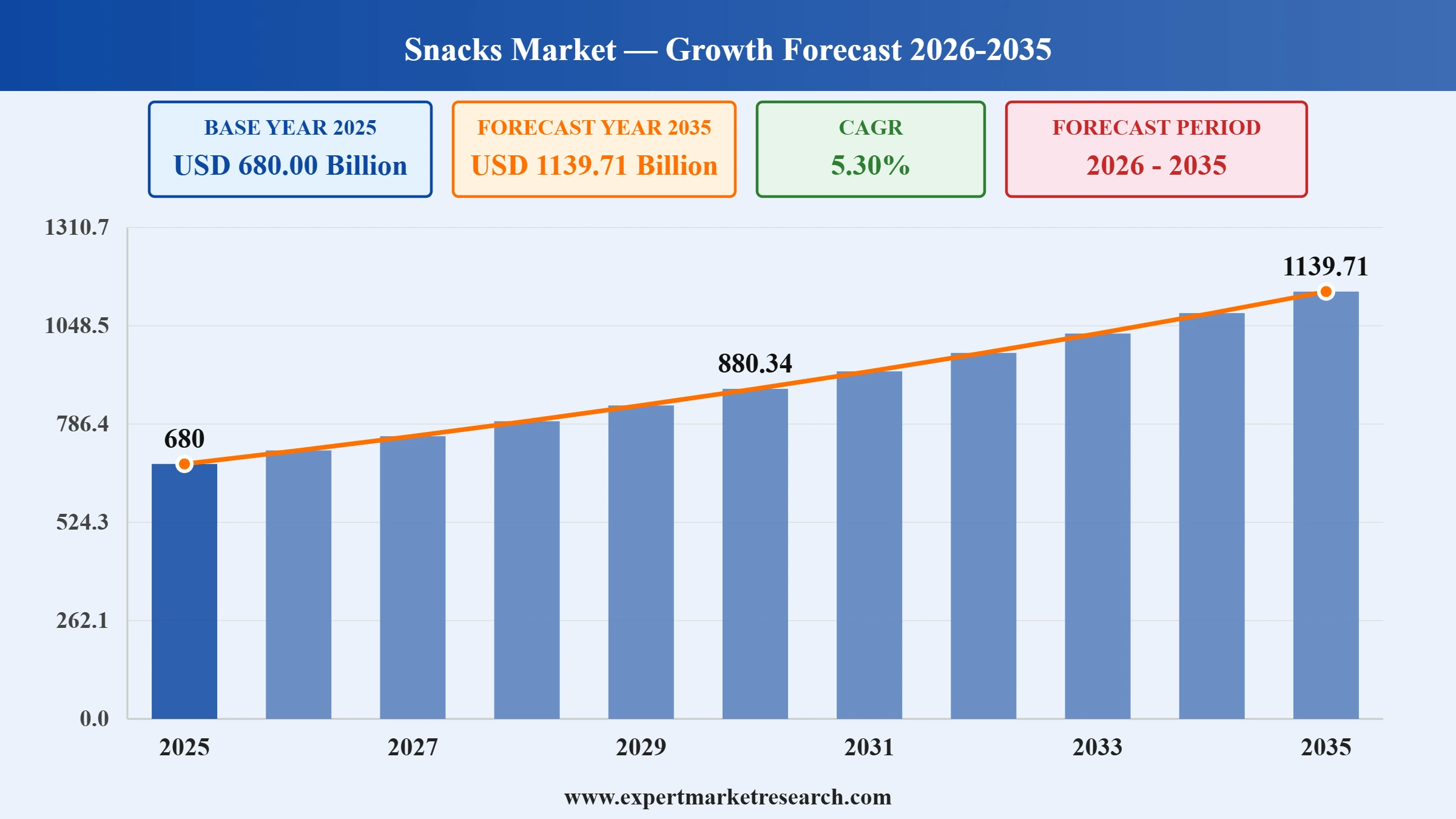
The global snacks market size was valued at USD 680.00 Billion in 2025. The market is further projected to grow at a CAGR of 5.30% between 2026 and 2035, reaching a value of USD 1139.71 Billion by 2035.
Read more about this report - REQUEST FREE SAMPLE COPY IN PDF
| Global Snacks Market Report Summary | Description | Value |
| Base Year | USD Billion | 2025 |
| Historical Period | USD Billion | 2019-2025 |
| Forecast Period | USD Billion | 2026-2035 |
| Market Size 2025 | USD Billion | 680.00 |
| Market Size 2035 | USD Billion | 1139.71 |
| CAGR 2019-2025 | Percentage | XX% |
| CAGR 2026-2035 | Percentage | 5.30% |
| CAGR 2026-2035 - Market by Region | Asia Pacific | 5.9% |
| CAGR 2026-2035 - Market by Country | India | 6.0% |
| CAGR 2026-2035 - Market by Country | Saudi Arabia | 5.7% |
| CAGR 2026-2035 - Market by Type | Fruit Snacks | 6.4% |
| CAGR 2026-2035 - Market by Distribution Channel | Online | 12.2% |
| Market Share by Country 2025 | Brazil | 2.6% |
The snacks market refers to the global industry encompassing the production, distribution, and retail of food products consumed between main meals or as convenient, on-the-go eating options. It covers a broad range of product categories including potato chips, tortilla chips, popcorn, pretzels, nuts and seeds, meat snacks, protein bars, rice cakes, crackers, fruit snacks, and better-for-you formats such as veggie puffs and legume-based snacks. Products are sold across supermarkets, convenience stores, vending machines, foodservice outlets, and e-commerce platforms. The market serves consumers across all age groups, income levels, and dietary preferences, spanning mass-market to premium and functional nutrition segments.
The snacks market is shaped by sustained consumer demand for convenient, portable, and increasingly functional food options that fit busy modern lifestyles. Savory snacks hold the largest share of total global snack sales, while better-for-you, protein-forward, and clean-label formats are the fastest-growing sub-categories. North America leads in per-capita snack consumption, supported by a well-developed retail and foodservice infrastructure, while Asia Pacific is the fastest-growing regional market driven by urbanization and expanding organized retail.
The global snacks market is growing due to fundamental shifts in consumer eating behavior, with more people replacing traditional meals with convenient, portable snack options throughout the day. Busy work schedules, longer commute times, and the normalization of hybrid working arrangements have made on-the-go snacking a daily habit across age groups. The rapid expansion of organized retail, particularly e-commerce platforms and modern convenience stores, has made snacks accessible to consumers in previously underserved markets across Asia Pacific, Latin America, and Africa. Simultaneously, rising disposable incomes in emerging economies are enabling more consumers to trade up from staple foods to packaged snack products, expanding the global addressable market for snack manufacturers.
Product innovation is a second major growth engine. Consumer demand for high-protein, clean-label, seed-oil-free, and artificial dye-free snack formats has pushed manufacturers including PepsiCo's Frito-Lay, Mondelez International, Mars, and challenger brands to continuously reformulate and launch new products that meet evolving health and wellness expectations. The influence of GLP-1 weight-loss medications on eating habits is also accelerating demand for nutrient-dense, portion-controlled, and protein-rich snack formats. Celebrity-founded brands, social media-driven product discovery, and influencer-led marketing are further shortening the time between product launch and mainstream consumer adoption, sustaining a high rate of category innovation. Strategic mergers and acquisitions, including the Mars and Kellanova combination, are additionally consolidating distribution capabilities and expanding brand reach across global markets.
Rising demand for healthier snacks, premiumisation of snack offerings, and increasing consumption of protein-rich snacks are propelling the market growth
Khloud, the snack brand founded by Khloé Kardashian, announced the launch of Khloud Protein Chips on April 2, 2026. The whole-grain tortilla chips deliver 7 grams of protein per serving, made with non-GMO real corn masa and avocado oil, and launched exclusively at Target and Target.com on April 8, 2026 in Sweet Heat, Nacho, and Buffalo flavors.
PepsiCo announced the transition of its primary snack brands in the European market to 100% recyclable or compostable flexible packaging. The company aims to eliminate virgin fossil-based plastic in its crisp and chip bags across the region by the end of 2026.
Bikaji Foods International Limited entered into a strategic distribution agreement to expand its presence in the Western United States. The partnership focuses on supplying traditional ethnic snacks to mainstream retail chains to capture the growing demand for diverse international flavors.
The USDA Economic Research Service reported that prices for "sugar and sweets" and processed snacks rose by 8.1% year-over-year. This increase is driven by rising global costs for raw materials, particularly cocoa and sugar, impacting the retail price of packaged snacks.
One of the key snacks market trends involves the rise in demand for healthier snacks, including plant-based, organic, and protein-enriched options, as consumers are seeking healthier alternatives without compromising on taste.
High premiumisation of snack offerings is driving the snacks market growth. Premium and gourmet snacks are gaining popularity due to consumer’s willingness to indulge in higher-quality, artisanal, and unique snack experiences.
The rising consumption of protein rich snacks by fitness enthusiasts for enhanced physical endurance, better immunity levels, and energy is aiding in snacks market development. Examples of such snacks include trail mixes, dark chocolates, Greek yoghurt, protein bars, and granola bars.
The demand for fresh fruits as snacks is on the rise due to increasing consumer focus on health and wellness. Consumers are seeking nutritious and low-calorie snack options, such as fruits, that are free from artificial additives and contain natural ingredients.
Snacks made from protein-rich ingredients, such as nuts, seeds, dried fruits, L-theanine, protein powders, and dark chocolate are linked to aid in weight loss, reduced stress, and improved strength. The demand for these high protein snacks reflects a growing consumer focus on the relationship between food and physical fitness, thereby accelerating the snacks market demand.
Furthermore, brands like Gardein and EVOL have recently developed plant-based snacks to meet the increasing demand for vegan options in the American diet. Gardein has introduced plant-based soups in flavours like beef & vegetable and chicken & rice, while EVOL has launched keto-friendly and gluten-free pizzas in 3-cheese and pepperoni flavours. Additionally, many regions have seen a rise in the popularity of gourmet snacks due to exposure to global cuisines through travel and social media. To cater to this demand, in August 2020, Lays launched a premium potato chips range, Lays Gourmet, in flavours like sweet chili and vintage cheese & paprika, which, in turn is driving the market’s overall value.
Global Snacks Market Report and Forecast 2026-2035 offers a detailed analysis of the market based on the following segments:
Market Breakup by Type
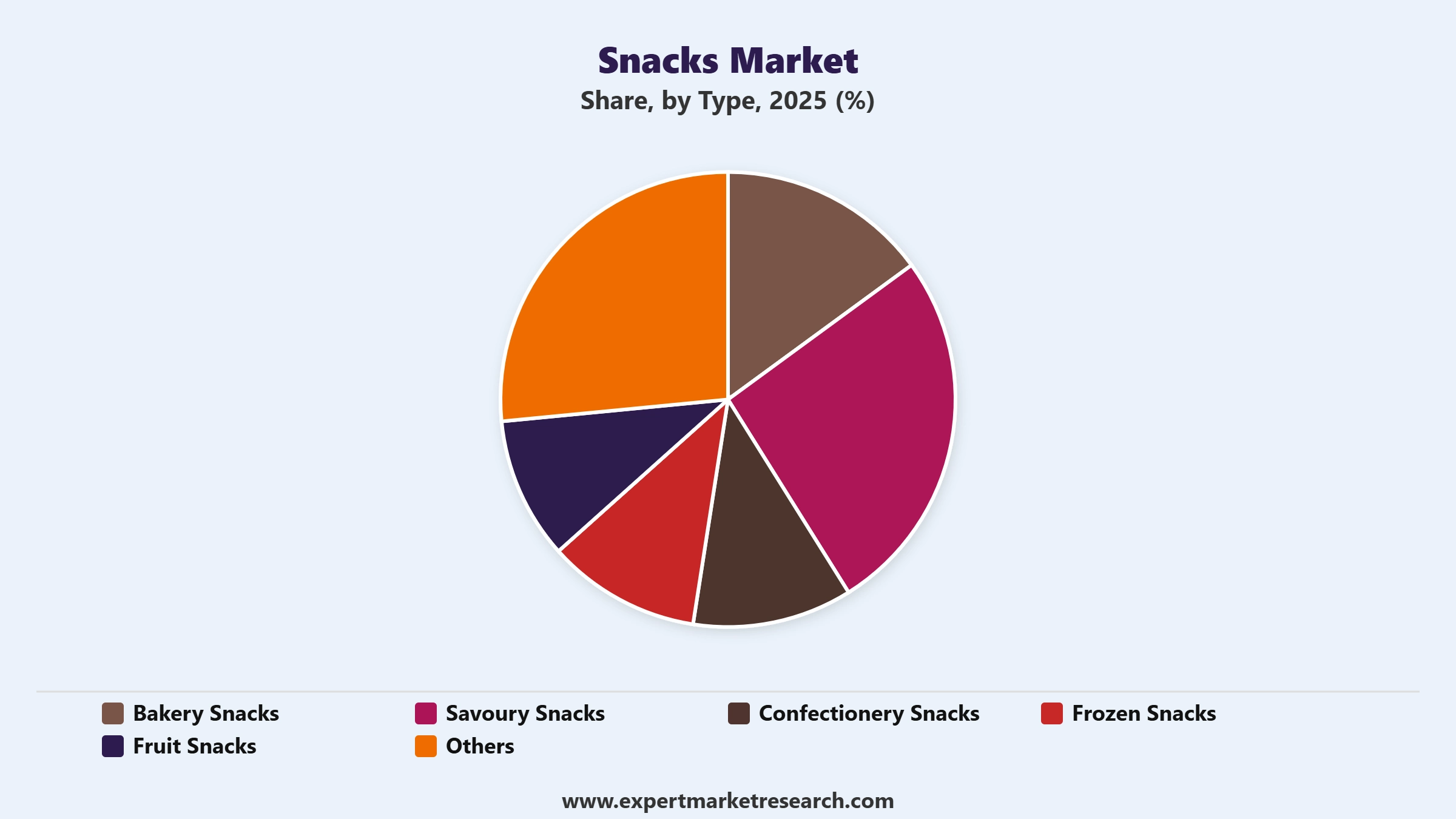
Key Insight: Savory snacks hold the largest share of the global snacks market, with potato chips, tortilla chips, and popcorn commanding the highest retail volumes across North America and Asia Pacific. Better-for-you formats are the fastest-growing sub-category. Protein-enriched formats are driving this shift. Snacks containing 10 to 20 grams of protein grew 13% in dollar sales and 9% in units during the same period. Meat snacks also recorded more than 25% growth according to SPINS 2026 trend data. Clean-label and seed-oil-free formats are additionally gaining shelf momentum across chips, puffs, and snack mixes.
Market Breakup by Distribution Channel
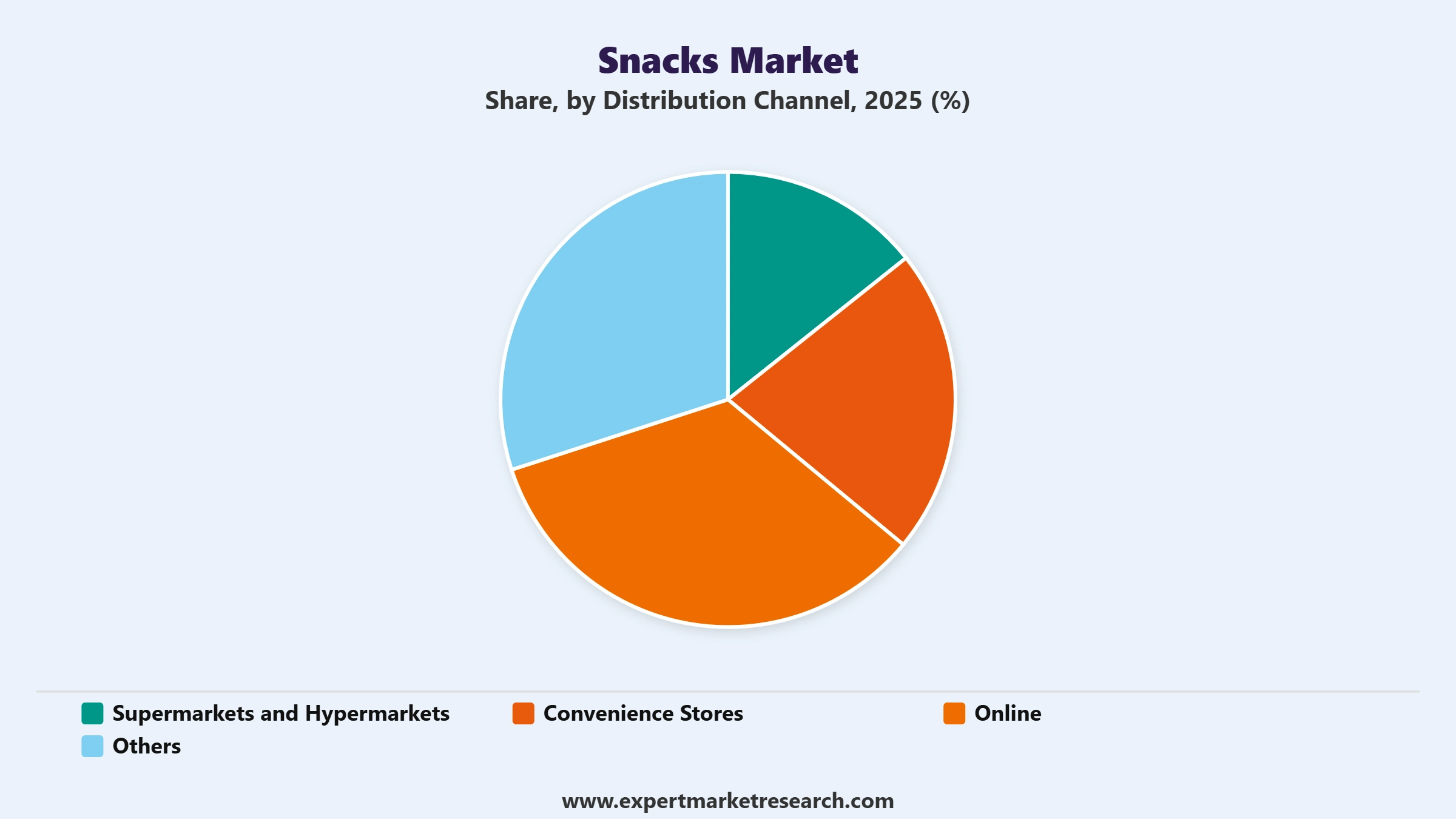
Key Insight: Supermarkets and hypermarkets remain the dominant distribution channel for snacks globally, offering broad product assortment, promotional shelf space, and high consumer footfall. Convenience stores are a critical secondary channel, particularly for impulse purchases and single-serve formats. E-commerce is the fastest-growing distribution channel. Direct-to-consumer platforms have enabled challenger brands including Khloud and HIPPEAS to scale rapidly without traditional wholesale dependency. Vending machines and foodservice outlets continue to serve on-the-go snacking occasions across workplaces, schools, and transit locations.
Market Breakup by Region
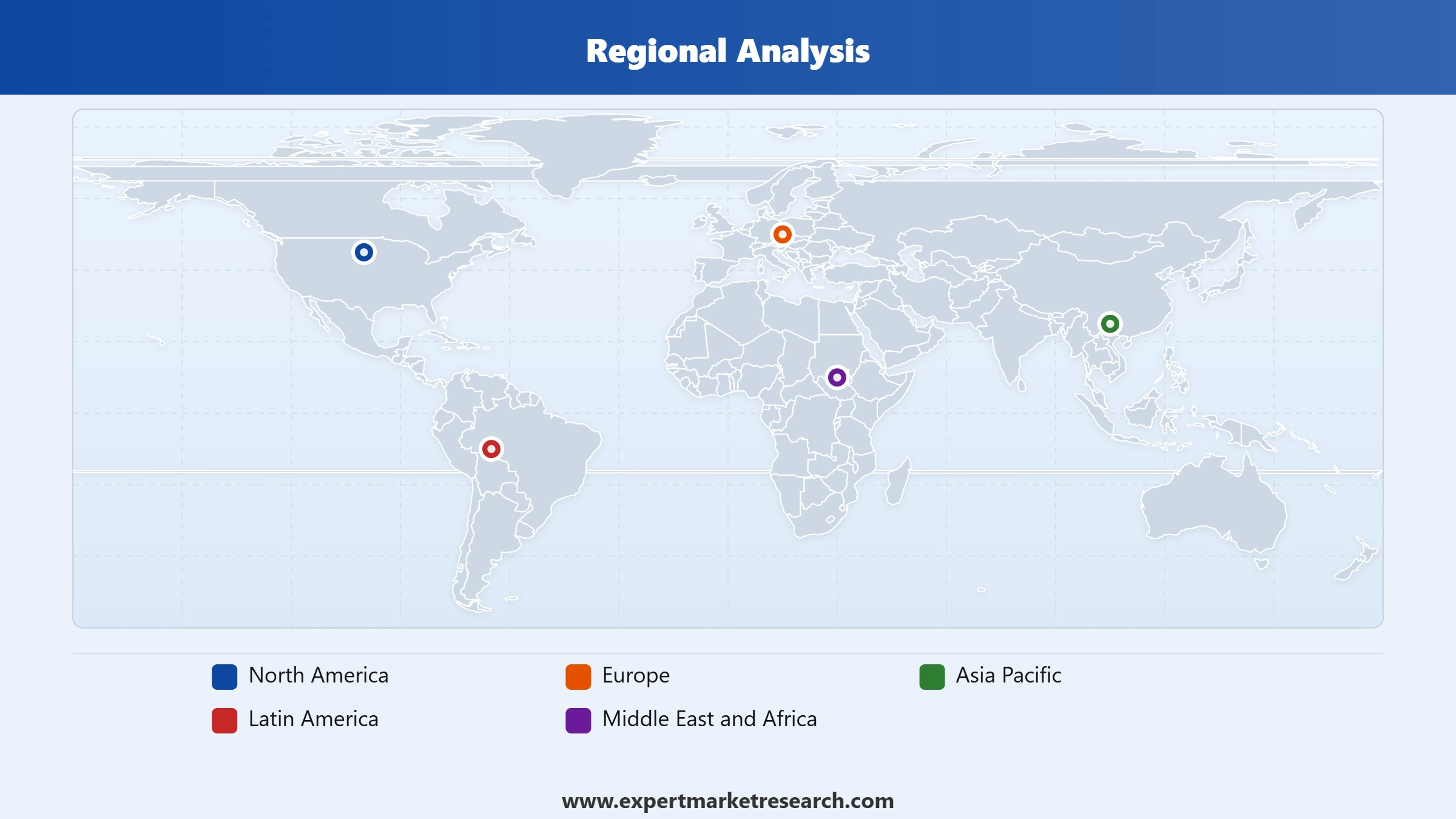
Key Insight: North America leads the global snacks market in both value and per-capita consumption, supported by a mature retail infrastructure, high brand awareness, and strong consumer spending on premium and functional snack formats. The United States is the single largest national market within the region. Asia Pacific is the fastest-growing regional market, driven by urbanization, rising middle-class incomes, and the rapid expansion of organized retail across China, India, and Southeast Asia. India and Vietnam are among the highest-growth national markets within the region. Europe is a mature but innovation-active market, where clean-label credentials, sustainable packaging, and bold global flavor profiles are the primary competitive drivers. Latin America and the Middle East and Africa represent emerging growth corridors supported by young and expanding consumer populations.
Read more about this report - REQUEST FREE SAMPLE COPY IN PDF
Supermarkets and hypermarkets are expected to dominate the market being the primary supplier of snack food
Amongst all the distribution channels, supermarkets and hypermarkets are anticipated to increase the snacks market share in the forecast period. Supermarkets and hypermarkets are the main suppliers of snacks in many developed nations. A non-profit organization called the Institute for Local Self-Reliance claims that Walmart accounts for over half of all grocery sales in the United States. The expansion of supermarkets and hypermarkets in urban areas throughout Asia Pacific and the Middle East and Africa is also fuelling the market growth. In recent years, several successful e-commerce businesses, including JD.com in China and Amazon in the United States have opened or acquired physical supermarkets.
Read more about this report - REQUEST FREE SAMPLE COPY IN PDF
The online distribution channel in the snacks market segmentation is expanding due to its provision of easy access to a variety of snacks, the ability to compare prices and reviews online, and its accessibility to consumers in remote or underserved areas. This channel eliminates geographical barriers, enabling brands to reach a larger audience and expand their global customer base. The rising snacks market share is also being attributed to collaborations between manufacturers of ready-to-eat food and online food delivery services. For example, in February 2022, Grubhub, an American online food ordering and delivery platform, collaborated with 7-Eleven, Inc. to deliver 7-Eleven’s convenience items across the US.
Savoury snacks holds a significant market share due to their widespread availability
As per global snacks market analysis, savoury snacks, including potato chips, nachos, pretzels, and nuts, hold a substantial market share, driven by their popularity as convenient and satisfying snacking options.
The affordability and widespread availability of savoury snacks contribute to their dominance, as they can be found in various retail channels and in different price ranges. Additionally, savoury snacks offer an extensive range of flavours and textures, catering to diverse consumer preferences and ensuring continuous product innovation. Market players have launched various savoury snacks in the past year, such as Lay’s Dill Pickle Chips, PepsiCo’s Sabritones, and Airsnax’s chickpea baked puffs, which has driven the market growth.
Read more about this report - REQUEST FREE SAMPLE COPY IN PDF
However, frozen snacks segment is also poised for substantial growth due to increasing preference for ready-to-eat meals and the convenience of frozen snacks, which have a long shelf life and require less time to prepare. The availability of a wide range of frozen snacks at supermarkets and hypermarkets is also fuelling the snacks market expansion. Moreover, the introduction of advanced freezing technologies helps maintain the freshness of snacks. For instance, Fresh Factory's plant-based refrigerated snack bars is indicative of the industry's response to the growing demand for frozen snack options.
Asia Pacific leads the market due to its strong snacking culture and presence of many e-commerce giants
Asia Pacific holds a significant snacks market share, driven by its strong snacking culture, innovative product launches, and the accessibility of snacks through various retail and e-commerce channels. Many e-commerce companies in the region, such as Amazon, Blinkit, and Zepto are catering to consumer’s high demand for convenient and ready-to-eat foods in the region. These companies offer discount deals which increases the product demand and sales. Additionally, the wide availability of frozen snacks in Asia Pacific has also led to the market’s expansion as they are easy to cook and have a longer shelf life and can be utilised by students, who are always looking for easy meal options due to their hectic schedules.
Furthermore, obesity and diabetes are two significant public health concerns in the United States, which can drive the demand for healthy snacks in the North American market in the coming years. The rise in health and fitness awareness has led to a decline in the consumption of high-calorie snacks, creating new opportunities for healthy snack providers, thereby propelling the snacks market growth.
Read more about this report - REQUEST FREE SAMPLE COPY IN PDF
Factors such as the high incidence of chronic diseases, changing consumer preferences, and strict regulations on artificial additives are also projected to influence the sales of healthy snacks over the next decade. In addition, the popularity of plant-based diets and veganism in a number of European nations has created a new market for organic snacks, pushing snack companies to develop innovative goods. In August 2022, Nestle S.A.'s launched Vegan KitKat in 15 European nations for consumers who are vegan.
Established players and emerging startups in snacks market are actively engaged in mergers and acquisitions to expand their global presence and product portfolio.
PepsiCo, Inc. is an American multinational food and beverage corporation that was founded in 1965. Frito-Lay, a subsidiary of PepsiCo, is known for its popular potato chip brands such as Lay's, Doritos, and Ruffles. The company has since expanded its product offerings, such as Doritos, to include a wide range of snack foods and beverages.
General Mills, Inc. was founded in 1866 and is headquartered in USA. It is a multinational manufacturer and marketer of processed consumer foods, which are sold through retail stores. Some of the well-known brands owned by General Mills include Betty Crocker, Pillsbury, Green Giant, Häagen-Dazs, and Nature Valley, among others.
Conagra Brands, Inc., founded in 1919, is a multinational food company headquartered in Chicago, United States. The company has a diverse portfolio of iconic food brands, including Marie Callender's, Duncan Hines, Birds Eye, Reddi-wip, Vlasic, Banquet, Healthy Choice, Slim Jim, Gardein, Duke's, and Frontera.
Kellanova, formerly known as the Kellogg Company, was founded in 2023 and is headquartered in Chicago, United States. It produces a variety of food products, including cereal, snacks, and convenience foods. The company's portfolio comprises well-known brands such as Kellogg's, Pringles, Cheez-It, Pop-Tarts, Eggo, RXBAR, and MorningStar Farms, among others.
Other players in the snacks market report include Nestlé S.A., Unilever Plc, Mondelez International, Inc., Mars, Incorporated, Grupo Bimbo S.A.B. de C.V., Hunter Foods LLC, and Tyson Foods, Inc., among others.
*Please note that this is only a partial list; the complete list of key players is available in the full report. Additionally, the list of key players can be customized to better suit your needs.*
The global snacks market faces mounting challenges as consumer scrutiny of ingredients intensifies alongside regulatory pressure on product formulations. The FDA's initiative to phase out petroleum-based synthetic food dyes from the U.S. food supply by the end of 2026 has forced manufacturers to undertake costly and technically complex reformulations across entire product portfolios, with natural color alternatives often delivering inconsistent results in terms of shade stability and shelf life. Simultaneously, the widespread adoption of GLP-1 weight-loss medications is reducing overall snack consumption volumes among a growing segment of the U.S. adult population, creating measurable demand softness in conventional snack categories and compelling major producers including PepsiCo and Campbell's to consolidate manufacturing capacity.
Structural restraints on market growth include rising input costs for raw materials such as cocoa, corn, and edible oils, which compress margins for manufacturers operating in price-sensitive retail environments where private label competition continues to intensify. Consumer price sensitivity following years of food inflation has made it difficult for branded snack manufacturers to sustain premium pricing, particularly in mid-tier product segments where private label alternatives have gained meaningful shelf space. Supply chain disruptions affecting agricultural commodity sourcing, combined with tightening extended producer responsibility regulations across multiple U.S. states and European markets, add further compliance and operational complexity for large-scale snack producers.
Significant growth opportunities exist in the accelerating shift toward better-for-you snacking formats, where data consistently show double-digit sales growth outpacing conventional snack categories. The intersection of protein enrichment, clean-label formulation, and bold global flavors represents a commercially proven product development pathway, as demonstrated by the rapid retail expansion of brands including Mighty Spark, HIPPEAS, and Khloud across major U.S. retail chains. International market expansion across Asia Pacific, where urbanization, rising incomes, and growing modern retail infrastructure are broadening the addressable consumer base, presents an additional long-term growth corridor for both established multinationals and digitally native snack brands.


Upto 15% Off
USD
$2499 $2249
$3999 $3599
$4999 $4249
$5999 $5099


*While we strive to always give you current and accurate information, the numbers depicted on the website are indicative and may differ from the actual numbers in the main report. At Expert Market Research, we aim to bring you the latest insights and trends in the market. Using our analyses and forecasts, stakeholders can understand the market dynamics, navigate challenges, and capitalize on opportunities to make data-driven strategic decisions.*
In 2025, the snacks market reached an approximate value of USD 680.00 Billion.
The market is expected to grow at a CAGR of 5.30% between 2026 and 2035.
The market is estimated to witness a healthy growth in the forecast period of 2026-2035 to reach USD 1139.71 Billion by 2035.
Rise in consumption of ready-to-eat foods, increasing launch of new flavours, and rising demand for organic snack variants are some of the major factors propelling the growth of the global snacks market.
Key trends aiding the market are the increasing demand for protein rich snacks, introduction of gourmet and premium food products, and entry of vegan snacks.
Major regions covered in the market include North America, Europe, Asia Pacific, Latin America, and Middle East and Africa.
The various distribution channels of the market include supermarkets and hypermarkets, convenience stores, and online, among others.
Dried fruit, granola bars, whole grain crackers, trail/cereal Mix, popcorn, raisins, and baby carrots are some examples of healthy snacks.
Key players in the market are PepsiCo, Inc., General Mills, Inc., Kellanova, Nestlé S.A., Unilever Plc, Mondelez International, Inc., Mars, Incorporated, Conagra Brands, Inc., Grupo Bimbo S.A.B. de C.V., Hunter Foods LLC, and Tyson Foods, Inc., among others.
Explore our key highlights of the report and gain a concise overview of key findings, trends, and actionable insights that will empower your strategic decisions.
| REPORT FEATURES | DETAILS |
| Base Year | 2025 |
| Historical Period | 2019-2025 |
| Forecast Period | 2026-2035 |
| Scope of the Report |
Historical and Forecast Trends, Industry Drivers and Constraints, Historical and Forecast Market Analysis by Segment:
|
| Breakup by Type |
|
| Breakup by Distribution Channel |
|
| Breakup by Region |
|
| Market Dynamics |
|
| Competitive Landscape |
|
| Companies Covered |
|
Datasheet
One User
USD 2,499
USD 2,249
tax inclusive*
Single User License
One User
USD 3,999
USD 3,599
tax inclusive*
Five User License
Five User
USD 4,999
USD 4,249
tax inclusive*
Corporate License
Unlimited Users
USD 5,999
USD 5,099
tax inclusive*
*Please note that the prices mentioned below are starting prices for each bundle type. Kindly contact our team for further details.*
Flash Bundle
Small Business Bundle
Growth Bundle
Enterprise Bundle
*Please note that the prices mentioned below are starting prices for each bundle type. Kindly contact our team for further details.*
Flash Bundle
Number of Reports: 3
20%
tax inclusive*
Small Business Bundle
Number of Reports: 5
25%
tax inclusive*
Growth Bundle
Number of Reports: 8
30%
tax inclusive*
Enterprise Bundle
Number of Reports: 10
35%
tax inclusive*
How To Order

Select License Type
Choose the right license for your needs and access rights.

Click on ‘Buy Now’
Add the report to your cart with one click and proceed to register.

Select Mode of Payment
Choose a payment option for a secure checkout. You will be redirected accordingly.
Strategic Solutions for Informed Decision-Making
Gain insights to stay ahead and seize opportunities.

Get insights & trends for a competitive edge.

Track prices with detailed trend reports.

Analyse trade data for supply chain insights.

Leverage cost reports for smart savings

Enhance supply chain with partnerships.

Connect For More Information
Our expert team of analysts will offer full support and resolve any queries regarding the report, before and after the purchase.
Our expert team of analysts will offer full support and resolve any queries regarding the report, before and after the purchase.
We employ meticulous research methods, blending advanced analytics and expert insights to deliver accurate, actionable industry intelligence, staying ahead of competitors.
Our skilled analysts offer unparalleled competitive advantage with detailed insights on current and emerging markets, ensuring your strategic edge.
We offer an in-depth yet simplified presentation of industry insights and analysis to meet your specific requirements effectively.




