

Consumer Insights
Uncover trends and behaviors shaping consumer choices today
Procurement Insights
Optimize your sourcing strategy with key market data
Industry Stats
Stay ahead with the latest trends and market analysis.
The global solar photovoltaic (PV) market attained a volume of 1657.82 Gigawatt in 2025 and is projected to expand at a CAGR of 23.30% through 2035. The market is further expected to achieve a volume of 13463.82 Gigawatt by 2035. Rising grid congestion is compelling utilities to prioritize smarter solar assets, driving demand for advanced inverters, storage ready designs, and control software that improves dispatchability and compliance across regional markets.
The market is entering a more technology-driven phase, shaped by cell architecture upgrades and tighter performance guarantees. In November 2024, LONGi commercialized its Hi MO 7 module built on HPBC 2.0 back contact cells, lifting conversion efficiency above previous mainstream limits. This has become critical for developers because higher wattage per panel reduces racking, cabling, and land use intensity, accelerating the solar photovoltaic (PV) market value.
Leading manufacturers like JinkoSolar and Trina Solar are developing advanced TOPCon formats with longer degradation warranties to secure bankable status. In parallel, inverter firms are rolling out grid forming products that stabilize frequency in weaker networks. For example, in October 2025, Orient Solar launched a N-Type TOPCon modules, that come with an efficiency of up to 23.27%, powered by 16BB-M10R N-Type cells. These solar photovoltaic (PV) market trends align with utility concerns around curtailment and grid codes, especially in emerging regions where solar penetration is rising faster than transmission upgrades.
Compound Annual Growth Rate
23.3%
Value in Gigawatt
2026-2035
Tata Group revealed plans to construct two 50 MW solar power plants in Bundelkhand and Prayagraj, in addition to rooftop solar initiatives in multiple districts throughout Uttar Pradesh, India. This rollout strengthens utility-scale and distributed deployment pipelines, reinforcing how large conglomerates are pairing renewable power generation with EV ecosystem planning.
Gokin introduced back-contact solar panels with power outputs between 480 W and 780 W for residential, commercial and industrial, and utility-scale applications. The series accommodates 1,500 V systems and attains efficiencies as high as 24.8%. This signals how manufacturers are competing on wattage density and high-voltage compatibility to reduce balance-of-system costs across project scales.
SEG Solar began building a 3GW ingot and wafer production facility in Indonesia. This solar photovoltaic (PV) market development highlights a strategic shift toward regionalizing wafer supply, improving supply chain resilience, and supporting Southeast Asia’s role in global solar manufacturing diversification.
Trinasolar launched the extensive global distribution of its TOPCon 2.0 modules, signifying a significant advancement in the deployment of high-efficiency solar technology. This accelerates adoption of next-generation n-type technology, meeting developer demand for higher yield modules across C&I rooftops and large utility installations.
The market is rapidly inclining towards the development of high-efficiency cell formats like n-type TOPCon and back-contact designs. Companies such as LONGi and Trina Solar are deploying these technologies to reduce the levelized cost of electricity by improving energy yield per area. In December 2025, Jakson Engineers Ltd announced that the company will set up a high-tech solar PV module recycling plant capable of recycling around 5,00,000 PV modules, or approximately 13,500 tons of modules per year, recovering critical materials and enabling responsible end-of-life solar management, driving demand in the solar photovoltaic (PV) market.
Smart inverter adoption is surging faster than basic PV deployment in many markets. Manufacturers like SMA and Huawei are embedding frequency regulation and grid forming capabilities to support weak grids, especially in Southeast Asia and Latin America. In India, the Central Electricity Regulatory Commission updated grid code mandates in November 2025, demanding voltage support functions for large PV plants and compelling developers to choose advanced inverters. In December 2025, Chinese inverter and energy storage manufacturer GoodWe launched three new three-phase hybrid inverter models for commercial and industrial (C&I) applications. These solar photovoltaic (PV) market trends unlock additional revenue streams through ancillary services contracts with utilities.
Corporate Power Purchase Agreements (PPAs) continue to drive utility-scale solar uptake. Governments are strengthening this trend with enabling frameworks, for instance, in the United States, the Inflation Reduction Act extended tax credits tied to domestic manufacturing in March 2025, making corporate PPA pricing more attractive, creating new solar photovoltaic (PV) market opportunities. In Europe, the new Renewable Energy Directive offers incentives for corporate self-consumption and long-term contracts. In December 2025, Japanese renewable energy developer Shizen Energy announced that it has signed a PPA with Google to develop a 29.9 MW solar photovoltaic project in Malaysia. Developers and module makers now target this category with tailored guarantees, faster delivery slots, and contract structures that mitigate shape risk.
Supply chain security has become a strategic priority for the majority of the market players. The United States and European Union are offering subsidies to onshore PV manufacturing to reduce reliance on imports. In December 2025, Waaree Energies reached aggregate solar module manufacturing capacity of about 22.3 GW across the world, including 19.7 GW in India and 2.6 GW in the United States, following completion of a 1.5 GW expansion at its Samakhiali facility in Kutch, Gujarat. India’s Production Linked Incentive scheme for solar modules and cells continues to attract investment from global firms seeking tariff benefits, redefining the solar photovoltaic (PV) market trends and dynamics. B2B buyers increasingly seek suppliers with localized footprints to minimize geopolitical risk and logistics costs.
As the installed solar base ages, end-of-life management is gaining major momentum in the market. Firms like First Solar are focusing on module recycling in North America with defined take-back programs that recover glass and semiconductor materials. The European Union’s Waste Electrical and Electronic Equipment (WEEE) directive also enforces higher recycling targets, pressuring manufacturers to design for disassembly, broadening the solar photovoltaic (PV) market scope. In June 2025, Solar manufacturer Qcells launched a recycling arm, called EcoRecycle, and a recycling plant in Georgia, United States. New entrants in Japan and South Korea are marketing recycling-ready panels to gain access to regulated markets.
Read more about this report - REQUEST FREE SAMPLE COPY IN PDF
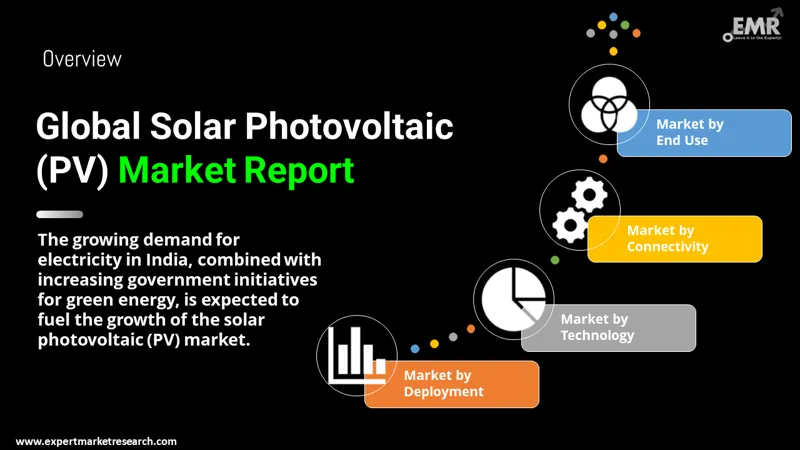
The EMR’s report titled “Global Solar Photovoltaic (PV) Market Report and Forecast 2026-2035” offers a detailed analysis of the market based on the following segments:
Market Breakup by Technology
Key Insight: Mono-Si leads the solar photovoltaic (PV) market growth due to reliability, scalability, and bankability. Thin film gains traction where climate resilience and compliance dominate procurement decisions. Multi-Si technology continues to shrink its market shares as efficiency gaps widen, while others remain experimental or application specific. Buyers align technology selection with financing structures, land constraints, and grid requirements.
Market Breakup by Deployment
Key Insight: Deployment trends in the solar photovoltaic (PV) market show a clear split between centralized scale and decentralized resilience. Ground-mounted projects dominate utility planning and supplier volumes. Rooftop systems grow at a faster pace due to corporate demand and policy support. Both deployment categories serve different risk profiles and investment goals. This categorization reflects how solar adoption is shaped by grid structure, land availability, and end user priorities.
Market Breakup by Connectivity
Key Insight: Connectivity choices depend on infrastructure maturity and operational priorities. On-grid systems lead the demand growth due to financing ease and grid integration. Off-grid systems expand where reliability and autonomy matter more than scale. Both categories that are considered in the solar photovoltaic (PV) market report influence inverter design and system architecture. This balance highlights how solar adapts to both advanced and underserved power environments.
Market Breakup by End Use
Key Insight: Utilities dominate the global industry through centralized planning and volume procurement. Commercial users expand their market shares due to autonomy and sustainability goals, while residential adoption remains fragmented. Suppliers increasingly tailor products to specific buyer expectations. The current solar photovoltaic (PV) market trajectory shows clear specialization by customer type rather than one size fits all strategies.
Market Breakup by Region
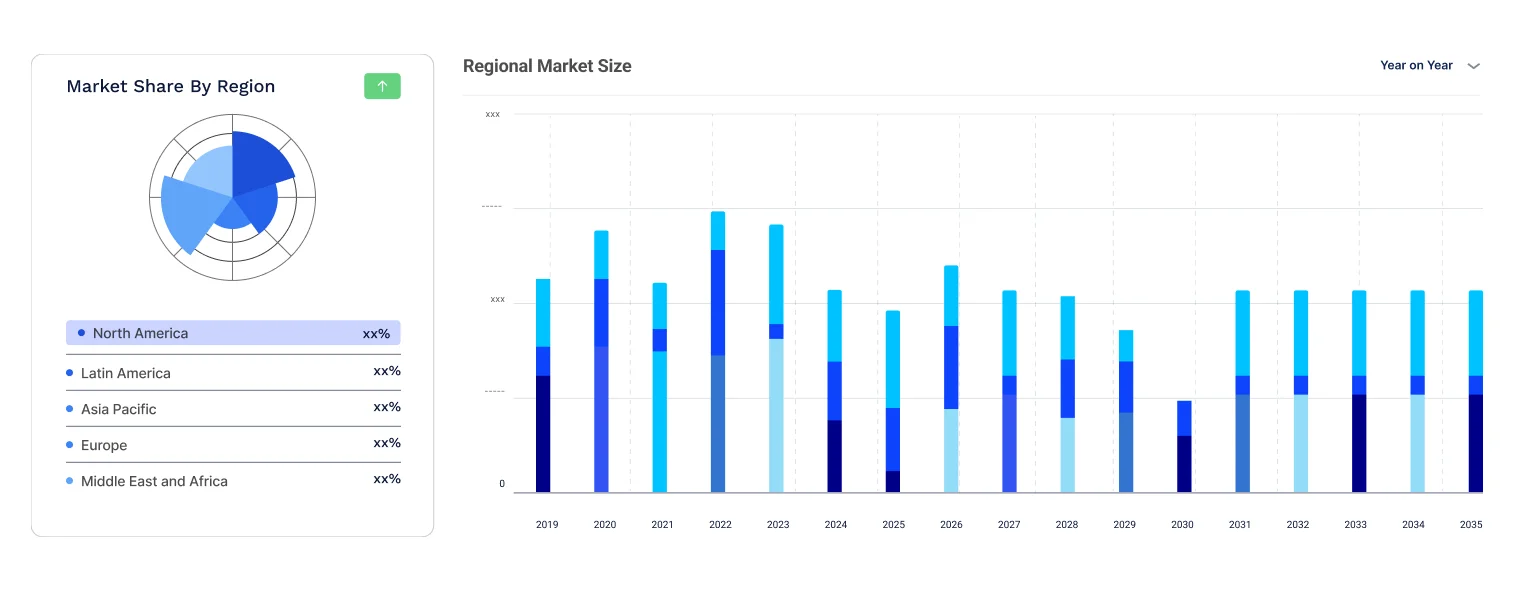
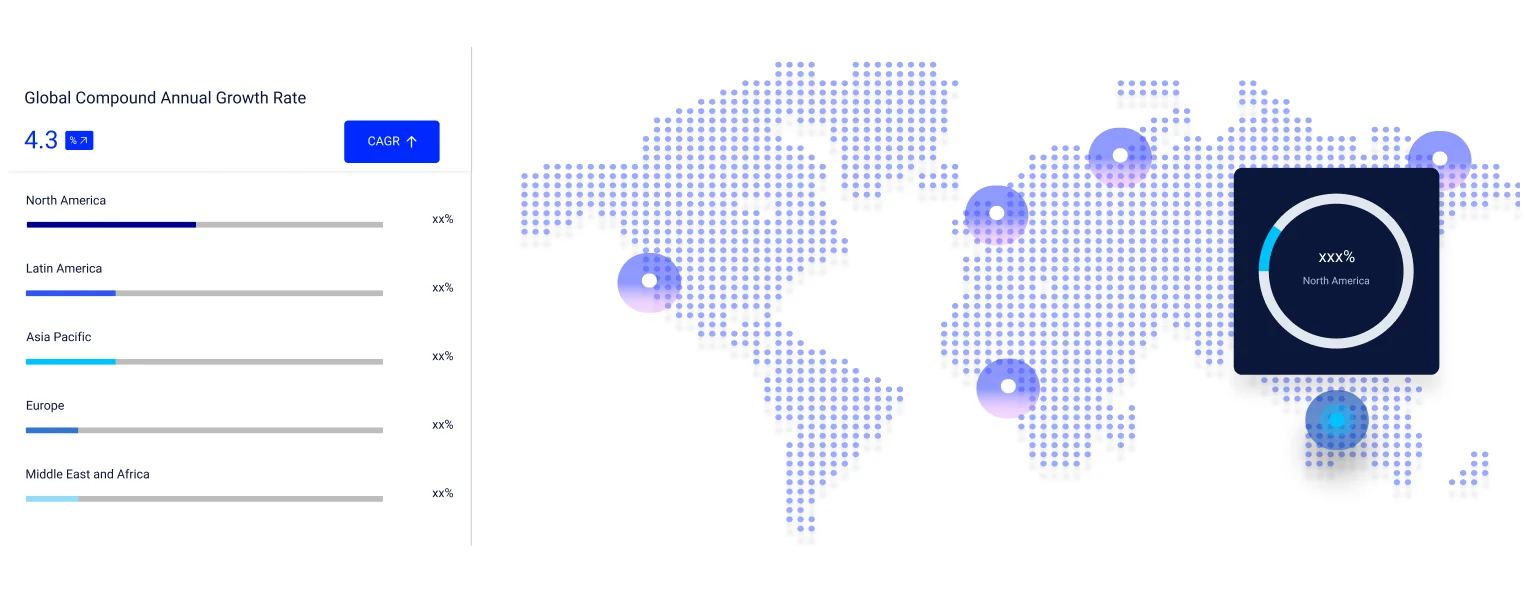
Key Insight: Regional solar photovoltaic (PV) market dynamics reflect policy ambition and industrial capacity. Asia Pacific dominates through scale and manufacturing while, the Middle East and Africa regional market grows at the fastest pace through strategic diversification. North America and Europe focus on compliance and resilience and Latin America advances through private investment. Regional differences shape supplier strategies and project models globally.
Read more about this report - REQUEST FREE SAMPLE COPY IN PDF
Mono-Si technology registers the largest market share due to efficiency reliability scale
Monocrystalline silicon continues to dominate solar PV installations because developers trust its efficiency consistency across utility and commercial projects. Large manufacturers prioritize mono-Si lines since they align better with n-type upgrades and longer performance warranties demanded by financiers. Project owners favor this technology when land availability is constrained, or output guarantees are strict. In April 2025, LONGi independently developed a two-terminal crystalline silicon-perovskite tandem solar cell that has achieved a conversion efficiency of 34.85%. This technology’s dominance in the solar photovoltaic (PV) market dynamics is reinforced by strong manufacturing yields and predictable degradation profiles.
Thin film solar is emerging as the fastest growing technology due to its unique positioning in large scale and regulated projects. Developers value thin film modules for superior temperature performance and lower degradation in harsh climates. Manufacturers are promoting these systems where grid operators prioritize stability over peak efficiency. Asset owners increasingly see thin film as a hedge against silicon supply volatility. Its recyclability profile strengthens acceptance among utilities with ESG mandates.
Ground-mounted solar deployment account for the largest share due to utility scale economics
Ground-mounted solar dominates deployment because utilities and independent power producers favor scale and centralized control. Large projects allow developers to negotiate stronger procurement terms with module and inverter suppliers. Grid planners also prefer centralized assets for forecasting and dispatch management. Ground-mounted systems integrate more easily with advanced inverters and storage-ready designs. Developers increasingly bundle long term operations contracts into these projects. Land leasing models further reduce upfront capital strain, propelling the solar photovoltaic (PV) market growth.
Rooftop solar is expanding their shares rapidly as commercial and industrial users pursue energy cost control and resilience. Businesses prefer rooftop systems to hedge against grid instability and tariff uncertainty. Manufacturers are tailoring lighter modules and simplified mounting systems to speed installation. Governments support rooftop adoption through net metering reforms and self-consumption incentives. EPC firms are also building specialized rooftop teams to serve logistics parks, data centers, and retail chains.
By connectivity, on-grid systems dominate the market due to grid integration and revenue visibility
On-grid solar systems lead the solar photovoltaic (PV) demand because utilities and developers rely on grid access for revenue stability. These systems benefit from predictable offtake arrangements and grid balancing mechanisms. Manufacturers design inverters and protection systems specifically for grid compliance. On-grid projects also attract institutional capital more easily due to established regulatory frameworks. In December 2025, Saatvik Green Energy launched the UDAY Series on-grid solar inverters. The series includes single-phase inverters (1.1 kW–6 kW) for residential and small commercial rooftops and three-phase inverters (6 kW–50 kW) for residential, commercial and industrial applications. Utilities prefer connected assets to optimize load management and renewable targets. Grid-connected solar supports ancillary services markets as well.
Off-grid connectivity is observing rapid growth in the solar photovoltaic (PV) market in remote regions and industrial applications where grid access is unreliable. Mining, telecom, and rural infrastructure projects increasingly deploy hybrid off-grid systems. Manufacturers integrate storage and energy management software to improve reliability. Governments promote off-grid solar to reduce diesel dependence and expand electrification. Even EPC firms see higher margins due to system complexity.
Utility end use leads the demand growth due to scale procurement and long-term contracts
Utility scale solar continues to be dominant because it aligns with national renewable targets and grid planning strategies. Utilities prefer large projects to optimize transmission investments. Module and inverter suppliers prioritize utility customers for predictable demand. Long term power contracts support financing stability. Developers benefit from standardized designs and repeatable execution. This category anchors the solar ecosystem and drives manufacturing roadmaps, accelerating the solar photovoltaic (PV) market revenue.
Commercial solar adoption is accelerating as businesses seek energy cost certainty and ESG alignment. Warehouses, factories, and offices invest in on-site renewable energy generation. Suppliers customize solutions for load matching and space constraints. Governments encourage commercial solar through tax incentives and net billing reforms, while EPC firms bundle monitoring and maintenance services. Growth in this particular end use category is driven by board-level sustainability decisions rather than policy alone.
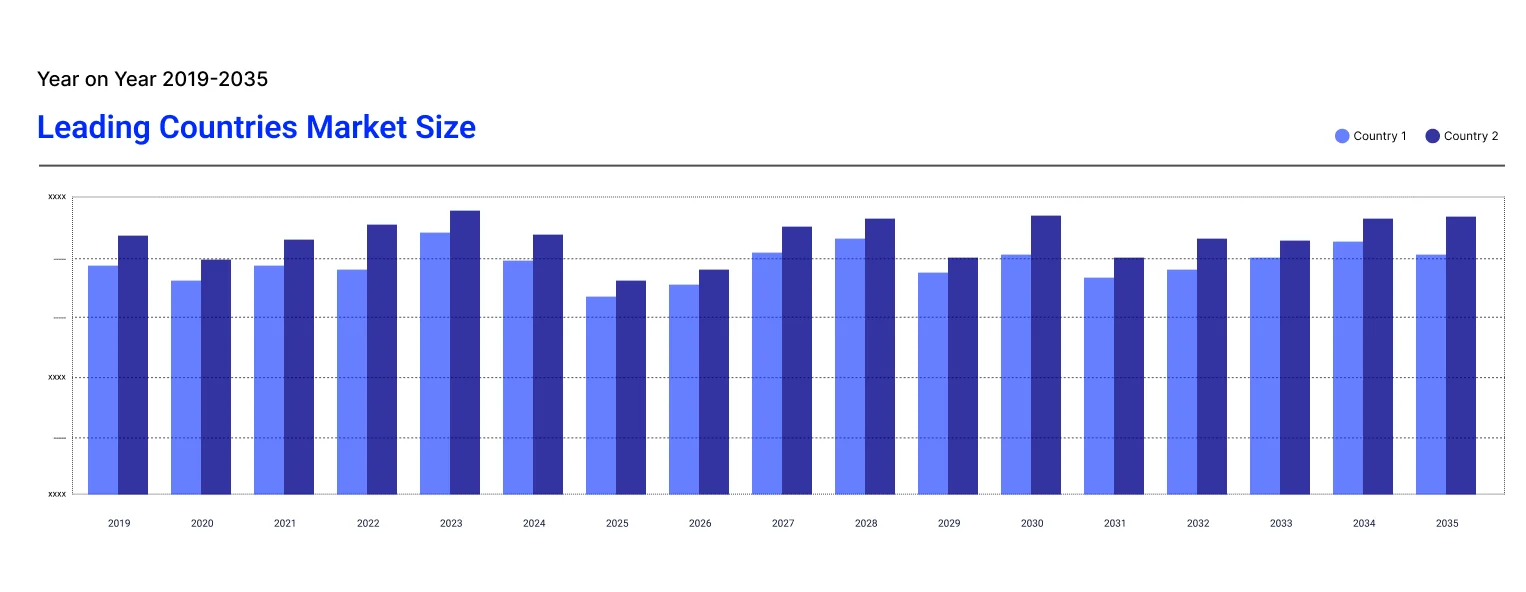
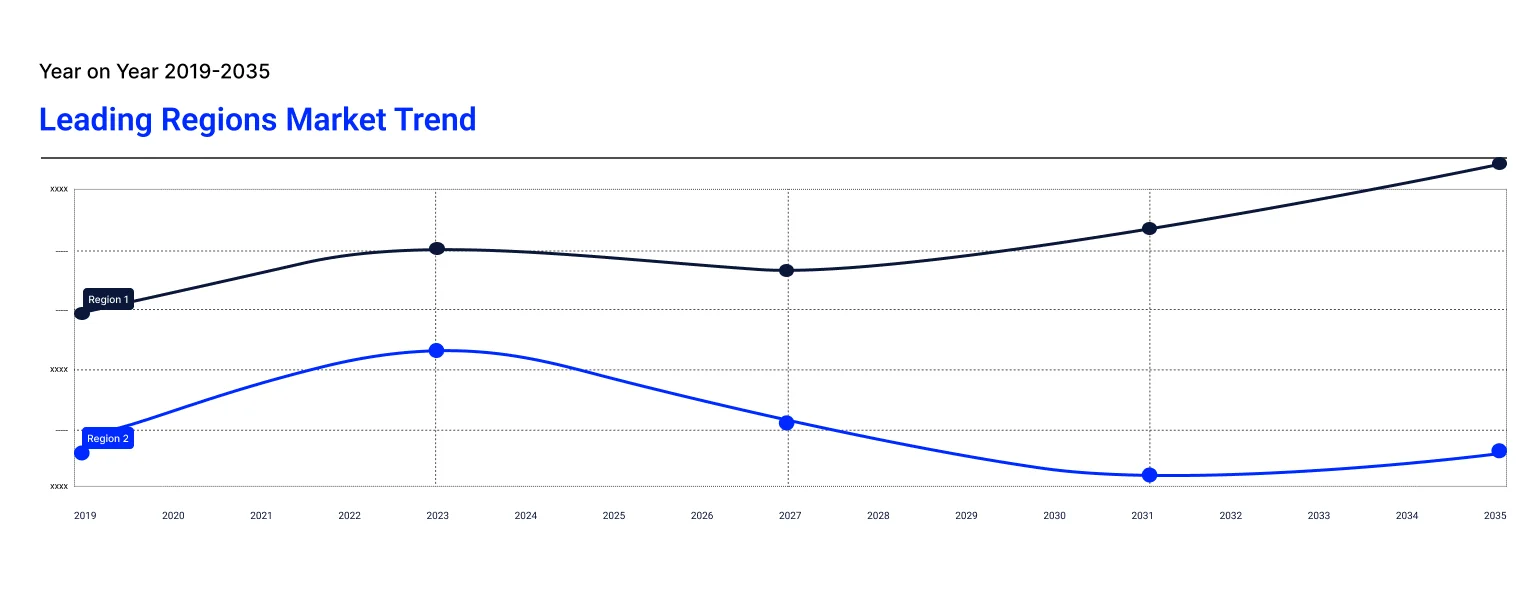
Asia Pacific led the market due to manufacturing depth and deployment pace
Asia Pacific leads the solar photovoltaic (PV) market due to integrated manufacturing ecosystems and aggressive deployment policies. Governments prioritize solar power for energy security and industrial growth. Local suppliers benefit from scale and cost control. Developers execute projects rapidly due to established supply chains. Grid expansion supports ongoing capacity additions. Export-oriented factories also influence global module standards, while domestic auctions push manufacturers to commercialize efficiency upgrades faster than other regions.
Middle East and Africa represent the fastest growing regional market as countries diversify their energy sources. Governments launch large tenders to reduce fuel imports, while developers favor solar due to high irradiation and falling system costs. State-backed utilities often anchor projects, giving suppliers long visibility, while hybrid solar-plus-storage models are gaining traction across desert and remote markets. In December 2025, GameChange Solar was selected to supply its Genius Tracker 1P system for the Khulis solar PV independent power plant, being developed by ACWA Power.
Competition in the market is being shaped by technology depth, supply reliability, and lifecycle services rather than module pricing alone. Leading solar photovoltaic (PV) market players are concentrating on high-efficiency cell architectures, degradation control, and differentiated warranties to secure long-term contracts with utilities and corporates. Opportunities are emerging around grid-forming inverters, recycling-linked supply models, and region-specific manufacturing footprints aligned with government incentives.
Solar photovoltaic (PV) companies are also investing in digital monitoring platforms to improve post-installation performance visibility, which financiers now closely track. Another focus area is vertical integration, allowing players to manage quality and delivery risk more tightly. As grid congestion rises, suppliers offering system-level solutions instead of standalone modules are gaining preference.
Established in 2000 and headquartered in China, LONGi focuses on monocrystalline and back-contact technologies to improve module efficiency and reliability. The company invests heavily in cell architecture innovation, targeting lower degradation and higher energy yield. LONGi caters primarily to utility and large commercial developers seeking bankable products.
Founded in 2006 and headquartered in Shanghai, China, JinkoSolar emphasizes n-type TOPCon technology and large-format modules. The company serves global utility developers and EPC firms by offering scalable production and consistent delivery timelines. JinkoSolar actively aligns product roadmaps with grid compliance requirements and degradation guarantees.
Established in 1997 and headquartered in China, Trina Solar positions itself as a system-level solutions provider. Beyond modules, the company develops tracker-compatible designs and integrated performance optimization tools. Trina focuses on utility and hybrid solar-plus-storage projects, supporting developers seeking higher project returns.
Founded in 2005 and headquartered in Beijing, China, JA Solar concentrates on cell efficiency improvements and stable mass production. The company supplies modules to utility, commercial, and distributed projects with an emphasis on consistent quality. JA Solar invests in incremental process optimization rather than disruptive redesigns, which appeals to developers prioritizing reliability.
*Please note that this is only a partial list; the complete list of key players is available in the full report. Additionally, the list of key players can be customized to better suit your needs.*
Other key players in the market include Canadian Solar Inc., Risen Energy Co., Ltd., First Solar Inc., Hanwha Group, Golden Concord Holdings Limited, CHINT Group, Wuxi Suntech Power Co., Ltd., and Adani Group, among others.
Unlock the latest insights with our solar photovoltaic (PV) market trends 2026 report. Discover regional growth patterns, consumer preferences, and key industry players. Stay ahead of competition with trusted data and expert analysis. Download your free sample report today and drive informed decisions in the market.
India Solar Photovoltaic (PV) Market


Upto 15% Off
USD
$2499 $2249
$3999 $3599
$4999 $4249
$5999 $5099


*While we strive to always give you current and accurate information, the numbers depicted on the website are indicative and may differ from the actual numbers in the main report. At Expert Market Research, we aim to bring you the latest insights and trends in the market. Using our analyses and forecasts, stakeholders can understand the market dynamics, navigate challenges, and capitalize on opportunities to make data-driven strategic decisions.*
In 2025, the market reached an approximate volume of 1657.82 Gigawatt.
The market is projected to grow at a CAGR of 23.30% between 2026 and 2035.
The market is estimated to witness healthy growth in the forecast period of 2026-2035 to reach almost 13463.82 Gigawatt by 2035.
Stakeholders are strengthening local supply chains, investing in advanced cell technologies, bundling digital monitoring services, aligning with grid codes, and structuring long-term partnerships to reduce risk exposure.
The key trends for the solar photovoltaic (PV) market include rapid technological advancements and increasing demand for renewable electricity
The major regions in the market are North America, Europe, the Asia Pacific, Latin America, and the Middle East and Africa.
The various technologies for solar photovoltaics include thin film, multi-Si, and mono-Si, among others.
The various deployments of solar photovoltaics include ground-mounted and rooftop solar.
The various connectivity options in the market include on-grid and off-grid.
The different end-user in the market for solar photovoltaics include residential, commercial, and utility.
The key players in the solar photovoltaic (PV) market include LONGi Green Energy Technology Co., Ltd., Jinko Solar Co., Ltd., Trina Solar, JA SOLAR Technology Co., Ltd., Canadian Solar Inc., Risen Energy Co., Ltd., First Solar Inc., Hanwha Group, Golden Concord Holdings Limited, CHINT Group, Wuxi Suntech Power Co., Ltd., and Adani Group, among others.
Rising grid constraints, trade restrictions, supply chain localization pressure, and tightening performance warranties are increasing operational complexity, forcing companies to balance innovation speed with manufacturing stability and long-term bankability.
Explore our key highlights of the report and gain a concise overview of key findings, trends, and actionable insights that will empower your strategic decisions.
| REPORT FEATURES | DETAILS |
| Base Year | 2025 |
| Historical Period | 2019-2025 |
| Forecast Period | 2026-2035 |
| Scope of the Report |
Historical and Forecast Trends, Industry Drivers and Constraints, Historical and Forecast Market Analysis by Segment:
|
| Breakup by Technology |
|
| Breakup by Deployment |
|
| Breakup by Connectivity |
|
| Breakup by End Use |
|
| Breakup by Region |
|
| Market Dynamics |
|
| Competitive Landscape |
|
| Companies Covered |
|
Datasheet
One User
USD 2,499
USD 2,249
tax inclusive*
Single User License
One User
USD 3,999
USD 3,599
tax inclusive*
Five User License
Five User
USD 4,999
USD 4,249
tax inclusive*
Corporate License
Unlimited Users
USD 5,999
USD 5,099
tax inclusive*
*Please note that the prices mentioned below are starting prices for each bundle type. Kindly contact our team for further details.*
Flash Bundle
Small Business Bundle
Growth Bundle
Enterprise Bundle
*Please note that the prices mentioned below are starting prices for each bundle type. Kindly contact our team for further details.*
Flash Bundle
Number of Reports: 3
20%
tax inclusive*
Small Business Bundle
Number of Reports: 5
25%
tax inclusive*
Growth Bundle
Number of Reports: 8
30%
tax inclusive*
Enterprise Bundle
Number of Reports: 10
35%
tax inclusive*
How To Order

Select License Type
Choose the right license for your needs and access rights.

Click on ‘Buy Now’
Add the report to your cart with one click and proceed to register.

Select Mode of Payment
Choose a payment option for a secure checkout. You will be redirected accordingly.
Strategic Solutions for Informed Decision-Making
Gain insights to stay ahead and seize opportunities.

Get insights & trends for a competitive edge.

Track prices with detailed trend reports.

Analyse trade data for supply chain insights.

Leverage cost reports for smart savings

Enhance supply chain with partnerships.

Connect For More Information
Our expert team of analysts will offer full support and resolve any queries regarding the report, before and after the purchase.
Our expert team of analysts will offer full support and resolve any queries regarding the report, before and after the purchase.
We employ meticulous research methods, blending advanced analytics and expert insights to deliver accurate, actionable industry intelligence, staying ahead of competitors.
Our skilled analysts offer unparalleled competitive advantage with detailed insights on current and emerging markets, ensuring your strategic edge.
We offer an in-depth yet simplified presentation of industry insights and analysis to meet your specific requirements effectively.




