Consumer Insights
Uncover trends and behaviors shaping consumer choices today
Procurement Insights
Optimize your sourcing strategy with key market data
Industry Stats
Stay ahead with the latest trends and market analysis.
The South Korea heat exchanger market attained a value of USD 414.60 Million in 2025 and is projected to expand at a CAGR of 4.70% through 2035. The market is further expected to achieve USD 656.29 Million by 2035. The growing capacity of South Korean semiconductor production facilities is contributing to the rising demand for precisely designed heat exchangers that will keep process temperatures stable and will ensure the uninterrupted operation of the equipment.
The South Korea heat exchanger market is becoming increasingly strategic due to the production of advanced thermal management systems used in the operation of electric cars, semiconductor fabs, industrial processes, and energy infrastructures. One of the new solutions is the fourth generation of Hanon Systems' heat pump system for electric cars, which became available in August 2024. It involves recovery of battery and motor waste heat and use of outside air as parallel heat sources. This opens up an opportunity for heat exchanger manufacturers to produce small heat exchangers and optimize energy consumption in vehicles.
Another area where the South Korea heat exchanger market growth is accelerated is industrial decarbonization, especially for manufacturers of plate heat exchangers, heat recovery systems, and industrial heating equipment. In line with the South Korea’s 2024-2028 district energy plan promotes cleaner heat sources, targeting 4.46 million households and expanded industrial energy facilities. Thus, equipment suppliers should focus on producing systems capable of heat recovery and increasing thermal efficiency.
Growing demand in the South Korea heat exchanger market is also driven by the growing scope of energy-intensive industrial activities as well as the necessity to control temperatures effectively. The petrochemical companies need heat exchangers resistant to the effects of harsh process environments, whereas pharmaceutical companies look for equipment that can be sterilized easily and will control the temperature. At the same time, the construction of ships requires robust heat exchangers to be installed onboard.
Compound Annual Growth Rate
4.7%
Value in USD Million
2026-2035
Read more about this report - REQUEST FREE SAMPLE COPY IN PDF
Samjung Tech demonstrated a 10-kW cooling prototype using 40°C waste heat, targeting factories, data centers, hospitals, and commercial buildings. Manufacturers in the South Korea heat exchanger market can design effective waste heat recovery devices for industrial plants and data centers with a need for energy-efficient cooling technologies.
DASCO and Heat Solution completed their participation in the Environment Marathon in Busan, emphasizing the company’s ESG priorities, environment-friendly attitude, health and well-being of employees, and teamwork within the company. Heat exchanger manufacturers can enhance their sustainability activities and offer energy-efficient thermal management technologies to industrial companies.
Hanon Systems launched a modular EV thermal management system which incorporates heat exchanger, chiller, condenser, and e-Compressor components. Heat exchanger companies can create compact thermal management parts for electric cars that help automakers in improving their energy efficiency and system integration process.
Alfa Laval and IAE cooperated on the construction of the world's first large liquid-air energy storage facility in South Korea, delivering cryogenic heat exchangers and pumps. Companies can look for energy storage projects and offer special cryogenic heat exchanger equipment, boosting demand in the South Korea heat exchanger market.
The South Korea heat exchanger market observes significant demands from electric vehicles manufacturers on heat exchanger manufacturers to come up with advanced heat exchangers to increase the efficiency of batteries, passenger comfort, and driving range. For example, in October 2026, Renault announced plans to begin South Korean BEV production in 2028, integrating advanced driver-assistance technologies and expanding exports from Busan. Hyundai Mobis is also coming up with a pulsating heat pipe that is designed to distribute heat across the battery cells while charging at an ultrarapid rate.
The district energy policy of the country is presenting a great opportunity for South Korea heat exchanger market companies to come up with heat exchangers that can recover heat that would otherwise be wasted. Manufacturers can design plate heat exchangers and shell-and-tube heat exchangers that will handle variable heat loads, industrial wastewater, and power facilities for district heating. For example, in November 2025, ABB and Korea District Heating Corporation partnered to develop AI-enabled heating networks, improving efficiency, reliability, and sustainability for 1.9 million households.
A high level of accuracy and heat exchangers which maintain stable temperatures during the manufacturing process in support facilities of South Korea's semiconductor industry are in demand. As part of the February 2026 SK hynix's KRW 21.6 trillion investment plan to build a first Yongin semiconductor fab by 2030, the company revealed plans for additional cleanrooms construction. Growth in capacity requires reliable process cooling systems, temperature control in utilities and equipment for operating in difficult conditions. Possible directions for South Korea heat exchanger market companies include production of semiconductor grade plate heat exchangers, compact cooling units, and corrosion resistant heat exchangers.
Growing development of artificial intelligence infrastructure is bringing new opportunities for South Korea heat exchanger market companies in providing cooling services to high-density computing facilities. In April 2025, LG Electronics, Korea Electric Power Corporation and Hanwha announced the creation of a 10-megawatt data center that will combine renewable energy and direct current power infrastructure. LG Electronics is creating a specialized chiller for such a facility, whereas KEPCO is bringing low voltage direct current technology.
Manufacturers in the South Korea heat exchanger market are enhancing their abilities to localize the products through proper engineering to cater to the needs of industrial clients who need reliable thermal equipment, and equipment customized for certain applications. TheMG offers its MPX plate heat exchanger design program, which is certified by the Air-Conditioning, Heating, and Refrigeration Institute, and caters to gasketed, brazed, and plate-and-shell exchangers. Moreover, in September 2026, Mitsubishi Electric developed a plate heat exchanger delivering triple heat-transfer performance while reducing refrigerant requirements by approximately two-thirds for safer, greener heat pumps. Through such an ability, it allows engineers to configure their equipment based on the characteristics of fluids and other specifications.
The Expert Market Research's report titled “South Korea Heat Exchanger Market Report and Forecast 2026-2035” offers a detailed analysis of the market based on the following segments:
Market Breakup by Type
Key Insight: As per the South Korea heat exchanger market report, there exists different types of heat exchangers, including shell and tube, air cooled, plate and frame, and others that have specific applications. Shell and tube heat exchangers find applications in petrochemical processing, power generation, and high-pressure industries where robustness of construction is of great importance. Air-cooled heat exchangers are particularly suitable for industries that require efficient cooling but have limited access to water, as they use ambient air instead of cooling water to dissipate heat.
Market Breakup by Material
Key Insight: Material selection for heat exchangers in South Korea is a function of corrosion resistance, operating pressure, temperature, fluid type, and life-cycle cost. Stainless steel finds use in HVAC applications, food processing applications, pharmaceutical applications, and chemical applications for its toughness and corrosion resistance properties. Carbon steel is viable for traditional industrial applications such as oil circulating applications, water applications, contributing to the overall South Korea heat exchanger market value. Nickel-based alloys come in handy for unique environments that have aggressive chemicals and elevated temperatures.
Market Breakup by End Use
Key Insight: The South Korea heat exchanger market companies target HVAC systems, chemical processing, oil and gas, power generation, paper & pulp, and various other industries for applications. HVAC applications need equipment that is proficient in heating, cooling, refrigeration, and heat recovery. For chemical companies, the most important factor is accuracy in temperature control, corrosive nature, and process fluid compatibility. In oil and gas applications, heat exchangers need to be able to provide process heating, cooling, condensing, and fluid treatment. Thermal exchange equipment used in power generation requires steam condensing and auxiliary cooling applications. Heat exchangers used by paper and pulp companies include process water heating and condensate recovery applications.
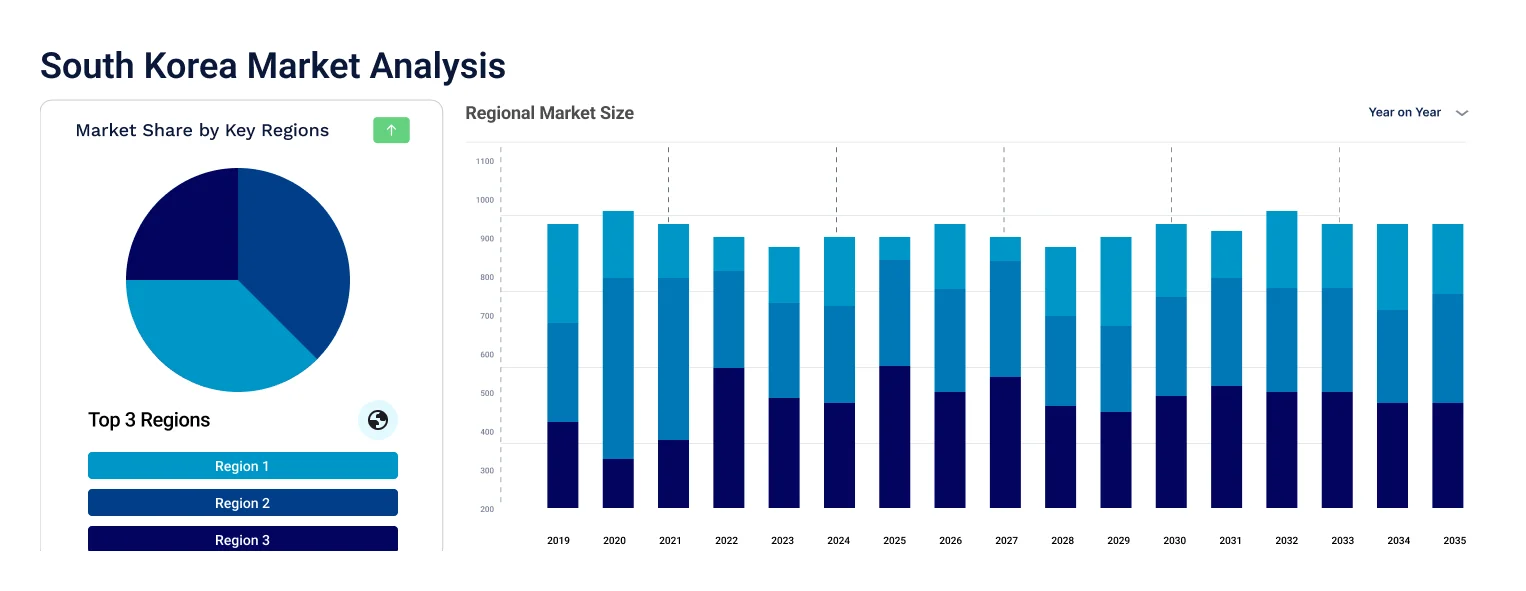
Read more about this report - REQUEST FREE SAMPLE COPY IN PDF
Shell and tube heat exchangers dominate the market due to their durability, pressure resistance, and suitability for industrial processing
Shell and tube heat exchangers continue to hold a dominant share of the South Korea heat exchanger market due to their ability to perform in difficult conditions that are characteristic of heavy industries. They need equipment which is capable of coping with high pressures, temperatures, and constant operation. Furthermore, their ability to be used in different processes, such as heat recovery, condensation, and process cooling, makes them an excellent choice. In October 2026, Wieland acquired Neotiss, expanding high-performance titanium, stainless-steel, and nickel-alloy tubes for nuclear, energy, industrial processing, and HVAC applications.
Plate and frame heat exchangers are becoming increasingly popular in the South Korea heat exchanger market as many companies and commercial building owners choose to invest in more compact solutions which are thermally efficient at the same time. Large heat transfer surface allows for proper temperature change within a smaller footprint, thus making plate and frame heat exchangers appropriate for district heating, HVAC systems, and industrial processes.
Stainless steel heat exchangers dominate the market due to their corrosion resistance, durability, and compatibility with diverse industrial fluids
The stainless steel continues being a favored material in the South Korea heat exchanger market due to its corrosion resistance, strength, and reliability in harsh working environments. The chemical plants, food processing plants, pharmaceutical firms, and HVAC systems are keen on this material since it provides resistance to humidity and contact with different process fluids. The suitability of stainless steel in hygienic applications also contributes to its popularity in such cases. Even though the cost of this material is relatively higher compared to that of carbon steel, the longer life span could help reduce expenses. For example, in March 2025, KAORI introduced its all-stainless-steel S Series heat exchanger, preventing copper contamination while improving corrosion resistance for demanding industrial applications.
The nickel segment is observing a significant rate of growth in the South Korea heat exchanger market due to the ability of this material to resist harsh chemical environment, high temperatures, and harsh corrosion conditions. The chemical plants, specialized petrochemical plants, and some energy applications need materials with resistance to harsh working conditions. The materials made from nickel could provide resistance to particular corrosive environments, thus, making it appropriate for special heat exchangers. This is because the procurement costs of such materials are relatively high.
HVAC dominates the market due to commercial building expansion, industrial climate control, and energy-efficient cooling requirements
HVAC is one major area where heat exchanger devices can be used as commercial buildings, industries, hospitals, and large residential buildings have needs for heating and cooling of their structures. The use of heat exchangers ensures that the structure remains cool using chilled water circulation, refrigeration, ventilation, and heat recovery. The South Korea heat exchanger market observes increased demand as there will be a need to improve building performance, save energy, and keep the costs of running the HVAC systems low. Suppliers can therefore offer heat exchangers with small-size plates, efficient coil assemblies, and those that work with building automation systems.
Another industry in South Korea where heat exchangers can be applied is the chemical industry. This is an industry where there is a need for temperature control in reactions, separation, condensing, and cooling operations. Such a setting increases the demand for custom-made heat exchangers that are able to withstand corrosions and cleaning needs of the process fluids. In August 2026, KIMM and Chung-Ang University developed a 10-kW heat pump using 40°C industrial waste heat for energy-efficient, low-noise cooling.
The competitive edge in the market rests in thermal efficiency, reliability, material innovation, and application-specific engineering. South Korea heat exchanger companies are positioning their products for use in semiconductor fabs, electric vehicles manufacture, data centers, petrochemical complexes, and district heating networks, where accurate temperature management is necessary. There is potential for suppliers of small plate heat exchangers, materials with high corrosion resistance, cooling technologies, and heat recovery technology.
South Korea heat exchanger market players are also investing in enhancing their engineering capacity to cater to the challenges of high temperatures and industrial settings. Digitalization and predictive maintenance provide further opportunity to enhance equipment efficiency and minimize machine downtime. Foreign players are entering the market by providing a specialized product portfolio, technical expertise, and industrial connections, while local partners facilitate better customer reach. Solutions for thermal management in high-performance computing, battery manufacture, and energy-efficient industrial processes also create potential for differentiation in the Korean market.
Founded in 1933 and headquartered in Denmark, Danfoss provides solutions for thermal management in heating, cooling, refrigeration, and industrial purposes. The company manufactures heat exchangers and their complementary parts to offer energy-efficient thermal management. For South Korea, Danfoss products cater to the demands of commercial HVAC systems, industrial refrigeration, and process cooling.
General Electric Company was founded in 1892 and had its headquarters in the United States. It was manufacturing industrial technologies for power generation and thermal management. The energy business of General Electric was renamed GE Vernova, which has its headquarters in Cambridge, Massachusetts. GE Vernova provides shell and tube heat exchangers, steam condensers, district heaters, and feedwater heaters.
Alfa Laval, founded in 1883 and located in Sweden, focuses on the development of heat transfer, separation, and fluid handling solutions for industries. These include plates, spirals, and other types of heat exchangers designed for use in such industries as energy, marine, food processing, and chemicals. In South Korea, the company provides its products to meet cooling, waste heat recovery, and energy efficiency needs.
HISAKA WORKS, LTD., established in 1942 and headquartered in Osaka, Japan, manufactures plate heat exchangers, brazed plate heat exchangers, valves, and process engineering equipment. The products provided by the company can be used in chemical processing, food manufacturing, pharmaceuticals, and heating industries.
Other key players in the market include Mersen Corporate Services SAS, Hantech Ltd., Daekyung Engineering & Construction Co. Ltd., and Kib plug energy Co., Ltd., among others.
*Please note that this is only a partial list; the complete list of key players is available in the full report. Additionally, the list of key players can be customized to better suit your needs.*
Unlock the latest insights with our South Korea heat exchanger market trends 2026 report. Discover regional growth patterns, consumer preferences, and key industry players. Stay ahead of competition with trusted data and expert analysis. Download your free sample report today and drive informed decisions in the market.


Upto 15% Off
USD
$2499 $2249
$3999 $3599
$4999 $4249
$5999 $5099


*While we strive to always give you current and accurate information, the numbers depicted on the website are indicative and may differ from the actual numbers in the main report. At Expert Market Research, we aim to bring you the latest insights and trends in the market. Using our analyses and forecasts, stakeholders can understand the market dynamics, navigate challenges, and capitalize on opportunities to make data-driven strategic decisions.*
The market is projected to grow at a CAGR of 4.70% between 2026 and 2035.
Rapid industrialisation and urbanisation have created the need for energy efficient solutions in large and small residential and industrial spaces, thereby contributing to the demand for heat exchangers.
The key trends aiding the market expansion include innovations and new product launches and advancements in heating technologies.
The major types of heat exchangers include shell and tube, air cooled, and plate and frame, among others.
The major end-users include HVAC, chemical, oil and gas, power generation, and paper and pulp, among others.
The key players in the market include Danfoss A/S, General Electric Company, Alfa Laval AB, HISAKA WORKS, LTD., Mersen Corporate Services SAS, Hantech Ltd., Daekyung Engineering & Construction Co. Ltd., and Kib plug energy Co., Ltd., among others.
In 2025, the market reached an approximate value of USD 414.60 Million.
Companies face fluctuating metal prices, strict efficiency requirements, corrosion-related maintenance costs, and competition from established suppliers. Custom engineering, lengthy qualification processes, and industrial downtime risks further complicate procurement and market expansion.
Stakeholders are strengthening local partnerships, developing corrosion-resistant products, targeting semiconductor and data center cooling, integrating predictive maintenance, and expanding customized heat recovery solutions to improve competitiveness and customer retention.
Explore our key highlights of the report and gain a concise overview of key findings, trends, and actionable insights that will empower your strategic decisions.
| REPORT FEATURES | DETAILS |
| Base Year | 2025 |
| Historical Period | 2019-2025 |
| Forecast Period | 2026-2035 |
| Scope of the Report |
Historical and Forecast Trends, Industry Drivers and Constraints, Historical and Forecast Market Analysis by Segment:
|
| Breakup by Type |
|
| Breakup by Material |
|
| Breakup by End Use |
|
| Market Dynamics |
|
| Competitive Landscape |
|
| Companies Covered |
|
Datasheet
One User
USD 2,499
USD 2,249
tax inclusive*
Single User License
One User
USD 3,999
USD 3,599
tax inclusive*
Five User License
Five User
USD 4,999
USD 4,249
tax inclusive*
Corporate License
Unlimited Users
USD 5,999
USD 5,099
tax inclusive*
*Please note that the prices mentioned below are starting prices for each bundle type. Kindly contact our team for further details.*
Flash Bundle
Small Business Bundle
Growth Bundle
Enterprise Bundle
*Please note that the prices mentioned below are starting prices for each bundle type. Kindly contact our team for further details.*
Flash Bundle
Number of Reports: 3
20%
tax inclusive*
Small Business Bundle
Number of Reports: 5
25%
tax inclusive*
Growth Bundle
Number of Reports: 8
30%
tax inclusive*
Enterprise Bundle
Number of Reports: 10
35%
tax inclusive*
How To Order

Select License Type
Choose the right license for your needs and access rights.

Click on ‘Buy Now’
Add the report to your cart with one click and proceed to register.

Select Mode of Payment
Choose a payment option for a secure checkout. You will be redirected accordingly.
Strategic Solutions for Informed Decision-Making
Gain insights to stay ahead and seize opportunities.
Get insights & trends for a competitive edge.
Track prices with detailed trend reports.
Analyse trade data for supply chain insights.
Leverage cost reports for smart savings
Enhance supply chain with partnerships.
Connect For More Information
Our expert team of analysts will offer full support and resolve any queries regarding the report, before and after the purchase.
Our expert team of analysts will offer full support and resolve any queries regarding the report, before and after the purchase.
We employ meticulous research methods, blending advanced analytics and expert insights to deliver accurate, actionable industry intelligence, staying ahead of competitors.
Our skilled analysts offer unparalleled competitive advantage with detailed insights on current and emerging markets, ensuring your strategic edge.
We offer an in-depth yet simplified presentation of industry insights and analysis to meet your specific requirements effectively.