

Consumer Insights
Uncover trends and behaviors shaping consumer choices today
Procurement Insights
Optimize your sourcing strategy with key market data
Industry Stats
Stay ahead with the latest trends and market analysis.
The global string inverter market attained a value of USD 4.39 Billion in 2025 and is projected to expand at a CAGR of 9.00% through 2035. The market is further expected to achieve USD 10.39 Billion by 2035. Rapid deployment of utility-scale solar parks across emerging economies is encouraging inverter manufacturers to develop high-power string architectures capable of supporting multi-megawatt installations.
Major expansion of solar infrastructure and the digitalization of photovoltaic plants are boosting the string inverter market value. Moreover, a few government-supported renewable projects, mostly in Asia and Europe are accelerating procurement pipelines for high-efficiency string inverters to be created to support utility installations. Meanwhile, commercial facilities adopting solar power for hedging against energy price volatility has motivated manufacturers to come up with scalable inverter platforms, which are highly optimized for rooftop and distributed generation systems.
The market is experiencing a renewed interest as manufacturers focus on introducing higher-capacity, grid-responsive solutions for utility and commercial solar installations. Huawei Technologies Co. Ltd. in June 2023 announced the enhancement of its SUN2000-330K series string inverter platform for large-scale photovoltaic plants with fault diagnosis capability and AI-assisted arc detection. The launch was a response to the growing demand for higher efficiency conversion in solar farms, especially areas of Asia and the Middle East. According to the string inverter market analysis, global solar PV capacity additions exceeded 440 GW in 2023. This is the magnitude at which inverter manufacturers will have to come up with innovations to keep up with the rapidly expanding installations.
The rise of decentralized renewable projects is driving inverter manufacturers to adopt modular architectures and develop advanced grid-forming capabilities. To meet the needs of distributed solar installations, companies are ramping up investments in digital monitoring, predictive maintenance software, and power electronics with high efficiencies. Industrial rooftops, logistics facilities, and data centers demand inverter configurations that can flexibly respond to different grid conditions, accelerating the string inverter market growth. In January 2026, Fraunhofer launched the PVgoesMV project introducing 3 kV string inverters for medium-voltage solar plants. Meanwhile, as solar projects expand in emerging markets, suppliers are focusing on aspects like robustness, thermal management, and the ability to perform remote diagnostics for minimizing downtime and enhancing overall plant performance.
Compound Annual Growth Rate
9%
Value in USD Billion
2026-2035
| Global String Inverter Market Report Summary | Description | Value |
| Base Year | USD Billion | 2025 |
| Historical Period | USD Billion | 2019-2025 |
| Forecast Period | USD Billion | 2026-2035 |
| Market Size 2025 | USD Billion | 4.39 |
| Market Size 2035 | USD Billion | 10.39 |
| CAGR 2019-2025 | Percentage | XX% |
| CAGR 2026-2035 | Percentage | 9.00% |
| CAGR 2026-2035 - Market by Region | Asia Pacific | 11.7% |
| CAGR 2026-2035 - Market by Country | India | 13.4% |
| CAGR 2026-2035 - Market by Country | China | 11.2% |
| CAGR 2026-2035 - Market by Connection Type | On-Grid | 9.9% |
| CAGR 2026-2035 - Market by End Use | Residential | 10.1% |
| Market Share by Country 2025 | Italy | 2.5% |
Huawei introduced a next-generation smart string inverter featuring AI-based fault detection, advanced grid support, and higher power density for large photovoltaic plants. Competitors can also develop AI-enabled monitoring platforms and high-capacity inverter designs, capitalizing on this trend in the string inverter market.
GoodWe launched a lightweight 50 kW string inverter designed specifically for commercial and industrial rooftop solar installations. Manufacturers can focus on compact, low-noise inverter designs for commercial buildings where installation flexibility and operational comfort are key purchase factors.
Hoymiles launched hybrid string inverter solutions integrated with battery energy storage systems targeting India’s distributed solar market. Companies can expand hybrid inverter platforms that combine solar generation and energy storage to support commercial facilities, boosting the string inverter market value.
Polycab India introduced a 350 kW three-phase string inverter designed for large utility-scale solar plants requiring high-power conversion systems. Manufacturers can invest in high-capacity modular inverter technologies supporting utility solar parks where scalable power conversion systems are required for large photovoltaic arrays.
Manufacturers are integrating AI into string inverter platforms to enhance fault detection and system optimization. In April 2025, Sungrow Power Supply Co. Ltd. added AI-based monitoring features in its SG320HX series inverter systems which are used for predictive diagnostics of PV plants. They track various parameters including wide voltage, temperature patterns, and string level performances to spot potential problems even before failures. According the string inverter market analysis, predictive monitoring technologies have the power to cut operation and maintenance costs of solar plants by almost 20%.
Since high output string inverters are considered as a key substitute to central inverter systems, solar developers are rolling out more of these. For instance, SMA Solar Technology AG rolled up the Sunny Highpower PEAK3 line in June 2023, which was specifically designed for large-scale PV plants of more than 1500 V DC systems output. Besides being highly modular, these systems let developers expand their installations more easily as compared to conventional central inverter systems. Solar park-related government programs such as those in India and Saudi Arabia are also driving the overall string inverter market expansion.
Energy storage integration is pushing inverter product design in a new direction and inspiring manufacturers to release hybrid string inverters that can handle solar production and battery storage at the same time. For example, in May 2025, FIMER, backed by McLaren Applied, unveiled next-generation solar technologies including advanced inverters, modular storage systems, and digital platforms at Intersolar Europe 2025, that had integrated lithium battery management features. Such systems empower businesses to not only store surplus solar energy for their own use but also to feed the grid power at times of high prices, accelerating the string inverter market opportunities.
Connected to the cloud, monitoring platforms are becoming one of the main factors that make string inverter companies stand out. Digital twin systems that replicate the performance of a plant through operational data gathered in real-time are being developed by companies in the string inverter market. For instance, in September 2024, Ginlong Technologies (Solis) enhanced its SolisCloud platform so as to furnish performance analytics at the plant level and solar asset owners with predictive maintenance insights. Besides, remote fault diagnosis, these platforms also help operators in optimizing energy output as well as in minimizing downtime of widespread installations.
Policies promoting solar manufacturing within the country are shaping the development of inverter technologies as well as their supply chains, propelling growth in the string inverter market. For instance, India's Production Linked Incentive program for solar manufacturing that has compelled major inverter manufacturers to not only source components locally but also set up production units in the region. Delta Electronics, Inc. is one of the inverter manufacturers that have increased their production capacity in Asia to be able to serve the rising demand for solar energy in the region. In November 2025, SolarYaan commissioned a 1 GW solar inverter manufacturing facility near Gujarat, India, featuring advanced testing systems and supporting residential, commercial, and utility-scale photovoltaic applications.
Read more about this report - REQUEST FREE SAMPLE COPY IN PDF
The EMR’s report titled “Global String Inverter Market Report and Forecast 2026-2035” offers a detailed analysis of the market based on the following segments:
Market Breakup by Connection Type
Key Insight: Connection type segmentation considered in the string inverter market report, reflects how solar developers design their energy infrastructure according to grid availability and operational needs. On-grid solar systems are popular because they connect efficiently to the electricity grid and allow users to earn financial benefits by exporting excess solar energy. At the same time, off-grid setups are growing quickly as both public and private authorities focus on decentralized energy systems in less accessible areas. In March 2026, Involtics introduced its GTSI series single-phase hybrid inverters ranging from 3 kW to 6 kW for residential solar systems. Moreover, industries such as telecom, mining, and manufacturing are showing greater dependence on on-grid and off-grid solar installations to ensure reliable and cost-efficient energy supply.
Market Breakup by Phase
Key Insight: Phase-based segmentation shows in what ways the inverter configurations are matched to the power requirements of solar installations. Three phase systems generally retain relevance since they are capable of supporting large-scale solar systems that are typically found in commercial facilities, industrial complexes, and solar farms. Such installations need a balanced power distribution and must be synchronized with the grid in different phases. On the other hand, single-phase inverters are rapidly gaining ground in the string inverter market as residential rooftop solar systems are being adopted in the housing market. Their simpler electrical structure with an easy installation process make them a good fit for small-scale solar systems.
Market Breakup by End Use
Key Insight: End-use segmentation reveals how solar inverter purchases are driven by different operational requirements of the various types of energy consumers. Utility-scale continues to be dominant in the string inverter market as such large-scale photovoltaic plants require scalable inverter architectures capable of managing extensive solar arrays and ensuring grid stability. At the same time, commercial and industrial installations are growing fast as an increasing number of companies aspire to become energy independent and meet their sustainability goals. Residential continues to be the main source of distributed solar, especially in the areas where the promotion of rooftop photovoltaic programs is strong.
Market Breakup by Region
Key Insight: Regional string inverter market dynamics reflect how the growth of solar power affects demand in various parts of the world. Asia Pacific leads the market as the region has a great capacity for solar power, a favorable renewable energy policy environment, and huge photovoltaic (PV) installations. North America is quickly growing as commercial and industrial facilities are switching to solar energy in order to enhance energy resilience and cut down on electricity expenses. Europe, Latin America, Middle East and Africa contribute to the overall demand growth, strengthened by utility-scale solar projects, residential rooftop solar, and industrial renewable energy use. In September 2025, SMA Solar partnered with Create Energy to restart United States manufacturing, producing Sunny Highpower PEAK3 string inverters for large-scale solar projects starting 2026.
Read more about this report - REQUEST FREE SAMPLE COPY IN PDF
By connection type, on-grid systems dominate the global market due to grid integration efficiency
On-grid string inverters make up the biggest part of the total installation as solar developers mainly focus on grid-connected photovoltaic projects over commercial rooftops, industrial factories, and large-scale solar parks. Manufacturers are increasingly releasing high-voltage string inverters that meet the 1500V DC systems standard, which represents the main system operating voltage level of modern photovoltaic plants. This means that developers are able to reduce balance-of-system costs and increase plant efficiency. Besides that, developers generally prefer on-grid setups as they allow excess electricity to be fed back to the utility network. This can be monetized by net metering or feed-in tariff schemes, generating additional revenue streams. In October 2025, Solar Yaan announced plans to launch a 125-kW hybrid inverter, the highest capacity in India, targeting commercial solar projects requiring hybrid solar-plus-storage energy systems.
Off-grid string inverters are becoming more popular within the string inverter market dynamics as governments and energy companies are focusing on distributed solar systems for electrifying remote and deprived areas. These are largely used in microgrid projects, telecom towers, mining, and rural electrification programs that are carried out where there is no or very little grid connection. Manufacturers are creating hybrid off-grid inverter platforms that are capable of integrating solar panels, diesel backup generators, and battery storage in one energy management system. Operators benefit from such solutions as they can ensure reliable supply of energy with less reliance on fossil-fuel generators.
Three phase systems lead to the market growth due to commercial and industrial solar demand
Three-phase string inverters represent the dominant share in the string inverter market as they are the most widely used in commercial, industrial, and utility-scale solar setups where high power output and grid stability are essential. Solar developers prefer three phase configurations for large rooftop and ground-mounted solar power systems as they can distribute electricity more effectively to electric networks. Consequently, manufacturers developing advanced large capacity three phase inverters that are capable of handling several PV strings while still operating at high power conversion efficiency. In November 2025, Waaree Energies introduced its 350 kW MANAV Series three-phase grid-tied inverters designed for utility, commercial, and industrial solar projects with advanced monitoring and high-efficiency performance.
Single phase string inverters are witnessing high demand in the string inverter market as a result of the increasing number of residential rooftop solar installations in the urban and suburban housing markets. Homeowners and small businesses prefer these systems because they are simpler to install, involve less electrical infrastructure upgrades, and provide affordable energy generation solutions. Manufacturers are launching small inverter models with the ability to monitor the system to enable residential users to check solar performance through the mobile application.
By end use, utility projects register the largest share of the market driven by large scale solar power plants
As energy companies continue to build large photovoltaic plants to increase renewable generation capacity, utility-scale solar installations become the largest end use segment. Utility developers are gradually turning to high-capacity string inverter architectures as they not only give modular deployment benefits but also enable better redundancy compared to conventional central inverter systems. With such a setup, even when certain inverter units are undergoing maintenance, solar operators can still preserve plant performance, propelling growth in the string inverter market.
Another segment that is rapidly embracing string inverter systems is commercial and industrial facilities as businesses are installing on-site solar generation to deal with increasing energy prices. Factories, warehouses for logistics, data centers, and shopping malls are setting up photovoltaic systems on their rooftops to cut down on their reliance on the grid and at the same time, enhance their sustainability image. String inverters fit perfectly in these scenarios as they grant the possibility of an adaptable system layout throughout large rooftops with different sun-facing panels. In November 2025, Hopewind upgraded its 350 kW utility string inverter using discrete semiconductor architecture, improving cooling efficiency by 10% and enabling full power output even at 45°C environments.
Asia Pacific dominates the market supported by strong solar deployment policies
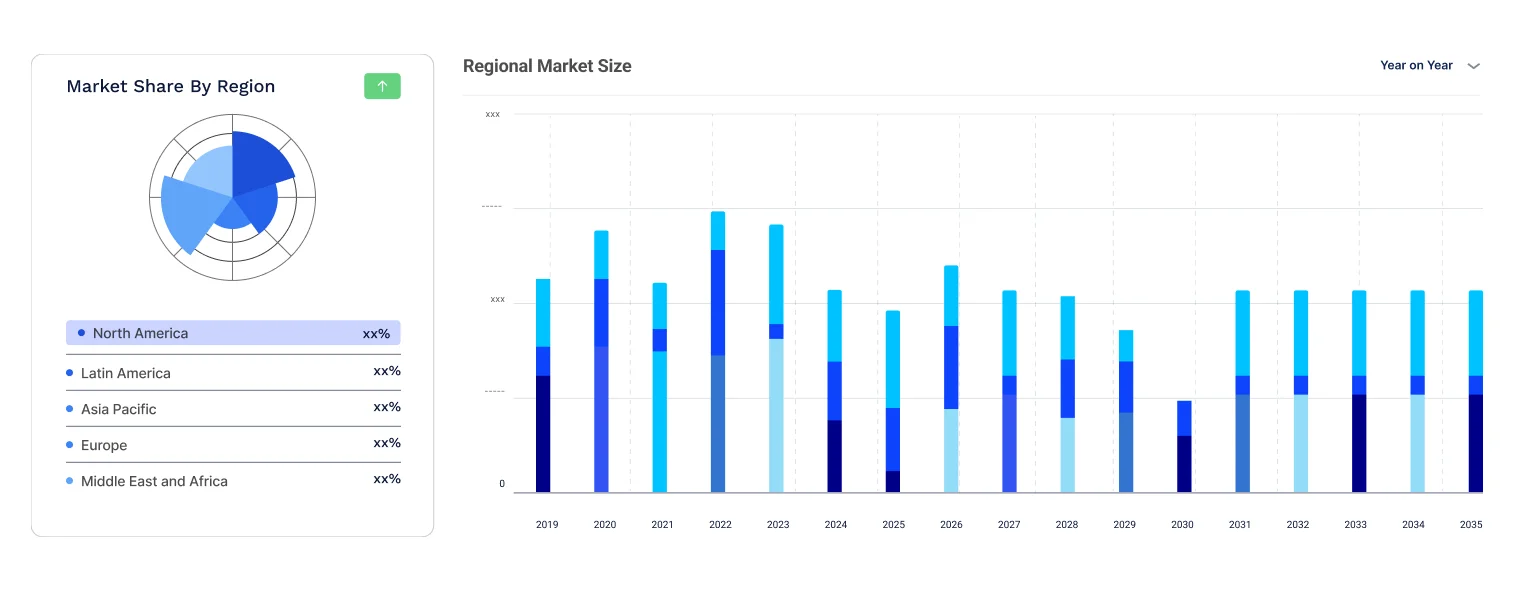
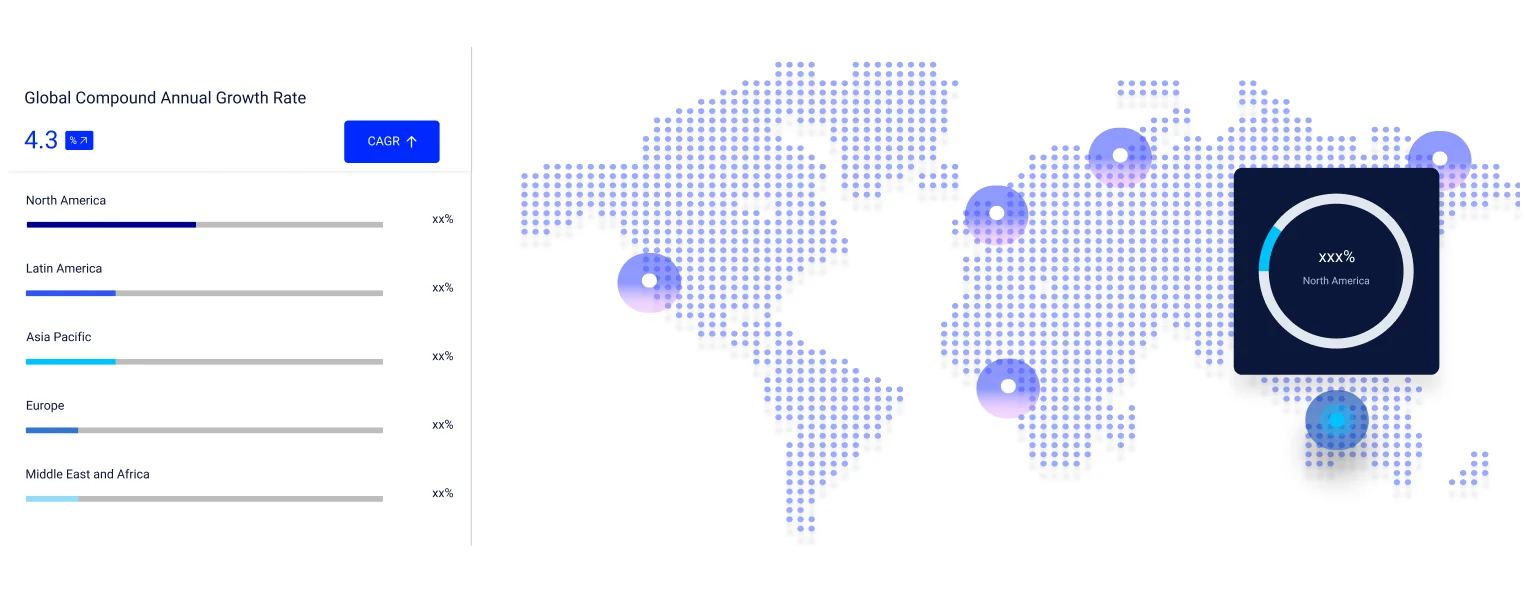
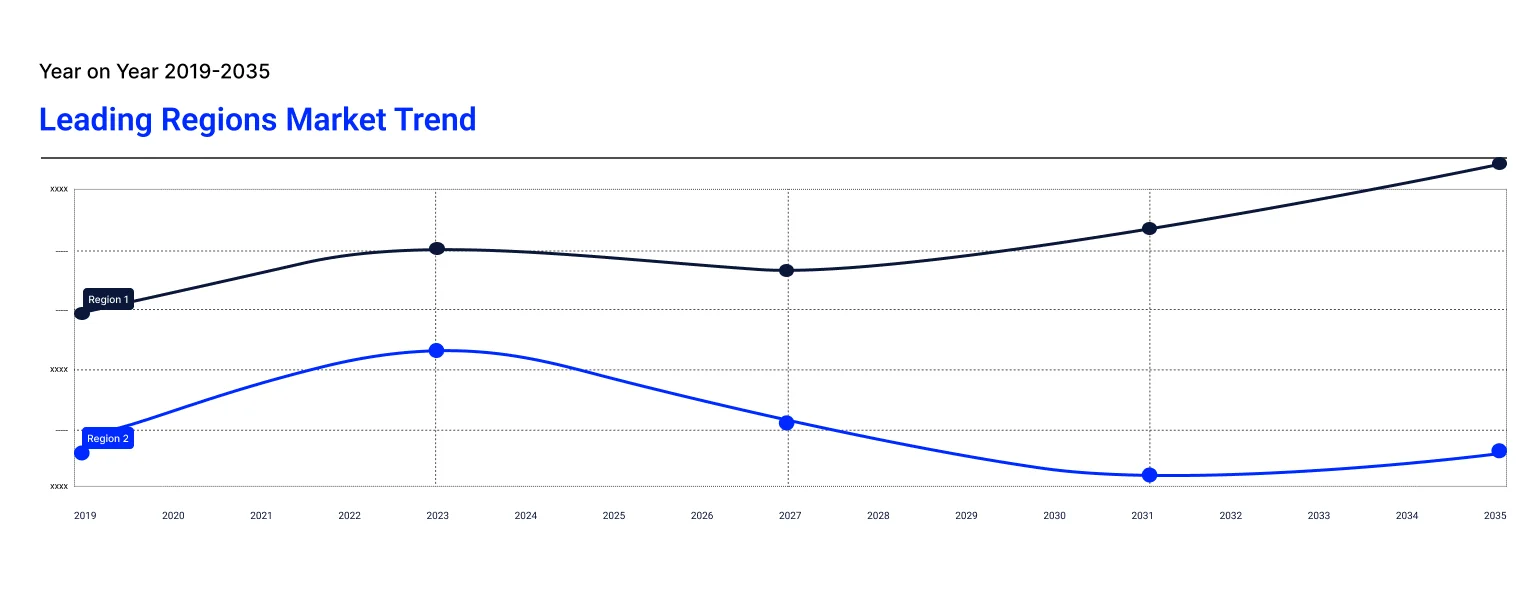
Asia Pacific represents the largest string inverter market due to the high level of solar energy adoption in states with advanced renewable energy policies and large-scale photovoltaic installations. The combination of high solar irradiance and supportive regulatory framework has motivated the installation of solar systems not only on rooftops but also at utility-scale levels. Solar developers in this region are utilizing state-of-the-art string inverter systems to maximize the energy yield of solar installations as well as of small, distributed rooftop systems. In June 2025, Luminous presented NXI A3350-HV and NXI A3250-HV utility string inverters delivering over 99% efficiency, advanced MPPT tracking, and intelligent monitoring for solar installations.
With the rise of solar energy development in commercial and industrial sectors, North America is becoming one of the rapidly string inverter markets across the globe. Solar power is becoming a viable alternative in the region's business districts as they are mounting photovoltaic systems on their roofs to save on power bills and enhance energy security during power outages. String inverter technologies that are modular in nature and can be rapidly deployed over large-scale commercial rooftops and distributed sites are preferred by solar farmers. Industrial areas and logistic hubs are also turning to solar power to meet their environmental objectives and to trim operational costs.
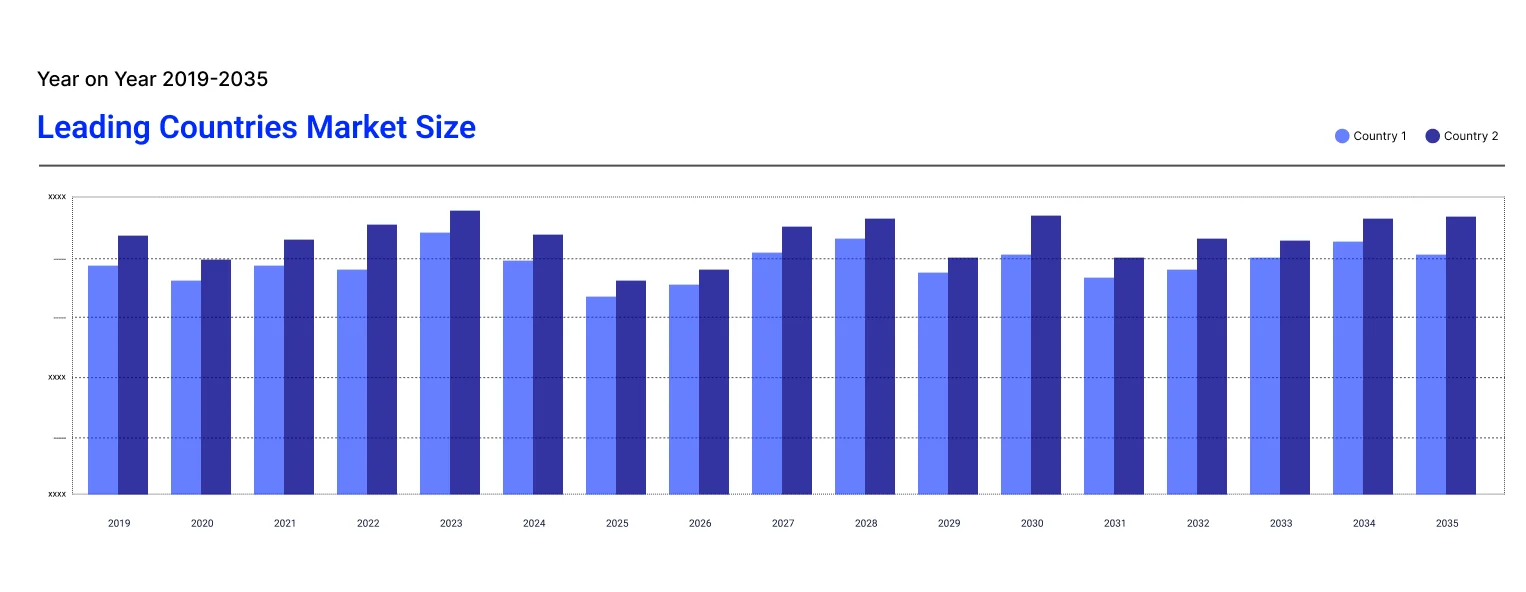
| CAGR 2026-2035 - Market by | Country |
| India | 13.4% |
| China | 11.2% |
| Saudi Arabia | 10.2% |
| Canada | 8.5% |
| Australia | 7.9% |
| USA | 7.3% |
| UK | XX% |
| Germany | XX% |
| France | XX% |
The global market is becoming competitive as technology providers are competing to create conversion systems with higher efficiency and smarter digital energy platforms. String inverter companies are emphasizing high-power configurations that can support large photovoltaic plants while lowering operational complexity for solar developers. Besides this, companies are also integrating features like advanced monitoring software, predictive diagnostics, and hybrid inverter capabilities that allow solar-plus-storage installations.
Additionally, a key area of focus has been improving inverter life in extreme conditions, particularly utility-scale solar farms in desert and coastal regions. Besides expanding local production facilities, string inverter market players are developing closer relationships with EPC contractors to secure infrastructure contracts. Beyond industrial rooftop solar installations, new opportunities for flexible inverter technologies are emerging in decentralized microgrids and hybrid renewable power plants.
Delta Electronics Public Co. Ltd., founded in 1971, has bolstered its string inverter market share by creating photovoltaic inverters with high conversion efficiency, especially tailored for commercial and industrial solar installations. The company headquartered in Taiwan, mainly aims to offer intelligent energy management platforms that would seamlessly integrate inverters with energy storage systems.
Founded in 1987, Huawei Technologies Co. Ltd. being one of the technology providers in the solar inverter industry through its digital power division, has created AI-based string inverter platforms including sophisticated arc-fault detection and intelligent diagnostics. Huawei, with its head office located in China, is also making the move towards cloud-based monitoring platforms which would enable solar plant operators to analyze system performance remotely and enhance operational efficiency in large-scale photovoltaic installations.
Growatt New Energy Technology Co. Ltd. mainly works on string inverter systems which are both cost-effective and easily scalable. Besides that, the company, founded in 2011 and headquartered in China, has developed a broader range of hybrid inverters capable of operating with both solar power systems and battery storage.
Siemens, founded in 1847 and based in Germany, through the development of digital energy platforms, which are capable of integrating string inverter systems with smart grid technologies, is reinforcing its foothold in renewable energy infrastructure. The focus is on smart power electronics and automation facilities that will be able to support large photovoltaic installations as well as grid stabilization projects.
*Please note that this is only a partial list; the complete list of key players is available in the full report. Additionally, the list of key players can be customized to better suit your needs.*
Other key players in the market include Solar Edge Technologies Ltd., among others.
Unlock the latest insights with our string inverter market trends 2026 report. Discover regional growth patterns, consumer preferences, and key industry players. Stay ahead of competition with trusted data and expert analysis. Download your free sample report today and drive informed decisions in the string inverter market.


Upto 15% Off
USD
$2499 $2249
$3999 $3599
$4999 $4249
$5999 $5099


*While we strive to always give you current and accurate information, the numbers depicted on the website are indicative and may differ from the actual numbers in the main report. At Expert Market Research, we aim to bring you the latest insights and trends in the market. Using our analyses and forecasts, stakeholders can understand the market dynamics, navigate challenges, and capitalize on opportunities to make data-driven strategic decisions.*
In 2025, the market reached an approximate value of USD 4.39 Billion.
The market is projected to grow at a CAGR of 9.00% between 2026 and 2035.
The market is estimated to witness a healthy growth in the forecast period of 2026-2035 to reach more than USD 10.39 Billion by 2035.
The major regions in the industry are North America, Latin America, the Middle East and Africa, Europe, and the Asia Pacific.
Stakeholders are investing in digital inverter technologies, expanding regional manufacturing capacity, strengthening partnerships with EPC contractors, integrating energy storage compatibility, and developing high-efficiency inverter platforms supporting large solar infrastructure projects.
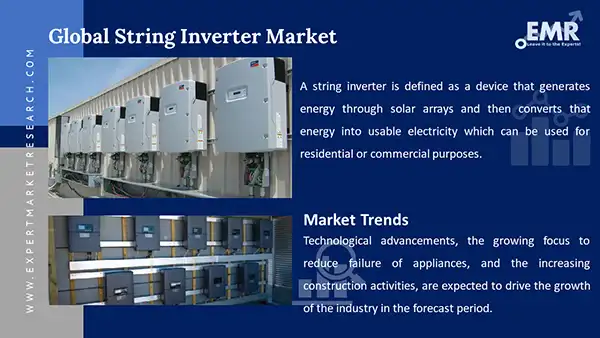
Technological advancements, the growing focus to reduce failure of appliances, and the increasing construction activities, are expected to drive the growth of the industry in the forecast period.
On-grid and off-grid are the major connection types of string inverter.
Single phase and three phase are the different phases of string inverter in the market.
Residential, commercial and industrial, and utilities, are the various end-uses of string inverter.
The key players in the market include Delta Electronics Public Co., Ltd., Huawei Technologies Co., Ltd., Growatt New Energy Technology Co., Ltd., Siemens AG, and Solar Edge Technologies Ltd., among others.
Manufacturers face challenges including fluctuating semiconductor supply, increasing competition from low-cost inverter producers, grid compatibility requirements, and pressure to deliver higher efficiency systems while maintaining reliability in extreme operating environments.
Explore our key highlights of the report and gain a concise overview of key findings, trends, and actionable insights that will empower your strategic decisions.
| REPORT FEATURES | DETAILS |
| Base Year | 2025 |
| Historical Period | 2019-2025 |
| Forecast Period | 2026-2035 |
| Scope of the Report |
Historical and Forecast Trends, Industry Drivers and Constraints, Historical and Forecast Market Analysis by Segment:
|
| Breakup by Connection Type |
|
| Breakup by Phase |
|
| Breakup by End-Use |
|
| Breakup by Region |
|
| Market Dynamics |
|
| Competitive Landscape |
|
| Companies Covered |
|
| Report Price and Purchase Option | Explore our purchase options that are best suited to your resources and industry needs. |
| Delivery Format | Delivered as an attached PDF and Excel through email, with an option of receiving an editable PPT, according to the purchase option. |
Datasheet
One User
USD 2,499
USD 2,249
tax inclusive*
Single User License
One User
USD 3,999
USD 3,599
tax inclusive*
Five User License
Five User
USD 4,999
USD 4,249
tax inclusive*
Corporate License
Unlimited Users
USD 5,999
USD 5,099
tax inclusive*
*Please note that the prices mentioned below are starting prices for each bundle type. Kindly contact our team for further details.*
Flash Bundle
Small Business Bundle
Growth Bundle
Enterprise Bundle
*Please note that the prices mentioned below are starting prices for each bundle type. Kindly contact our team for further details.*
Flash Bundle
Number of Reports: 3
20%
tax inclusive*
Small Business Bundle
Number of Reports: 5
25%
tax inclusive*
Growth Bundle
Number of Reports: 8
30%
tax inclusive*
Enterprise Bundle
Number of Reports: 10
35%
tax inclusive*
How To Order

Select License Type
Choose the right license for your needs and access rights.

Click on ‘Buy Now’
Add the report to your cart with one click and proceed to register.

Select Mode of Payment
Choose a payment option for a secure checkout. You will be redirected accordingly.
Strategic Solutions for Informed Decision-Making
Gain insights to stay ahead and seize opportunities.

Get insights & trends for a competitive edge.

Track prices with detailed trend reports.

Analyse trade data for supply chain insights.

Leverage cost reports for smart savings

Enhance supply chain with partnerships.

Connect For More Information
Our expert team of analysts will offer full support and resolve any queries regarding the report, before and after the purchase.
Our expert team of analysts will offer full support and resolve any queries regarding the report, before and after the purchase.
We employ meticulous research methods, blending advanced analytics and expert insights to deliver accurate, actionable industry intelligence, staying ahead of competitors.
Our skilled analysts offer unparalleled competitive advantage with detailed insights on current and emerging markets, ensuring your strategic edge.
We offer an in-depth yet simplified presentation of industry insights and analysis to meet your specific requirements effectively.




