

Consumer Insights
Uncover trends and behaviors shaping consumer choices today
Procurement Insights
Optimize your sourcing strategy with key market data
Industry Stats
Stay ahead with the latest trends and market analysis.
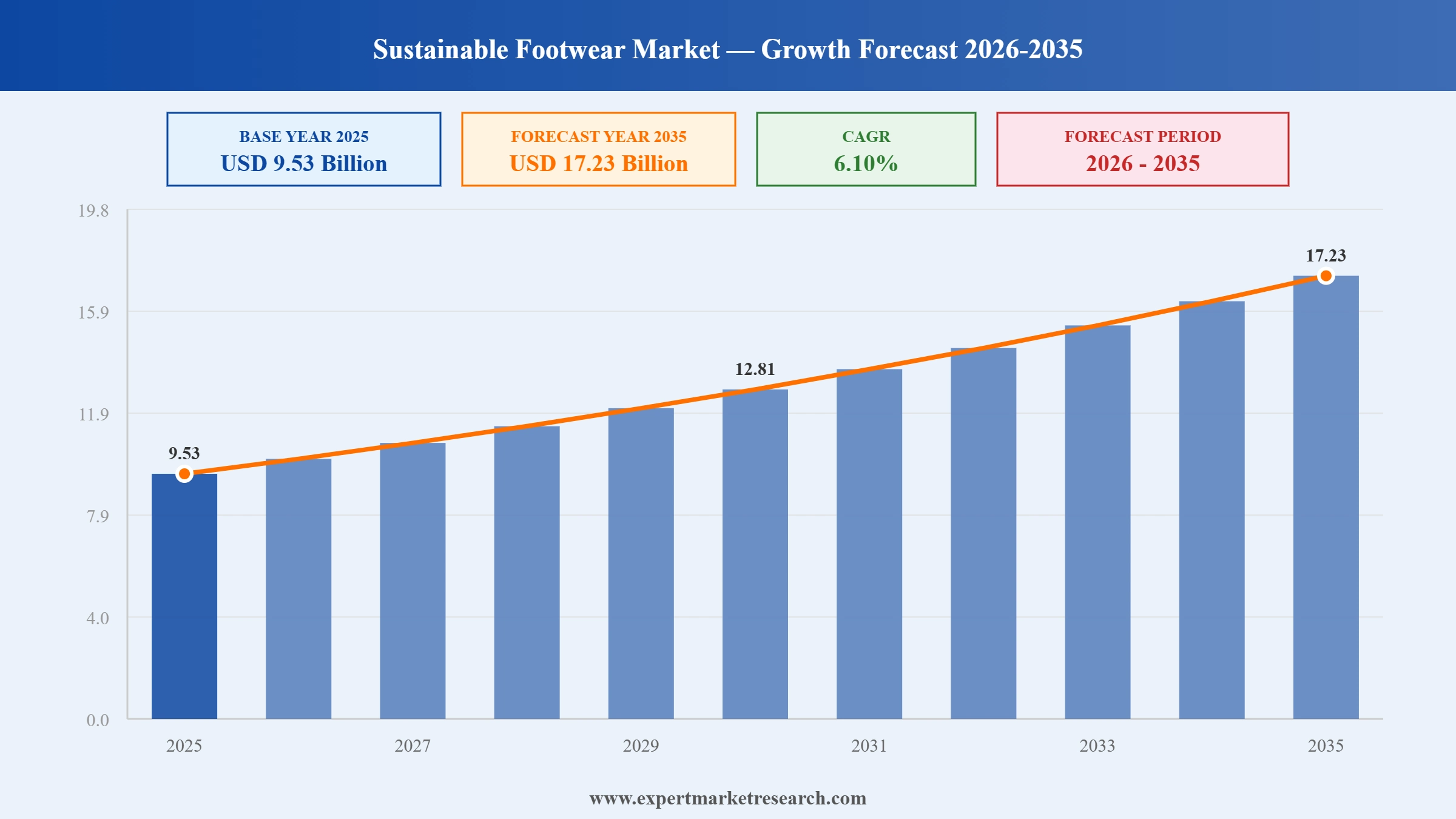
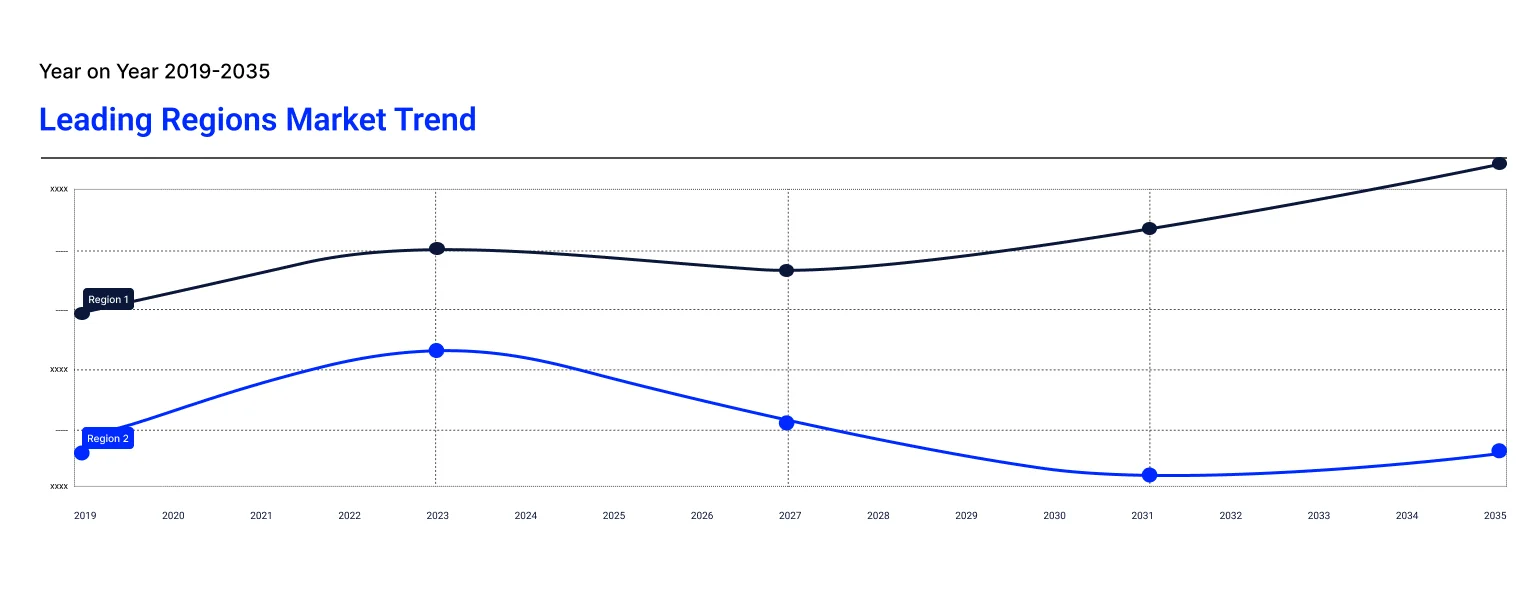
The Sustainable Footwear Market reached a value of USD 9.53 Billion at 2025 and is projected to expand at a CAGR of around 6.10% during the forecast period of 2026-2035. With rising consumer demand for footwear made from recycled, biodegradable, and plant-based materials, growing regulatory frameworks mandating sustainable product design, accelerating adoption in Asia Pacific markets, and deepening corporate sustainability commitments from global athletic and fashion brands, the market is expected to reach USD 17.23 Billion by 2035.
Read more about this report - REQUEST FREE SAMPLE COPY IN PDF
|
Global Sustainable Footwear Market Report Summary |
Description |
Value |
|
Base Year |
USD Billion |
2025 |
|
Historical Period |
USD Billion |
2019-2025 |
|
Forecast Period |
USD Billion |
2026-2035 |
|
Market Size 2025 |
USD Billion |
9.53 |
|
Market Size 2035 |
USD Billion |
17.23 |
|
CAGR 2019-2025 |
Percentage |
XX% |
|
CAGR 2026-2035 |
Percentage |
6.10% |
|
CAGR 2026-2035 - Market by Region |
Asia Pacific |
6.8% |
|
CAGR 2026-2035 - Market by Country |
India |
6.9% |
|
CAGR 2026-2035 - Market by Country |
China |
6.7% |
|
CAGR 2026-2035 - Market by Type |
Non-athletic |
6.7% |
|
CAGR 2026-2035 - Market by End Use |
Women |
6.4% |
|
Market Share by Country 2025 |
Italy |
2.1% |
The sustainable footwear market growth can be attributed to consumer demand for sustainable footwear, regulatory frameworks and initiatives, and corporate commitments to sustainability.
In September 2025, Fashion for Good launched The Next Stride project, a 12-month collaborative initiative to validate scalable bio-based polymer formulations for sustainable footwear soles. Adidas AG was among the founding brand partners alongside major retailers Target and Zalando. Simultaneously, Evoco Ltd. was selected to advance its FATES bio-foam technology as part of the programme, offering a bio-based alternative for midsole and insole applications. The initiative represented one of the most significant industry-wide efforts to replace petroleum-derived materials across footwear soles at commercial scale.
In February 2025, Allbirds announced the commercial launch of M0.0NSHOT Zero, presented as the world's first net-zero carbon shoe. The product was developed using carbon-negative materials and manufacturing processes, with lifecycle emissions fully accounted for and offset through verified carbon removal mechanisms. The launch represented a significant technical and commercial milestone for the sustainable footwear sector, setting a new benchmark for carbon accountability in product design. It also demonstrated the growing consumer and investor appetite for footwear brands willing to commit to measurable environmental outcomes rather than general sustainability positioning.
In June 2024, The Tropic Feel S.L. (Tropicfeel), the Barcelona-based sustainable adventure footwear brand, launched its All-Terrain Sneakers featuring a 5.5mm thick rubber sole construction. Designed as fully vegan shoes with 18% recycled content, the sneakers received Global Recycled Standard (GRS) certification, independently verifying the use of recycled input materials in the product. The launch expanded Tropicfeel's outdoor and adventure footwear range with a product combining functional durability with certified sustainability credentials, targeting environmentally conscious consumers who seek trail-ready and everyday performance from a single shoe.
In May 2024, Rothy's Inc., the San Francisco-based sustainable footwear brand known for converting recycled plastic bottles into machine-washable shoes, launched its product range on Amazon to broaden market reach beyond its direct-to-consumer website. Bestselling styles including The Point, The Flat, and The Driving Loafer became available through the Amazon storefront, enabling Rothy's to access a larger and more diverse consumer base. This channel expansion marked a strategic shift from an exclusively online direct model toward a multi-platform approach, making sustainable footwear more accessible to mainstream retail shoppers.
In April 2024, VEJA, the France-based sustainable footwear brand known for its use of Amazonian wild rubber and organic cotton, opened its American Sneaker Cobbler Space in Williamsburg, Brooklyn, New York. The facility was designed to offer customers professional sneaker repair and cleaning services, directly extending the lifespan of VEJA footwear and embodying the brand's commitment to circular consumption principles. The initiative reinforced VEJA's market positioning around durability and longevity, offering a tangible in-person sustainability service that complements its premium eco-friendly product range in the United States.
Advances in sustainable materials are expanding what is functionally possible in eco-friendly footwear design, enabling brands to match or exceed the performance of conventional shoes while substantially reducing environmental impact. Bio-based EVA foams derived from sugarcane, eucalyptus fibre uppers, wild Amazonian rubber soles, and 3D-printed compostable components are becoming commercially viable at scale. In January 2024, Vivobarefoot and materials company Balena unveiled a prototype for 3D-printed, made-to-measure compostable shoes, a development that signals a near-term commercial pathway for fully end-of-life-managed footwear. This material innovation pipeline is a primary driver of Global Sustainable Footwear Market growth across the forecast period.
The footwear industry is moving steadily toward circular economy principles, with brands launching take-back schemes, repair services, and recyclable construction models that extend product life and recover material value at end of use. Consumers, particularly in European and North American markets, are demonstrating willingness to pay for and participate in these programmes, creating commercial viability around what was previously a cost centre. In March 2025, PUMA and RE&UP announced a multi-year collaboration to scale the RE:FIBRE textile recycling programme into the Americas, using post-consumer footwear and apparel waste as feedstock for new recycled-content products, marking one of the most significant circular supply chain commitments in the industry.
Europe's evolving regulatory environment is becoming a structural driver of sustainable footwear adoption, compelling brands to redesign products, restructure supply chains, and invest in lifecycle transparency to comply with incoming legislation. The EU's Strategy for Sustainable and Circular Textiles and emerging Digital Product Passport requirements are setting new standards for footwear durability, repairability, and recyclability. European brands including Adidas, VEJA, and PUMA are ahead of this regulatory curve, while international brands operating in European markets are accelerating their compliance investments. This regulatory tailwind is a key reason Europe leads global sustainable footwear market share and why it sustains above-average demand for certified eco-friendly products.
Asia Pacific is emerging as the most dynamic regional growth engine for sustainable footwear, driven by rising urban incomes, a generational shift in consumer values toward eco-conscious purchasing, and expanding domestic manufacturing capabilities for sustainable materials. China is simultaneously the world's largest footwear producer and a fast-growing consumer market for eco-branded products. India offers cost-competitive sustainable manufacturing, while Japan's minimalist design culture aligns naturally with the sustainable footwear aesthetic. In mid-2024, multiple global sustainable footwear brands, including Rothy's and Adidas, were expanding their Asia Pacific distribution partnerships and e-commerce presence to capture accelerating demand from the region's urban millennial and Gen Z consumers.
The EMR’s report titled “Global Sustainable Footwear Market Report and Forecast 2026-2035” offers a detailed analysis of the market based on the following segments:
Breakup by Type
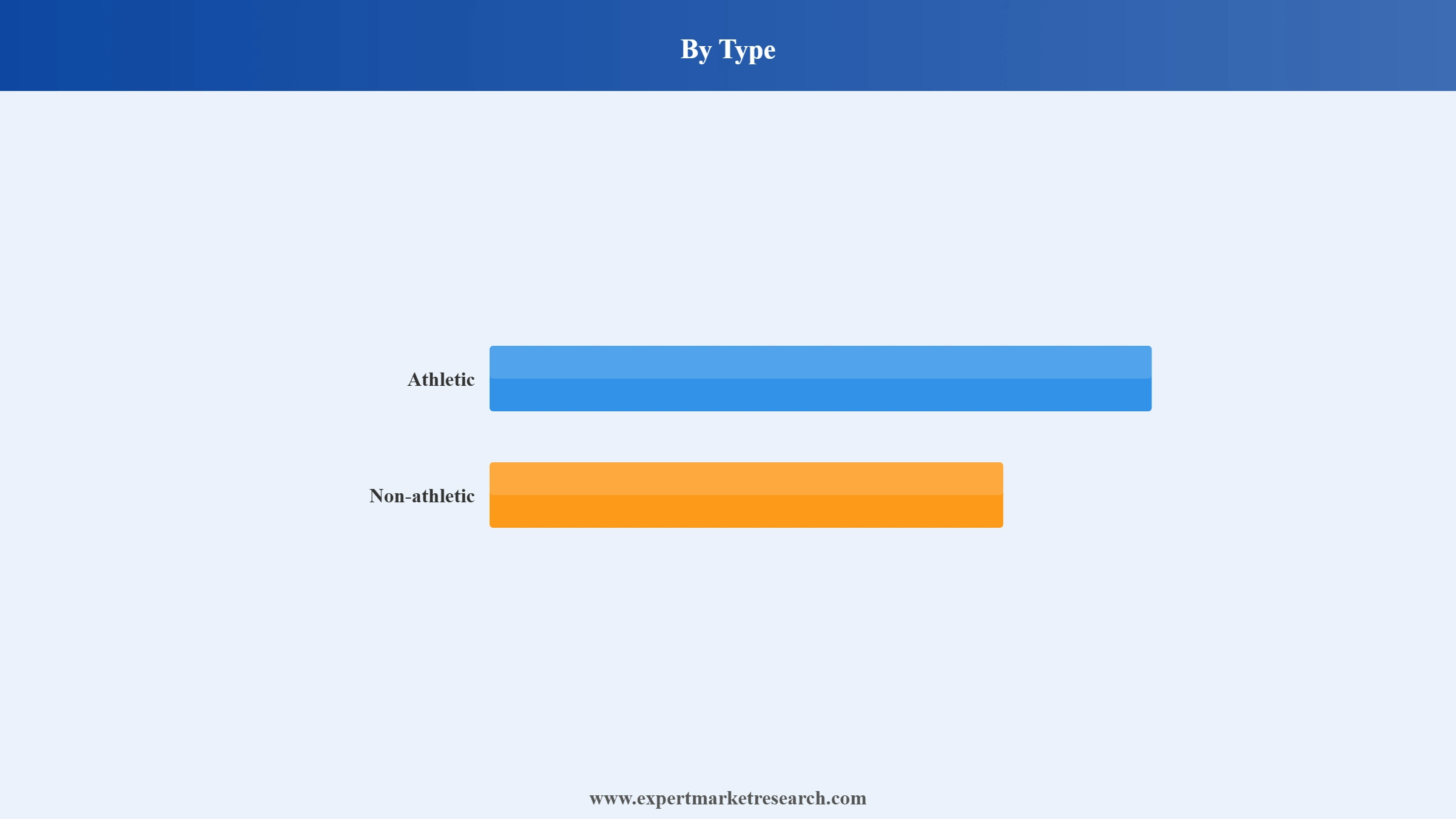
Key Insight: The Non-Athletic segment currently holds the larger revenue share in the global sustainable footwear market, driven by high daily-wear frequency and broad consumer demand for sustainable casual shoes, flats, loafers, and lifestyle sneakers. Brands including VEJA, Rothy's, and Native Shoes have built successful business models serving this segment with design-forward sustainable products. The Athletic segment, however, is growing at the fastest pace within the Type segmentation, propelled by major brands integrating recycled ocean plastics, bio-based midsoles, and low-carbon manufacturing into mainstream performance and running shoes. Adidas's Parley for the Oceans collaboration and Allbirds's M0.0NSHOT Zero launch illustrate how the performance athletic category is becoming a proving ground for the industry's most advanced sustainability innovations.
Breakup by End User
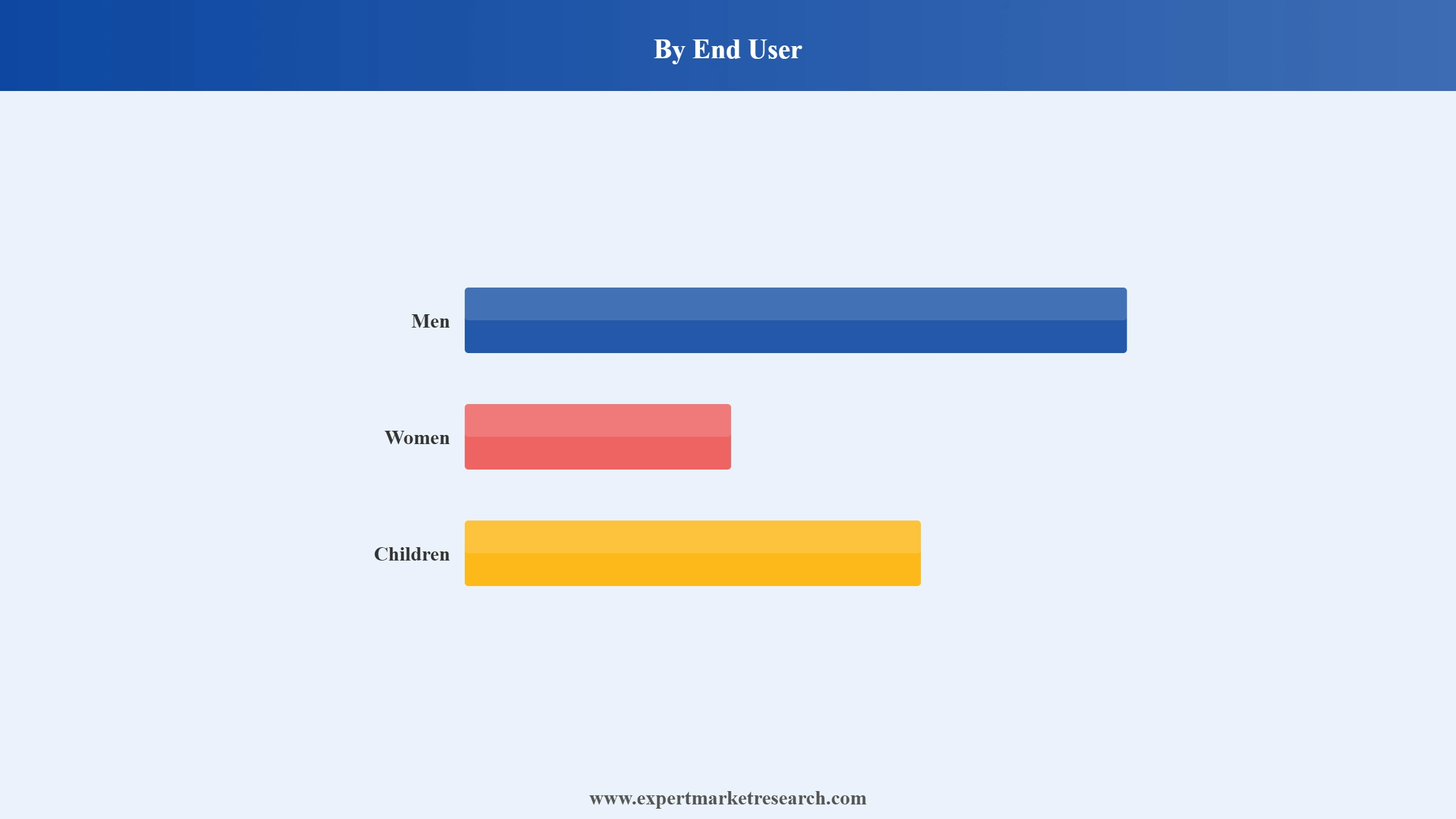
Key Insight: The Men's segment holds the largest end-user share in the global sustainable footwear market, commanding an estimated 54% of revenue in 2025, driven by men's dominant share in athletic and casual footwear purchasing and the strong athleisure trend across North American and European markets. The Women's segment is the fastest-growing end-user category, as female consumers exhibit the highest rate of conscious purchasing behaviour and are most responsive to sustainability messaging and ethical sourcing credentials. The Children's segment is gaining momentum as parents prioritise sustainable and non-toxic materials for children's footwear.
Breakup by Region
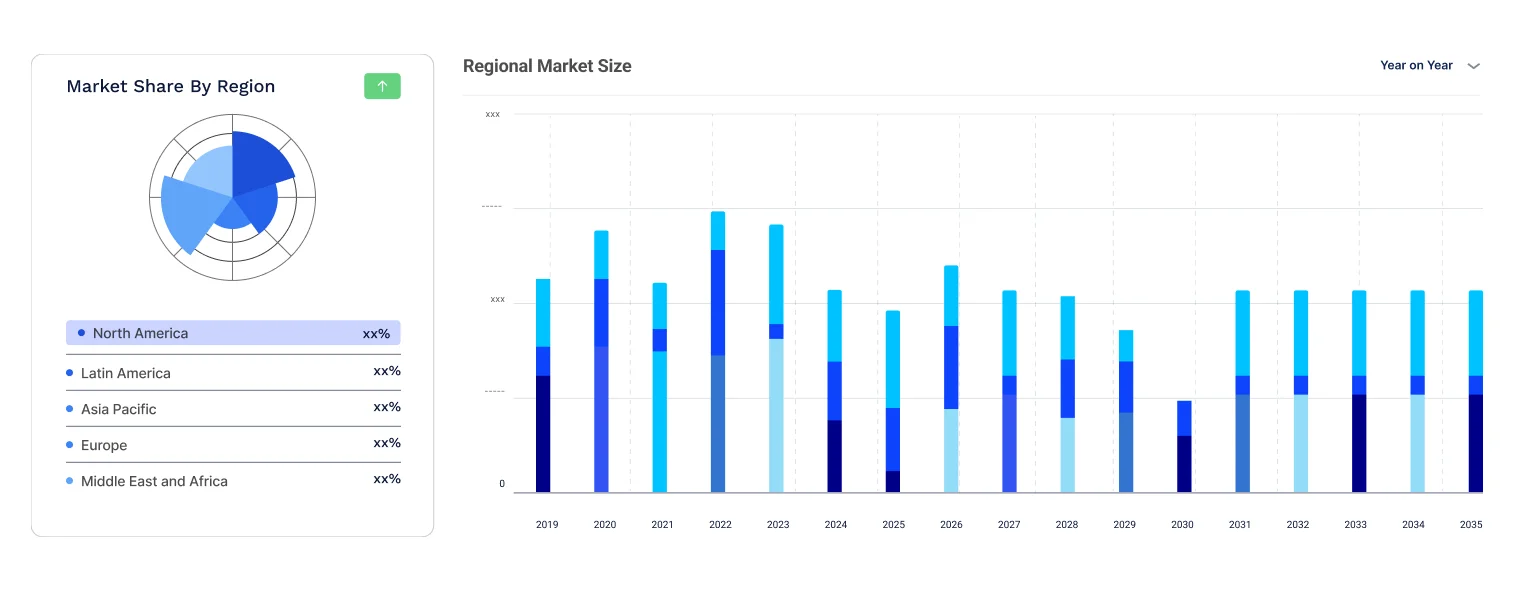
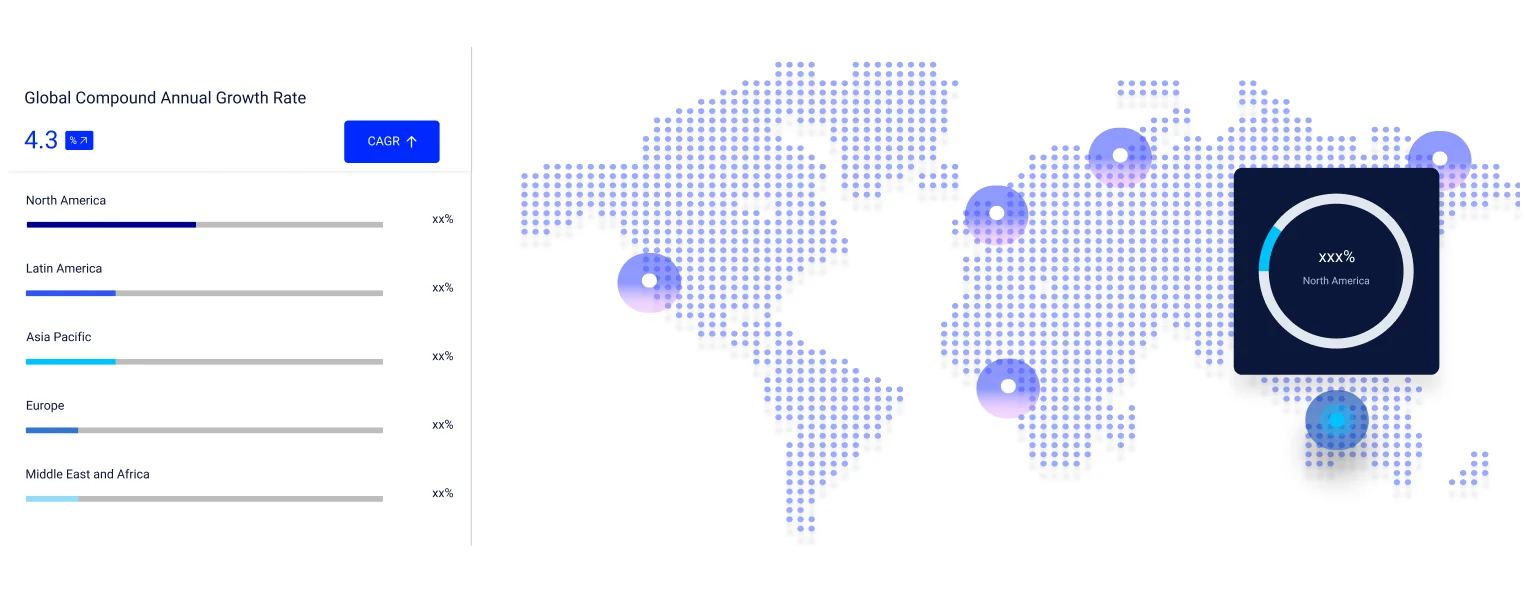
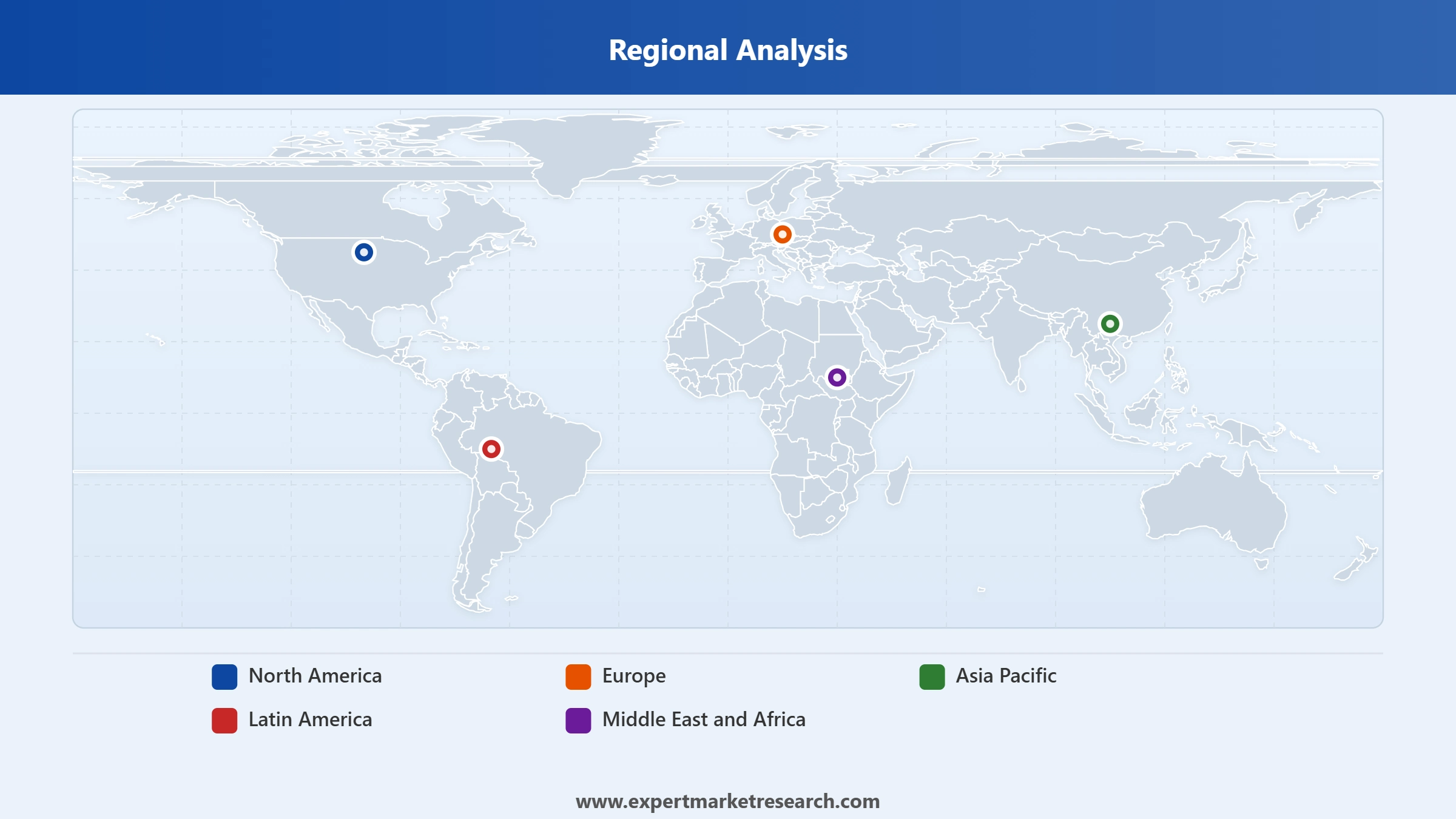
Key Insight: Europe is the global leader in sustainable footwear market share, holding approximately 34% of global revenue in 2025, underpinned by the continent's stringent environmental regulations, high consumer willingness to pay for certified sustainable products, and the presence of pioneering brands such as VEJA, Adidas, and PUMA. North America accounts for a roughly 28 to 32% share, driven by strong ethical consumerism, particularly among millennials and Gen Z. Asia Pacific is the fastest-growing region, with China, India, and Japan combining large-scale production capabilities with rapidly growing domestic consumer demand.
Read more about this report - REQUEST FREE SAMPLE COPY IN PDF
Read more about this report - REQUEST FREE SAMPLE COPY IN PDF
Within the Type segmentation, Non-Athletic footwear holds the dominant revenue share, reflecting the broader global footwear market structure where everyday casual and lifestyle shoes account for the majority of volume. Sustainable casual footwear, particularly flat shoes, loafers, and lifestyle sneakers made from recycled plastics or organic fibres, benefit from high repurchase frequency and broad demographic appeal. Rothy's, with its entire product line built around recycled plastic bottles, exemplifies how a brand can achieve scale in the Non-Athletic sustainable footwear space. The Athletic segment is the most commercially exciting growth area, as large-scale brands with performance credibility bring sustainability into the athletic mainstream.
In terms of End User segmentation, the Men's category commands market leadership with approximately 54% of global revenue, a position sustained by men's outsized share of athletic and casual footwear purchasing and the widespread adoption of sustainable athleisure among male urban professionals in North American and European markets. The Women's segment, while slightly smaller in current share, is growing fastest and is expected to narrow the gap over the forecast period as sustainable fashion movements specifically targeting female conscious consumers gain commercial momentum through influencer marketing and premium retail expansion.
Read more about this report - REQUEST FREE SAMPLE COPY IN PDF
For the Regional segmentation, Europe holds the leading market position driven by a uniquely reinforcing combination of regulatory pressure, consumer awareness, and established brand ecosystem. Asia Pacific is the fastest-growing region, expected to account for an increasingly material share of global sustainable footwear revenue by 2035, as rising incomes in China and India combine with growing environmental awareness and expanding e-commerce reach.
Europe stands as the global anchor market for sustainable footwear, combining the highest consumer willingness to pay for eco-certified products with an increasingly robust regulatory framework that compels brands to improve sustainability credentials across the entire product lifecycle. The European Union's evolving textile sustainability legislation, including Digital Product Passport requirements and circular design mandates, is prompting both domestic and international footwear brands to rethink materials, construction, and end-of-life management at scale. France is home to VEJA, one of the world's most recognised sustainable footwear brands, while Germany hosts Adidas, whose Parley for the Oceans collaboration has brought sustainable athletic footwear into the mainstream retail environment. Specialty sustainable footwear retailers are expanding across the UK, Netherlands, and Scandinavian markets.
North America represents the second-largest regional market and is defined by strong consumer-led demand, robust digital retail infrastructure, and a vibrant ecosystem of direct-to-consumer sustainable footwear brands. The United States hosts the global headquarters of Rothy's, Allbirds, Nisolo, Threads 4 Thought, and Amour Vert, a concentration of sustainable footwear innovation that is unmatched anywhere outside Europe. Consumer surveys consistently show that US millennials and Gen Z shoppers prioritise ethical production in footwear purchasing decisions, creating a commercially significant demand base that supports premium pricing for certified sustainable products. Canada, anchored by Native Shoes and its commitment to certified sustainable materials, contributes meaningfully to the North American market.
Read more about this report - REQUEST FREE SAMPLE COPY IN PDF
The global sustainable footwear market features a competitive structure that spans global athletic powerhouses with sustainability programmes embedded in multi-billion-dollar product lines, purpose-built sustainable footwear brands that have built entire business models around eco-friendly production, and an expanding tier of emerging niche players targeting specific material innovations or underserved consumer segments. Market leadership is contested differently by region: in Europe, VEJA and Adidas compete on authenticity and regulatory compliance; in North America, Rothy's and Allbirds lead on digital brand building and material transparency; and in Asia Pacific, market share is still being established.
The competitive dynamics are intensifying as larger brands allocate increasing R&D budgets to sustainable material development, making it harder for smaller brands to maintain a meaningful differentiation gap on materials alone. Brand transparency, lifecycle accountability, and consumer community building are becoming the primary battlegrounds for market share.
Founded in 1949 and headquartered in Herzogenaurach, Germany, Adidas AG is one of the world's largest athletic footwear and apparel companies. Its sustainability programme, anchored by the long-running Parley for the Oceans partnership that uses recycled ocean plastic in high-performance footwear, has become a widely recognised industry benchmark. In September 2025, Adidas joined the Fashion for Good Next Stride initiative alongside Target and Zalando to develop scalable bio-based polymer soles, demonstrating active investment in next-generation sustainable material development alongside its core recycled-content product lines.
Founded in 2017 and headquartered in Barcelona, Spain, The Tropic Feel, S.L. (Tropicfeel) is a sustainable adventure footwear brand built around the concept of highly functional, travel-optimised shoes designed for durability and minimal environmental impact. The brand produces certified vegan, recycled-content footwear targeting outdoor enthusiasts and global travellers seeking sustainable multi-use footwear. In June 2024, Tropicfeel launched its GRS-certified All-Terrain Sneakers with 18% recycled content and a 5.5mm rubber sole, reinforcing its technical and sustainability credentials in the outdoor lifestyle segment.
Founded in 2012 and headquartered in San Francisco, California, USA, Rothy's, Inc. is a sustainable footwear brand that converts post-consumer plastic bottles into machine-washable, 3D-knitted shoes. The brand's commitment to zero-waste manufacturing and fully recyclable products has made it a reference point in the sustainable fashion footwear space. In May 2024, Rothy's expanded distribution to Amazon, broadening access to its bestselling styles including The Point and The Flat. A newer 3D-knitting process has reduced material waste by an estimated 48% while improving production turnaround efficiency.
Founded in 2004 and headquartered in Paris, France, VEJA is one of the world's most recognised sustainable sneaker brands, built on a model of full supply chain transparency, fair trade sourcing, and the use of Amazonian wild rubber, organic cotton, and recycled materials. The brand notably avoids conventional advertising, instead relying on word-of-mouth, editorial placements, and retail partnerships to build consumer trust. In April 2024, VEJA opened its American Sneaker Cobbler Space in Brooklyn, directly offering repair services to extend product lifespan and reinforce its circular philosophy at the point of consumer interaction.
Other key players in the market are Nisolo LLC, Matisse Footwear, Native Canada Footwear Ltd., Amour Vert Inc., Threads 4 Thought, LYMI Inc. (Reformation), and Others.
*Please note that this is only a partial list; the complete list of key players is available in the full report. Additionally, the list of key players can be customized to better suit your needs.*
Sustainable footwear is no longer a niche market for eco-enthusiasts. It is a commercially mainstream and rapidly expanding segment of the global footwear industry, attracting investment from the world's largest athletic brands and delivering genuine revenue growth for purpose-built sustainable companies. Our 2026-2035 report maps out the full landscape, from material innovation trends and regional demand dynamics to a rigorous competitive profile of the players setting the pace. Download your free sample today and position your strategy ahead of the market's next growth cycle.


Upto 15% Off
USD
$2499 $2249
$3999 $3599
$4999 $4249
$5999 $5099


*While we strive to always give you current and accurate information, the numbers depicted on the website are indicative and may differ from the actual numbers in the main report. At Expert Market Research, we aim to bring you the latest insights and trends in the market. Using our analyses and forecasts, stakeholders can understand the market dynamics, navigate challenges, and capitalize on opportunities to make data-driven strategic decisions.*
In 2025, the market attained a value of nearly USD 9.53 Billion.
The market is assessed to grow at a CAGR of 6.10% between 2026 and 2035.
The market is estimated to witness a healthy growth in the forecast period of 2026-2035 to reach about USD 17.23 Billion by 2035.
The major drivers of the market are rising consumer demand for sustainable footwear and strict regulatory frameworks and initiatives.
The key trends aiding the market expansion include the advancements in materials and production techniques and rising corporate commitments to sustainability.
As per the EMR report, the different types of sustainable footwear in the market are athletic and non-athletic.
The major regions considered in the market are North America, Europe, the Asia Pacific, Latin America, and the Middle East and Africa.
The major players in the market are Adidas AG, The Tropic Feel, S.L., Rothy’s, Inc., VEJA, Nisolo, LLC, Matisse Footwear, Native Canada Footwear Ltd., Amour Vert, Inc., Threads 4 Thought, and LYMI, Inc., (Reformation), among others.
Explore our key highlights of the report and gain a concise overview of key findings, trends, and actionable insights that will empower your strategic decisions.
| REPORT FEATURES | DETAILS |
| Base Year | 2025 |
| Historical Period | 2019-2025 |
| Forecast Period | 2026-2035 |
| Scope of the Report |
Historical and Forecast Trends, Industry Drivers and Constraints, Historical and Forecast Market Analysis by Segment:
|
| Breakup by Type |
|
| Breakup by End User |
|
| Breakup by Region |
|
| Market Dynamics |
|
| Competitive Landscape |
|
| Companies Covered |
|
Datasheet
One User
USD 2,499
USD 2,249
tax inclusive*
Single User License
One User
USD 3,999
USD 3,599
tax inclusive*
Five User License
Five User
USD 4,999
USD 4,249
tax inclusive*
Corporate License
Unlimited Users
USD 5,999
USD 5,099
tax inclusive*
*Please note that the prices mentioned below are starting prices for each bundle type. Kindly contact our team for further details.*
Flash Bundle
Small Business Bundle
Growth Bundle
Enterprise Bundle
*Please note that the prices mentioned below are starting prices for each bundle type. Kindly contact our team for further details.*
Flash Bundle
Number of Reports: 3
20%
tax inclusive*
Small Business Bundle
Number of Reports: 5
25%
tax inclusive*
Growth Bundle
Number of Reports: 8
30%
tax inclusive*
Enterprise Bundle
Number of Reports: 10
35%
tax inclusive*
How To Order

Select License Type
Choose the right license for your needs and access rights.

Click on ‘Buy Now’
Add the report to your cart with one click and proceed to register.

Select Mode of Payment
Choose a payment option for a secure checkout. You will be redirected accordingly.
Strategic Solutions for Informed Decision-Making
Gain insights to stay ahead and seize opportunities.

Get insights & trends for a competitive edge.

Track prices with detailed trend reports.

Analyse trade data for supply chain insights.

Leverage cost reports for smart savings

Enhance supply chain with partnerships.

Connect For More Information
Our expert team of analysts will offer full support and resolve any queries regarding the report, before and after the purchase.
Our expert team of analysts will offer full support and resolve any queries regarding the report, before and after the purchase.
We employ meticulous research methods, blending advanced analytics and expert insights to deliver accurate, actionable industry intelligence, staying ahead of competitors.
Our skilled analysts offer unparalleled competitive advantage with detailed insights on current and emerging markets, ensuring your strategic edge.
We offer an in-depth yet simplified presentation of industry insights and analysis to meet your specific requirements effectively.




