

Consumer Insights
Uncover trends and behaviors shaping consumer choices today
Procurement Insights
Optimize your sourcing strategy with key market data
Industry Stats
Stay ahead with the latest trends and market analysis.
The United States frozen fish and seafood market was valued at USD 32.26 Billion in 2025. The industry is expected to grow at a CAGR of 1.30% during the forecast period of 2026-2035 to attain a valuation of USD 36.71 Billion by 2035.
Compound Annual Growth Rate
1.3%
Value in USD Billion
2026-2035
| United States Frozen Fish and Seafood Market Report Summary | Description | Value |
| Base Year | USD Billion | 2025 |
| Historical Period | USD Billion | 2019-2025 |
| Forecast Period | USD Billion | 2026-2035 |
| Market Size 2025 | USD Billion | 32.26 |
| Market Size 2035 | USD Billion | 36.71 |
| CAGR 2019-2025 | Percentage | XX% |
| CAGR 2026-2035 | Percentage | 1.30% |
| CAGR 2026-2035 - Market by Region | Far West | 1.7% |
| CAGR 2026-2035 - Market by Region | Rocky Mountain | 1.4% |
| CAGR 2026-2035 - Market by Product Type | Frozen Crustaceans | 1.9% |
| CAGR 2026-2035 - Market by Distribution Channel | Online Retail | 2.4% |
| 2025 Market Share by Region | New England | 11.0% |
Changing consumer habits, like the adaptation of western food habits and increasing demand for ready-to-eat and convenient options, are creating many United States frozen fish and seafood market opportunities. Also, several consumers link wild-caught seafood with better taste, higher health benefits, and more freshness, leading to rising preference for frozen wild-caught fishes and seafood. In response, many food companies are introducing unique frozen seafood products, such as the SeaPak Shrimp Sea Pals, claiming to have a higher protein content with no artificial preservatives. Ongoing advancements in cold-chain logistics and aquaculture practises also supports market development.
Moreover, frozen forms of fish and seafood is less expensive, has a higher shelf life, and is more readily available in the US, leading to further growth of the United States frozen fish and seafood market. Amongst type of fishes, frozen salmon is expected to see robust growth in sales, driven by its rising use in dishes like sushi and health benefits, as it provides a good amount of omega-3 fatty acids. Furthermore, the US dietary guidelines suggest consuming at least 8 ounces of seafood per week, which has further bolstered the demand for frozen seafood products. In addition, frozen seafood accounted for 42% of total seafood sales by volume in retail spaces, which shows a strong preference for frozen over fresh food, accounting for only 35%.
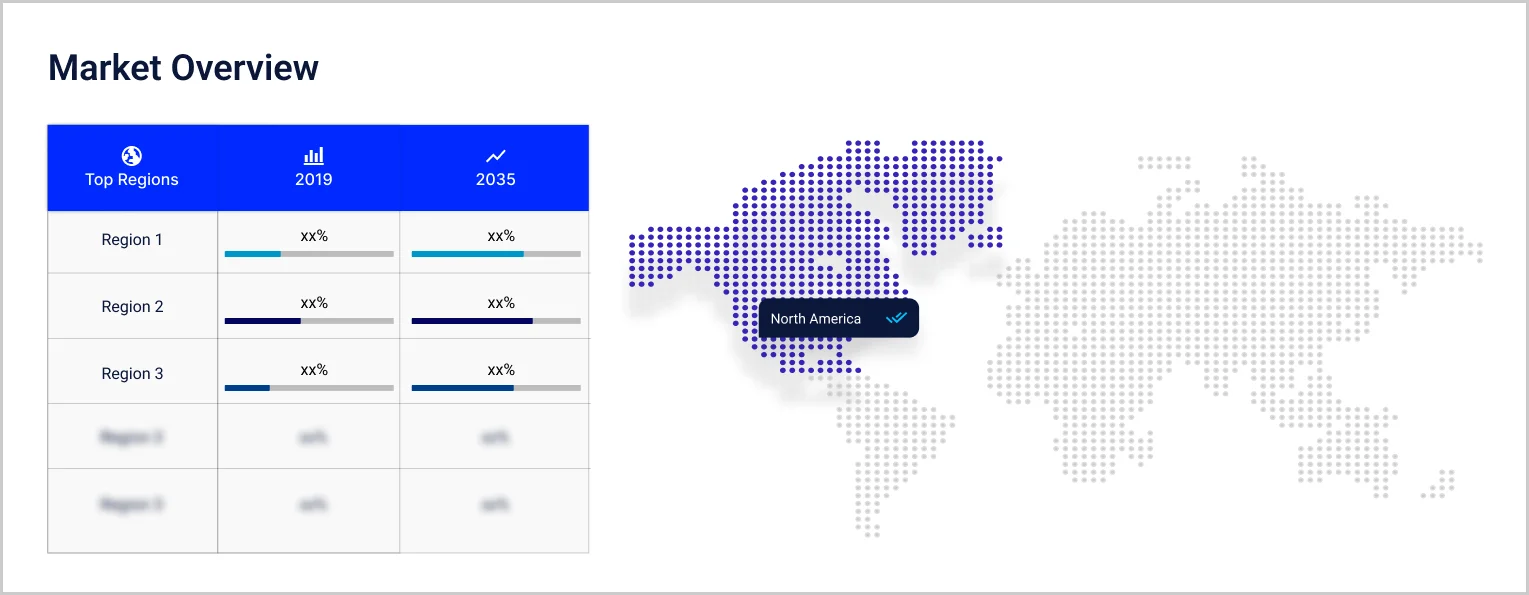
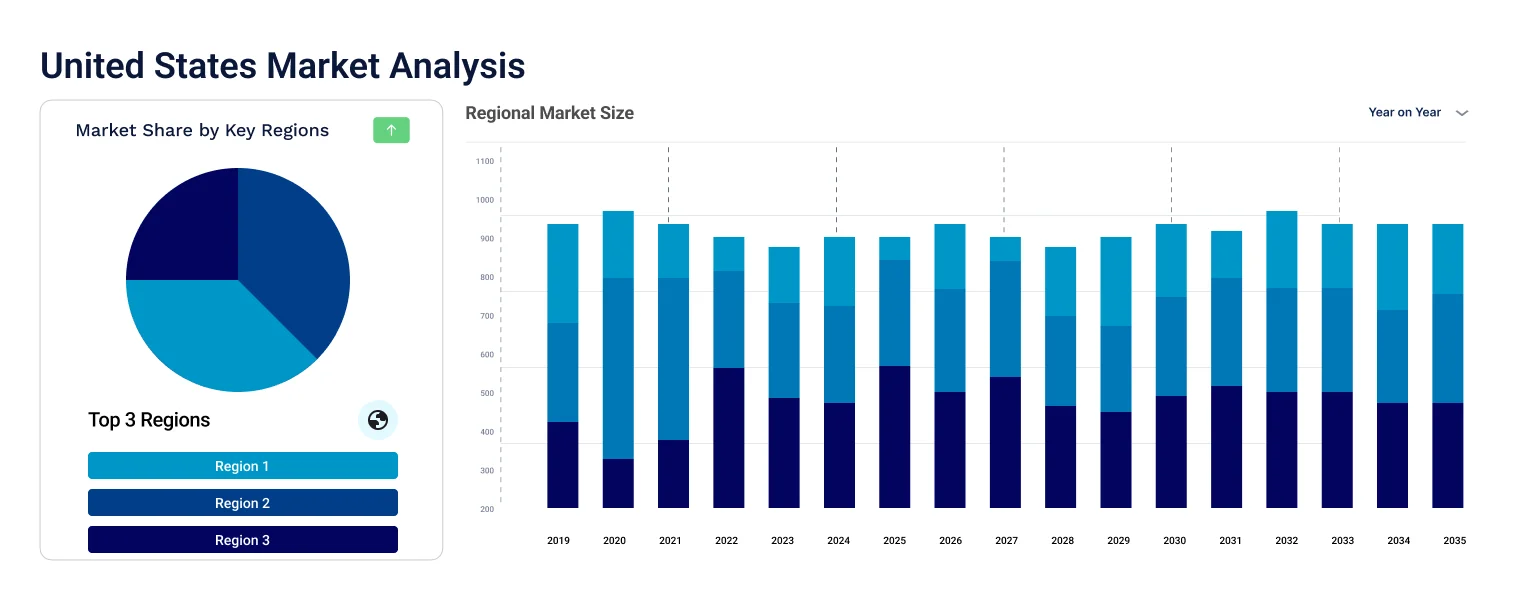
| CAGR 2026-2035 - Market by | Region |
| Far West | 1.7% |
| Rocky Mountain | 1.4% |
| New England | XX% |
| Mideast | XX% |
| Plains | XX% |
| Southeast | XX% |
| Southwest | XX% |
| Great Lakes | XX% |
In the market from 2026 to 2035, frozen crustaceans and frozen fish are anticipated to experience the highest growth, each with a CAGR of 1.4%, driven by increasing consumer demand for convenient, high-protein foods and the expanding availability of these products in retail outlets. Frozen molluscs and the 'others' category, both with CAGRs of 1.2%, continue to see steady demand, although at a slightly slower pace compared to crustaceans and fish, due to their more niche appeal.
Expert Market Research's industry report provides a comprehensive quantitative analysis of various market segments, historical and current market trends, and forecasts the dynamics of the United States frozen fish and seafood market spanning from 2019 to 2035.
The research report delivers up-to-date insights into the market drivers, challenges, and opportunities shaping the United States frozen fish and seafood market.
Stakeholders can leverage Porter's five forces analysis to assess the impact of new entrants, competitive rivalry, supplier power, buyer power, and the threat of substitution. This analysis aids in evaluating the competitiveness and attractiveness of the United States frozen fish and seafood market.
The competitive landscape section enables stakeholders to gain a deep understanding of their competitive environment. It offers insights into the current market positions of key players, their strategies, and their market shares.
Additionally, the report highlights emerging trends, regulatory influences, and technological advancements that are pivotal for stakeholders navigating the United States frozen fish and seafood market landscape.


Upto 15% Off
USD
$2499 $2249
$3999 $3599
$4999 $4249
$5999 $5099


*While we strive to always give you current and accurate information, the numbers depicted on the website are indicative and may differ from the actual numbers in the main report. At Expert Market Research, we aim to bring you the latest insights and trends in the market. Using our analyses and forecasts, stakeholders can understand the market dynamics, navigate challenges, and capitalize on opportunities to make data-driven strategic decisions.*
Explore our key highlights of the report and gain a concise overview of key findings, trends, and actionable insights that will empower your strategic decisions.
| REPORT FEATURES | DETAILS |
| Base Year | 2025 |
| Historical Period | 2019-2025 |
| Forecast Period | 2026-2035 |
| Scope of the Report |
Historical and Forecast Trends, Industry Drivers and Constraints, Historical and Forecast Market Analysis by Segment:
|
| Breakup by Product Type |
|
| Breakup by Distribution Channel |
|
| Breakup by Region |
|
| Market Dynamics |
|
| Competitive Landscape |
|
| Companies Covered |
|
Datasheet
One User
USD 2,499
USD 2,249
tax inclusive*
Single User License
One User
USD 3,999
USD 3,599
tax inclusive*
Five User License
Five User
USD 4,999
USD 4,249
tax inclusive*
Corporate License
Unlimited Users
USD 5,999
USD 5,099
tax inclusive*
*Please note that the prices mentioned below are starting prices for each bundle type. Kindly contact our team for further details.*
Flash Bundle
Small Business Bundle
Growth Bundle
Enterprise Bundle
*Please note that the prices mentioned below are starting prices for each bundle type. Kindly contact our team for further details.*
Flash Bundle
Number of Reports: 3
20%
tax inclusive*
Small Business Bundle
Number of Reports: 5
25%
tax inclusive*
Growth Bundle
Number of Reports: 8
30%
tax inclusive*
Enterprise Bundle
Number of Reports: 10
35%
tax inclusive*
How To Order

Select License Type
Choose the right license for your needs and access rights.

Click on ‘Buy Now’
Add the report to your cart with one click and proceed to register.

Select Mode of Payment
Choose a payment option for a secure checkout. You will be redirected accordingly.
Strategic Solutions for Informed Decision-Making
Gain insights to stay ahead and seize opportunities.

Get insights & trends for a competitive edge.

Track prices with detailed trend reports.

Analyse trade data for supply chain insights.

Leverage cost reports for smart savings

Enhance supply chain with partnerships.

Connect For More Information
Our expert team of analysts will offer full support and resolve any queries regarding the report, before and after the purchase.
Our expert team of analysts will offer full support and resolve any queries regarding the report, before and after the purchase.
We employ meticulous research methods, blending advanced analytics and expert insights to deliver accurate, actionable industry intelligence, staying ahead of competitors.
Our skilled analysts offer unparalleled competitive advantage with detailed insights on current and emerging markets, ensuring your strategic edge.
We offer an in-depth yet simplified presentation of industry insights and analysis to meet your specific requirements effectively.




