

Consumer Insights
Uncover trends and behaviors shaping consumer choices today
Procurement Insights
Optimize your sourcing strategy with key market data
Industry Stats
Stay ahead with the latest trends and market analysis.
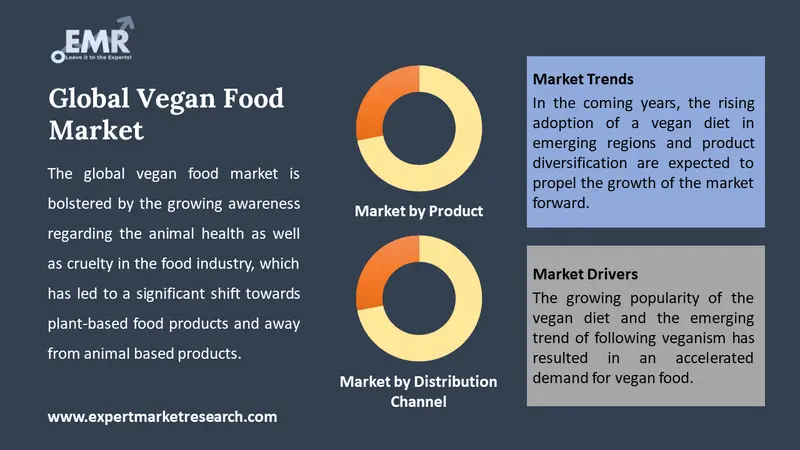
The global vegan food market attained a value of USD 29.80 Billion in 2025 and is projected to reach USD 78.00 Billion by 2035, expanding at a CAGR of 10.10% across the 2026-2035 forecast period. Once a niche aisle aimed at a small base of committed vegans, the category has matured into a mainstream pillar of the food and beverage industry, pulled forward by flexitarian eating, rising health consciousness, and sustained investment in plant-based product innovation.
What separates today’s market from the early plant-based wave is breadth. Demand now spans meat substitutes, dairy alternatives, egg replacements, bakery, confectionery, and plant-based snacks, sold across grocery retail, foodservice, and fast-growing online channels. Improvements in taste, texture, and nutritional profile have narrowed the gap with animal-based products, while wider distribution has moved vegan options from specialty stores into everyday supermarket baskets. The result is a category with durable structural growth rather than a passing trend.

Meat substitutes and dairy alternatives together account for the bulk of category revenue, with vegan meat representing the single largest product concentration of spend. On the channel side, supermarkets and hypermarkets remain the dominant route to market because they offer scale, chilled-aisle visibility, and trial-driving promotions, while online retail is the fastest-growing channel as direct-to-consumer brands and grocery e-commerce expand reach.
The United States is the most significant single-country contributor and the largest pool of buyer demand for category intelligence. Germany and the United Kingdom anchor a mature Western European base, while Asia Pacific demand is rising quickly across markets such as Singapore, Japan, South Korea, India, and the Philippines. This tri-regional spread, North America, Western Europe, and Asia Pacific, defines where the next decade of growth will concentrate.
Compound Annual Growth Rate
10.1%
Value in USD Billion
2026-2035
Product innovation is the defining trend. Manufacturers are using high-moisture extrusion and precision fermentation to engineer meat and dairy analogues that match the fibrous texture of whole-muscle meat and the melt and stretch of cheese. Mycoprotein and novel legume and pea-protein isolates are widening the ingredient palette beyond soy, improving both nutrition and label simplicity.
A parallel shift is the move toward clean-label and minimally processed formulations, a response to growing scrutiny of ultra-processed plant-based products. Brands are trimming ingredient lists, fortifying with B12, iron, and omega-3s, and leaning into whole-food positioning. Foodservice adoption is also accelerating, with quick-service and casual-dining chains adding permanent vegan items rather than limited-time trials, which normalizes the category and drives repeat purchase. Finally, private-label expansion by major grocers is increasing accessibility and price competition, pulling vegan food further into the mainstream basket.
Three structural forces underpin the 10.10% CAGR. First, health and wellness: consumers increasingly associate plant-forward eating with lower risk of cardiovascular disease, type 2 diabetes, and obesity, and many shift toward plant-based milks and proteins to manage lactose intolerance and dairy allergies. Second, environmental and ethical motivation: awareness of the land, water, and emissions footprint of animal agriculture, together with animal-welfare concerns, is reshaping purchase behavior, especially among younger demographics.
Third, supply-side maturation: heavy investment from both startups and established food multinationals has expanded production capacity, improved unit economics, and dramatically widened distribution. As taste and texture improve and price gaps narrow, the addressable market expands from committed vegans to the far larger flexitarian majority. Reinforcing all three is the rise of omnichannel retail, where online and direct-to-consumer models lower the barrier to trial and repeat purchase.
Despite strong momentum, several factors temper growth. The most persistent is the price premium: many vegan products still cost more than their animal-based equivalents, limiting adoption among price-sensitive shoppers. Taste and texture expectations remain a hurdle for first-time buyers, and a single disappointing experience can suppress repeat purchase.
A growing headwind is the ultra-processed perception. As consumers scrutinize long ingredient lists and additives, some plant-based products face the criticism that they are not necessarily healthier than what they replace, which can stall the health-led growth narrative. Additional constraints include nutritional concerns around protein quality and micronutrients, allergen sensitivities to soy, nuts, and gluten, and inconsistent labeling and regulatory definitions of terms such as “vegan,” “plant-based,” and “meat” across jurisdictions, which complicate marketing and cross-border expansion.
Read more about this report - REQUEST FREE SAMPLE COPY IN PDF
The EMR’s report titled “Vegan Food Market Report and Forecast 2026-2035” offers a detailed analysis of the market based on the following segments:
By Product Type Analysis
Vegan Meat (Meat Substitutes)
Vegan meat is the largest and most visible product type, spanning burgers, sausages, nuggets, mince, and whole-cut analogues built from soy, pea, wheat, and mycoprotein. Continuous improvement in texture through extrusion technology and the entry of mainstream food companies have made this the category’s growth engine and the focal point of most retail innovation.
Vegan Milk (Dairy Alternatives)
Plant-based milk is the most established and widely adopted dairy alternative, with oat, almond, soy, and coconut bases leading shelves, increasingly extended into yogurt, cheese, butter, ice cream, and creamers. Lactose intolerance, perceived health benefits, and strong barista and foodservice adoption keep this segment a reliable, high-velocity contributor.
Other Vegan Food Products
The remaining segment captures the fast-diversifying long tail: egg alternatives, vegan bakery and confectionery, plant-based snacks, spreads, dips, sauces, margarines, and drink mixes. Though individually smaller, these sub-categories collectively broaden the everyday occasions in which vegan products are consumed and are an important driver of category stickiness.
By Distribution Channel Analysis
Supermarkets/Hypermarkets
The dominant channel, supermarkets and hypermarkets provide scale, chilled-aisle visibility, and promotional muscle that drive trial and repeat purchase. The rapid growth of grocer private-label vegan ranges within this channel is a key accessibility and price-competition lever.
Convenience Stores
Convenience retail supports impulse and on-the-go consumption, particularly for snacks, ready-to-drink plant milks, and grab-and-go meals, extending category reach into smaller-basket, high-frequency shopping missions.
Online Retail
Online is the fastest-growing channel, propelled by direct-to-consumer brands, subscription models, and the expansion of grocery e-commerce. It lowers the barrier to discovering newer or specialty vegan products that may not yet have physical shelf space.
Other Channels
Specialty and health-food stores, foodservice, and institutional channels round out distribution, with foodservice adoption by restaurant and quick-service chains playing an outsized role in normalizing vegan options for the mainstream consumer.
Market Breakup by Region
Key Insight: North America dominates the vegan food market, driven by increasing health awareness, ethical consumerism, and strong product innovation. For instance, in May 2025, Lindt & Sprüngli unveiled its LINDOR Vegan Truffles across Canada for catering to the surging demand for indulgent and plant-based chocolate alternatives. The United States hosts major players, whose products are widely available in retail and foodservice sectors. Government support for sustainable food systems and the growing flexitarian population is boosting the market demand. Rapid advances in food technology, such as lab-grown meat alternatives are helping to mimic the taste and texture of animal products. The presence of established distribution channels is further driving vegan food consumption in North America.
Meat Substitutes & Egg Alternatives to Garner Substantial Demand
The meat substitutes segment in the vegan food market includes tofu, textured vegetable protein (TVP), seitan, Quorn, and others. Tofu remains a staple due to its versatility and high protein content, widely used in Asian and Western cuisines. TVP is favoured for its meat-like texture and affordability, often found in processed foods, such as plant-based burgers. Seitan, made from wheat gluten, offers a chewy, meat-like experience popular in gourmet vegan dishes. Quorn, a mycoprotein-based brand, provides innovative alternatives such as nuggets and fillets, appealing to flexitarians. Together, these products are largely catering to diverse consumer preferences for sustainable, protein-rich meat alternatives.
Egg alternatives are an emerging segment of the vegan food industry due to rising penetration in baking, cooking, and processed foods. Liquid egg replacers made of mung bean, chickpea, and potato proteins to powdered mixes have grown suitable for commercial baking. In April 2025, Corbion introduced its innovative egg replacers, Vantage™ 12E and Vantage™ 11E to empower bakeries. The segment appeals to vegans and those with egg allergies, offering cholesterol-free, sustainable options. Ongoing innovation and increasing availability in grocery and foodservice channels are further expanding consumer acceptance and market presence.
Vegan Food Sales to Expand through Specialty Stores & Online
Specialty stores, such as health food shops, organic markets, and vegan-only outlets, are gaining traction in the vegan food market as they cater to niche consumer bases seeking premium and ethically certified products. These stores stock organic, gluten-free, and allergen-conscious items, appealing to health-focused or ethically motivated buyers. Brands, such as Whole Foods Market and Planet Organic are offering curated vegan selections, including artisanal cheese alternatives, plant-based supplements, and superfoods. This segment further remains important for brand-building and education.
The online segment is swiftly growing in the vegan food market. Several e-commerce platforms and brand-specific websites are allowing consumers to access a broader range of vegan products, especially in areas lacking physical stores. Driven by these factors, in May 2025, Kameda LT Foods introduced Krispy Hopu, its new vegan and gluten-free snack available on e-commerce platforms. Subscription boxes and direct-to-consumer models have also become popular, offering convenience and discovery of new brands. Online retail is supporting small and emerging vegan startups in reaching global audiences.
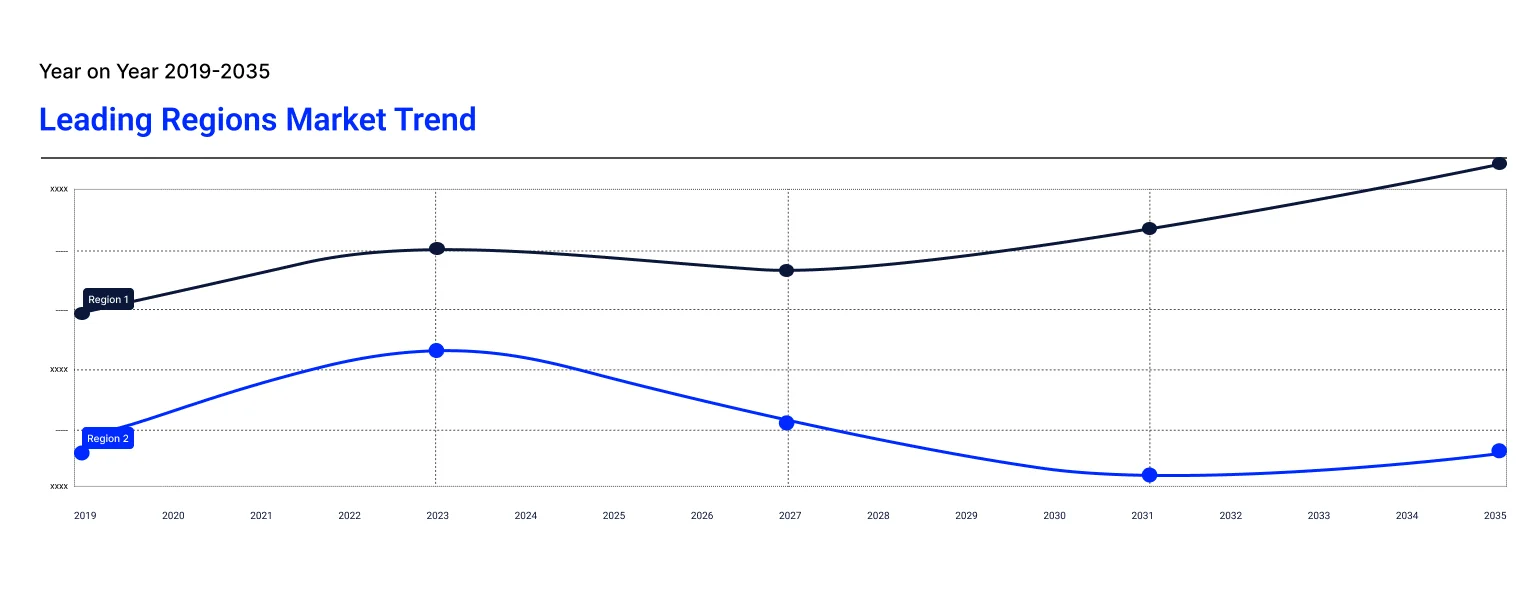
Asia Pacific Vegan Food Market
Asia Pacific is the fastest-growing region, fueled by rising health consciousness, urbanization, growing disposable incomes, and deep-rooted traditions of plant-based eating in several markets. Demand signals are especially strong across India, Japan, South Korea, Singapore, and the Philippines, where both local startups and global brands are scaling new product launches.
North America Vegan Food Market
North America, led by the United States, is the largest regional contributor and the most mature commercial market for vegan food. High consumer awareness, an established flexitarian base, dense retail and foodservice distribution, and heavy brand investment keep the region central to global category revenue and innovation.
Europe Vegan Food Market
Europe is a mature, high-penetration market anchored by Germany and the United Kingdom, with strong adoption also across France and the Nordics. Robust environmental awareness, supportive retail ranging, and well-developed private-label offerings sustain steady regional growth.
South America and the Middle East & Africa Vegan Food Market
These markets are at an earlier stage of development but show rising potential. Health-led demand, a growing number of local entrants, and incremental innovation in meat substitutes are expanding the consumer base, even as overall penetration remains comparatively low.
Latin America Vegan Food Market
Latin America is an emerging contributor, with Brazil and Mexico leading regional adoption. Growing health awareness, an expanding middle class, and broadening retail availability are gradually moving vegan food from specialty positioning toward mainstream grocery presence.
Vegan food market players are adopting strategies that focus heavily on product innovation to meet the consumer expectations. These firms are developing plant-based alternatives that closely replicate the taste, texture, and nutritional value of animal-derived foods. This includes innovations in meat substitutes, dairy-free cheeses, and egg replacements through advanced food technologies to improve product quality and appeal. Vegan brands are emphasizing health benefits, ethical considerations, and environmental sustainability to attract not only vegans but also flexitarians and health-conscious consumers.
Sustainability is a key initiative for many players working on eco-friendly sourcing and production practices that reduce carbon footprints and animal cruelty. This commitment is resonating strongly with environmentally conscious customers, helping brands differentiate themselves in a crowded market. To reach more consumers, companies are expanding their distribution networks by partnering with mainstream grocery chains, restaurants, and e-commerce platforms. Making vegan products more accessible is also encouraging wider trial and adoption. Additionally, competitive pricing and promotions are helping to lower the cost barrier compared to traditional animal products.
Founded in 1919, Danone S.A. is headquartered in Paris, France and offers a diverse range of food and beverage products, including plant-based alternatives via its Alpro and Silk brands. The company’s portfolio includes non-dairy milk, yogurt, and desserts, with a strong focus on health and sustainability.
Daiya Foods Inc., founded in 2008 and headquartered in Burnaby, Canada, specializes in dairy-free products, such as plant-based cheese, yogurt, dressings, and frozen meals. Known for its allergen-friendly ingredients, the brand caters to vegan and lactose-intolerant consumers seeking convenient, flavourful alternatives to traditional dairy.
Founded in 2014 and headquartered in Emeryville, the United States, Ripple Foods PBC focuses on plant-based dairy alternatives made primarily from yellow peas. Ripple’s product range includes milk, protein shakes, and creamers, known for their creamy texture, high protein content, and commitment to environmental sustainability.
Impossible Foods Inc., founded in 2011 and headquartered in Redwood City, the United States., is known for its meat alternatives made from plants, including the popular Impossible Burger. The company’s offerings aim to replicate the flavour and texture of meat while reducing environmental impact and supporting animal welfare.
*Please note that this is only a partial list; the complete list of key players is available in the full report. Additionally, the list of key players can be customized to better suit your needs.*
Other players in the vegan food market are Beyond Meat, Inc., Amy's Kitchen, Inc., Tofutti Brands, Inc., Earth’s Own Food Company Inc., Conagra, Inc., The Hain Celestial Group, Inc., Schouten Europe B.V., and Greenleaf Foods, SPC, among others.
Key Features of the Vegan Food Market Report
Why Choose Expert Market Research?
Trusted provider of industry insights backed by rigorous data analysis.
Call to Action
Unlock valuable insights into vegan food market trends 2026 and beyond. Download your free sample report today to explore growth drivers, regional performance, and competitive dynamics shaping the industry. Stay ahead with data-backed decisions in the rapidly expanding plant-based sector. Click now for expert-driven analysis and forecast highlights!
More Insights On
United Kingdom Vegan Food Market
South Korea Vegan Food Market
Australia Vegan Food Market
India Vegan Food Market
Vegan Fast Food Market


Upto 15% Off
USD
$2499 $2249
$3999 $3599
$4999 $4249
$5999 $5099


*While we strive to always give you current and accurate information, the numbers depicted on the website are indicative and may differ from the actual numbers in the main report. At Expert Market Research, we aim to bring you the latest insights and trends in the market. Using our analyses and forecasts, stakeholders can understand the market dynamics, navigate challenges, and capitalize on opportunities to make data-driven strategic decisions.*
In 2025, the market reached an approximate value of USD 29.80 Billion.
The market is projected to grow at a CAGR of 10.10% between 2026 and 2035.
The market is estimated to witness healthy growth in the forecast period of 2026-2035 to reach a value of around USD 78.00 Billion by 2035.
Key strategies driving the market include product innovation, expanding plant-based offerings, strategic partnerships, and targeted marketing. Companies are focusing on improving taste, nutrition, and affordability while increasing distribution through supermarkets and online platforms. Sustainability and health trends are also fuelling consumer demand, prompting brands to emphasize ethical sourcing and transparency.
The key market trend guiding the growth of the market includes the rising awareness of animal rights and growing concerns regarding environmental impact of the meat sector.
The major regions in the market are North America, Latin America, the Middle East and Africa, Europe, and the Asia Pacific.
The leading products in the market are dairy alternatives, meat substitutes, egg alternative, vegan bakery, confectionery, and plant-based snacks, among others.
Supermarkets and hypermarkets, convenience stores, speciality stores, and online are the major distribution channels in the market.
The key players in the market report include Danone S.A., Daiya Foods Inc., Ripple Foods PBC, Impossible Foods Inc., Beyond Meat, Inc., Amy's Kitchen, Inc., Tofutti Brands, Inc., Earth’s Own Food Company Inc., Conagra, Inc., The Hain Celestial Group, Inc., Schouten Europe B.V., and Greenleaf Foods, SPC, among others.
North America dominates the market, driven by increasing health awareness, ethical consumerism, and strong product innovation.
Explore our key highlights of the report and gain a concise overview of key findings, trends, and actionable insights that will empower your strategic decisions.
| REPORT FEATURES | DETAILS |
| Base Year | 2025 |
| Historical Period | 2019-2025 |
| Forecast Period | 2026-2035 |
| Scope of the Report |
Historical and Forecast Trends, Industry Drivers and Constraints, Historical and Forecast Market Analysis by Segment:
|
| Breakup by Product |
|
| Breakup by Distribution Channel |
|
| Breakup by Region |
|
| Market Dynamics |
|
| Competitive Landscape |
|
| Companies Covered |
|
Datasheet
One User
USD 2,499
USD 2,249
tax inclusive*
Single User License
One User
USD 3,999
USD 3,599
tax inclusive*
Five User License
Five User
USD 4,999
USD 4,249
tax inclusive*
Corporate License
Unlimited Users
USD 5,999
USD 5,099
tax inclusive*
*Please note that the prices mentioned below are starting prices for each bundle type. Kindly contact our team for further details.*
Flash Bundle
Small Business Bundle
Growth Bundle
Enterprise Bundle
*Please note that the prices mentioned below are starting prices for each bundle type. Kindly contact our team for further details.*
Flash Bundle
Number of Reports: 3
20%
tax inclusive*
Small Business Bundle
Number of Reports: 5
25%
tax inclusive*
Growth Bundle
Number of Reports: 8
30%
tax inclusive*
Enterprise Bundle
Number of Reports: 10
35%
tax inclusive*
How To Order

Select License Type
Choose the right license for your needs and access rights.

Click on ‘Buy Now’
Add the report to your cart with one click and proceed to register.

Select Mode of Payment
Choose a payment option for a secure checkout. You will be redirected accordingly.
Strategic Solutions for Informed Decision-Making
Gain insights to stay ahead and seize opportunities.

Get insights & trends for a competitive edge.

Track prices with detailed trend reports.

Analyse trade data for supply chain insights.

Leverage cost reports for smart savings

Enhance supply chain with partnerships.

Connect For More Information
Our expert team of analysts will offer full support and resolve any queries regarding the report, before and after the purchase.
Our expert team of analysts will offer full support and resolve any queries regarding the report, before and after the purchase.
We employ meticulous research methods, blending advanced analytics and expert insights to deliver accurate, actionable industry intelligence, staying ahead of competitors.
Our skilled analysts offer unparalleled competitive advantage with detailed insights on current and emerging markets, ensuring your strategic edge.
We offer an in-depth yet simplified presentation of industry insights and analysis to meet your specific requirements effectively.




