

Consumer Insights
Uncover trends and behaviors shaping consumer choices today
Procurement Insights
Optimize your sourcing strategy with key market data
Industry Stats
Stay ahead with the latest trends and market analysis.
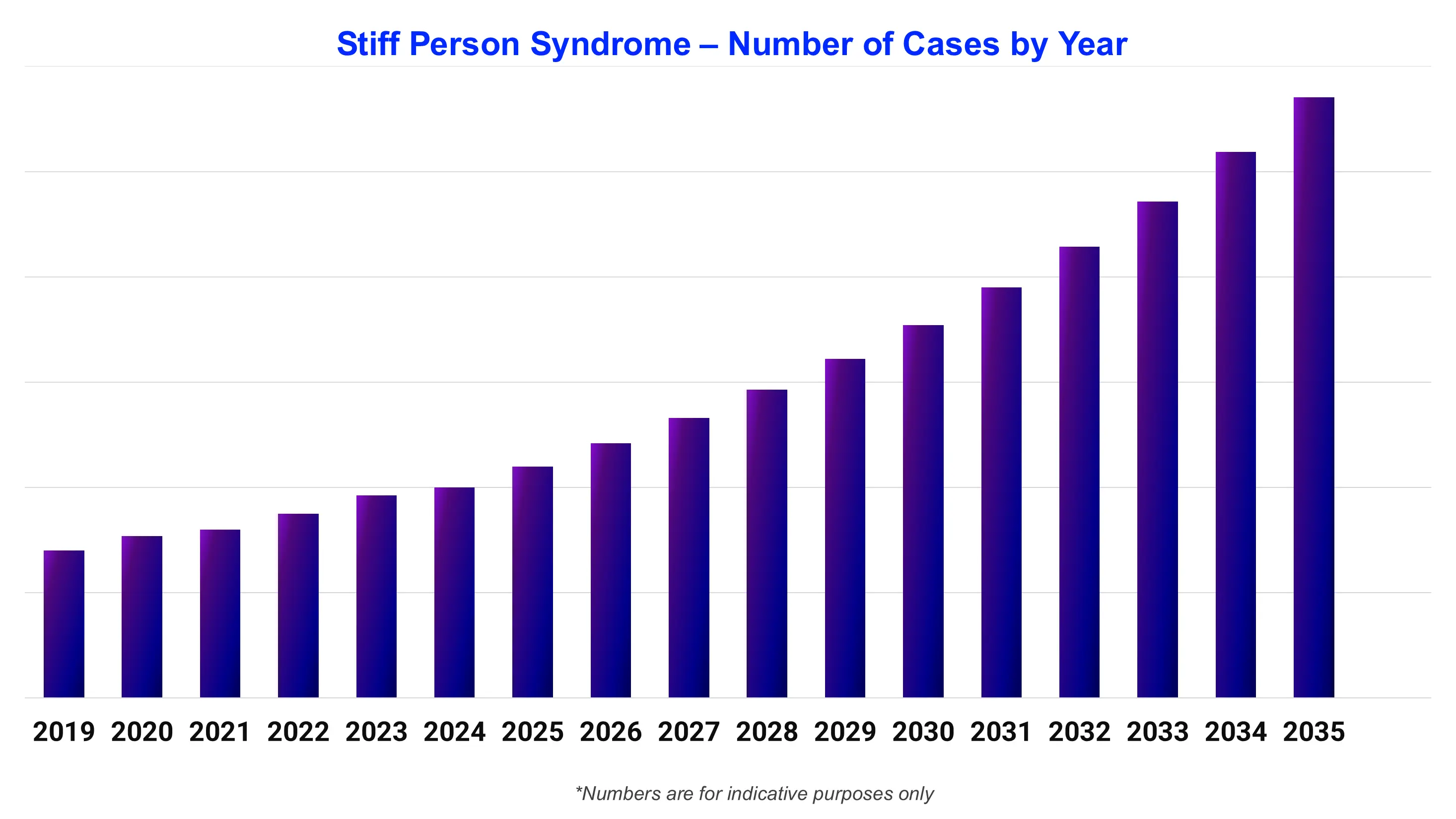
Stiff Person Syndrome (SPS) is a rare autoimmune neurological disorder characterized by progressive stiffness and rigidity of the axial and proximal limb muscles, superimposed painful spasms, exaggerated startle responses, and stimulus-sensitive muscle contractions. The Colorado health-system study estimated SPSD prevalence at 2.11 per 100,000, while a broader claims-based analysis cited in the same study produced substantially higher diagnostic prevalence estimates but had important specificity limitations. According to Stiff Person Syndrome Epidemiology Forecast by Expert Market Research (EMR), epidemiological characterization is complicated by the fact that SPS is a clinical syndrome rather than a single antibody-defined disease.
Base Year
Historical Period
Forecast Period
Read more about this report - REQUEST FREE SAMPLE COPY IN PDF
Expert Market Research's “Stiff Person Syndrome Epidemiology Forecast Report 2026-2035” offers comprehensive information on the prevalence and demographics of Stiff Person Syndrome. It projects the future incidence and prevalence rates of Stiff Person Syndrome cases across various populations. The study covers age, gender, and type as major determinants of the Stiff Person Syndrome population. The report highlights patterns in the prevalence of Stiff Person Syndrome over time and projects future trends based on multiple variables.
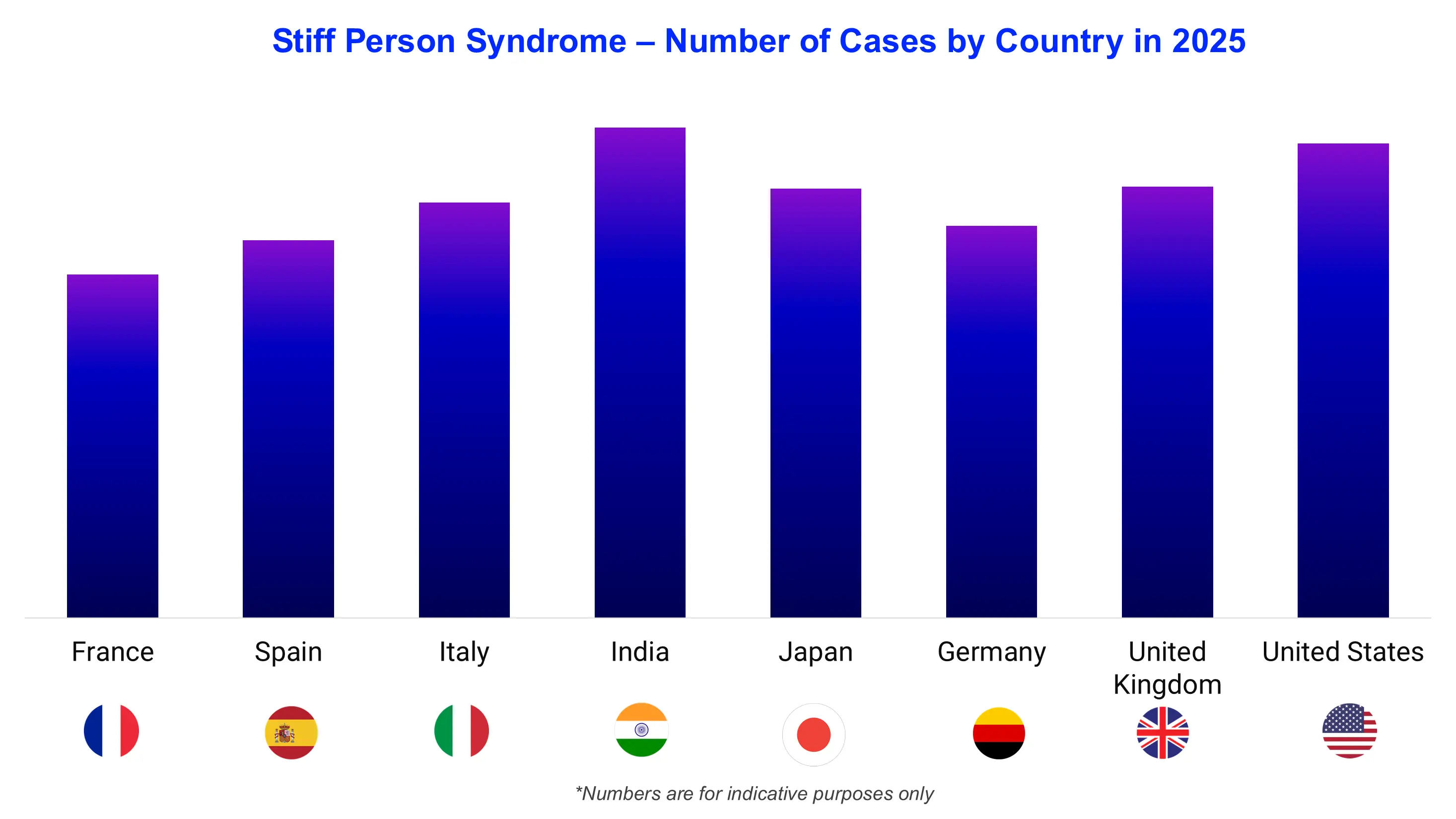
The report provides a comprehensive overview of the disease, as well as historical and projected data on the epidemiology of Stiff Person Syndrome in the 8 major markets.
Regions Covered
Stiff Person Syndrome (SPS) is a rare autoimmune neurological disorder characterized by progressive stiffness and rigidity of the axial and proximal limb muscles, superimposed painful spasms, exaggerated startle responses, and stimulus-sensitive muscle contractions. Symptoms can produce abnormal posture, impaired gait, falls, fractures, and substantial functional disability. SPS belongs to the broader Stiff Person Syndrome Spectrum Disorders (SPSD), which includes classic SPS, stiff-limb syndrome, SPS-plus, progressive encephalomyelitis with rigidity and myoclonus (PERM), and other phenotypic variants. Glutamic acid decarboxylase 65 (GAD65) antibodies are the principal biomarker in classic SPS, while glycine-receptor antibodies are particularly associated with PERM and related phenotypes. Contemporary reviews emphasize that diagnostic overcalling remains a problem because GAD antibodies can occur in other neurological and autoimmune conditions and no universally accepted international diagnostic criteria exist.
|
Parameter |
Insight |
|
Largest Patient Pool |
United States |
|
Fastest Growing Country |
Italy and Spain |
|
High-Risk Population |
Adults, particularly women, with progressive axial or limb stiffness, stimulus-sensitive painful spasms, gait impairment, unexplained falls, or coexisting autoimmune disease: especially type 1 diabetes mellitus and autoimmune thyroid disease. |
|
Key Diagnostic Method |
Diagnosis requires clinical assessment supported by electromyography demonstrating continuous motor-unit activity, appropriate serum/CSF antibody testing, and exclusion of competing neurological diagnoses. High-titer GAD65 antibodies strongly support classic SPS; glycine-receptor and amphiphysin antibodies are important in selected spectrum and paraneoplastic phenotypes. |
|
Major Risk Factor |
Autoimmune susceptibility with antibodies against inhibitory neuronal proteins, principally GAD65, glycine receptor, or amphiphysin. SPS is frequently associated with other autoimmune diseases, particularly type 1 diabetes and autoimmune thyroid disease. |
|
Major gap in the market |
Diagnostic delay and misdiagnosis, lack of internationally standardized diagnostic criteria, limited epidemiological surveillance, incomplete response to existing therapies, and absence of an approved disease-modifying therapy. |
The Stiff Person Syndrome epidemiology division offers information on the patient pool from history to the present as well as the projected trend for each of the 8 major markets. Expert Market Research provides both current and predicted trends for the Stiff Person Syndrome epidemiology scenario by examining a wide range of studies. Additionally, the report covers the diagnosed patient pool for Stiff Person Syndrome and their trends. The data is broken down into specific categories, such as total prevalent cases in males and females, and total diagnosed cases across different age groups and patient pools.
|
Epidemiology Segment |
Key Insights |
|
Diagnosed Prevalent Cases of the Disease |
The best contemporary population-based estimate is the 2024 Colorado study's 2.11 per 100,000 SPSD prevalence, with stricter diagnostic definitions producing 1.36–1.82 per 100,000. Japan's nationwide survey estimated 257 SPS patients and a period prevalence of 0.20 per 100,000. These estimates are not directly interchangeable because of differing definitions. |
|
Gender-Specific Cases of the Disease |
SPS predominantly affects women. In the 2025 diagnostic case-control cohort, 76.4% were female; in the 2023 Johns Hopkins cohort, women represented 75%. The Japanese nationwide GAD65-positive cohort contained 23 women among 30 detailed cases (76.7%). |
|
Age-Specific Cases of the Disease |
SPS is primarily an adult-onset disease. In Japan, median age at onset was 51 years, with a range of 26–83 years. In the 2025 Mayo long-term cohort, median onset was 45 years, range 16–78. Pediatric disease is distinctly uncommon; a 2025 systematic review identified only 49 pediatric cases from 41 reports across 15 countries. |
|
Ethnicity-Wise Cases of the Disease |
Available cohorts demonstrate SPS across racial and ethnic groups but do not establish ethnicity-specific incidence. The 2024 Colorado cohort included a diverse population; a 2025 case-control cohort was 70.8% White, reflecting referral-cohort composition rather than disease-specific racial risk. |
|
Mortality and Survival Analysis of the Disease |
Contemporary population-level mortality estimates are unavailable. Long-term disease can cause severe disability, falls, respiratory complications, and secondary complications from immobility. In the 2025 Mayo cohort, half of patients became functionally dependent at disease nadir, but 67% were functionally independent at last follow-up after treatment. Pediatric literature reported persistent symptoms in 26.5% of cases. |
|
Disease Type |
Prevalence |
|
Classic Stiff Person Syndrome |
The predominant SPS phenotype, characterized by progressive stiffness and rigidity predominantly affecting the axial and proximal limb musculature, with painful spasms precipitated by sudden movement, tactile or auditory stimuli, or emotional stress. Classic SPS is generally associated with high-titer GAD65 antibodies. It represents approximately 70–80% of SPS cases in clinical descriptions. |
|
SPS-Plus |
A classic SPS phenotype accompanied by additional neurological manifestations such as cerebellar ataxia, brainstem abnormalities, epilepsy, or other focal neurological features. The 2023 Johns Hopkins cohort classified 18% of its SPSD patients as SPS-plus. |
|
Stiff-Limb Syndrome |
A focal or regional SPS phenotype in which rigidity and painful spasms predominantly affect one or more limbs rather than the classic axial distribution. It may progress to more generalized SPS. The Japanese nationwide survey found 30% of GAD65-positive SPS patients had stiff-limb syndrome, while the 2025 Mayo long-term cohort identified four stiff-limb cases among 43 patients. |
|
Progressive Encephalomyelitis with Rigidity and Myoclonus (PERM) |
A severe SPS-spectrum phenotype characterized by rigidity and painful spasms accompanied by myoclonus and brainstem/autonomic or encephalopathic features. Glycine-receptor antibodies are particularly associated with PERM. The 2025 pediatric systematic review identified PERM in 22.4% of reported pediatric SPS-spectrum cases, although this figure should not be extrapolated to the overall SPS population. |
Read more about this report - REQUEST FREE SAMPLE COPY IN PDF
The Stiff Person Syndrome epidemiology data and findings for the United States, Germany, Spain, Italy, France, the United Kingdom, Japan, and India are also provided in the epidemiology section.
|
Country |
Key Insights |
|
United States |
The strongest contemporary epidemiological evidence comes from the United States. A 2024 Colorado population-based study estimated SPSD prevalence at 2.11 per 100,000 and annual incidence at 0.35 per 100,000 person-years during 2012–2022. A separate 2025 diagnostic cohort contained 199 SPSD cases, 154 classic SPS and 45 SPS-plus, with 76.4% female. A 2025 Mayo long-term study included 43 GAD65-positive patients and showed substantial disability at disease nadir but functional recovery in many treated patients. |
|
Germany |
The historically cited German estimate of approximately one case per million originated from a Heidelberg single-center experience and predates the current epidemiological literature. Contemporary U.S. data now indicate that this historical figure likely substantially underestimates the burden of SPSD. |
|
France |
French evidence contributes to the broader European SPS literature, but available specialist cohorts do not provide a defensible national patient count |
|
Italy |
Italy contributed to the 2025 systematic review of rituximab in GAD65-positive SPS, which included 30 patients across 14 studies; the evidence suggested clinical improvement in many patients but remained limited by small samples and heterogeneous treatment protocols. |
|
Spain |
Available Spanish literature consists predominantly of specialist clinical reports rather than national surveillance, preventing a reliable national case estimate. |
|
United Kingdom |
Contemporary UK-specific population data remain limited. The historical British Neurological Surveillance Unit study identified 119 cases over five years, corresponding to an estimated prevalence of approximately 1–2 per million, but this surveillance period was 2000–2005 and therefore is not a contemporary prevalence estimate. |
|
Japan |
A 2023 nationwide survey provides the strongest contemporary country-specific estimate outside the United States. It estimated 257 SPS patients, corresponding to a period prevalence of 0.20 per 100,000, while GAD65-positive SPS was estimated at 140 patients, or 0.11 per 100,000. Among 30 detailed GAD65-positive cases, 76% were female, median onset was 51 years, and 70% had classic SPS while 30% had stiff-limb syndrome. |
|
India |
A 2024 Indian series from SMS Medical College, Jaipur, comprised 17 reported SPS/SPS-spectrum cases, including 16 classic SPS and one stiff-limb syndrome. The median presentation age was 43 years, 88% were adults, and the cohort included eight women and nine men. The authors also reviewed 16 previously reported Indian cases. These data demonstrate established clinical recognition but do not support a national prevalence estimate. |
The major epidemiological gap is the absence of standardized national surveillance. The discrepancy between the historical German and UK estimates of approximately 1–2 cases per million and the 2024 Colorado estimate above 2 cases per 100,000 illustrates how strongly ascertainment and diagnostic criteria affect apparent prevalence. However, the Colorado estimate should also not simply be generalized to all countries because it came from a single integrated health system and included the broader SPSD spectrum. The field therefore requires standardized case definitions, antibody-independent clinical confirmation, and population-level ascertainment before a definitive global prevalence can be established. Diagnostic delay remains a substantial unmet need. SPS can resemble functional neurological disorder, dystonia, spasticity, Parkinsonian syndromes, myelopathy, epilepsy, anxiety-related disorders, or other movement disorders.
Management of SPS is generally divided into symptomatic control of neuronal hyperexcitability and immunotherapy. GABAergic agents such as diazepam, baclofen and gabapentin are commonly used to reduce stiffness and spasms. Intravenous immunoglobulin (IVIG) remains an important immunomodulatory treatment for appropriate patients, while corticosteroids, plasma exchange, rituximab and other immunotherapies may be used according to disease severity and response. The 2024 expert review describes IVIG and rituximab as established components of contemporary immunotherapeutic practice, while emphasizing the limited evidence base for several therapies. Evidence for rituximab remains considerably weaker than its use in clinical practice might imply. A 2025 systematic review identified only 14 studies involving 30 SPS patients treated with rituximab.


Upto 15% Off
USD
$2699 $2429
$4299 $3869
$5799 $4949
$6999 $5949


*While we strive to always give you current and accurate information, the numbers depicted on the website are indicative and may differ from the actual numbers in the main report. At Expert Market Research, we aim to bring you the latest insights and trends in the market. Using our analyses and forecasts, stakeholders can understand the market dynamics, navigate challenges, and capitalize on opportunities to make data-driven strategic decisions.*
Explore our key highlights of the report and gain a concise overview of key findings, trends, and actionable insights that will empower your strategic decisions.
|
Report Features |
Details |
|
Base Year |
2025 |
|
Historical Period |
2019-2025 |
|
Forecast Period |
2026-2035 |
|
Epidemiology Statistics Provided |
|
|
Segmentation Provided |
|
|
Geographies Covered |
|
Datasheet
One User
USD 2,699
USD 2,429
tax inclusive*
Single User License
One User
USD 4,299
USD 3,869
tax inclusive*
Five User License
Five User
USD 5,799
USD 4,949
tax inclusive*
Corporate License
Unlimited Users
USD 6,999
USD 5,949
tax inclusive*
*Please note that the prices mentioned below are starting prices for each bundle type. Kindly contact our team for further details.*
Flash Bundle
Small Business Bundle
Growth Bundle
Enterprise Bundle
*Please note that the prices mentioned below are starting prices for each bundle type. Kindly contact our team for further details.*
Flash Bundle
Number of Reports: 3
20%
tax inclusive*
Small Business Bundle
Number of Reports: 5
25%
tax inclusive*
Growth Bundle
Number of Reports: 8
30%
tax inclusive*
Enterprise Bundle
Number of Reports: 10
35%
tax inclusive*
How To Order

Select License Type
Choose the right license for your needs and access rights.

Click on ‘Buy Now’
Add the report to your cart with one click and proceed to register.

Select Mode of Payment
Choose a payment option for a secure checkout. You will be redirected accordingly.
Strategic Solutions for Informed Decision-Making
Gain insights to stay ahead and seize opportunities.

Get insights & trends for a competitive edge.

Track prices with detailed trend reports.

Analyse trade data for supply chain insights.

Leverage cost reports for smart savings

Enhance supply chain with partnerships.

Connect For More Information
Our expert team of analysts will offer full support and resolve any queries regarding the report, before and after the purchase.
Our expert team of analysts will offer full support and resolve any queries regarding the report, before and after the purchase.
We employ meticulous research methods, blending advanced analytics and expert insights to deliver accurate, actionable industry intelligence, staying ahead of competitors.
Our skilled analysts offer unparalleled competitive advantage with detailed insights on current and emerging markets, ensuring your strategic edge.
We offer an in-depth yet simplified presentation of industry insights and analysis to meet your specific requirements effectively.




