Innovations in Wheat Farming for Higher Yields
Modern Approaches to Wheat Cultivation
Over the last several years, wheat farming has radically transformed, with traditional methods slowly disappearing and being replaced by more modern practices that are aimed at increasing yields and efficiency.
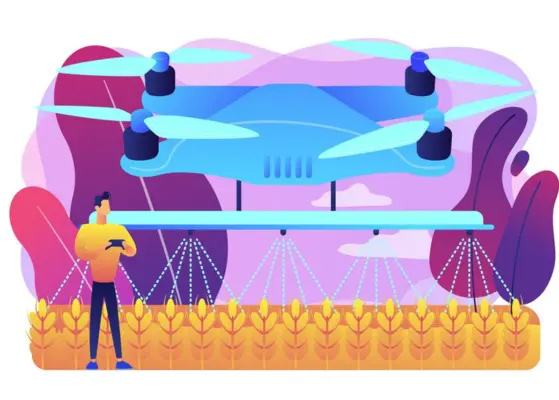
Precision agriculture is one of the main approaches that helps farmers monitor soil condition, water usage, and crop growth more accurately. Real-time data is measured and collected by sophisticated sensors and drones and thus, farmers are able to make well-informed decisions about sowing, watering, and fertilizing. This practice cuts down on waste, gets the most out of resource consumption, and guarantees that each acre of wheat delivers the highest output possible.
Furthermore, the use of high-yielding and disease-resistant wheat seed varieties has turned into a major element of the wheat farming strategy. Such advanced seeds can ward off pests and withstand harsh weather conditions, through which farmers can keep their production stable even if nature becomes unfavorable. Technological tools combined with the improved seeds are basically modern wheat cultivation's main components, which ensure the continuation of world food security.
Crop Rotation and Soil Management for Sustainable Growth
Healthy soil is the basis of productive wheat farming, and methods like crop rotation have been very successful in both preserving soil fertility and limiting pest problems. By changing the cultivation of wheat with legumes or other nitrogen-fixing plants, the soil is naturally replenished, and at the same time, the potential of pathogen accumulation is limited. Soil testing is a tool that farmers have been using more to know the nutrient status of the soil and then decide on the use of fertilizers only when necessary. Such a precisely targeted method helps in saving input costs while at the same time decreasing the environmental footprint. Cover crops are additionally employed to keep the soil from being washed away, to hold water, and to keep the soil structure intact.
All of these ways make the crops more productive and also help in the progress of long-term sustainability so that the land will stay fertile and capable of producing in the future. How the soil is treated and managed can be very influential in raising wheat yields and also in keeping agriculture in harmony with the environment.
Precision Irrigation and Efficient Water Use
Water is one of the significant factors of wheat growth, and its management is of great importance, especially in areas where rainfall is not regular or there is a shortage of water. Precision irrigation technologies enable farmers to supply water to the plants in the exact amounts they need for each growth stage. With the help of drip irrigation and automated sprinklers, water can be applied in a way that is not only efficient but also, without any wastage, prevents overwatering, and thus, water resources are further preserved. By using such methods, farmers can get real-time data on soil moisture levels, by which they can make proper decisions on adjusting irrigation programs, so plants acquire enough water without being wasteful. Not only is the production of wheat significantly increased through proper water use, but also the pressure on water resources at the local level is considerably alleviated. Thus, farming can be made a sustainable practice. Technology incorporation in irrigation methods is now at the heart of the evolution of wheat production, and thus, the farming community has been assisted in input optimization without compromising the quality of the product.
Technology-Driven Pest and Disease Management
For centuries, pests and diseases have remained a problem for wheat producers, but recent technological breakthroughs now enable farmers to tackle these problems more accurately. Sensors, satellite pictures, and AI software can anticipate pest attacks and the spread of diseases. Thus, interventions can be made at the right time before the damage gets too serious. Farmers, nowadays, are mixing old methods with new advanced technologies via integrated pest management strategies. This method involves the use of natural predators, crop rotation, and the application of a few carefully targeted, selective treatments to keep pests in check while at the same time reducing environmental pollution.
Tools and Techniques for Maximizing Yield
Modern wheat farming is just a part of a larger agricultural system where various tools and techniques are tightly integrated to constantly push the limits of productivity and crop quality. Precision-guided machinery makes planting and harvesting operations very accurate, while soil sensors give us a detailed insight into the nutrient status and the water capacity of the soil. Drones are basically flying assistants that can quickly scan large fields and pinpoint the areas affected by disease or showing signs of stress due to a lack of nutrients. Automated irrigation systems not only save water but also operate at peak efficiency, and better seeds are naturally able to withstand diseases and drastic weather changes.
Explore the Global Wheat Market Report for more insights on trends and innovations.
Ensuring Productivity for the Future
The future of wheat farming rests on continuous innovation and wise management. Those who combine technology with good agricultural practices are farming more productively and boldly. If we keep focusing on the health of the soil, on using water wisely, and on pest control that is both effective and targeted, then wheat production can still be a flourishing and green activity after many years. Not only that, these methods will secure the continuity of wheat as a staple crop, together with preserving the farming environment at large.











Share