How Adventure Tourism Is Transforming Motorcycle Dealership Ecosystems?
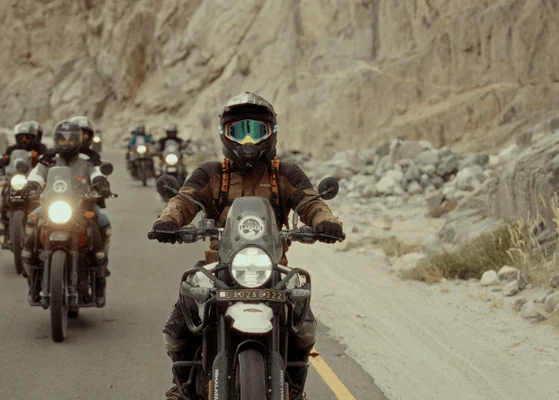
Over the past decade, adventure tourism has moved from niche to mainstream, reshaping how motorcycles are purchased, used, and maintained, particularly in regions with scenic, off-road potential. What was once a hobbyist segment is now stimulating a broader commercial response, especially across dealership networks.
As more international and domestic tourists seek guided tours, solo rides, or cross-border expeditions, local motorcycle dealerships are repositioning themselves as mobility enablers.
From providing short-term rentals and fleet assistance to developing service tie-ups with tour operators, the dealer community is adjusting to cater to a new generation of high-intensity riders.
Adventure Travel Is Creating Season-Driven Sales Spikes
In places such as Nepal, Morocco, and Vietnam, adventure travel has developed seasonal demand curves that are transforming inventory and financing cycles for dealers. Instead of depending only on new-buyers, most dealers now support tourism-based customers, who ride during certain months only but generate high parts and service revenue within that period.
This is causing dynamic procurement patterns, where accessory kits, spares, and protective gear are stocked in phase with the tourist calendar. For instance, in north India, showrooms along Ladakh routes have begun selling bikes with snow chains, emergency kits, and fuel canisters bundled up and rented or sold as packages to winter tourists.
Rental Partnerships Are a New Revenue Channel
Dealers are increasingly teaming up with motorcycle rental businesses to sell inventory without holding out for walk-in buyers. Instead of selling outright, most dealerships now rent adventure motorcycles to rental companies for peak periods, keeping a second source of revenue while keeping ownership of the assets.
In the Balkan region, some dealers have converted 20–30% of their inventory into variable rental arrangements, serving Western European riders visiting the Adriatic coastlines and interior mountains. This revenue model not only enhances unit turnover but also maintains the dealership brand alive through visible rider involvement, internet tagging, and customer feedback.
Cross-Border Tours Are Driving Regional Service Alliances
As much as adventure tours are crossing country boundaries, dealerships are also experiencing demand for networked service alliances, enabling riders to receive support across regions.
In South America, Patagonia-to-Peru tour operators now work with Chilean, Argentine, and Bolivian dealerships to have parts available and warranty coverage for the trip. Alliances with regional dealerships benefit dealerships by giving them exposure outside their local area as well as giving confidence to global riders.
It also presents an opportunity to sell branded maintenance packages, OEM components, and certified mechanics, which are critical for ensuring brand consistency through disparate riding experiences.
Tour Operators are Turning into B2B Customers
The advent of organised adventure riding vacations has introduced dealerships to a new generation of fleet buyers. Tour operators presently acquire or lease adventure motorcycles in batches, which frequently include requests for particular accessories, rider ergonomics, and service guarantees.
In the Philippines, eco-tourism companies are purchasing dual-sport motorcycles with lightweight weight, custom racks, and improved suspension for off-road island excursions. These B2B consumers are more inclined to agree to service-inclusive contracts, wherein maintenance, replacement parts, and quick-response repair service are offered by dealerships in exchange for long-term leases. This transition benefits dealers by diversifying revenue streams and stabilising cash flow, even during slow walk-in traffic seasons.
For extended analysis on OEM strategies and aftermarket opportunities, explore our Global Adventure Motorcycle Market
Rider Training and Community Events Are Strengthening Brand Engagement
Tourism-linked dealerships are also rebranding themselves as experience hubs, presenting pre-tour orientation sessions, meetups of riders, and safety courses. In South Africa, dealers feature rider orientations and skill drills for tourists visiting the Drakensberg area. These sessions serve as soft promotions, familiarising customers with new models, equipment, and accessories.
By engaging riders pre- and post-ride, dealerships expand their reach beyond transactions, fostering brand loyalty and creating word-of-mouth referrals geographically. Such events also provide chances to upsell high-margin accessories such as luggage systems, GPS devices, and weather gear that may otherwise go unsold.
Dealerships Must Evolve from Retail to Experience
Adventure touring is no longer a fleeting trend; it is radically transforming the operation of motorcycle dealerships.
From service partnerships and short-term rentals to seasonal packages and rider participation programs, dealers are evolving into multidimensional service providers rather than mere vehicle vendors. For OEMs, it means developing dealer support systems that provide flexibility, rapid accessory delivery, and tour-level service procedures. For tour operators, it translates into access to credible local operators with technical skills and brand expertise. Similarly, for the dealerships themselves, those who choose to adapt to the requirements of the adventure travel community are expected to win new customers, diversified revenues, and increased brand exposure, on and off the highway.











Share