Growing Importance of Air-Dried Foods
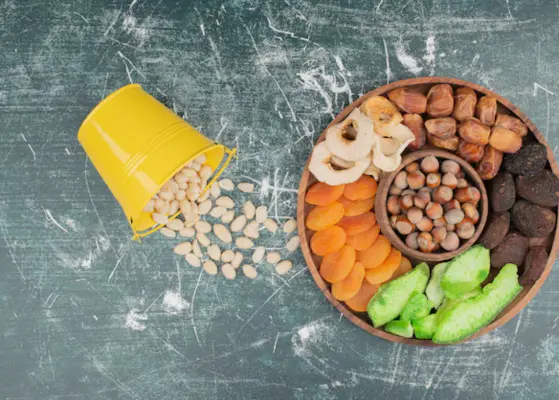
Dried foods are increasingly gaining popularity in terms of the growing preference for healthy, long-lasting, and convenient foods. It eliminates the moisture content of fruits, vegetables, meat, and seafood softly and does not destroy the natural flavors and texture. Another major difference between air drying and other forms of preservation is that it does not require the use of additives and chemicals. Hence, these foods can be accepted by consumers who are sensitive to natural products. This technology also helps in reducing the amount of waste generated since these food products come with enhanced shelf life. Hence, households and businesses can store the food products for months without wastage. Through growing awareness of healthy foods and environmentally sustainable lifestyles, air-dried foods have increasingly become part of the modern diet.
These foods are convenient as well. The majority of their vitamins, minerals, and antioxidants are preserved, and this makes them suitable as snacks or meal ingredients. Air-dried products are also valued for their consistent taste and texture, which has contributed to their growing popularity among consumers seeking reliable, nutritious, and flavorful food options.
Air-dried Foods in All-Day Meals
Air-dried foods are also experiencing wide use in home and commercial kitchens. Air drying technology is used to dry the vegetables, which are consumed by home cooks in soups, casseroles, and baked goods. Cereals, desserts, and salads can be enriched by the addition of dried fruit in order to provide a natural sweetness and texture. These products have also helped busy individuals to make their meals quickly without losing out on their nutritional value or taste quality.
Air-dried foods are increasingly being adopted by food service businesses and restaurants due to their long shelf life and consistent quality. Chefs often use air-dried fruits and vegetables to create new dishes, enhance flavors, and reduce food waste. This growing use indicates that air-dried products are not limited to snacks; they are becoming valuable ingredients in both commercial and home cooking, offering practical and innovative culinary solutions.
Technological Innovations
Air-dried foods have become more accepted because of the improvements in technology, specifically in the machinery used in the process. New machinery can control temperature, humidity, and ventilation, making it possible to preserve food better. This technology has also reduced the loss of nutrients in food, ensuring that the food is preserved with the original taste and texture.
Air-dried food technology has also become more efficient because of automation, enabling food producers to increase their production while ensuring that the food is of high quality. Currently, food producers are also using a combination of preservation methods, specifically in air-dried food, to ensure that the food has the original texture, taste, and shelf life. Due to the increase in demand for high-quality food, technology has ensured that food producers can do so efficiently, making air-dried food accessible in the global market.
Bioactive and Nutritional Effects
Air-dried foods possess a number of health and functional benefits. The process preserves proteins, vitamins, minerals, and antioxidants. Therefore, they add up to make good supplements to balanced diets. Dried fruits have natural sugars and require vitamins, but dried vegetables have much more fiber and nutrients.
For example, air-dried meats and seafood contain significant amounts of protein, which is beneficial as an energy source for health-conscious consumers. In addition to the nutritional benefits, these food products also have the advantage of being highly versatile. This means that consumers can utilize these food products as snacks, ingredients, and even as powders for the production of functional foods such as smoothies and herbal teas.
Demographic Region-Wide Adoption and the Growing Consumer Propensity
Air drying of food is finding varying levels of acceptance in disparate regions. The Asia-Pacific region is experiencing high growth powered by the growing disposable incomes and urbanization. Customers in Europe have been interested in organic products and small-batch and artisanal items, thus, there is an increase in the demand for specialty air-dried items. The snacks, which are air-dried, are being incorporated into the fitness and wellness plans in North America.
Product accessibility has also increased due to the use of e-commerce. A wide range of air-dried products is readily available online to consumers who may use subscription boxes and at specialty shops. These trends suggest that air-dried foods are no longer a niche category but are becoming mainstream, driven by a global shift toward convenient, nutritious, and sustainable eating habits.
To have a deep understanding of new trends, regional development, and future perspectives, read the Air-Dried Food Market Report.
Air-Dried Foods Are Shaping New Diets
Air-dried foods have moved beyond just preservation techniques and represent a larger movement toward a healthier, more convenient, and more sustainable lifestyle. Air-dried foods are becoming more ubiquitous in homes around the globe, both as a snack food and a nutritious addition to cooking.
As innovation in air-dried foods persists and awareness of health and sustainability increases, air-dried foods is expected to continue to be a vital part of modern food culture and cooking techniques. Air-dried foods offer a powerful combination of quality, nutrition, and convenience that will make them a long-term trend in modern diet.











Share