Apparel Manufacturing Trends Shaping the Global Clothing Industry
The global clothing sector has been consistently changing for the last few years. The producers of garments currently work within a dynamic environment, where the three elements of effectiveness, quality, and fastness are mainly prioritized. The need of consumers to have quite cheap clothes has led producers to completely change their ways of production through the use of modern equipment and the adoption of the latest technologies. Such changes are gradually altering the entire dynamics of clothing production, distribution, and delivery at the worldwide level.
Besides concentrating on producing immensely large quantities of clothes, producers are also looking at ways to increase the level of uniformity and to shorten the production time. Since customers keep changing their tastes, the garment manufacturing units are changing their operations so as to be able to stay in the competition. Knowing what the trends are in the apparel production sector should provide a good understanding of the dynamics of the current garment industry.
Technology Transforming Clothing Production
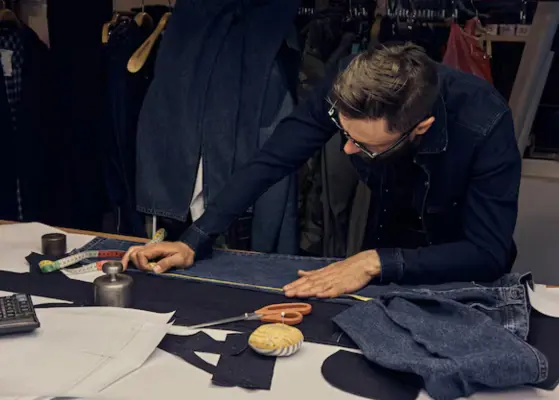
Technology has become a significant factor in apparel manufacturing in the present day. Automation and digitalization have been key enablers for clothing factories to better manage their production lines. The use of high-tech cutting machines together with computer-aided designing software supports businesses in keeping the work accurate and, at the same time, lowering fabric wastage. These technologies help the factories in delivering the products more quickly without compromising on the quality standards. One more crucial technological innovation in the industry is the implementation of data-based production management systems. This software constantly monitors the production stages, thus giving manufacturers the means to measure output and intervene when there are delays.
Having complete transparency over the entire production process helps the factories to minimize the non-working time and, at the same time, enhance the total output. Moreover, digital printing is also becoming popular for clothing. This technology enables manufacturers to produce detailed artwork accurately with the least use of materials. In fact, digital printing, in comparison to traditional methods, is capable of not only reducing the water usage but also significantly shortening the production period. Given the rapid development of technologies, it is expected that clothing manufacturers will be implementing more automated and smart production solutions.
Changing Consumer Demand Influencing Production
Garment production is heavily guided by consumer tastes. One trend that has significantly influenced the fashion industry is the purchase of trendy clothes at a low price. This leads clothing manufacturers to make more garments while still trying to keep the price low. On the other hand, people also want good-quality and comfortable clothes that they can wear every day, and this is a great challenge for clothing producers to come up with the best-quality outfits by controlling production at every stage.
Even clothes mass-produced have to comply with the requirements of durability and comfort if they are to meet the approval of the consumers. As a result, manufacturers must be able to quickly change the styles the same way fashion cycles change. Factories have changed the way they work so as to be able to put out new designs in shorter time frames. Using flexible manufacturing procedures is one of the ways fashion companies can keep up with the rapidly changing fashion trends.
Global Manufacturing Hubs Driving Production
International manufacturing centers play a crucial role in the global apparel industry. Many Asian countries have emerged as prime locations for clothing production because of their experienced workforce and well-developed textile sectors. These areas have large-scale garment manufacturing capacity that caters to global clothing brands and retailers. Manufacturing hubs are often advantageously located with supply chains that comprise textile production units, garment manufacturing plants, and logistics facilities. This set-up enables the manufacturers to procure raw materials, manufacture garments, and dispatch final products in an effective manner.
Besides, well-developed infrastructure also helps regions to be competitive at the global level when it comes to apparel trade. Some governments of the main manufacturing countries support the clothing industry through their industrial strategies and export promotion programs. Setting up industrial parks and the development of transport infrastructure have further boosted apparel manufacturing capacities.
Supply Chain Efficiency in Apparel Manufacturing
Effective supply chain management is one of the key focus areas for clothing makers. The cycle of a piece of clothing essentially starts with the fabric manufacturing and then goes through the processes of cutting, sewing, finishing, and finally distribution. To ensure that the garments are delivered on time to both retailers and end consumers, every step has to be operated without any challenges. Increasingly, clothing manufacturers are turning to digital solutions to help them manage the whole supply chain process. These tools enable the companies to monitor the availability of raw materials, the stage the production is at, and the dates on which the goods will be shipped.
Better synchronization of activities not only minimizes the likelihood of hold-ups but also prevents situations where there is not enough stock. Besides, the communication and cooperation among fabric suppliers, clothing manufacturers, and transportation companies are equally important aspects. If all the participants of the supply chain are in regular touch, then the manufacturers will be able to react to the changes in demand levels almost instantly. Such a high degree of synchronization is a great support for the continuity of product availability across global markets.
To explore detailed industry insights and growth projections, visit the Readymade Garments Market Report.
Understanding the Future of Global Clothing Production
The clothing manufacturing sector keeps getting expanding, owing to new technology, consumer demands, and supply chain strategies, transforming the industry. Manufacturers are investing in advanced production equipment, enhancing their supply chains, and keeping pace with changes in fashion cycles. These initiatives enable firms to make clothing products effectively without compromising their quality and affordability. The fashion industry is anticipated to keep growing since the demand for ready-to-wear apparel is still high in both developed and emerging markets. Manufacturing centers, talented laborers, and technological breakthroughs will be essential driving factors supporting this rise.










Share