Management, Biosecurity, and Veterinary Solutions for Addressing the Impact of Avian Diseases on Poultry Farming in India
High mortality, decreased egg production, poor growth rates, and substantial financial losses result from avian diseases, such as avian influenza, Newcastle disease, coccidiosis, and infectious bursal disease. Only through effective management of these diseases can India’s growing poultry sector be sustained. The influence of avian diseases also extends beyond mortality.
As such, producers are now focusing on proactive disease control approaches which include biosecurity measures, vaccination programs, and veterinary interventions. A thorough disease management system will ensure flock health, reduce losses, and provide for the development of the increasing domestic and export poultry market.
Common Avian Diseases Affecting Indian Poultry
Newcastle disease (ND) and avian influenza (AI) continue to be the most significant viral threats in India. ND is easily transmitted, causing quick mortality in flocks. AI outbreaks often lead to flock culling and international trade bans. Bacterial disorders, such as Salmonella and Escherichia coli, and parasites such as coccidiosis can negatively impact growth rates and egg quality.
The southern and western states with more intensive poultry farming experience more cases of ND and AI than backyard and small back-yard poultry in the eastern and northern regions that often deal with problems associated with coccidiosis and bacterial disorders. Knowledge of the disease patterns and prevalence allows for more targeted intervention and resource allocation.
Biosecurity Measures: The First Line of Défense
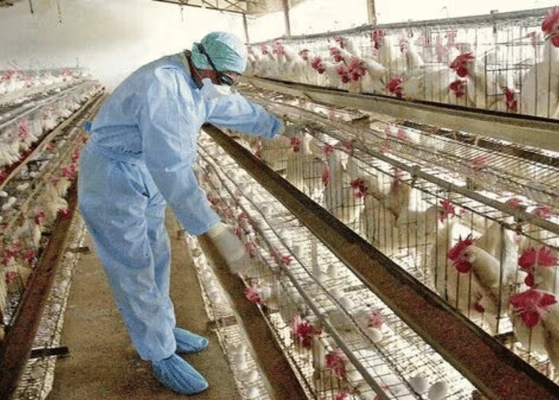
Disease outbreaks can occur if these general biosecurity measures are not implemented on farm. Of late, farms are implementing measures to limit access to the farm, use footbaths at various entrances, wash/sanitize items and equipment, and farm biosecurity zones for new birds. Also, limiting the movement of humans and vehicles between poultry houses limits the potential for transferring pathogens.
Water and feed hygiene are also important as contaminated feed or water can introduce bacterial and viral pathogens. Farmers also now have automated feeding systems, treated water and microbial testing in place to improve safety upon consumption. Farm worker training is increasing, emphasizing the importance of personal hygiene, biosecurity, appropriate protective clothing, and proper handling of sick birds.
Vaccination and Veterinary Solutions
Vaccination is an important preventive strategy for disease control in poultry. Vaccines for Newcastle disease (ND), infectious bronchitis, and Marek's diseases are routinely administered on commercial farms. New innovations, such as in-ovo vaccination, combined vaccines, and vector-based vaccination improve immunity and benefit labor costs.
Veterinary services are necessary for disease diagnostics, treatment and outbreak prevention. Rapid testing kits, molecular diagnostics and mobile veterinary services improve diagnostics and enable the detection and management of infections. Antibiotic stewardship programs assist producers in managing bacterial infections and are critical in preventing antimicrobial resistance, a growing concern in the poultry sector in India.
Digital Tools and Monitoring Systems
Technology is changing the landscape of disease management. The introduction of IoT (Internet of Things) sensors, mobile applications, and cloud-based farm management systems have allowed farmers and veterinarians to undertake real-time monitoring of flock health, feed intake, and environmental conditions.
Predictive analytics can also be used to predict disease risk based on temperature, humidity, and biosecurity adherence, enabling a preventative approach to disease outbreaks. Recently, small and medium-scale farmers have recognized the value of these applications, especially in improving flock performance or reducing mortality. Digital veterinary consultation platforms also enhance accessibility to veterinary expertise, which is especially valuable in remote regions.
Economic and Regulatory Considerations
Disease outbreaks can generate enormous economic consequences that impact everyone, including costs associated with culling, less egg or meat production, and trade bans. Compensation is available from state and central government schemes undertaken for AI outbreaks along with reporting and containment obligations.
Public-private partnerships and poultry associations have also been active in developing awareness programs, subsidized vaccines, and biosecurity training, with the long-term goal being improved resilience for farms. These collaborative actions are critical in order to reduce the impacts of disease on a national level.
For a comprehensive analysis and future forecast, read our India Poultry Market
Future-Proofing Poultry Farming Against Avian Diseases
As India's poultry sector continues to grow and will need to invest resources in managing avian diseases, biosecurity protocols, vaccination programs, veterinary treatments, and the ongoing use of technology to maintain flock health to optimize productivity. Capacity building through education, awareness, and planning with respect to diseases will also be required to calm avian health and biosecurity risk, minimize economic impacts. This will also help in mapping and developing the future of India's poultry sector in a sustainable, resilient and profitable manner to ensure food security.











Share