Sustainability and Local Sourcing Become Core Driving Factors in Brazil’s Flavor Market
Brazil’s flavor industry is entering a new phase where environmental concerns, supply stability, and local sourcing have as much influence as taste trends. FMCG brands and flavor suppliers have transitioned the sustainability aspect to be a long-term capital expenditure after understanding that it is demanded by consumers and regulators globally.
Major players such as Givaudan, Symrise, IFF, Firmenich, and Duas Rodas have been deepening their sourcing initiatives in Brazil region. These initiatives have lessened the supply risks, helped stabilize rural communities, and facilitated clients in satisfying the growing demand for highly traceable and less polluting sourced ingredients.
Local Sourcing Becomes a Strategic Priority
For many years, flavor houses imported a large portion of their raw materials. The industry relied on global supply networks that often resulted in delays or unexpected price fluctuations. This model was increasingly difficult to support as there were more disruptions in shipping, currency volatility, and climate risks.
Presently suppliers are looking for ways to obtain more raw materials from local producers in Brazil. Companies are deepening their relationship with farming cooperatives to acquire fruits like Cajá, Umbu, Graviola, and Taperebá. These fruits are becoming the core of beverage and dairy innovation, so brands are looking for guarantees that the supply will continue to be stable. Besides, local sourcing is less carbon-intensive from a transport perspective, which is helpful for FMCGs to achieve their sustainability goals.
Sustainability Certifications Shape B2B Buying Decisions
Sustainability influences procurement teams directly as many FMCG manufacturers now ask for traceability documents, certification details, and environmental impact information before approving a flavor supplier.
In August 2025, Givaudan expanded its regenerative agriculture initiatives, which help restore soil health and support small producers. Symrise reported similar progress through programs that ensure ethical sourcing for Amazonian fruits. These initiatives give customers confidence that the ingredients they use comply with sustainability metrics required by internal ESG guidelines.
Climate Risks Influence Sourcing Strategies
Brazil’s agricultural regions face unpredictable weather patterns, including irregular rainfall and extended heat periods. These environmental changes threaten crops used for flavor extraction.
Companies are noting rising variability in the supply of certain citrus and tropical fruit inputs. As a result, they are upgrading their risk assessment models to maintain consistent flavor quality even when crop yields fluctuate.
Climate risk encourages companies to build resilient supplier relationships. Flavor houses now work more closely with growers, helping them adopt farming practices that reduce vulnerability. These partnerships strengthen long-term supply security and help both sides adapt to environmental changes.
Traceability Becomes an Industry Standard
Traceability used to be more common in premium categories but currently, it is expected in mainstream product development. FMCG brands want to know exactly where botanical ingredients come from, and hence they want documentation that proves ethical sourcing, environmental compliance, and quality control. For example, in November 2025, Symrise and partner CO2 AI launched a digital tool that measures carbon footprints at both product and corporate levels.
Partnerships With Local Communities Strengthen Supply Chains
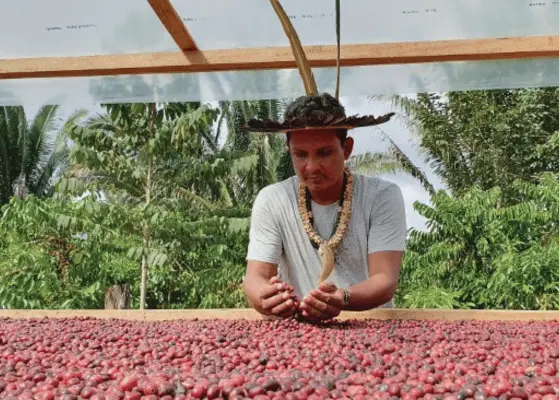
One of the most notable changes in Brazil’s flavor ecosystem is the rise of community-based sourcing. Suppliers understand that sustainable sourcing only works when local producers benefit from it.
Symrise’s programs in the Amazon have improved livelihoods for fruit gatherers while ensuring a reliable supply of native botanicals. These programs help stabilize pricing, improve quality, and create long-term commitments that protect fragile ecosystems.
Duas Rodas has strengthened ties with fruit cooperatives, helping them modernize harvesting and processing techniques. This strengthens the company’s supply base and increases the availability of ingredients used in high-demand flavor profiles.
For deeper insights into sustainable sourcing and flavor strategies, visit the Brazil Flavors Market
Future Market Outlook
Sustainability and local sourcing will keep influencing Brazil’s flavor landscape. FMCG brands want ingredients that feel authentic, stable, and responsibly sourced. Suppliers must continue investing in traceable networks, community partnerships, and climate-resilient programs.
Companies that treat sustainability not as a marketing claim but as an operational requirement are expected to shape the future of Brazil’s flavor sector. The next wave of product launches will reflect these values more clearly, supported by ingredients that come from responsible companies and meet rising expectations at every level.











Share