How China Shapes Global Supply of Tungsten and Molybdenum
China plays a leading role in the global supply of critical metals, especially tungsten and molybdenum. These refractory metals are essential for industries that require strength, heat resistance, and durability. Their applications range from aerospace and defense to electronics and industrial machinery. China’s large reserves and well-developed production infrastructure make it the central hub for meeting global demand.
Over the past two decades, China has invested heavily in mining, refining, and technology to expand its position as the largest supplier of these metals. Its policies and market strategies influence pricing, availability, and long-term planning for industries worldwide.
Abundant Resources and Strong Mining Base
China holds some of the world’s largest tungsten and molybdenum reserves. Provinces such as Jiangxi and Hunan are known for their rich tungsten deposits, while Henan and Shaanxi produce significant amounts of molybdenum. Large-scale mining operations supported by modern techniques ensure steady output to meet both domestic and international needs.
This resource advantage allows China to dominate global markets. International industries rely on China’s ability to maintain consistent supply and manage fluctuations in production. This role as a reliable source reinforces the country’s influence in strategic metal markets.
Processing and Refining Capabilities
Mining alone is not enough to meet global demand. China has also invested in advanced processing and refining facilities that improve the quality and purity of tungsten and molybdenum products. These capabilities allow the country to supply finished powders, rods, and alloys used directly in industrial applications.
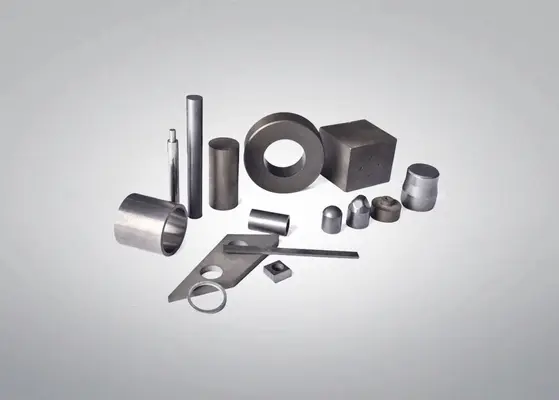
For instance, tungsten carbide tools produced in China are widely used in manufacturing industries worldwide. Similarly, molybdenum products processed in Chinese facilities find applications in steelmaking, electronics, and catalysts. These refined products make China not only a raw material supplier but also a major value-added producer.
Role in Global Trade
China’s export policies strongly influence global supply chains. When production or exports are adjusted, international prices often react. Many countries depend on Chinese exports to meet industrial demand, making trade flows a central part of the global tungsten and molybdenum market.
China also invests in building strategic partnerships with other nations. Long-term contracts with companies and governments help secure steady demand for Chinese producers. At the same time, import restrictions or quotas can affect how global buyers plan their procurement strategies.
Examples of Industry Influence
Several recent developments illustrate how China shapes supply. Chinese tungsten producers supply alloys used in aerospace components sold globally. Domestic molybdenum companies partner with steelmakers in Europe and North America to meet rising demand for corrosion-resistant steel.
China’s strong presence in electronic supply chains also highlights its importance. Tungsten and molybdenum products made in Chinese facilities are part of semiconductors and electrical contacts used worldwide. These practical examples show how the country’s production base impacts both advanced technology and traditional industries.
Technology and Innovation Supporting Growth
China is also investing in research and innovation to maintain its competitive position. The use of automation and digital tools in mining improves efficiency and safety. Processing plants are adopting cleaner technologies to reduce environmental impact, which supports long-term sustainability.
Additive manufacturing with tungsten and molybdenum powders is another area where Chinese institutions are making progress. This technology supports aerospace and defense applications, helping the country expand its role in high-performance markets. These steps show that China is not only a supplier but also a leader in developing advanced uses for refractory metals.
Government Policy and Investment
Chinese government policies have been important in strengthening the tungsten and molybdenum industry. Subsidies, infrastructure development, and environmental regulations shape how producers operate. For example, consolidation in the mining sector has created stronger state-owned companies that can manage supply more effectively.
Foreign investment rules and export policies also play a role. By balancing domestic demand with global trade, the government ensures that industries such as steelmaking, electronics, and aerospace have reliable access to these critical metals. This policy-driven approach makes China’s supply chain more stable and predictable.
For a deeper understanding of regional trends, global supply chains, and demand outlook, see our Global Refractory Metals Market
Outlook for Global Supply
The future of global tungsten and molybdenum supply will continue to be linked to China. As demand rises in electric vehicles, renewable energy, and aerospace, China’s production capacity will remain essential. The country’s role as both a raw material supplier and a refined product producer makes it difficult for others to compete on scale and cost.
At the same time, buyers are looking to diversify sources to reduce reliance on a single country. New projects in North America, Europe, and Africa are being developed, but China’s established position means it will likely remain the dominant supplier for years to come.











Share