How Cold Storage Facilities Are Driving the Evolution of Logistics in Vietnam?
As Vietnam deepens its footprint in global trade and domestic consumption, the logistics industry becomes more structural. One of the most dynamic sectors in the industry is cold storage due to the significant increase of seafood exports, modern retail, pharmaceuticals and fresh grocery delivery activities.
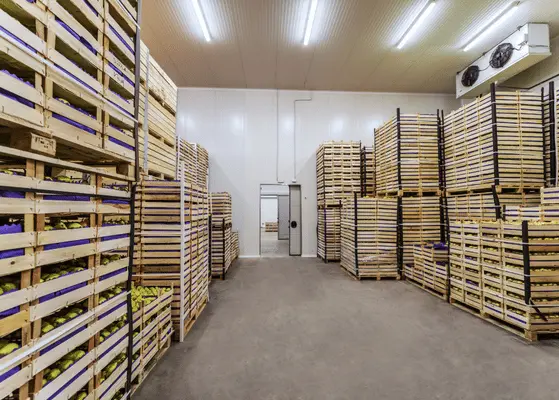
Cold storage facilities are temperature-controlled warehouses, designed to incredibly precise environmental conditions, where perishable goods can be stored. Cold storage facilities are not merely an ancillary service; they are a strategic imperative for exporters, importers, retailers and e-commerce in Vietnam.
Vietnam’s Cold Chain Demand
Vietnam is already one of the world's largest seafood exporters with shrimp, pangasius and tuna requiring low-temperature movement throughout the supply chain from seafood processing in factories through to overseas markets. Vietnam’s modern retail service and supply chains are also maturing quickly with supermarkets and hypermarkets.
The expansion of convenience store chains and the adoption of online grocery applications also increases the demand for chilled and frozen storage facilities in Ho Chi Minh City, Hanoi and Da Nang.
The drug industry provides another growth avenue, with cold storage facilities for temperature-sensitive vaccines, biologics, and specialty pharmaceuticals all needing GDP-compliant storage. Demand for pharma-grade storage space is increasing at a rapid pace, particularly in the post-pandemic scenario.
Foreign Investment Is Driving Capacity Expansion
Vietnam's cold chain sector has drawn private equity funds and international players, eager to access high-margin opportunities. Japanese, Korean, and Singaporean investors are financing cold storage facilities close to seaports and airports.
For instance, in Ho Chi Minh City and Hai Phong, logistics parks now incorporate state-of-the-art cold warehouses with blast freezers, racking systems, and sophisticated refrigeration units. This pattern of investment is transforming Vietnam's warehousing industry as local operators partner with global players for technology transfer and capital inflow.
Technology and Automation Join the Cold Storage Scenario
Unlike typical warehouses, cold storage has energy-reliant processes and strict temperature stability. Therefore, companies are creating automation and IoT-connected WMS to enhance efficiency.
Temperature sensors, automated pallet shuttles, and AI-driven energy management systems are being tested by leading Vietnamese logistics operators. The objective is to reduce energy consumption while maintaining strict product integrity.
This shift towards smart cold warehousing is also being supported by Vietnam's broader Industry 4.0 adoption in logistics and manufacturing.
E-Commerce Groceries Introduce a New Layer of Demand
Emergence of food delivery marketplaces and web-based supermarkets is giving rise to a new category, which includes urban micro cold storage nodes. These are not as large as export-focused cold warehouses but are located within city limits to facilitate quicker last-mile delivery of frozen and fresh food.
Startups and traditional retailers are investing in multi-temperature nodes of storage, which can store frozen meat, chilled drinks, and fresh fruits and vegetables in one location. This trend aligns with Vietnam’s growing middle class, who demand quality, safety, and convenience in their food purchases.
Regulatory Push and Quality Standards
Vietnam’s government is also playing a role by tightening food safety regulations and encouraging compliance with international cold chain standards. For exporters, meeting HACCP, ISO, and FDA guidelines is critical to access global markets.
Furthermore, Vietnam’s commitment to free trade agreements (EVFTA, CPTPP, RCEP) requires higher logistics reliability, spurring companies to invest in world-class cold storage infrastructure.
Certification-driven storage adoption is expected to become mainstream, particularly among seafood exporters and pharmaceutical distributors.
Sustainability Challenges in Cold Storage
One of the challenges in cold storage expansion is its high carbon footprint, primarily due to refrigeration and energy costs. To address this, operators are experimenting with renewable energy integration (solar-powered warehouses) and green refrigerants.
Energy-efficient designs, better insulation, and automation-driven optimization are increasingly becoming a part of new facility designs in Vietnam. While these add upfront costs, they reduce long-term operating expenses and align with global ESG benchmarks, which foreign investors prioritize.
For full market insights and forecast data, explore our Vietnam Warehousing Market
Cold Storage Is Becoming Vietnam’s Logistics Backbone
Cold storage facilities are no longer a niche part of Vietnam’s warehousing ecosystem. They are emerging as a core strength for the country’s export competitiveness, food safety, and healthcare supply chains.
As seafood, pharmaceuticals, and fresh grocery delivery continue to expand, cold storage will play a prominent role in ensuring supply chain efficiency and international credibility. Companies investing early in automation, compliance, and sustainability are expected to lead Vietnam’s logistics transformation.











Share