Understanding Cosmetic Regulations in Vietnam with a Guide for Brands
The Vietnamese skin care products industry is continuously growing as both local and international brands enter the market. The youthful and beauty-driven customer segment is the primary target for most international beauty firms and natural skincare entrepreneurs. But such firms have to adhere to the country's cosmetic laws.
The Vietnamese government has put in place strict consumer protection and product safety regulations. The rules apply to cosmetic products whether imported or made locally. Brands that fail to comply with the rules are penalized through fines or product recall or hold-up. Those who strictly follow the procedure, however, earn legitimacy and expand without any hitch in Southeast Asia's most promising beauty markets.
The Legal Framework for Cosmetics in Vietnam
The Ministry of Health is responsible for the administration of drugs in Vietnam and is tasked with managing cosmetic regulation in Vietnam.
The core legislation that aligns with the ASEAN Cosmetic Directive is Circular No. 06/2011/TT-BYT. Apart from the definition of cosmetics, such circulars mention safety, labelling, marketing, and registration requirements. Vietnam's laws conform to those of other countries in Southeast Asia under the ASEAN Cosmetic Harmonisation Scheme, allowing easier entry by a single framework for several markets.
Cosmetic Product Notification (CPN) Process All products of cosmetics available for sale in Vietnam need to pass the Cosmetic Product Notification (CPN) process. This declaration should be done and submitted to the Ministry of Health prior to placing products on the market.
The process consists of a number of essential steps:
- Appointment of a legal representative or importer responsible for ensuring compliance within Vietnam. This party will oversee all communication with the authorities.
- Preparing and submitting a comprehensive dossier containing product details, ingredient lists, safety evaluations, and a cover letter.
- Posting the dossier online through the Vietnam Drug Administration's portal for evaluation and approval.
- Being assigned a CPN number that is valid for five years and needs to be re-filed to maintain sales.
- All variant products, even varying shades or sizes must have a different notification. It makes it easier for the government to monitor products and maintain consumer safety.
Labeling Requirements for Cosmetic Products
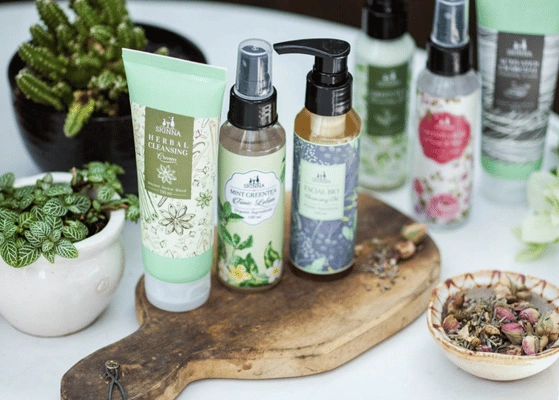
Vietnam also has strict labelling regulations. The name of the product, full list of ingredients, net weight or volume, the manufacturing or batch number, the date of expiration or best-before, country of origin, importer or brand owner's name and address, and CPN number are some of the information that should appear on labels, which have to be in Vietnamese.
Correct labelling ensures transparency and helps customers know what they are buying. Incorrect or missing labels can lead to fines, confiscation of the product, or rejection by customs. This is why brands should work with local experts to ensure all information is in line with legal standards.
Ingredient Bans and Safety Guidelines
Vietnam adheres to the ASEAN Cosmetic Ingredient Listings, which regulate the use of certain ingredients. There is a list of substances that cannot be used in cosmetics. There are also lists of permitted colorants, preservatives, and UV filters and restrictions on the level of certain ingredients.
While products claiming medicinal benefits require separate drug registration, manufacturers must make sure all ingredients comply with regulations to avoid penalties. Additionally, brands must also keep an eye on their products after they are released and act quickly to investigate and resolve any negative effects that are reported.
Importing Cosmetics into Vietnam
In importing cosmetics, there should be the right paperwork filed, such as the packing list, invoice, free sale certificate, and CPN number. Samples can be tested during customs inspections to ensure compliance. In Vietnam, distributors of cosmetics must be registered and licensed.
Inadequate documentation or customs clearance delays can create severe issues. To effectively manage these requirements, global brands ought to work together with seasoned local importers and lawyers.
Advertising and Claims Regulation
Cosmetic advertising is subject to regulation to prevent customer deception. Companies are not allowed to make medical claims or suggest that their products can cure or treat diseases. Appearance and beauty benefits, such as anti-ageing, brightening, or hydration, should be emphasized in advertisements.
Vietnamese regulators monitor advertising across all media, including the internet, for ensuring compliance. Furthermore, to prevent fines, brands need to be careful with their messaging and avoid making excessively sensational claims.
Digital Sales and E-Commerce Regulation
Online platforms like Shopee, Lazada, and TikTok Shop have become major sales platforms for cosmetics since online shopping increased in Vietnam. They are required to register with the Ministry of Industry and Trade, adhere to all the product notification and labelling regulations, and ensure pricing, return policy and product information are all clear to consumers. Failure to do so may lead to fines or bans on these platforms.
For in-depth industry analysis, see our Vietnam Skin Care Products Market
Compliance Builds Trust and Market Success
For companies looking to enter or expand in this growing market, Vietnamese cosmetic regulations compliance is a must. Meeting registration, labelling, and advertising requirements assures product safety and generates consumer confidence, despite the perceived complexity of the regulations. Compliance as a priority prevents companies from being fined and delayed and also strengthens their reputation and provides them with a competitive advantage in Vietnam's growing skincare and cosmetics market.











Share