Digital Ticketing and Onboard Technology: The Next Phase in Bus Innovation
Bus transport is now rapidly becoming a digitally empowered mobility solution. From contactless travel and adaptive route information to real-time vehicle monitoring and passenger analysis, bus companies are exploring digitalisation like never before.
As urbanisation, congestion, and pressure around sustainability collide, cities and private mobility operators are seeking innovative technology to address traditional pain points. Whether it is about optimising operations, minimising boarding time, or maximising passenger safety, digital solutions now take centre stage in how this market evolves.
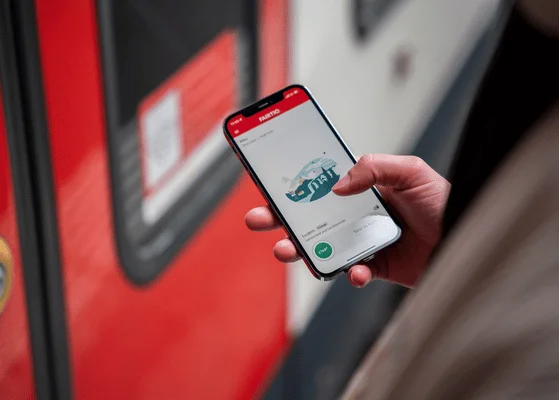
Contactless Payments Are Becoming the New Boarding Standard
Cash ticketing is fading away. From Warsaw to Manila, cities everywhere are adopting contactless payment systems, through mobile apps, smartcards, or NFC bank cards, to replace cash and paper tickets at breakneck speed.
The transition accelerated during the pandemic, but in 2025, it is being fuelled by business sense rather than health concerns. Contactless ticketing shortens boarding time, slashes fare evasion, and eliminates day-end manual reconciliation. In India and Kenya, a few private companies have introduced QR-enabled and UPI-based ticketing, which facilitates flexible fare setting and enhanced revenue management.
Cities are also integrating bus fares into larger mobility-as-a-service (MaaS) platforms, which enable commuters to purchase bus, metro, and bike-share tickets through a single app, with aggregated pricing and real-time information.
Onboarding Technology Is Enhancing Both Safety and Experience
Today's travellers are demanding more than a seat; they are demanding information, comfort, and security. To meet this demand, operators are upgrading onboard systems with features that were once the exclusive domain of airline cabins. Real-time passenger information systems (PIS), GPS-based arrival announcements, and automated voice messages are now becoming common in high-density corridors.
Chile and Germany are equipping buses with CCTV-linked AI that can sense overcrowding, driver drowsiness, or unscheduled halts, announcing immediate alarms to the central control. Apart from this, HVAC systems with air-quality monitors, antimicrobial surfaces, and in-seat USB chargers are being deployed to match evolving health and digital usage patterns.
Fleet Operators Are Leveraging Data for Route and Schedule Optimisation
Data is no longer the preserve of rail or aviation. Bus operators are collecting and leveraging enormous amounts of trip and passenger data to make smarter decisions.
In Turkey and South Africa, fleet analytics tools are helping operators identify route bottlenecks, underutilised stops, and service gaps, enabling data-backed scheduling changes that save costs and boost coverage.
Bus depot operations are also benefitting from data-driven predictive maintenance models. By integrating telematics with maintenance logs, operators are reducing breakdowns and optimising parts inventory management. Firms are also tracking fare elasticity data, enabling dynamic pricing models based on demand patterns across time-of-day, location, and passenger profile.
Intermodal Integration Is Accelerating Through API-Based Platforms
Digital innovation is not happening in silos. Transport authorities and private operators are increasingly turning to open API platforms that allow their buses to compete with other modes of transportation including metros, railways, ride-hailing, and even e-scooter networks.
This has resulted in seamless intermodal journeys. In France and South Korea, commuters can view multi-leg journeys on one platform, with real-time delays, transfers, and fare integration across modes. This level of integration is enabling municipalities to decongest roads and encourage shared mobility, by making public transport not only greener, but more convenient than car ownership.
Infrastructure, Legacy Systems, and Digital Inclusion as Key Areas of Concern
While the digital transition is underway, it is not without friction. Legacy ticketing systems, resistance to automation, and weak digital infrastructure, especially in smaller towns, continue to slow full adoption.
There is also the issue of digital equity. In urban low-income regions, smartphone penetration and digital literacy continue to be obstacles to app-based ticketing. Innovative operators are embracing hybrid models such as contactless payments with onboard cash acceptors, mobile apps with paper QR receipts, to ensure accessibility while growing innovation.
Public-private partnerships are also on the rise. In Singapore and Dubai, regulatory policies are being transformed to facilitate sandbox experiments, partnership with technology vendors, and pilot mergers between modes and operators.
To explore technology trends shaping global transport, read our Global Bus Market
Growing Acceptance of Smart Buses
Digital transformation is redefining the fundamentals of bus transport. It is reshaping what passengers expect, how operators manage assets, and how cities plan mobility infrastructure.
Whether it is onboard technology that elevates comfort or backend analytics that enhances route efficiency, going digital has become a core strategic capability.
Operators who invest in digitalisation, whether through contactless ticketing, AI-enhanced safety systems, or real-time data platforms, are positioning themselves for long-term relevance in a rapidly changing urban landscape.











Share