Electric Bus Fleet Management: What Operators Must Know in 2026?
The electric bus market is no longer in its pilot phase. In 2026, electric fleets are scaling up across multiple cities. As this transition gains momentum, fleet operators are facing an entirely new class of operational variables that extend far beyond conventional diesel fleet norms.
This transformation is not only being fuelled by net-zero targets or carbon pressure. The economics of fleet management, city planning, and intelligent infrastructure are all aligning to boost such a transformation. Bus companies, whether private or public authorities, are becoming experts of battery analytics, depot strategy, route matching, and lifecycle cost planning to remain competitive.
Battery Management as the Pillar for Successful Network Operations
Fleet operation in the electric context critically relies on battery condition and charging schedule. In contrast to diesel buses, where fuel is abundant and reliable, charging for e-buses must be precisely planned so that charging schedules are compatible with route demand and peak-hour service availability.
Several operators are investing in Battery Management Systems (BMS) that give real-time diagnostics on temperature, charge cycles, and energy discharge rates. These data insights are becoming critical to prolong battery life, plan mid-life refit, and even plan overnight charging to take advantage of off-peak electricity tariffs.
In countries such as India and Indonesia, where grid stability is still irregular, fleet managers are also considering second-life battery integration and hybrid configurations in order to prevent service outages.
Depot Infrastructure Needs Are Reshaping Capital Planning
E-bus depots are no longer mere parking lots. They are becoming energy centres. Their layout and design now rely on a set of technical and urban limitations, from transformer proximity and energy availability to turnaround time and traffic access.
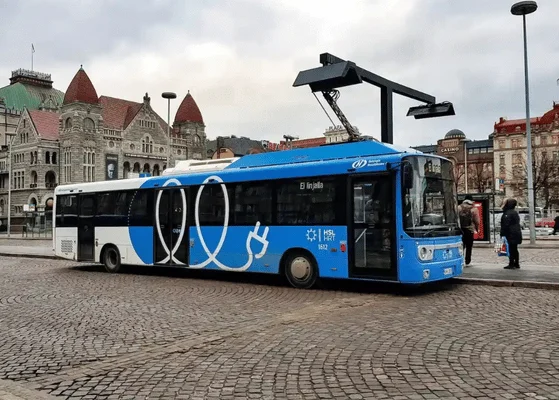
Cities like London and Seoul are introducing smart charging depots featuring slow and fast charging terminals integrated with solar panels. These facilities employ predictive technologies to assign charging bays, where buses running on early morning schedules or high-frequency routes are given priority.
Independent operators in Mexico and Chile are collocating charging facilities alongside their warehousing and maintenance bases, saving on duplicated capital costs while securing energy and service alignment.
Route Matching with Battery Capacity Becomes More Strategic
Operators are being compelled to revisit which routes are technically and economically feasible for electrification. Route length, terrain, traffic density, and climate all affect battery drain and energy recuperation.
In cold climates like Sweden or Canada, heaters consume large amounts of battery power, either with the use of larger battery packs or reduced trip distances. Hilly terrain, like in Kigali or Medellín, raise energy consumption per kilometre, impacting charging routines and battery durability cycles. Fleet operators thus perform energy audits of routes prior to vehicle deployment, avoiding range anxiety and service scarcity in rush hours.
Digital Platforms Are Driving Predictive Maintenance and Performance
Digitalisation has become indispensable for contemporary fleet management. Telematics systems and fleet management software are providing operators with real-time data as useful insights.
UAE and South African transport authorities are incorporating IoT sensors to monitor not only location but also tire pressure, battery temperature, motor vibration, and brake wear. Such a predictive strategy decreases unplanned downtime and enhances the reliability of high-frequency services.
These systems are also assisting in route assignments optimisation, idling time tracking, and driver performance optimisation through gamified dashboards, enhancing efficiency with safety and sustainability measures as well.
Financing and Ownership Models Are Adjusting to Operating Realities
The price of electric buses continues to be front-loaded. Batteries represent a significant proportion of total vehicle expense and bear inherent replacement risk. Cities are embracing innovative models to de-risk procurement.
Fleet-as-a-Service (FaaS), Battery Leasing, and Pay-per-Kilometre contracts are being deployed by several operators across Latin America and Asia. In these models, OEMs or third-party service providers retain ownership of key components, while operators focus purely on service delivery.
For example, in Thailand, municipal bus services are paying a flat monthly fee for fully managed fleets, including buses, software, maintenance, and charging, eliminating the need for upfront capital and spreading risk across the contract lifecycle.
For data-backed analysis on trends, players, and forecasts, explore our Global Bus Market
Operators Must Rethink How They Measure Success
Traditional KPIs like fuel cost per kilometre or average route uptime are being replaced and supplemented, by new metrics. Battery degradation rate, charge-to-route efficiency, and grid synchronisation time are now determining fleet viability.
As electric bus deployments scale in 2026, players who understand that managing an electric fleet is not just about running buses; it is about managing energy, data, people, and urban systems are expected to lead the market over the forecast period.











Share