How Smart And Digital Health Monitoring Are Revolutionizing Home Care Services
Home care in Europe is undergoing significant change. Home care once depended on nurse visits, therapist visits, or visits by family members. Nowadays, smart health monitoring and digital technologies are changing the way patients are given care. Wearable technology, mobile health apps, and teleconsultation platforms enable real-time monitoring, early intervention, and enhanced patient safety. These technologies make care more efficient, patient-centric, and accessible on the continent. Patients become independent, families have peace of mind, and healthcare systems can allocate resources more efficiently.
Expansion of digital solutions in home care
Digital health solutions are increasingly becoming an integral component of home care. Cloud-based platforms, mobile apps, and connected devices are being used by most patients to monitor their conditions. Remote monitoring systems enable physicians and caregivers to monitor vital signs, daily activity, medication adherence, and sleep patterns in real time. This minimizes the frequency of hospital visits and ensures that health changes are promptly detected.
Digital solutions are developed and supported by European governments through financing programs and appropriate regulation. Hospitals see reduced patient loads, and patients enjoy care customized to their needs and received in the comfort of their homes. Remote access also makes it possible for rural or underserved area patients to be given professional advice without lengthy travel times.
The incorporation of digital solutions has also improved communication among healthcare providers. The information gathered from wearable devices can be transmitted to specialists, making treatment decisions informed by correct and latest information. Such interconnected approach enhances the quality of care and minimizes errors.
Smart health monitoring and patient empowerment
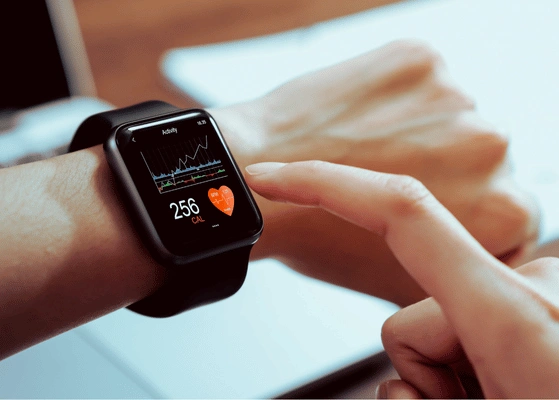
Wearable sensors and intelligent monitoring devices are enabling patients to manage their own health. Products like glucose meters, heart rate monitors, blood pressure gauges, and smart inhalers constantly feed health metrics. Automatically, notifications are sent to caregivers or physicians if readings are outside of safe levels. Patients can live at home independently but under around-the-clock professional monitoring.
Families also benefit from these devices. Real-time notifications minimize worry and give comfort that loved ones are safe. Early identification of potential complications enables prompt intervention, avoiding complications and hospitalization. Smart monitoring motivates patients to stay active in their care, adhere to treatment, and make smart decisions regarding daily activity.
Benefits of smart monitoring for home care
- Ongoing real-time monitoring of vital signs
- Quicker response to emergencies and complications
- Fewer hospital admissions and readmissions
- Increased independence and patient confidence
- Improved communication between families and healthcare professionals
Teleconsultations and combined care platforms
Teleconsultations are now the backbone of home healthcare in this day and age. Patients can arrange video consultations with physicians to share symptoms, check medication, and get advice without ever having to leave the house. This is particularly useful for older patients or those with mobility issues.
Telehealth platforms integrated with intelligent monitoring devices form a harmonized care environment. Physicians can view real-time information, interpret trends, and suggest treatments during consultations. This anticipatory strategy facilitates ongoing care and avoids treatment delays. Hospitals also find it easier to distribute resources effectively, prioritizing acute conditions while house care handles routine monitoring.
Teleconsultations also support patient education. Physicians are able to describe treatment plans, show exercises, or facilitate medication changes in real time. Patients have a clearer understanding of their disease process, leading to better compliance and long-term results.
Looking to the future of networked home healthcare
The future of home care in Europe is in the merge of technology and human capability. Predictive analytics and artificial intelligence are already used to identify early health deterioration signs. For instance, alterations in heart rhythms or glucose levels signal potential complications before they become emergencies.
Broadband infrastructure expansion, training of healthcare workers, and patient awareness programs will facilitate this continuing evolution. Data security and privacy are always a topmost concern to ensure continued trust in digital resources and safeguard confidential patient data.
Interconnected home healthcare provides patients with independence, comfort, and security. Families can rest assured knowing that loved ones are being always watched over, and healthcare systems enjoy maximized resource utilization. Technology, combined with quality care, assures that home healthcare is not just more efficient but also more empathetic.
For full insights into product innovation, adoption trends, and growth opportunities, explore our Europe Home Care Market
New generation of home care
Europe is on the path to a new home healthcare era. Smart monitoring and digital tools are making their way into providing quality care. Patients with chronic diseases, the elderly, and families looking for reliable support can all find benefit in these emerging trends. No longer reactive, home care is proactive, ensuring prevention and ongoing control of health.
By blending professional know-how with intelligent technology, home healthcare is made more responsive, safer, and personalized to individual requirements. Patients can live independently, receiving timely interventions, families feel reassured, and healthcare systems are more effective. The revolution in home healthcare proves that innovation and empathy can collaborate to deliver better lives to patients throughout Europe.











Share