The Effect of Europe Aging Population on Home Care Demand
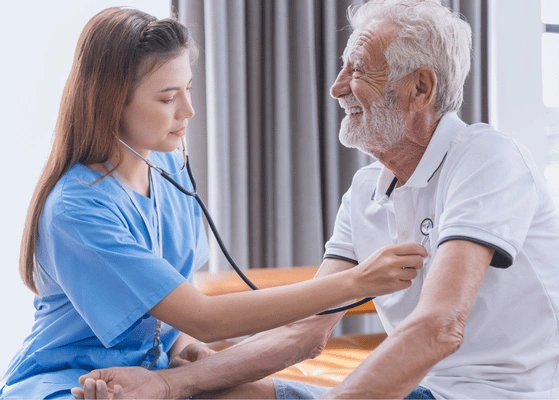
Europe boasts one of the world's most aged populations. This is due to increased longevity and reduced birth rates across the continent. Although this is a positive indicator of rising living standards, it also introduces new challenges. Healthcare systems are facing increasing pressure as more individuals live with chronic conditions and age-related diseases. Families are also looking for better means of looking after elderly family members. These circumstances have generated significant demand for home healthcare services. This form of care allows patients to receive medical attention and daily support without leaving their homes, making it an effective solution to one of Europe’s most pressing demographic challenges.
Why aging is reshaping healthcare
The population of seniors in Europe is increasing. Most reside with chronic illnesses like diabetes, arthritis, respiratory conditions, and cardiovascular complications. Conventional hospital models are not equipped to manage long-term stays for each patient. Therefore, home healthcare has become a viable option. It provides ongoing medical care while keeping elderly persons in familiar settings.
Comfort cannot be disregarded. Older people tend to be safer and better emotionally if they are at home. Surrounding them with family members and familiar environment enhances their well-being. Hospitals become unavoidable for acute care, yet they do not always represent the most suitable place for chronic care. Home services bridge the gap by integrating professional health care with personal comfort.
Need for skilled carers and specialists
One of the more tangible effects of an aging population is the increased demand for caregivers skilled in providing care. Nurses, physiotherapists, occupational therapists, and home aides are all crucial to the care of elderly patients. Nurses deal with medication, monitor vital signs, and care for wounds. Therapists assist patients in achieving mobility, independence, and confidence. Care aides help with bathing, nutrition, and routine care, which is critical to preserving dignity.
Demand for these professionals is increasing more rapidly than supply in most countries of Europe. Healthcare worker shortages necessitate recruitment and training as key priorities. Governments and private providers are reacting by investing in education initiatives and offering incentives for individuals to become members of the caregiving workforce. The trend is also positive from an economic standpoint, as it provides new opportunities for employment in the healthcare industry and enhances local economies.
Technology for elderly home care
Technology is increasingly becoming a fundamental element of elderly care. Electronic equipment and intelligent monitoring devices enable healthcare workers and families to monitor health conditions in real time. Patients can take readings of blood pressure, glucose levels, or oxygen saturation from home. Results are communicated immediately with physicians, and adjustments to treatment can be made in time.
Telemedicine has also become significant. Video consultations enable patients in their homes to communicate with doctors. It is very beneficial in rural communities where movement to hospitals is challenging. These systems save time, are cost-effective, and help ensure timely medical care for patients. Families feel secure that expert assistance is ever available.
Key advantages of technology in aging care
- Round-the-clock monitoring of vital signs
- Early identification of possible complications
- Reduced unnecessary hospitalizations
- More independence for older patients
- Improved communication among families and medical professionals
Social and economic consequences
The aging population impacts healthcare delivery as well as social structures and economic systems. Home healthcare decreases the workload for hospitals by reducing admission rates and lengths of stay. This is cost savings for national healthcare programs. Families also save money because home care can be less expensive than institutional care.
Socially, home care ensures that older people remain connected with society. Rather than being alone in long-term institutions, they continue to be part of family and familiar environments. This keeps them from feeling lonely, boosts their mental health, and deepens intergenerational relationships. Families who share in caregiving tend to feel more supported when outside professional services are accessible at home.
For full insights into product innovation, adoption trends, and growth opportunities, explore our Europe Home Care Market
Looking ahead
Demographic trends in Europe indicate home healthcare will be increasing over the next few decades. Governments already are making investments in programs to build out home care infrastructure, increase caregivers, and promote the use of digital health technologies. The question will be how to make such services available to everyone, no matter their income or location.
Workforce shortages are sure to be a pressing concern. It will take public-private partnerships to establish sustainable career paths for caregivers. Increasing the application of technology will be vital as well, since it can alleviate the workload of health professionals while enhancing patient results.
The combination of professional caregivers, family participation, and technology guarantees care that is both effective and empathetic. With the increasing aging of the population, home healthcare will contribute even more to the development of a sustainable, patient-centered healthcare system for the future of Europe.











Share