Environmental and Sustainability Trends in Silica Sand Production in Europe
The European silica sand industry is getting more conscious about sustainable development. The problem with silica is that it is widely used in different sectors such as glass, construction, ceramics, and foundry. As demand for silica rises, it increasingly threatens ecological balance, accelerates natural resource depletion, and creates challenges for local communities. The main takeaway for EU producers of silica sand is that environmental preservation and sustainable industrial development can coexist. It is also critical that the manufacturing procedures meet the highest levels of sustainability. However, the silica sand industry growth is being transformed by the combination of European law, technical innovation, and corporate dedication to environmentally friendly methods.
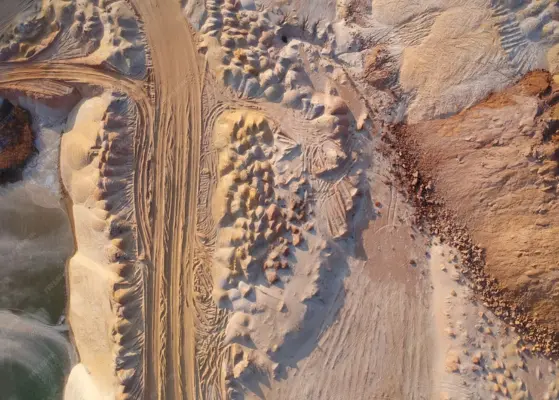
The concept of sustainable resource usage is gaining traction. Since extraction is the main source of silica sand, it needs to be continuously monitored in order to minimize damage to the ecology. European mines are working with methods that can effectively keep the groundwater safe, and at the same time, they allow for the untouched areas to be a habitat for various kinds of animals and plants. After project completion, advanced land reclamation techniques restore disturbed areas into functional, livable landscapes, sometimes even improving them by converting sites into parks, wetlands, or agricultural land.
Reducing Environmental Impact Through Technology
Innovations in technology are probably one of the main factors that have led to sustainable silica sand production. Indeed, automated extraction equipment not only reduce energy usage but also improve mining accuracy. Similarly, by adopting water recycling methods in processing plants, not only will the usage of fresh water be reduced, but also the dust control equipment will significantly help in lessening the dust particles in the air. Adopting these strategies is critical for preventing environmental damage and guaranteeing worker safety, resulting in more sustainable and environmentally friendly production practices.
In addition, a range of sensors and on-site monitoring stations are being deployed to continuously track environmental parameters such as air pollution, noise levels, and water quality. Due to these systems, the operators are in a position to take preventative actions against any possible environmental threats, hence meeting the high standards of European environmental laws without any difficulty. Therefore, accepting digital technologies and environmentally friendly developments demonstrates the silica sand sector's commitment to running sustainable operations while also maintaining high levels of efficiency.
Regulatory Frameworks Driving Sustainability
The governments of European nations have set up quite detailed environmental and mining regulations that direct the production of silica sand. These rules cover responsible resource extraction, waste management, energy efficiency, and emission control. Compliance with such standards is crucial, which makes companies begin to reckon with sustainability as part of their production process. Often, environmental impact assessments have to be submitted before new mining projects can get approval, which means that the potential environmental damage is well-understood and can be controlled.
Furthermore, companies receive encouragement to put into practice ongoing improvement plans, such as the use of energy-efficient processing equipment, transportation with a low carbon footprint, and the utilization of land in a responsible manner. By blending their adherence to regulations with their sustainability objectives, the industry helps in the achievement of larger European targets of reducing carbon footprints and protecting natural resources for the coming generations.
Explore the Europe Silica Sand Market Report for insights on trends and regulations.
Pioneering a Sustainable Future in Silica Sand Production
The silica sand industry in Europe exemplifies how economic progress and environmental conservation may coexist. To a large extent, the companies that extract and process the silica sand have been able to minimize the environmental damage through the employment of high-tech machinery, strict control of road works, and the compulsion to comply with regulations and sustainability initiatives. These will not only promote healthy ecosystems and the well-being of the local people but also increase the operation's efficiency and guarantee the availability of resources over time.
As demand for silica sand continues to rise, the concern for sustainability surely will remain a key issue in Europe. Apart from environmentally friendly production, the industry is also adopting advanced technologies and engaging local communities, setting a strong example for sustainable mining and processing practices. In this way, Europe can provide industrial resources while also preserving environment, serving as a model of sustainable resource management for other regions to follow.











Share