Electric vs Manual Toothbrush Usage in European Countries
Toothbrush trends in Europe are moving rapidly in a new direction, as consumers move to focus on performance, convenience, and technology for oral health care, with the manual toothbrush holding a large share of the market but electric toothbrush sales increasing rapidly due to digital engagement, health mandates, and suggestions from clinically oriented professionals.
European consumers are better informed and empowered when determining which oral care tool to purchase, and the increasing awareness of the long-term benefits of using electric brushes continue to fuel demand across all segments of consumers. Although many still prefer manual brushes for their simplicity, affordability, and availability particularly in price-sensitive regions, electric toothbrushes have spread significantly among everyone.
Electric Toothbrushes See Growing Adoption Across Europe
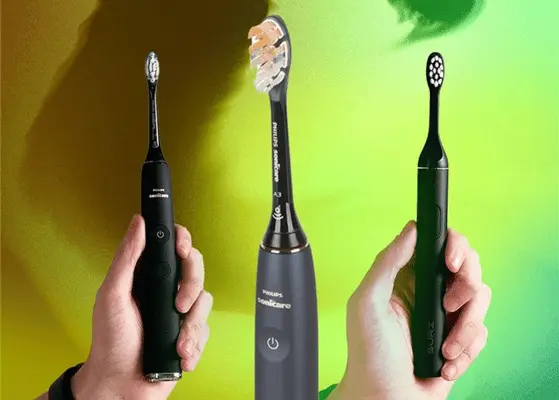
The electric toothbrush market in Europe continues to see steady growth, with adoption rates particularly high in Western and Northern Europe. In countries such as Germany, the United Kingdom, the Netherlands, and the Nordic countries, electric toothbrushes are now considered the normative way to practice oral care, backed by the recommendation of dental professionals and the promotion of the product by retailers.
Modern consumers are drawn to features like pressure sensors, smart brushing feedback, built-in timers, and Bluetooth-enabled apps that provide real-time coaching. These tools encourage better brushing technique and duration, leading to measurable oral health improvements.
Manual Toothbrushes Remain Strong in Price-Sensitive and Traditional Markets
While electric models are becoming more popular, manual toothbrushes are commonly the most sold and most used oral health products in most of Europe due to various factors including cost, availability and ease-of-use. In fact, in Southern and Eastern Europe, manual toothbrushes are generally still the most used oral care product especially among older populations and lower-income segments.
Manual brushes are generally inexpensive, lightweight, and portable. They do not require charging or worrying about battery life, and are the perfect brush for travel, when you're on-the-go with your oral care routines or if you're just a minimalist when it comes to toothbrushes.
Dental Professional Influence and Public Health Campaigns
A major factor for the increase in electric toothbrush use is professional recommendation. European dental associations now increasingly cite the effectiveness of electric toothbrushes in preventing gum disease and enhancing oral hygiene for those with limited manual dexterity or using orthodontic devices.
Public health initiatives in both the United Kingdom and across Germany and Scandinavia have added to the discourse encouraging consumers to brush for two minutes, twice daily, with the aid of automated timers and smart brushing devices. Dentists are now more likely than ever to demonstrate electric brushing during check-ups, and to recommend the "switch" from manual to powered toothbrushes to their patients.
Sustainability Considerations in Consumer Choice
Sustainability is increasingly influencing consumer preferences, particularly among younger demographics and environmentally conscious shoppers. Manual toothbrushes made with biodegradable handles, bamboo shafts, or recyclable heads have gained popularity in Western Europe, offering an eco-friendly alternative to plastic options.
This sustainability competition between electric and manual brushes is creating a new decision-making factor for consumers. For some, the long-term durability of an electric toothbrush is viewed as less wasteful than frequently replacing manual ones. For others, plastic-free, compostable manual toothbrushes still offer the lowest environmental impact.
Regional Usage Insights Across the European Market
Europe is a very diverse market and toothbrush use is often influenced by significant regional differences across the continent. Germany and the United Kingdom have led the charge in electric toothbrush use, where some major brands are developing data-driven and personalized oral care solutions.
France and Italy still have a balance of manual and electric toothbrush use. In these markets, brand loyalty is strong, and consumers are starting to show an interest in advanced technologies such as sonic brushes. Electric toothbrushes are growing in popularity amongst younger urban consumers in Eastern European markets, such as Poland and Bulgaria, but manual brushes continue to dominate those markets.
For a complete view of regional trends, product segmentation, and future growth, read our Europe Oral Care Market
Technology Meets Tradition in Europe’s Toothbrush Market
In Europe, it is no longer merely an issue of cost when deciding whether to use an electric or a manual toothbrush. In fact, toothbrush choice in Europe now encompasses a larger landscape of health behavior, sustainability values, and personal technology interactions. Both electric and manual toothbrushes will coexist within European consumers, working for slightly different needs and slightly different consumers. For brands, the trick is to provide flexible, affordable and innovative solutions across the oral care spectrum, whether it be through electric devices that have a plethora of features or sustainable manual alternatives.











Share