How European Cheese Market Trends Are Shaping Global Dairy Demand?
Historically, Europe has always been the home to cheese production, with cultural legacy from French Camembert to Italian Parmigiano-Reggiano. However, today, the Europe cheese market is evolving beyond tradition. Changes in consumer preference, regulatory pressure on sustainability and opportunities for premium and functional dairy products are driving new trends.
Cheese remains one of Europe's leading dairy exports, with Germany, France and the Netherlands leading in production and trade. The region exports some of the highest quality cheese to North America, the Middle East and Asia. The market is further compelling producers to rethink their product innovation, packaging, and sustainability efforts.
Premiumization and Artisanal Cheese in the Ascendance
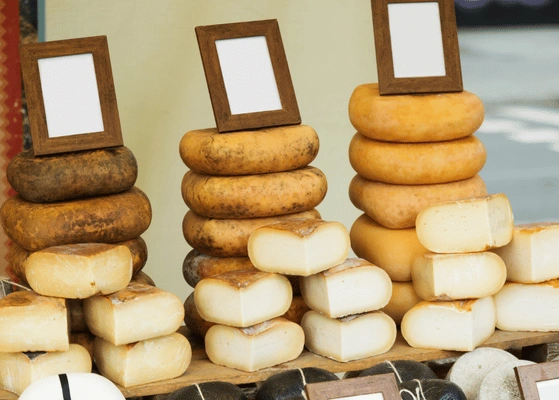
One of the most significant shifts underway is the consumer edge toward premium and artisanal cheese. Buyers are seeking authentic experiences with unique flavors and heritage-based cheese with Protected Designation of Origin (PTO) status.
For example, Italian burrata and aged pecorino are gaining in popularity amongst urban millennials drawn to authenticity and craft. Likewise, French goat cheese offerings are moving further into specialty retail across Europe.
While premiumization is strong in the premium channels, it is not limited to premium channels. The supermarkets in Germany and the United Kingdom are beginning to introduce more "local farm" or "regional specialty" sections to keep up with demand. Producers moving to a more artisanal model are finding growth opportunities, especially in export markets where European cheese is culturally relevant.
Health and Functional Dairy Products Leading to Innovation
Consumers in Europe are looking more to health and this is starting to show up in cheese innovation. While indulgence is still important, functional benefits now represent an opportunity. Low-fat, reduced-sodium and lactose free cheese products are growing much faster than conventional categories.
Dairy co-operatives in Scandinavian countries are generously investing in fortified cheese products with probiotics and additional proteins. These innovations appeal to both health-minded consumers and those looking for functional digestive health.
Plant based trends are also influencing traditional dairy makers. In general, vegan cheeses are quite separate from traditional dairy, but some are experimenting with hybrid approaches using dairy proteins and some plant-based alternatives to create better flavor and texture.
Evolving Consumer Preferences
Consumers' willingness to purchase premium cheese variants in the Dutch, United States, and Swiss markets continue to provide opportunities for EU producers to contest against imported traditional cheese, from North America based on price-point on the supermarket shelf.
Retailers are also encouraging suppliers to work towards their sustainability goals and push the entire value chain to adopt greener practices. For cheese makers in Europe, moving towards these types of initiatives is not simply about compliance but also about brand differentiation in an environmentally conscious marketplace.
Digitalization & Direct-to-Consumer Models
A rising trend in the cheese market is the expansion of digital sales channels. Subscription boxes including European specialty cheeses are quickly becoming popular across Germany, France and the United Kingdom. Online retailers are building direct-to-consumer models that enable consumers to experience artisanal products from multiple regions eliminating the reliance on supermarkets.
Local producers are using online venues, social media food communities, e-commerce partnerships with brands and other direct-to-consumer platforms to expand into new geographic areas and build a following. This shift to e-commerce and digital platforms allows the small, regional, artisanal producers to reach global consumer audiences. This gives the cheese industry a competitive edge, while creating a new and expanded consumer marketplace vested with opportunities.
For a complete analysis and outlook, read our report: Europe Dairy Market
Future Opportunities for High Margin Growth
Commercial cheese has always been an important part of European culture, and despite the market evolution that exists today in the European market, it continues to hold relevance due to traditions, local ingredients and supporting regional economies. The market is currently experiencing a quintessential mix of tradition and opportunities through premiumization, functional dairy products, sustainability initiatives, and digital sales channel.











Share