Effective Strategies in Fleet Management for EMS Vehicles
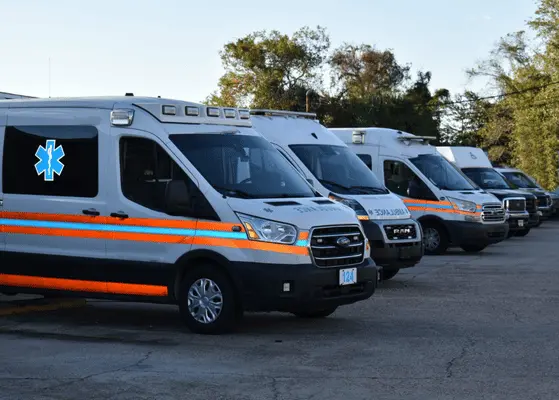
Fleet management is very important to Emergency Medical Services (EMS). Ambulances and specialty units are really mobile medical facilities, so optimizing performance, minimizing downtime, and optimizing emergency response time is a top priority. Progressive EMS organizations are adopting predictive maintenance, fleet management software, flexible leasing, and comprehensive training programs to optimize operations. Strategic fleet management of EMS improves patient care, reduces operating expenses, and keeps ambulances running in emergency scenarios. With growing demand for faster response times and increased patient care, well-managed EMS fleets are becoming a necessary part of healthcare infrastructure all around the world.
Predictive Maintenance for EMS Vehicles
Predictive maintenance is transforming EMS vehicle operation away from reactive methods and toward proactive ones. IoT sensors and telematics monitor vehicle condition in real-time, including engine performance, brake life, tire pressure, and battery health. Predictive analysis identifies problems before they reach a critical level, allowing maintenance teams to schedule repairs in advance. This minimizes surprise failures that could delay emergency response as well as allows longer operating life for ambulances.
During severe weather conditions, high-volume areas, or bad terrain, predictive maintenance ensures EMS units remain mission-ready, protecting paramedics and patients. Not only does the investment in predictive systems improve reliability but also reduces maintenance costs over the long term, which makes it an attractive solution for both large and small fleets.
Using Fleet Management Software
Fleet management software is essential to modern EMS operations. Platforms provide real-time location tracking of vehicles, automated scheduling, routing optimization, and compliance monitoring. By centralizing fleet data, organizations are able to process operational efficiency, reduce fuel consumption, and identify trends in performance.
Advanced software systems are integrated with telehealth systems and electronic patient care reports, allowing paramedics to see critical medical information on transport. Managers are able to review response times, monitor compliance with service levels, and fleet deployment maximize based on demand patterns. With mobile and cloud-based solutions, decision-makers can control multiple sites and deliver quality service consistently in rural and urban settings.
Leasing versus Buying EMS Vehicles
Vehicle purchasing decisions impact EMS operations and budgets greatly. Leasing is flexible, offers fixed monthly costs, and new-vehicle access without large capital investments. Leasing is perfect for quickly expanding fleets or testing new technologies such as hybrid or electric ambulances.
Purchasing guarantees long-term ownership and can reduce overall cost for high-use vehicles. Many EMS agencies adopt a hybrid approach, leasing some vehicles and purchasing others based on needs of operations, geography, and projected call volume. Strategic planning for purchasing allows fleets to be flexible, cost-effective, and responsive to escalating demands for emergency response and patient transport.
Training Programs for Drivers and Technicians
Well-trained personnel are critical to realizing optimum efficiency and safety of EMS fleets. Drivers are taught beyond basic requirements to handle high-stress situations, safely transport patients, and respond well to city traffic or rural road conditions. Technicians learn preventive maintenance, fault detection, and operation of complex onboard medical equipment.
Refresher training and simulation exercises keep teams informed about new technologies and safety protocols. Investments in staff training enable technology upgrades so employees and vehicles are running at peak efficiency. Staff with operational and medical best-practice training provide improved patient outcomes, reduce mistakes, and enhance overall reliability of EMS services.
Reducing Downtime in Emergency Operations
Reducing downtime is a core objective for EMS fleets. Along with predictive maintenance, organizations use real-time monitoring, automated alerts, and strategic reserve vehicle deployment. Route optimization, GPS-guided dispatching, and traffic sensing reduce downtime and take ambulances to emergencies as quickly as possible.
Regular auditing of fleet operations and performance analysis assist in identifying bottlenecks, scheduling optimization, and eliminating response delays. Properly managed downtime directly translates to better coverage, faster intervention, and higher quality standards of patient care. EMS organizations that focus on operation efficiency can provide consistently high quality of service even under peak loads.
Optimization of Future EMS Fleets
The future of EMS fleet management is to combine innovative technology, strategic thinking, and human perception. Vehicles with IoT capability, predictive analytics, and combined fleet software allow firms to predict demand, dynamically allocate resources, and optimize emergency response times. Leasing and purchasing strategies, ongoing employee training, and continuous technology adoption allow fleets to remain flexible. More advanced fleet management improves reliability, reduces costs, and allows EMS professionals to deliver high-quality, on-time patient care.
To learn more about EMS vehicle technology, adoption levels & optimal fleet management practices, read our EMS Vehicle Market
Building Smarter and Connected EMS Networks
Next-generation fleet management is more than the performance of the vehicle, it's building a connected EMS network. Interconnected fleets enable improved coordination between ambulances, dispatch locations, and hospitals. Real-time monitoring, pre-emptive maintenance alerts, and centralized intelligence enable faster decision-making and optimal resource allocation. Interconnected fleets enhance geographic coverage area, streamline efficiently the patient transportation, and enable service continuity even during peak-demand hours.











Share