Rise of Evolving Coffee Consumption Trends in Germany
The coffee market in Germany is experiencing not only a volume increase but also a change in its nature. Coffee consumption in the country is gradually evolving from being merely a source of caffeine to a more experience-driven and lifestyle-oriented choice.
This radical alteration is encouraging coffee companies to overhaul their product offers, sourcing, and brand positioning. Apart from quantity, it is mainly value, personalization, and sustainability that are changing the German coffee market dynamics as the country has always been one of the largest coffee-consuming regions in Europe. Therefore, the companies are moving beyond price and distribution as the only factors to enable them to be competitive. Companies are responding to evolving preferences by investing in premium blends, ensuring traceable sourcing, and introducing diverse coffee formats. The change is progressively transforming the consumption of coffee in German homes, workplaces, and the hospitality sector.
Premiumization Driving Higher Value Sales
One of the major determinants of the coffee market in Germany is premiumization as a trend. Customers are willing to pay more due to better taste, access to detailed product information, and a growing preference for sustainable practices. Demand for organic, fair trade, and single-origin coffee products is also rising.
According to the retailers of Germany, premium coffee segments have been increasing their pace of growth compared to mass-market products, even during times of economic crises. This means that for many people, coffee may be considered an affordable luxury rather than a mere discretionary item.
Companies are capitalizing on this development by releasing new limited-edition blends, introducing high-quality roasting techniques, and experimenting with new packaging ideas. For instance, companies like Melitta are increasing their premium filter coffee range and investment in sustainable packaging solutions simultaneously to appeal to environmentally conscious buyers. Nestle has also reinforced its Nespresso brand position in Germany by encouraging the use of recyclable capsules and increasing the number of its boutiques in Tier-1 cities.
However, this emphasis on premiumization does not only concern the pricing aspect. It is a reflection of a more comprehensive plan to improve the profit margins, increase brand loyalty, and stand out in an extremely competitive market.
Influence of At-Home Consumption and Hybrid Work
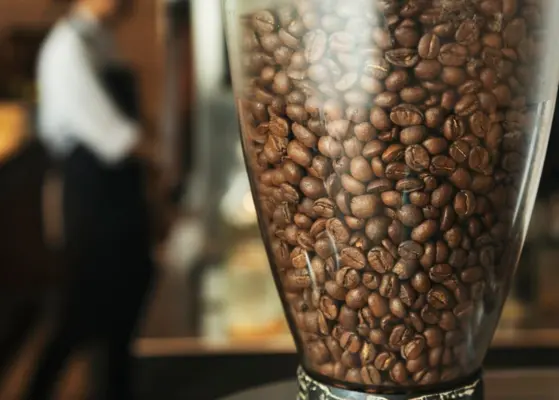
Hybrid working systems have altered coffee consumption trends in Germany. The increase in the number of consumers staying at home, along with more time spent there, has driven the demand for high-quality home coffee brewing solutions. These home coffee brewing solutions include coffee machines, grinders, and specialty coffee beans. The sales of the fully automatic coffee machines have continued to grow. Meanwhile, coffee retailers and appliance manufacturers are increasingly collaborating so that they create integrated ecosystems which can ultimately improve the coffee consumption experience at home.
Product innovation is another area being shaped by hybrid work environments. To meet the demands and needs for home brewing, companies are creating a blend of coffee that is consistent and easy to use. At the same time, coffee subscription services are getting popular as they allow buyers to receive freshly roasted beans most suited to their tastes. For businesses, this shift creates an opportunity to connect directly with consumers, reduce reliance on traditional retail channels, and better understand consumption patterns.
Sustainability as a Core Consumption Driving Factor
Sustainability has moved far beyond being just a niche agenda in Germany's coffee industry. Currently, it is at the core of the coffee purchase decisions of German consumers. They are, in fact, demanding a higher level of transparency not only in the environmental impact but also the social implications of their coffee choices, right from the farming practices to even the final packaging of the product.
The consequence was a substantial upsurge in sales of certified coffee products such as those of Fairtrade, Rainforest Alliance, and other organically produced ones. Industry insiders reveal that the market share of the certified coffee has not only been growing but currently it represents a significantly large fraction of the total retail coffee sales in Germany.
Leading players in the coffee market are also changing their course of action. For example, Tchibo has set a goal of having their entire coffee supply coming from responsible sources by 2027. On the other hand, JDE Peet's has carried out a number of sustainability programs to enhance the life of farmers and lower the overall carbon emissions. At the same time, Nestlé has rolled out its Net Zero Roadmap which includes the company's venture into regenerative agriculture and sustainable sourcing.
The aforementioned measures should not be solely regarded as regulatory requirements or obligations related to corporate social responsibility. In the present day, companies are using those measures as vital components of their marketing strategy capable of helping them establish interaction with consumers who have a strong inclination towards ethics and consciousness.
Explore the Germany Coffee Market Report for insights on trends and strategies.
Rise of Convenience and On-the-Go Formats
While at-home consumption is rising, the convenience factor continues to play a crucial role in Germany's coffee market. Ready-to-drink (RTD) coffee, coffee pods and single-serve formats especially appeal to younger consumers and urban professionals.
The RTD coffee segment, although relatively smaller compared to traditional formats, has significant potential for the market. For instance, Starbucks and Emmi Group have launched a selection of chilled coffee drinks aimed at consumption outside the home.
Coffee pods hold the dominant share in the single-serve segment, with Nespresso and Dolce Gusto being the market leaders. At the same time, private-label brands are increasingly offering cheaper alternatives which are leading established players to come up with new ideas in flavor variety, sustainability and machine compatibility.
Consumption motivated by convenience is also the main target of retail strategies. Besides expanding the coffee assortments at supermarkets and online platforms, specialty stores are focusing on curated selections in order to attract niche consumers.









Share