The Impact of Veganism on Mental Well-Being: A Global Perspective
Veganism is more than just a dietary choice; it’s a lifestyle that is rapidly gaining traction worldwide. As of 2024, approximately 3% of the population in the USA identifies as vegan, while in the UK, this figure has surged to 7%. In India, reports suggest that around 30% of urban youth are adopting vegan diets, reflecting a significant cultural shift. This blog delves into the intricate relationship between veganism and mental well-being.
The Numbers Behind Veganism
Global Vegan Population
As per the analysis by Expert Market Research, the global vegan food market size was valued at USD 29.80 Billion in 2025. The market is projected to grow at a CAGR of 10.10% during the forecast period from 2026 to 2035, reaching USD 78.00 Billion by the end of 2035.
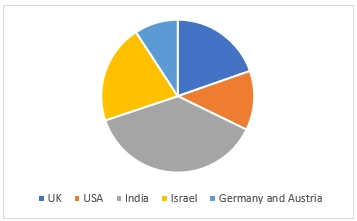
As of 2024, the global vegan population is estimated to be around 79 million, which represents just over 1% of the world's total population of approximately 7.8 billion people. This figure reflects a significant increase in veganism's popularity, particularly in regions such as the UK, where about 4.7% of adults identify as vegan, translating to approximately 2.5 million individuals. In the USA, around 3% of the population is vegan, equating to about 10 million people. Other countries also show notable trends; for instance, 9% of urban youth in India are adopting vegan diets, while Israel boasts a vegan population of around 5%.
In Europe, countries like Germany and Austria are experiencing a rise in veganism, with estimates suggesting that approximately 2.2% of their populations follow a vegan diet. Moreover, surveys indicate that many individuals have now transitioned from vegetarianism to veganism, with 52.1% of vegans having been vegetarians prior to their current dietary choices. The driving forces behind this shift often include concerns for animal welfare (68.1%), health reasons (17.4%), and environmental sustainability (9.7%). These numbers indicate a growing trend toward plant-based diets, driven by health consciousness and ethical considerations.
Figure 1: Population Adherence to Veganism (%)
Positive Effects of Veganism
Research indicates that dietary choices can significantly impact mental health. A study highlighted by Earth911 found that participants following a low-fat vegan diet reported reduced levels of depression and anxiety after 18 weeks. Another research published in the British Journal of Psychiatry found that individuals consuming more whole foods reported fewer symptoms of depression than those who primarily ate processed foods. This suggests that a well-planned vegan diet can enhance mood and overall mental well-being. Here are additional statistics:
- A study from the University of Hyderabad found that vegetarian diets could lead to a 20% reduction in depressive symptoms among participants.
- In the UK, 74% of vegans reported feeling happier after switching to a vegan diet.
- A study from the University of California found that individuals consuming a diet rich in fruits and vegetables had a 30% lower risk of developing depression.
- Research from Harvard University indicated that increased consumption of omega-3 fatty acids from plant sources can improve mood stability by up to 50%.
Country-Specific Insights
India
In India, where vegetarianism is deeply rooted in culture, the shift towards veganism is notable among younger generations. A survey revealed that:
- Approximately 60% of Indian vegans report improved emotional well-being.
- The prevalence of depression among young adults has decreased by 15% in urban areas where veganism is promoted.
China
China's urban population is increasingly embracing veganism:
- A survey indicated that around 4% of urban residents identify as vegan, with many reporting enhanced energy levels and mood stability.
- Research shows that individuals consuming plant-based diets in China experience a 25% increase in overall life satisfaction.
United States (USA)
In the USA, the mental health outcomes for vegans are mixed:
- While studies show that about 30% of vegans experience anxiety, many also report feeling more aligned with their ethical beliefs.
- An estimated 60% of American vegans believe their diet positively impacts their mental health.
United Kingdom (UK)
The UK has seen a significant rise in veganism:
- According to recent surveys, 74% of vegans feel happier, attributing their improved mood to ethical alignment and healthier eating habits.
- A study found that vegans consume about 50% more fruits and vegetables, which are linked to better mental health outcomes.
Japan
In Japan, traditional diets are evolving:
- Approximately 1% identify as vegan, but interest is growing among younger populations.
- Anecdotal evidence suggests that those adopting plant-based diets report improved mental clarity and emotional stability.
Conclusion
As the global trend toward veganism continues to rise, it's crucial for individuals to maintain balanced nutrition while considering their mental health needs. Embracing a vegan lifestyle can be rewarding not just for physical health but also for emotional and psychological well-being when approached mindfully.











Share