Heat-Resistant Glass Driving Industrial Performance and Safety
Technological advancements are continuously evolving, driving the adoption of advanced materials designed to perform reliably under extreme and demanding operating conditions. The glass, resistant to high temperatures, that was previously used only in certain areas is gradually beginning to play an important role in industries such as manufacturing, energy production, chemicals, and transport.
The current development trend indicates that manufacturers are paying close attention to developing highly effective and durable glass that would be capable of functioning under conditions of high temperatures, heavy loads, and aggressive environment while retaining its properties including transparency.
Expanding Use in High-Temperature Industrial Processes
Heat-resisting glass is becoming more popular in sectors where processes involving high temperatures play an important role. Industries such as metalworking, petrochemistry, and power engineering need glasses that can resist temperatures higher than 500 degrees Celsius without losing transparency and rigidity.
Firms such as SCHOTT AG and Corning Incorporated are producing glasses that can meet requirements such as resistance to heat shock and chemical stability at elevated temperatures. They produce borosilicate and glass ceramic glasses intended for usage in furnaces and inspection windows. For example, in January 2026, Laurel Glass launched borosilicate glass with over 120-minute fire resistance, offering high thermal stability, durability, and transparency for advanced architectural applications.
Moreover, this product’s applications are not confined to heavy industries. Glass resistant to heat is becoming popular even in the food industry and pharmaceutics, which need glasses to provide hygiene and heat resistance at the same time.
Innovation in Glass-Ceramic and Borosilicate Technologies
There is considerable material innovation in the area of heat-resistant glass application expansion. A significant amount of work and capital is being invested into research and development activities in order to come up with new products possessing superior quality yet at affordable prices. For example, glass ceramics are becoming increasingly popular because of their ability to resist rapid temperature changes and to avoid breaking as a result. Glass ceramics are being used both in industrial processes and in consumer electronics. Borosilicate glass remains one of the most widely used types of glass that is capable of resisting high temperatures. Manufacturers continue to improve its features, which include increased strength, transparency, and resistance to chemical damage.
Safety and Compliance in Hazardous Environments
Safety is a critical priority in any industrial setting, particularly in sectors that operate at high temperatures or handle hazardous chemicals. Beyond their high heat resistance, these glasses enhance safety by allowing clear visibility into high-risk processes, improving monitoring and operational control.
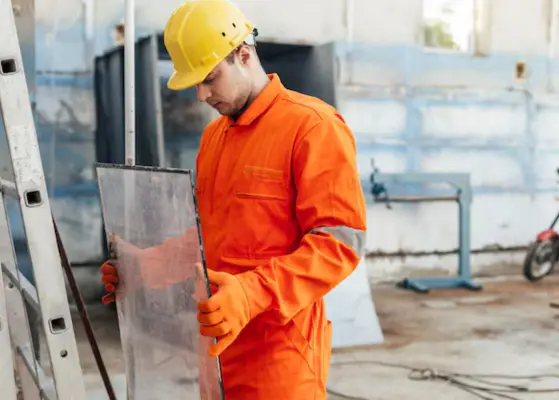
For instance, using heat resistant glass inspection windows, employees are able to observe the progress of certain processes without having to subject themselves to potentially dangerous situations. This is especially applicable in the chemical industry and in power generating companies where it would be extremely dangerous for anyone to come close to such a process.
Compliance with regulations is another important factor that influences the choice of such materials. The industrial safety rules call for materials with high tolerance levels to temperature.
Strategic Investments and Market Expansion
The market observes a steady demand growth for heat-resistant glass, which is driving players to invest in their production capacities and expand geographical locations. The investments in the construction of new manufacturing plants, especially in the Asia-Pacific region, are being executed to fulfill the increasing demand from developing industrial nations. Apart from that, strategic alliances and mergers are other factors that are contributing to the growth of the market. Players are forming associations with machinery makers to incorporate heat-resistant glass in their offerings.
In addition, digitalization has an impact on the marketing of products. Players are leveraging online portals to showcase the capabilities of their products, along with other information such as technical parameters and virtual demonstrations.
Integration with Advanced Industrial Systems
Heat-resistant glass is being incorporated in sophisticated machines as automation and smart manufacturing becomes more prevalent in various industries. This glass is used in automated production line enclosures, enabling operations at extreme temperatures while allowing operators clear visibility of ongoing processes. Hence, the use of heat-resistant glass is making work safer and more efficient by decreasing the necessity of manual interference.
Explore how fire-rated and heat-resistant glazing shape construction safety in the Fire Resistant Glass Market Report.
Shift Toward High-Performance Industrial Materials
The future of heat-resistant glass is expected to be based on the ability to satisfy the requirements of the industrial sector. As industries develop and seek ways to enhance their processes, there will be an increasing need for advanced materials. It is expected that manufacturers will concentrate on producing durable, temperature-resistant, and customizable products. Additionally, the incorporation of technology within the industrial sector will become increasingly common.








Share