Environmental Advantages of Horizontal Directional Drilling in Pipeline and Cable Installation
Environmental responsibility is a major concern today and has found its way into construction and infrastructure projects as well. With the continuous growth of cities and the demand for underground utility networks, the need for sustainable installation methods has increased. Horizontal directional drilling is a perfect environmentally conscious method that enables projects to proceed smoothly. It's through this method that pipelines and cables are installed underground with little to no excavation. This strategy not only saves the environment from destruction but also lessens the negative impact of the old open-cut digging methods.
Reducing Surface Disruption for Ecosystems
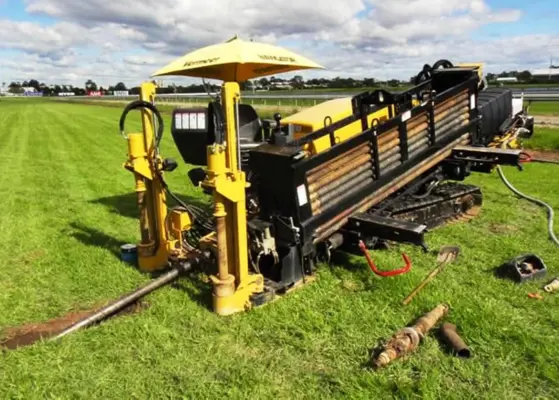
The most evident benefit of horizontal directional drilling is its minimal impact on the surface. In the case of traditional trenching, large open excavations over a long distance are needed, and this, in turn, may lead to the destruction of vegetation, agricultural land, and public spaces. Similarly, drilling prevents violations of these concerns through the creation of an underground passage between the entry and exit points of the machine. Hence, the remaining soil layers are less disturbed and can continue to serve as habitats for the ecosystems that sustain life. Streets, parks, farms, and even rivers are safe from the destructive effects of development.
Protection of Water Bodies and Sensitive Habitats
Horizontal directional drilling solves problems related to environmental protection, addressing issues beyond mere prevention. Pipe and wire networks need to cross rivers, wetlands, or protected habitats. These regions can be subject to open-cut digging, which may lead to soil contamination, erosion, and, as a result, damage to wildlife. With drilling, the bore path passes well beneath sensitive areas. The flow of water and aquatic life stay unaffected while construction is carried out below the earth's crust. Furthermore, it is compatible with the regulations that many countries implement to ensure eco-friendliness in infrastructure projects, particularly in areas of natural reserves.
Lower Carbon Footprint and Cleaner Worksites
Also, drilling helps in lowering the volume of pollutants released into the atmosphere compared with traditional trenching. Open-cut projects call for a nonstop work method using multiple heavy machines. Thus, the power is used, contributing to the carbon footprint of the whole construction process. On the other hand, drilling requires only 2–3 machines and shortens working hours, resulting in lower fuel usage. The lower volume of traffic results in fewer disruptions, which prevents emissions caused by congestion near work zones. At the same time, the safety of workers is increased, and the release of dust and noise into the environment, factors affecting nearby populations, is reduced.
Waste Reduction and Responsible Material Use
Horizontal directional drilling facilitates the realization of efficiency goals related to resource usage. This method produces a limited amount of soil waste, as the volume of excavated soil is small. The requirements for restoration after installation are also at a low level. No long trench rebuilding or large-area pavement and landscaping replacement is necessary. This contributes to the reduction of materials for landfills, thus saving natural resources. Besides, drilling methods also give contractors the possibility of using long-lasting, higher-quality materials that are buried deeper in the earth. The better protection of pipes and cables means fewer repairs or replacements, which is a step toward long-term environmental responsibility.
Eco-Friendly Trends That Strengthen Drilling Practices
The sustainability of the drilling sector keeps improving as a result of the latest technological advances. A large number of projects are already using eco-friendly drilling fluids that do not pollute soil or water while stabilizing the borehole. By using mud recycling systems, contractors can reuse fluids and reduce their disposal needs. Moreover, real-time monitoring together with digital planning is cutting down on drilling done just to test, and thus unnecessary fuel use and project time are reduced. There are also some drilling units now driven by electric motors, which create fewer emissions than traditional diesel engines. These innovations signify that sustainability and progress in the industry can go hand in hand.
Get the full report to learn more about drilling efficiency and the various skill development strategies.
Sustainability That Keeps Infrastructure Moving Forward
By using horizontal directional drilling, we are moving toward a more environmentally friendly future in utility construction. It is economically sound and urban-development friendly at the same time because nature and water bodies are being preserved. The method contributes to cleaner projects as well, where fewer pollutant gases and wastes are emitted. Furthermore, it helps build strong foundations that can endure the test of time since underground grid systems are less exposed to the risk of being damaged and can be used by the community for a long period of time. As infrastructure demands grow and cities expand, the adoption of horizontal directional drilling ensures sustainable development while balancing urban growth with environmental stewardship, creating long-term benefits for communities and ecosystems alike.











Share