Human-Centric Lighting Trends Influence Next-Generation LED Downlight Adoption
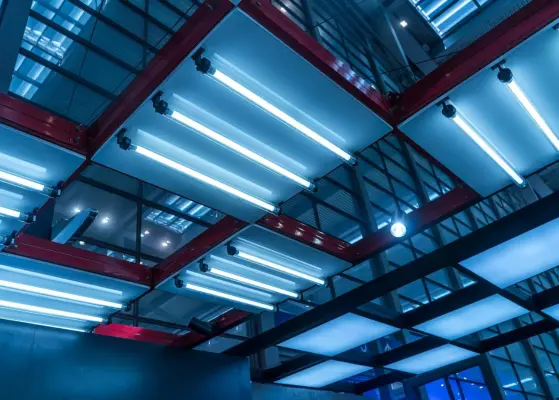
Human-centric lighting (HCL) has shifted from a niche architectural concept to a major contributor reshaping modern interior lighting. As businesses, hotels, healthcare facilities, and residential developers invest in healthier environments, demand is rising for technologies that support circadian rhythm, improve emotional well-being, and deliver tunable-white illumination. LED downlight, which was once viewed as a simple functional fixture, has evolved into an intelligent lighting system capable of shaping comfort, productivity, and the overall user experience. This transition reflects a broader industry move toward wellness-driven design, where lighting plays a central role in influencing how people feel and perform within a space.
As a result, leading lighting manufacturers are redesigning their downlight family of products to feature advanced optical engines, sophisticated digital control systems, and adaptive control platforms to provide the end-user with dynamic characteristics of natural daylight.
Commercial Offices Lead Adoption of Circadian-Supportive Downlights
The commercial office space is one of the most favorable markets for adopting human centric lighting (HCL). With the implementation of hybrid working patterns and a focus on the well-being of employees in boardrooms, companies are investing more money into wellness-aligned upgrades to their office interiors.
Using tunable-white LED downlighting products allows offices to improve the quality of light in their offices and to change their light temperature and brightness levels in conjunction with employees' circadian rhythms.
Leading lighting manufacturers such as Signify, Acuity Brands and the Zumtobel Group have introduced commercial downlight families featuring daylight-resembling optical engines such as optical systems designed to simulate the appearance of daytime sunlight and application-based tuning interfaces. These products allow users to adjust the color temperature of the light from 2700 Kelvin to 6500 Kelvin to match the natural light patterns throughout the day and to optimally support employees' focus during the morning hours and relax them later in the day.
Hospitality and Retail Upgrade Indoor Environments with Tunable LED Downlights
The growing adoption of human-centric LED downlighting in hospitality and retail spaces is being driven by rising customer expectations for comfort, ambience, and immersive interior experiences. Many hotels, resorts, and restaurants are installing tunable-white downlights that allow staff to create warm, intimate lighting scenes in the evening while shifting to cooler, daylight-inspired tones during daytime hours. This flexibility helps operators deliver a more refined and emotionally responsive environment, aligning lighting conditions with the needs and expectations of guests throughout the day.
Lighting brands such as Lutron Electronics, GE Current, and Cree Lighting have strengthened their hospitality-focused downlight portfolios by introducing soft-dimming capabilities, low-glare optical designs, and ultra-quiet drivers tailored for luxury guestroom environments. At the same time, major hotel groups are beginning to incorporate human-centric lighting (HCL) into their wellness room packages, recognizing its ability to create more restorative and calming spaces.
Healthcare Facilities Adopt Human-Centric Lighting for Patient Well-Being
Healthcare environments, including hospitals, clinics, senior care facilities, rehabilitation facilities, and others are increasingly using HCL systems to improve patient comfort and recover experience. Tunable-white LED downlighting can help regulate the patient's circadian rhythm, reduce stress, and promote better sleep patterns. These three factors positively affect the clinical outcome.
Manufacturers such as Osram (LEDVANCE), Philips, and Hubbell Healthcare Solutions are incorporating circuitadian-tuned LED light engines, flicker free dimmers, and antimicrobial coatings. Lighting controls specific to patient rooms give nursing staff the ability to control brightness level while not disrupting the patient's sleep cycle.
Residential Developers Embrace Human-Centric Lighting for Premium Living Spaces
Human-centric lighting is no longer limited to commercial environments. Premium residential developers are increasingly incorporating tunable-white downlights into luxury homes, condominiums, and smart-home projects. Builders are using circadian lighting to differentiate high-value units and attract wellness-focused buyers.
Manufacturers such as Ketra (a Lutron brand), Eaton, and Seoul Semiconductor are releasing residential-grade downlight kits with seamless dimming, wide tuning ranges, and compatibility with home automation platforms such as Control4 and Alexa. These downlights allow residents to create personalized lighting scenes for relaxation, focus, entertainment, or morning rejuvenation.
The integration of smart-home ecosystems has simplified adoption, with many new downlights offering Bluetooth Mesh connectivity, app-based presets, and voice-controlled tuning modes. This convergence of wellness design and smart-home automation is reshaping competitive strategies in the residential lighting market.
Manufacturers Redesign LED Downlights Around Human-Centric Optical Engines
As demand for HCL grows, lighting companies are investing aggressively in new optical and electronic architectures for LED downlights. Features gaining momentum include:
- Wider tuning ranges (1800K–6500K)
- High-CRI modules emphasizing natural color rendering
- Flicker-free and low-blue-light drivers
- Hybrid optical diffusers for softer glow
- Advanced thermal management to support constant tuning cycles
Companies such as Philips, Bridgelux, and Nichia are developing new tunable-white COB and multi-die LED engines designed specifically for HCL applications. Some manufacturers are adopting RGBW and dual-channel optical platforms, allowing precise control over mood and perception without compromising lumen output.
These innovations help lighting designers integrate wellness-oriented solutions into everything from high-end retail to education facilities, giving LED downlights a central role in future interior planning.
For in-depth insights on LED downlights and evolving illumination technologies, explore the LED Downlight Market
Human-Centric Lighting Is Shaping the Future of LED Downlights
The influence of human-centered lighting is much more than just increasing aesthetics when designing. It has become an essential part of modern interior design. With the increased emphasis on wellness, eco-consciousness and smarter ways of building environments, there will always be a demand for led downlights that utilize tunable white engines, have sensors attached to them and have advanced optical designs.
For B2B customers, this trend offers an opportunity to increase the value of a building, increase user satisfaction, and meet future demands for wellness with LED technology. The design of the LED Downlight in the future will depend not only on the design and energy efficiency but also on the human comfort, emotion, and performance of the LED downlight.








Share