Inside India's Hyperlocal Food Delivery and Cloud Kitchen Operations
Indian food culture has been colorful, diverse, and dynamic. Hyperlocal food ordering has changed the way people get meals in recent times. Instead of waiting to cook or go to eateries, consumers can now have freshly made food delivered to their homes in a matter of minutes. Millennials and Gen Z are leading this change, prioritizing speed, diversity, and convenience while looking for new experiences when eating.
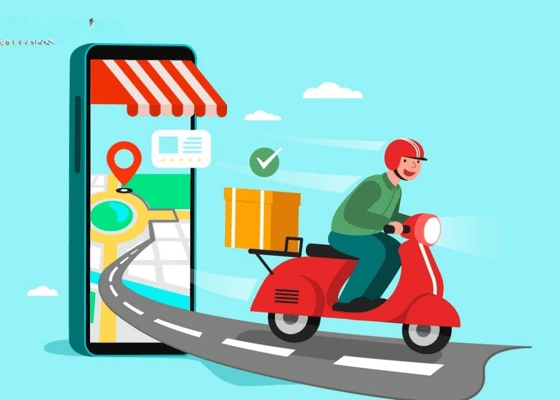
Hyperlocal delivery bridges restaurants and cloud kitchens with neighboring neighborhoods directly. Bengaluru, Pune, and Hyderabad have emerged as testing grounds for the latest delivery models under which dishes are delivered to the customers within 30 minutes. Swiggy, Zomato, and Dunzo have mastered this model with live tracking, optimized route matching, predictive order management, and estimated time notifications so that consumers get real-time updates about their orders.
Even tier-2 cities are catching up fast. Jaipur, Indore, and Lucknow, among others, are increasingly turning to food delivery apps to try local delicacies like Rajasthani thalis, Indori poha, or street-style chaat. Hyperlocal delivery is opening these meals to food habits, taking the market away from classic metro pockets, and making cuisines of variety accessible to more people.
The Rise of Cloud Kitchens
Cloud kitchens, or virtual kitchens, are the cornerstone of hyperlocal food delivery. These kitchens don't have dine-in space like traditional restaurants but only do delivery. This model enables operators to play around with menus, cuisines, and prices without high overhead.
Faasos, FreshMenu, and Rebel Foods operate several cloud kitchens in India, each with specialized cuisines like gourmet sandwiches, Indian fusion, and keto meals. These kitchens use app data to forecast demand, optimize inventory, and facilitate quicker delivery. For instance, if a vegan burger gains traction in Bengaluru, cloud kitchens in other cities can easily replicate it, fulfilling demand across geographies and maintaining consistent product availability.
The versatility of cloud kitchens also enables brands to try out new concepts at relatively low risk. Seasonal menus, holiday promotions, and short-term offers are being tried by some operators to continually keep users interested and curious about new foods.
Technology Powers Efficiency
Hyperlocal delivery wouldn't be feasible without sophisticated technology. AI-based algorithms compute the optimal routes for delivery executives, considering traffic flow, weather, and peak order hours. Inventory management software notifies kitchens of ingredient deficiencies before they can cause an issue, ensuring consistency and minimizing delays.
Tier-2 city startups have brought in GPS-equipped scooters, intelligent packing stations, and automated order allocation systems. Integrating real-time data analytics, kitchens streamline processes, cut preparation time, and reduce human error. Apps also provide predictive order analysis, allowing pre-cooking during busy hours to deliver on time.
Cloud kitchens more and more depend on technology to monitor customer tastes. Personalized suggestions, reward points, and repeat order options are driven by machine learning, maximizing customer experience and user engagement.
Customer Preferences Shape Operations
Hyperlocal delivery is not about speed; it's about responding to shifting consumer needs. Millennials and Gen Z try meal kits, global cuisines, and healthy options. Cloud kitchens now offer build-your-own meal plans, calorie-counted menus, and environmentally friendly packaging to attract health-oriented and environmentally conscious consumers.
Social media plays a major role in menu planning. Menu items such as sushi burritos, chocolate pav bhaji, or designer desserts go viral and are easily replicated in multiple kitchens. This responsiveness keeps menus fresh and interesting, making younger consumers interested and loyal to delivery apps.
Challenges on the Hyperlocal Front
Even with fast growth, hyperlocal delivery has operational challenges. Traffic congestion, unexpected spikes in demand, and bad weather are hindrances to delivery. Keeping foods fresh during delivery is essential, especially for sensitive foods such as pastries, sushi, or hot soups.
To overcome such issues, firms are making investments in insulated packaging, temperature-controlled bags, and delivery backpacks. Some startups collaborate with neighborhood restaurants to establish backup kitchens or pool delivery fleets, providing continuity of service during peak times. Applications also send real-time alerts about delays, keeping customers informed and earning their trust.
For a detailed report and market trends, see our India Online Food Delivery Market
Future of Hyperlocal Delivery and Cloud Kitchens
The hyperlocal and cloud kitchen model is ready for growth across India. Tier-2 and tier-3 cities are embracing these services more as smartphone penetration, internet connectivity, and disposable incomes grow. Synergy with grocery delivery, subscription meal plans, and AI-driven personalization will further boost the consumer experience.
Cloud kitchens and hyperlocal networks will keep experimenting, providing quick delivery, multicultural cuisines, and adaptable meal options. Customers increasingly desire convenience, diversity, hygiene, and digital engagement. These models, with technology at the forefront, are poised to revolutionize India's dining culture, with high-quality food being made available to an even wider base.











Share