Keeping Dairy and Ice Cream Fresh with Cold Chain Logistics in India
Dairy and ice cream are among the most temperature-sensitive food groups in India. These items need to be stored and transported in controlled conditions to remain safe and fresh. The lack of proper cold chain logistics, spoilage, waste, and product quality problems can hit consumers as well as businesses.
India is among the world's largest producers and consumers of milk products. India also has a rapidly growing ice cream market, fueled by increased income and changing lifestyles. To capitalize on this, companies are investing in cold chain equipment. Temperature-controlled logistics is now critical to the success of dairy and ice cream brands in urban and rural areas.
Why Cold Chain Logistics Is So Important for Dairy and Ice Cream
Dairy items like milk, curd, butter, cheese, and yoghurt should be preserved between 2 and 8 degrees Celsius. Ice cream is even more sensitive, typically to temperatures below -18 degrees Celsius. A break in the cold chain can result in microbial growth, spoilage, and loss of flavor or texture.
With tightening food safety regulations and rising consumer expectations, cold chain logistics becomes an integral component of the value chain.
Key Components of the Dairy Cold Chain
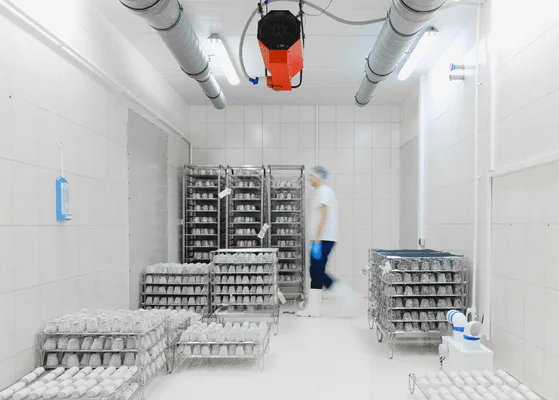
The cold chain of dairy starts at the production facility, which could be a farm or milk collection station. From there, chilled milk is shipped in refrigerated tankers to processing plants. Once processed, dairy products are packaged and transferred to cold storage facilities.
Products are delivered in refrigerated trucks from storage to wholesalers, retail stores, or e-commerce fulfillment facilities. At the final mile, goods are stored in display coolers or transported by refrigerated vans or bicycles.
Temperature monitoring, trained personnel, and quality control procedures are needed at each phase. Sensors, data loggers, and GPS devices are employed to verify that the appropriate conditions are used throughout transport.
Challenges in Cold Chain Logistics of Dairy Products in India
In rural areas of India, fewer cold storage facilities and limited availability of energy-efficient appliances exist. This contributes to increased spoilage, particularly for small-scale dairy enterprises or cooperatives. In urban areas, traffic congestion delays usually the issue, storage capacity constraints, and uneven handling practices at retail outlets.
Another concern is the exorbitant cost of installing and running cold chain systems. Energy expenses, maintenance of equipment, and skilled manpower contribute to the cost.
Technological Solutions Are Improving Efficiency
The silver lining is that Indian cold chain technology is catching up fast. Real-time temperature monitoring, IoT sensors, and data analytics are now being employed by companies to streamline logistics.
Smart cold rooms, solar-powered refrigerators, and mobile chilling units are filling the gap in far-flung regions. Online platforms are being utilized to track cold chain performance and act in the event of a temperature violation.
Some of the logistics providers also provide customized services for frozen and dairy products. These third-party service providers enable brands to scale without having to own the whole supply chain.
E-commerce growth is defining cold chain demand
Online food and grocery delivery has opened new challenges and opportunities for cold chain logistics. Consumers now demand same-day, or even 10-minute, delivery of frozen and dairy products.
This pressure forces brands and platforms to preserve freshness and hit speed targets. Businesses are spending on micro-fulfillment centers, dark stores, and cold hubs close to cities. These facilities keep perishables closer to the customer, shortening transit times.
App-based rapid-commerce companies such as Zepto, Blinkit, and Swiggy Instamart are driving cold chain logistics to be faster, more dependable, and more scalable.
Government and Industry Support for Cold Chain Infrastructure
The Indian government sees how critical cold chain networks are to food safety and export development. Various policies and fiscal incentives exist to promote the sector.
Programs like Pradhan Mantri Kisan SAMPADA Yojana provide grants for food processing units, cold storage, and refrigerated transport. State governments also offer land support, electricity subsidy, and skill development programs to enhance cold chain investment.
For market projections and further analysis, refer to our India Ice Cream Market
Cold Chain Is the Backbone of India’s Dairy and Ice Cream Market
Cold chain logistics is imperative for maintaining the quality and safety of dairy and frozen products in India. As markets enlarge and consumer demand increases, brands are obligated to prioritize sestablishing robust, efficient, and trustworthy cold chain networks.
Through sufficient investment, technology, and planning, firms can cut down on spoilage, stay within regulatory guidelines, and provide better products to the remotest parts of the country. The future of ice cream and dairy in India is in the hands of how effectively the cold chain performs, particularly in a country where there cannot be an assumption about freshness.











Share