How Vaccination Drives Livestock Productivity and Farm Profitability
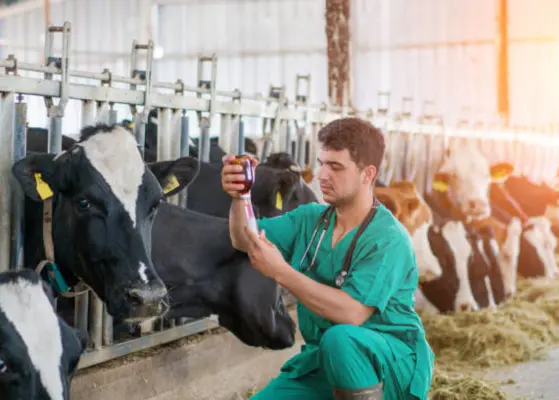
Livestock farming in Latin America is a significant contributor to the sustenance of rural communities and the national food supply. Animals in good health are the core of a strong farm output. When the infection spreads in the herd, farmers see a decline in milk yield, meat quality, egg production, and animal growth. The losses directly influence the profitability and farm sustainability in the long run. One of the most dependable ways to counter these losses has been vaccination. By making the immune systems of cattle, poultry, and pigs healthier, farmers can keep up with continuous and predictable productivity for the whole year.
Diseases aren’t just a cause of output reduction. They also put emotional and financial pressure on farmers who have to spend more time and resources to recover the herds. The application of preventive vaccination is a lever that helps to lessen uncertainty and gives assurance in livestock management.
Higher Productivity Through Disease Prevention
Vaccinations are the protection of animals against infections that are the most common for the livestock. An immunized herd has less spread of viruses and bacteria. Hence there are fewer animals that are sick, and better performance is seen during the animal growth cycle. The health of the animals progresses positively in feeding programs, breeding, and are more adaptable to environmental changes.
Farmers may notice the following productivity gains:
- Milk production in dairy cattle
- Growth rates and meat quality in beef, cattle and pigs
- Egg output and feed conversion in poultry
- Reproduction efficiency in breeding livestock
These benefits are not limited to a short period. The animals that have been vaccinated are the ones that stay strong throughout their lifecycle. This stability makes it possible for farmers to plan their business decisions more confidently. Health prevention instead of health intervention radically alters the overall health level of the farm.
Reduced Charges for Veterinary Services and Financial Losses
Waiting for treatment until after the infection of the livestock is costly and hard to predict. A farmer has to bear the cost of veterinary services, purchase of drugs, and additional care. In a grave outbreak, the farmer can lose the animal completely. These scenarios diminish the profitability of the farm and cause inconvenience to the farm operations. Vaccination is the main reason for the decline in the occurrence of such a disaster.
Taking preventive measures against diseases is also a way to shield farm businesses from sudden financial blows. Even minor outbreaks can create situations where farmers have to deal with unplanned expenditures, production delays, and limited capacity. Vaccination plays a crucial role in reducing these risks and ensuring the farm's long-term stability. The decrease in money spent on healthcare gives farmers better control over their finances and leaves more money available for productivity improvements.
Immune System Supports Ecologically Sound Agriculture
The sustainability of livestock farming does not solely depend on the present. It is also about securing the future. Vaccination lessens the use of antibiotics and intensive treatments. The outcome is better living conditions for the animals and a safer food supply for the consumers. Farms that adopt preventive vaccination usually have lower stress levels, better living conditions, and improved animal welfare.
Healthy and sustainable livestock farming, in turn, brings advantages to the farm owners. When the risk of health problems is under control, the farmers can shift their focus to productivity and growth instead of fighting against recurring outbreaks. Animals that are vaccinated are in a better position to be bred according to plans and undergo genetic programs that elevate herd efficiency over time. Thus, vaccination is a helpful tool in achieving production goals without giving up on animal care.
Enhancing the Quality of Meat, Milk, and Eggs
The livestock that have been vaccinated can produce more. They are also able to produce better. Even internally, diseases can harm animals, even when there are no obvious symptoms. This has an impact on the nutritional value and physical characteristics of meat, milk, and eggs. Vaccination makes the animals strong and helps them develop immune systems that can maintain healthy metabolic processes.
Better quality of animal products is profitable for both farms and consumers. Farmers benefit as they get access to better pricing and higher demand when their products consistently comply with quality standards. On the other hand, consumers get safer and more nutritious food, which comes from healthy animals.
Check out the full report to learn how livestock vaccination strategies are shaping the future of farm productivity across LATAM
The Future of Better Care
The vaccination of livestock turns out to be one of the most powerful factors behind their productivity and profitability. Besides, it is instrumental in the reduction of financial risks, product quality improvement, and supporting the practices of sustainable farming. By making preventive vaccination a priority, farmers are setting the stage for their steady growth and viable herds. With the health of the farm animals in check, agricultural enterprises can not only realize their full capacity but also become agents of food security and economic development, the likes of which Latin America is experiencing.











Share