How Downstream Distribution Is Driving a New Phase for the Middle East Oil & Gas Sector?
The oil & gas downstream sector in the Middle East is undergoing a quiet but profound transformation. Traditionally focused on moving refined products from refineries to depots and retail outlets, the region’s downstream distribution network is now being re-engineered to meet a very different set of market priorities.
Regional governments and leading energy companies are recognizing that modern distribution is not just about moving fuels efficiently. It is about meeting stricter quality standards, integrating alternative fuels, optimizing logistics, and using technology to minimize losses. For stakeholders in storage, transport, and retail, these shifts open up a wide array of opportunities.
Downstream distribution covers the network of pipelines, storage terminals, tanker fleets, and retail forecourts that deliver refined petroleum products from the production point to the end user. In the Middle East, the scale of this system is vast, spanning both domestic consumption and significant export flows.
Terminal Upgrades and Storage Optimization
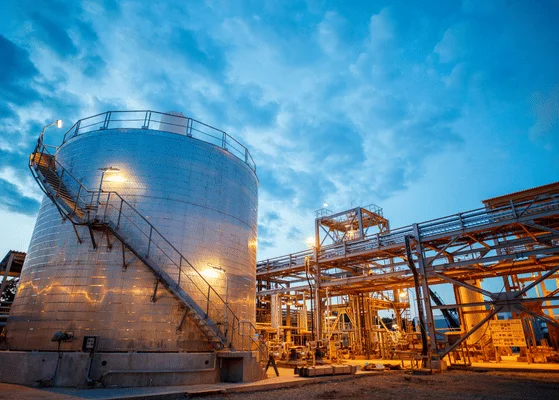
One of the most visible trends in the region’s downstream network is the investment in modern storage terminals. These facilities are now designed with advanced tank gauging systems, automated loading arms, and vapor recovery units to ensure safety and environmental compliance.
Countries like the UAE and Saudi Arabia are expanding capacity at strategic coastal locations to support both domestic markets and re-export activity. In addition, inland storage hubs are being upgraded to improve fuel availability for industrial zones and major transport corridors.
For B2B players, there is demand for engineering, procurement, and construction (EPC) services, automation solutions, and environmental monitoring technologies. Suppliers who can deliver modular and scalable terminal designs are projected to find strong interest, especially in fast-growing secondary cities.
Multi-Fuel Distribution Networks
While petrol and diesel remain the pillar of the market, LNG, CNG, and even hydrogen are being introduced into select markets. This requires both physical and digital adjustments to the downstream system.
New-build terminals are being configured with multi-product handling capabilities from the outset, avoiding costly retrofits later. Pipelines are being designed to handle product switching more efficiently, and road tanker fleets are being equipped for cryogenic fuel transport where LNG is involved.
This multi-fuel trend opens up opportunities for equipment manufacturers, specialist hauliers, and software providers who can help operators manage increasingly complex product portfolios.
Pipeline Expansion and Security
Pipeline infrastructure remains the most cost-efficient way to move refined products over long distances. Several Middle Eastern countries are investing in new multi-product pipelines that connect refineries, ports, and major consumption hubs.
However, pipeline security is a growing concern, especially in politically sensitive regions. Operators are now deploying real-time leak detection systems, fiber-optic monitoring, and drone-based surveillance to safeguard infrastructure.
Digitalization of Distribution Operations
Digitalization is beginning to transform downstream logistics in the Middle East. Large distributors are adopting centralized control rooms that monitor fleet movements, terminal stock levels, and delivery schedules in real time.
AI-powered route optimization is helping tanker fleets reduce empty miles, cut fuel costs, and improve delivery punctuality. Blockchain-based systems are also being trialed for fuel provenance tracking, enabling retailers and regulators to verify quality from refinery to pump.
For software companies, the opportunity lies in providing integrated platforms that combine inventory management, regulatory compliance, and predictive analytics, all tailored to the Middle Eastern operating environment.
Regional Integration and Cross-Border Flows
Another notable shift is the growing integration of downstream networks across national borders. GCC states are exploring harmonized fuel standards, joint storage facilities, and cross-border pipeline projects to improve supply resilience and cost efficiency.
This trend benefits logistics providers and infrastructure developers capable of navigating multi-country regulations and operational frameworks. Cross-border projects also require standardization of technical specifications, which opens up opportunities for consulting firms and certification agencies.
For full market insights and forecast data, explore our Saudi Arabia Fuel Stations Market
Downstream Distribution as a Strategic Enabler
Modern, efficient, and multi-fuel distribution networks not only improve supply chain performance but also support the region’s diversification into cleaner energy sources. For B2B companies in engineering, technology, logistics, or consulting industries, this is a sector where innovation meets necessity. Those who can help operators balance efficiency, compliance, and flexibility will find themselves central to the next phase of the Middle East’s oil & gas market.











Share