Smart Kitchen Adoption in the Middle East
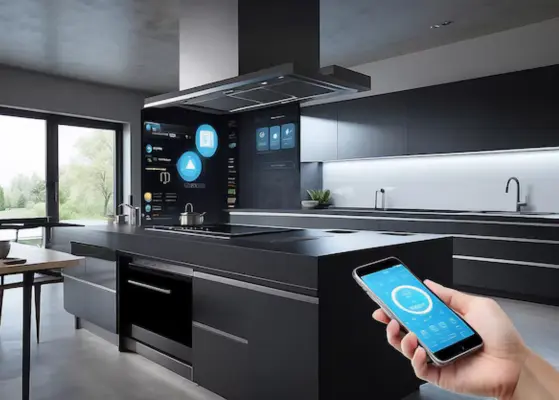
The kitchen appliance sector in the Middle East is going through a clear technology shift, as major brands quickly reposition themselves with new models. Households in this region are growing more connected, and people want appliances that save time, save electricity, and fit into modern homes. Smart kitchen gadgets, that were previously used by tech enthusiasts now inch toward everyday appeal. Firms such as LG, Panasonic, Samsung, and Bosch seize this shift to roll out models blending utility with digital platforms.
Consumers in Saudi Arabia, the UAE, and Qatar are at the center of this change, and their spending power in these markets is giving appliance makers space to innovate quickly. The market witnesses a number of product launches in the premium kitchen category, especially systems built around smart refrigerators, induction cooktops, dishwashers, and AI-driven ovens.
Efficiency as a Central Selling Point
Although smart technology tends to capture most of the attention, energy savings is one of the main driving factors of the demand growth in the region. Companies like Bosch are widening their dishwasher and refrigerator range, promoting energy usage reductions at the center of their marketing strategies. On the other hand, players like Panasonic are offering new inverter-based refrigerators targeting Gulf countries, noting considerable lower power consumption.
Moreover, new apartment and villa developments in UAE and Saudi Arabia often include smart home integration by default, and appliances are fitted with compatible systems. This is why appliance manufacturers keep building software ecosystems instead of just product parts.
Growing Premiumization Across Product Lines
Premium appliances are clearly gaining traction in the Middle East and Africa region. Many households are shifting from standard refrigerators and cookers toward high-end smart models with digital door panels, advanced sensors, and interior cameras. Buyers are increasingly favoring stainless finishes, flexible freezer compartments, and multi-zone cooling.
Miele also introduced new steam ovens into luxury residential projects in the UAE and Qatar, in May 2023, following growing demand from homeowners looking for chef-style results at home. The market witnesses a strong interest in built-in kitchen formats, reflecting evolving design trends shaped around seamless cabinets and clean lines. Buyers are more focused on healthier meals, quieter operation, more automation, or layout fits, rather than price points. Moreover, smart multicookers, air fryers with app controls, and connected coffee machines, are gaining huge popularity in the Gulf region.
Increased Focus on Connectivity Features
LG’s ThinQ, Samsung’s SmartThings, and Bosch Home Connect are becoming shared reference points for buyers seeking connectivity features. These platforms let users manage multiple appliances through one hub.
Company executives in the region have hinted at new product roadmaps that go deeper into automation, including ovens that recommend cooking cycles based on food type or refrigerators that suggest recipes. Some manufacturers are experimenting with AI-based fault detection, so appliances can alert users before failure. This kind of predictive approach could reduce service downtime, a key selling point for B2B clients like property developers and serviced apartment operators.
Retailers Respond to Demand Signals
Distributors and retailers in the Middle East are adjusting their strategies as smart kitchen sales grow. Companies like Sharaf DG, Eros Group, and Jumbo Electronics have expanded floorspace for premium kitchen brands, introducing demonstration areas that show how appliances connect to apps and displays. Retail staff training has increased, helping customers understand setup and benefit points.
Shift in Marketing and Value Messaging
Appliance makers promote their product lies with more focus on smart lifestyles, energy management, and long-term efficiency. Many customers choose smart products not just for their capabilities but also for how they look. Glass doors, minimal designs, flat handles, and customizable panels appeal strongly to modern homeowners.
Marketing campaigns across UAE and Saudi Arabia illustrate this trend. Samsung’s “Do the SmartThings” initiative, launched in July 2024, and LG’s ThinQ promotions focus on convenience and control.
Discover the evolving kitchen appliances market in the Middle East & Africa Kitchen Appliances Market
Market Outlook
Appliance makers are increasing investments, and distributors are widening their offerings. Buyers want control, efficiency, and upscale style. Major brands are using this trend to build product families across the kitchen category, positioning refrigerators, ovens, and dishwashers within cohesive smart ecosystems that can automate routine chores, improve food planning, and integrate with lifestyle habits. New launches, especially in UAE and Saudi Arabia, show brands racing to sharpen premium value.











Share