How Plant-Based Dairy Alternatives Are Transforming Europe’s Dairy Landscape?
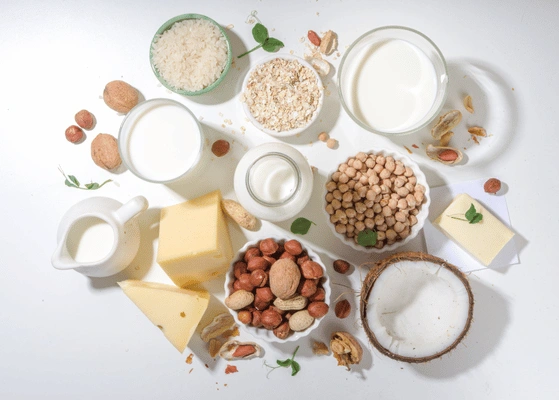
For centuries, Europe has boasted traditional dairy excellence. Today, plant-based dairy alternatives are quickly transforming Europe's food system. Almond milk, oat yogurt, soy-based cheese, and even pea-protein ice creams have transitioned from niche items to mainstream food products.
The flexitarian diet movement, increased awareness of lactose intolerance, and pressures for sustainable options have all converged to push plant-based dairy alternatives to the center of the market. Supermarkets have even created entire aisles for plant-based dairy products in Europe and many foodservice companies are starting to include vegan options on their menus. As this change starts to gain momentum, the traditional dairy sector now has both competition and opportunity.
Flexitarian and Vegan Consumption are Driving Adoption
The plant-based dairy product’s booming popularity in Europe can be attributed to the evolution of dietary choices. While a small fraction of individuals identifies as vegan, a much larger segment identifies as flexitarian, or individuals who still eat dairy, but are trying to eat less of it.
Surveys in Germany and the United Kingdom suggest that approximately consumers are looking to reduce dairy, for health and ethical reasons. These dietary choices are already apparent store-bought items, with oat milk sitting alongside cow's milk in urban food stores.
This shift is not only about eliminating dairy; it is also expanding options. More households now have both traditional dairy and plant-based milk products at home, because one category does not completely replace the other.
Sustainability Riding High
One of strongest driving factors of consumption of plant-based dairy alternatives is their comparatively lower environmental footprint than traditional dairy products. Consumers are making stronger connections between food choices and climate action.
For instance, oat milk production typically consumes less water than milk production and generates fewer greenhouse gases. Brands like Oatly have formed their marketing completely from climate-positive messaging, which resonates heavily with younger audiences in Scandinavia and Western Europe.
Governments and NGOs are also now amplifying the environmental benefits of plant-based diets, encouraging consumers to transition to plant-based dairy products. This sustainability story has shifted plant-based dairy consumption from a lifestyle point of difference into a broader cultural movement.
Innovation Supported Variety
The plant-based dairy category is more than just soy milk. The last few years have brought variety to this category through innovation across product lines.
- Plant-Based Cheese: Improvements in texture and flavor are being made. Cashew, almond, and coconut oil-based vegan cheese alternatives are gaining traction and consumer acceptance in the specialty vegan cheese category. New specialty vegan cheese brands are competing with long-established dairy brands.
- Plant-Based yogurt: Like plant-based cheese, yogurts derived from coconut, oat, and almond-based yogurts have finally captured traction, offering benefits similar to the dairy versions with probiotics. The flavored offerings in France and Spain are in demand.
- Frozen Desserts: First in the market were plant-based frozen desserts, mostly from oats, cashew nuts, and peas, that are gaining rapid popularity in premium retail and foodservice channels.
Even traditional dairy cooperatives in Europe are investing in plant-based alternatives. A number of Scandinavian cooperatives have developed oat-based products to complement, rather than replace, conventional dairy-based products, demonstrating the bridging of the two very different industries.
Retail and foodservice improving access
The success of plant-based dairy alternatives in Europe is largely credited to its accessibility. Supermarkets across Europe are now stocking large ranges of plant-based products alongside conventional dairy, making them a part of weekly shopping basket for millions of households.
Foodservice is also driving plant-based dairy market growth. Coffee chains including Starbucks and Costa Coffee routinely offer oat-based or almond milk as an alternative. Major fast-food chains are also introducing plant-based cheese and replacing common dairy products with plant-based alternatives.
This accessibility has helped plant-based dairy shift from being an alternative to being a regular choice.
Export Opportunities for European Plant-Based Brands
With the global demand for dairy alternatives on the rise markets in Europe are trying to be innovative and sustainable to ensure their brands for dairy alternative products become leaders in the market. There is an influx of exports of oat-based milk and yogurt products being sent to market customers in Asia and North America, as they see European producers using high-quality, sustainable, and trusted products compared to their non-European competitors.
This global growth of dairy alternative products will help solidify Europe's market position as a dairy contributor and innovator for sustainable foods.
For further insight into the trends and forecasts view our Europe Dairy Market
Plant-Based Dairy Alternatives as a Complementary Product
As dairy alternatives are developed and their market presence increases, they may not necessarily be replacements to products already consumed by the consumer base. Established producers may not perceive dairy alternatives as a direct competitive threat as they can provide complementary products to their brands, giving consumers semblance of choice, sustainability, and health.
European producers are diversifying portfolios to include dairy alternatives. Therefore, the future is likely to see better integration between dairy and dairy alternatives with consumers having a wide spectrum of products.
As the market matures, Europe’s leadership in both conventional and alternative dairy underscores its ability to remain at the forefront of global food trends.











Share