How are quality standards and trade regulations altering the global recovered paper marketplace?
The recovered paper marketplace has always been dependent on international trade. Large amounts of post-consumer paper collected in parts of North America and Europe ultimately travel to Asia and are turned into raw material by packaging and paperboard manufacturers. But recently, this system has changed dramatically, as governments have tighter import restrictions and have begun to raise new quality standards. For all supply chain participants including collectors, waste management and packaging converters, knowledge of these standards can no longer be optional but a requirement.
The quality of recovered paper is ultimately about fiber purity. Anything that can contaminate plastics, metals or food waste will reduce utilization in pulping and deinking operations. When the governments identify the contamination limits, there are direct implications for the quantities traded, costs and investment in recycling facilities.
The Role of International Quality Standards
One of the most recognized standards of recovered paper are the European EN 643 standard. It provides more than 50 grades of paper, from sorted office material to mixed corrugated. These grades offer clarity for buyers and sellers globally. Similarly, in the United States, the Institute of Scrap Recycling Industries (ISRI) has widely accepted specifications that assist in regulating contracts and shipment evaluations.
For global packaging companies, stricter standards provide a degree of certainty. A container of “OCC 11,” as defined by ISRI specifications, guarantees consistent levels of contamination and fiber quality. This allows mills in India, Vietnam, or Turkey to buy with confidence. However, as authorities tighten rules and reduce allowable contamination thresholds, exporters are facing new compliance challenges that add complexity and cost to cross-border trade.
China's Import Ban and Ripple Effects
The largest shift in the trade of recovered paper came when the largest buyer, China, started implementing its "National Sword" policy. By banning almost all grades of mixed paper and setting trace contaminants at below 0.5%, China has compelled global exporters to reevaluate supply chains.
The consequences were immediate. Exporters from the United States and Europe began diverting shipments to alternative markets such as Indonesia, Malaysia, and India. While these nations absorbed significant volumes, they soon introduced their own quality controls to prevent being flooded with low-grade waste. For recycling companies, this shift meant substantial upfront investments in advanced sorting and cleaning technologies to comply with stricter standards, raising operating costs but also pushing the industry toward higher efficiency and better-quality recovered fibers.
Rising Compliance Costs for Exporters
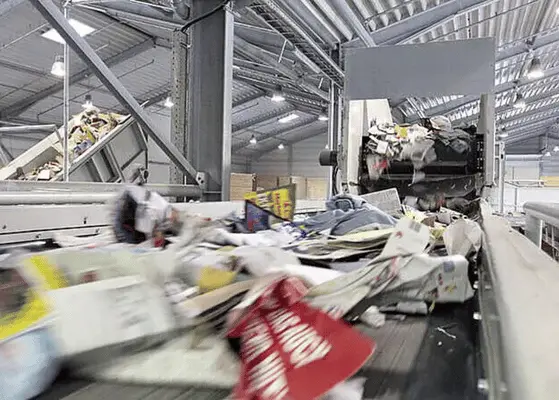
For exporters and collection companies dealing in recovered paper, regulatory changes have translated into significantly higher operating costs. Meeting stricter contamination limits now requires investments in advanced optical sorting systems, automated bale inspection, and more rigorous manual checks.
North American exporters, for example, report higher per-ton processing expenses due to intensified bale quality audits. While these measures raise short-term costs, they also enhance long-term competitiveness by ensuring cleaner fiber streams that align with the stricter requirements of global buyers and strengthen trust in international supply chains.
Domestic recycling industries have opportunities in the following areas:
Tighter foreign import restrictions have also generated investment possibilities in domestic recycling sectors. Governments in Europe and the United States are encouraging domestic mills to employ greater volumes of recovered paper. New containerboard and tissue product capacity is being constructed on a recycled fiber basis.
To the new economies, trade restriction has introduced opportunities in addition to challenges. India, for instance, has turned into a huge importer of recovered corrugated containers (OCC), but the country has to balance supply security against supporting domestic collection networks. Regulation clarity on recovered paper standards is helping promote confidence in local mill operators.
ESG Pressures and Corporate Procurement Policies
Other than government laws, corporate pledges to sustainability also impact the recovered paper industry. Large retailers and consumer goods manufacturers now want packaging suppliers to provide evidence of compliance with international recycling standards. Labels like FSC (Forest Stewardship Council) recycled or third-party certifications of recovered fiber procurement are being increasingly included in procurement contracts.
For B2B suppliers, meeting these expectations is crucial. Businesses that are able to show traceability and compliance with high-quality standards are more likely to succeed at securing long-term supply contracts with global brands.
For a complete outlook on market drivers, explore our Recovered Paper Market
Trade Regulations Are Redefining the Competitive Landscape
The market of recovered paper trade is getting more regulated, more expensive, but also more transparent. Standards like EN 643 and ISRI specifications are providing uniform global standards for quality, while government policies ranging from China's import bans to Europe's circular economy goals are making new regulations for cross-border shipments.
Companies that take the initiative to evolve, by investing in high-tech sorting, gaining certifications, and expanding their export base, are expected to be better poised for the changing market. In the long term, adhering to quality specifications and trade regulations will not be perceived as a drawback but a competitive advantage in the global recovered paper market.











Share