How Refractory Metals Are Transforming Medical Implants
The use of advanced materials in medicine is on the rise with advancements in medical technology. Among such materials, refractory metals such as tantalum, niobium, and tungsten are gaining more importance. Due to their long lifespan, corrosion-resistance, and biocompatibility, they can be utilized inside the human body. Medical implants consisting of these metals provide reliable solutions to patients requiring long-term intervention.
Hospitals and research centers are using implants that last longer and reduce the risk of complications. Patients have fewer replacement surgeries and more reliable performance. The steady developments in the sector attest to the role resistant metals are playing in advancing modern medicine.
Strong and Biocompatible Materials
One of the main advantages of refractory metals in medical implants is their compatibility with human tissues. Both niobium and tantalum are tissue-compatible in humans and reduce the chance of rejection. They induce bone growth through their surface, and thus they are suitable for orthopedic implants such as hip replacements and knee replacements.
They are also extremely corrosion-resistant. Since the human body contains fluids that can degrade materials, implants must be robust enough to bear the relentless wear without deteriorating. Refractory metals introduce this reliability, allowing implants to function for decades.
Orthopedic and Dental Applications
Orthopedic uses are one of the most common uses of refractory metal implants. Tantalum is often used in porous forms allowing for invasion by bone tissue into the implant for increased recovery and stability. Knee and hip replacements that use niobium alloys are becoming more common because of their strength and reduced risk of allergic reaction compared to other materials.
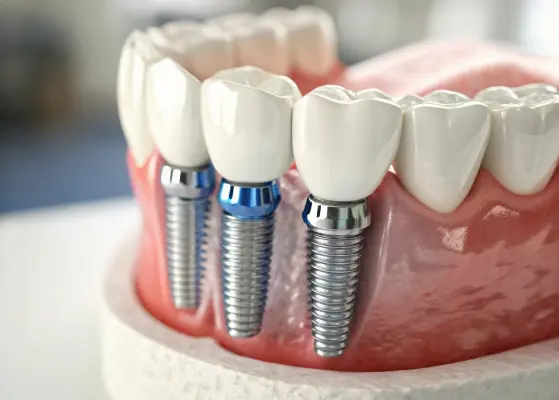
In dentistry, niobium and tantalum are deposited on dental implants to exhibit enhanced bonding with jawbone tissues. This enhances the success of dental procedures and maintains the implants in place for a longer period. The demand for dental implants is on the rise worldwide, highlighting the importance of these metals in regular medical practice.
Cardiovascular and Neurological Implants
Beyond dental and orthopedic use, refractory metals are entering cardiovascular and neurological applications. Tantalum is used in stents and pacemaker parts because it is non-reactive and stress-resisting. The implants must be reliable in order to help perform necessary functions, and refractory metals help to achieve that degree of consistency.
In neurology, niobium and tungsten are researched in deep brain stimulation electrodes. The electrodes must conduct electricity while being stable in the body. The ability of refractory metals to do both has caused them to become a focal point of research for the treatment of such disorders as Parkinson's disease.
Real-World Applications in Healthcare
Certain projects reveal the extent to which refractory metals are already incorporated in medical innovation. Spinal implants made to reduce recovery times are being produced by medical device manufacturers in the United States using tantalum. Niobium-coated cardiovascular stents to increase patient protection are being built by European research institutions.
Asian dental practices are utilizing refractory metal-coated implants to meet increasing demand for long-lasting solutions. These instances show how different regions are using the same set of metals to meet healthcare requirements in locally tailored mechanisms.
Technology and Research Supporting Growth
Clinical studies continue to expand the potential of refractory metals for implants. Additive manufacturing is enabling the creation of complex implant geometries with porous surfaces for natural bone ingrowth. By using refractory metal powders in 3D printing, manufacturers are creating customized implants that replicate individual patient anatomy.
Nanotechnology is joining the act as well. Surface treatments that apply nanoscale layers of tantalum or niobium are improving biological response of implants. These technologies will most likely reduce infection rates and extend implanted device lifespan.
Investment and Policy in Medical Devices
Government and commercial sectors are recognizing the possibilities of advanced materials in medicine. Novel implant designs are being approved through streamlined procedures, and this has allowed companies to bring their products to market more rapidly. This has encouraged further investment in refractory metal applications.
Medical device companies are partnering with metal producers to have immediate access to high-quality raw materials. Such partnerships ensure reliability in supply and give assurance to hospitals and patients who depend on implants for long-term health outcomes.
The Future of Refractory Metal Implants
Demand for implants will continue to expand as populations grow older and health systems improve. Refractory metals will be at the center of this expansion because of their interplay of strength, resistance, and biocompatibility with human tissue. New developments are expected to result in lighter and more efficient designs that further improve patient advantages.
As refractory metals are researched as alternative materials, they lead the pack with their proven track record in critical medical applications. Their role to provide safe and stable implants will guide them to influence medical technology for decades to come.
To learn more about refractory metals applications, innovations, & medical implant trends, access our Global Refractory Metals Market
A Solid Foundation in Healthcare
Refractory metals are not only industrial materials. In medicine, they are coming up with solutions that save lives and enhance the longevity of treatments. Applied to orthopedic implants, cardiovascular devices, or dental therapy, these metals provide patients with strength and protection that they can count on. With the continued research and development of technology, their contribution to healthcare will be even more significant, in which they become the dependable basis of future medical implants.











Share