How Cold Chain Logistics and Technology Are Shaping Frozen Food in South Korea
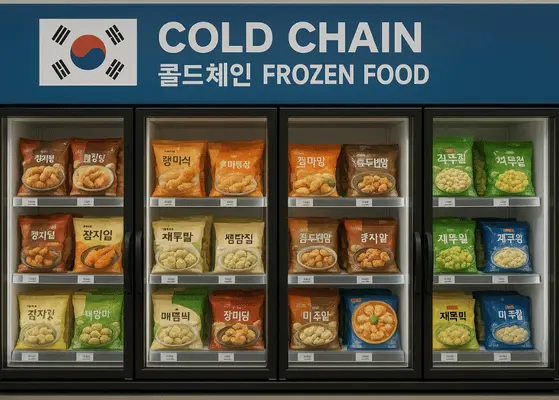
The success of the frozen food market in South Korea is largely interconnected with the guarantee of cold chain logistics. The quality of products from production to delivery is very important, especially in the case of perishable goods like seafood, meat, and processed foods. The modern cold chain system utilizes temperature-controlled storage, refrigerated transport, and accurate monitoring to keep the frozen foods fresh, safe, and nutritionally intact. Urban consumers are becoming more and more demanding of convenience, which means that strong cold chain infrastructure plays a major role as a support for the frozen foods business. Firms are not only winning customer trust and loyalty by ensuring product integrity but also preventing spoilage as well as operational losses.
Technology-Driven Monitoring and Control
Digital technologies are changing the cold chains. IoT sensors, RFID tags, and GPS tracking allow the real-time monitoring of temperature, humidity, and storage conditions along the supply chain. To be able to take the right corrective action on time, deviation alerts are sent out to avoid food becoming unfit for consumption and save waste. Laser-driven automated operations also keep track of stock and give maximum levels while minimizing lag. By combining data analytics, frozen food can anticipate the demand, plan more efficient routes and generally improve the performance. Technology-enabled monitoring not only retains the quality of the product but also gives transparency to the customers that frozen foods are of the highest safety and freshness standards.
Urban Challenges and Last-Mile Delivery
The last mile of frozen foods delivery, the last-mile logistics, is a dreadful thing in a very densely populated urban area. There is congested traffic, limited delivery schedules, and difficult consumers who make it hard to get through. To perform a punctual delivery and keep the products at the right temperature, companies are spending on insulated trucks, portable refrigerators, and advanced route-optimization software. On the other hand, some retailers are attempting delivery automation with drones and smart lockers with the intention of shortening delivery time and raising convenience levels. Efficient last-mile logistics have a direct effect on customer satisfaction; hence, the image of frozen foods as trustworthy, high-quality, and convenient meal options is strengthened.
Energy-Efficient and Green Solutions
Cold chain logistics is a big energy consumer; however, South Korean companies are adopting green and energy-saving practices. Solar-powered refrigeration units, electric delivery vehicles, and smart temperature control systems are already reducing the environmental impact of frozen foods. These sustainable cold chain efforts align with corporate social responsibility objectives and resonate with eco-aware consumers.
In addition to this, mixing sustainability and operational efficiency is a major win for saving both costs and brand equity for the companies. These moves showcase that freshness is not the enemy of environmental sustainability and thus position the industry for the long-run success.
Convergence with E-Commerce and Consumer Platforms
The progress of cold chain technology is tightly interconnected with the rises of e-commerce of frozen foods. The online platforms can give the customers what they need by doing the following; accurate tracking, real-time monitoring, and temperature-guaranteed delivery. Currently, mobile apps give consumers the opportunity to check the order status, the estimated delivery date, and temperature uniformity as well. Digital platform integration ensures that frozen products are delivered in the best possible condition to the end customer while also providing transparency and convenience. Custom delivery options, subscription programs, and meal kits further extend consumer satisfaction by blending technology, convenience, and quality control all in one feature.
Discover South Korea Frozen Food Market Growth, Cold Chain Advances, and Strategies
Offering Quality and Trust
Cold chain logistics and the application of technology have radically changed the frozen food experience in South Korea. High-end temperature monitoring, green processes, and maximum last-mile efficiency all work together from the factory to the doorstep to produce the best for the consumer. The convenience of the future urban living is what is demanded by the consumer and the introduction of technology to the logistics of frozen foods is the way to deliver the trust and reliability in equal measure.
Moreover, as the industry moves forward with innovation, sustainability and efficiency, it not only satisfies consumption needs of today but also plants the seed for tomorrow's growth. The history of cold chain systems is a strong proof that frozen food is not only convenience food but also a tightly controlled, technology-based, and consistent choice of the modern consumer.








Share