How Eco-Friendly Packaging Is Revolutionizing South Korea's Frozen Food Market
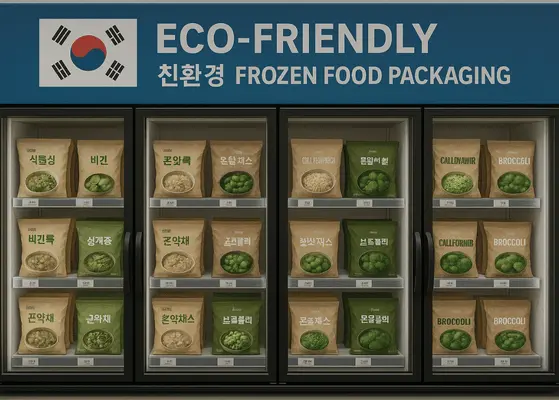
Sustainability is no longer a trend; it is an expectation that consumers in South Korea inherently hold. The increased concern for the environment has urged brands and retailers to reconsider the packaging of frozen foods to find viable solutions. From biodegradable packaging films to recyclable packaging trays, they are searching for materials with less environmental impact that do not compromise the quality of the product. Customers are increasingly opting for brands that are committed to sustainability, and this is why eco-friendly packaging is a key differentiator in the fiercely competitive market.
Innovative Packaging Materials
The frozen food industry has seen a great transformation through the innovation of packaging materials. Companies are testing compostable packaging films, recyclable pouches, and paper trays that have enough strength and protection for frozen foods. It is now possible to extend the shelf life of products without losing freshness, aroma, and texture with some innovative materials.
Certain brands are using renewable and biodegradable materials that meet both performance and environmental requirements for their multi-layered eco-packaging. In some cases, factories of frozen dinner products, for example, switch their standard plastics with bio-based films, thereby reducing carbon emissions and landfill waste. Through this change in material consumption, frozen food manufacturers are showing their concern for the environment and providing quality products that meet customer expectations.
Smart Packaging Enhancing Consumer Experience
Green packaging is gradually being combined with innovative technologies to improve the customer experience. On sustainable packaging, QR labels give information on recycling procedure, source of material, disposal, etc. Moreover, there are reward programmes for packaging return, i.e., repeated usage is invited, and sustainability is facilitated. Value-added features, such as recipe suggestions or nutrition tips linked through QR codes, may enhance consumer experience while promoting the frugal use of resources. By fusing environmental responsibility with digital interaction, frozen foods become educational tools for consumers, increase transparency, and develop a more dynamic brand image. This way, they not only meet the demands of consumers but also instil the culture of sustainability in urban households.
Sustainability vs. Convenience
The choice between convenience and sustainability is one of the packaging issues for frozen foods. Consumers want green packaging for frozen storage that is easy to open, resealable, and strong enough to be safe but convenient to use. The use of responsive packaging such as resealable pouches, collapsible trays, and lightweight insulated boxes cater to this need without the consumption of waste materials.
Packaging that allows for portion control minimizes food wastage and follows the lifestyle trends of today. Some companies have launched multi-serving trays with individual compartments that enable consumers to store remaining portions in an easy way. By concentrating on usability and environmental impact, companies offer products that respond to the needs of urban consumers while at the same time highlighting their commitment to sustainability.
Industry-Wide Collaboration and Facilitative Policy
Moreover, sustainable packaging is the focus not only of individual brands but also industry-wide. Distributors, retailers, and logistics businesses are heavily investing in green supply chain solutions. Reusable cold chain boxes, reduced thickness of packaging, and energy-efficient storage are becoming more prevalent, leading to overall reductions in the environmental footprint. The policy of the South Korean government and industry standards also support the implementation of green practices, e.g., mandatory recycling processes and incentives for innovations in green packaging. The collaboration between suppliers, packaging companies, and retailers in the supply chain greatly contributes to the creation of an integrated approach that permeates sustainability throughout the frozen foods supply chain.
Consumer Education and Awareness
Educating consumers on the necessity of green packaging is a prerequisite for its acceptance. Brands are implementing social media campaigns, point-of-sale displays, and web-based platforms through which they extensively explain the benefits of green packaging. If consumers are helped with simple instructions of how to recycle or compost the package, then they would have obtained a valuable tool to fight for sustainability. Secondly, highlighting the ecological consequences of purchasing choices invites consumers to act responsibly so that going green becomes an unconscious habit of everyday life. Both quality and ecological sustainability as a brand’s dual focus, not only fosterers loyalty among customers but also promotes a greener consumer culture.
Explore South Korea Frozen Food Trends with Data, Packaging Innovations, and Strategies
A Greener Future for Frozen Foods
The consumption of frozen food in South Korea is being revolutionized through green packaging. Sustainable materials, smart packaging, and design thinking are finding equilibrium between convenience and sustainability. As urban consumers are becoming more and more committed to sustainability, frozen food companies are meeting them halfway with their innovative solutions which not only lower their ecological footprint but also maintain the quality of the product.











Share