How Health-Conscious Trends Are Impacting Frozen Food Demand in South Korea
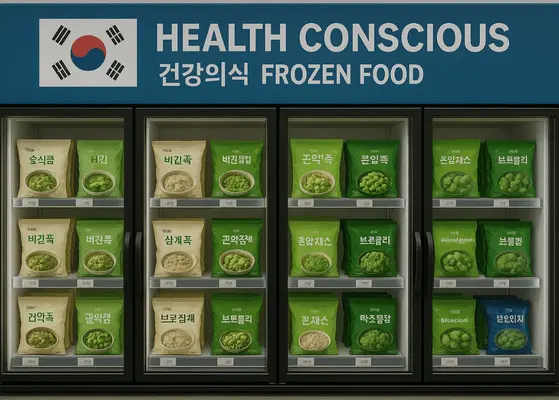
The time-consuming and hard lifestyle of city dwellers in South Korea is now being combined by people with the growing need to eat healthily. Frozen foods that used to be the players of convenience have come a long way in the nutrition sector to satisfy changing tastes. Customers do not only want quick and easy meals for themselves but also complete health. Increasingly, people are buying frozen meals enriched with proteins, vegetable-based meals, and low-calorie dishes.
The turning to healthier products is only a phase of a greater phenomenon of functional nutrition because consumers require that foods being their sources of strength, wellness, and health in general must be easily combined with hectic lifestyles. Healthy, ready-to-eat, and portable frozen food is quick to be accepted as a daily companion with the majority of consumers who have to balance long working hours and household duties.
Protein-Rich and Functional Frozen Meals
South Korean demand for protein-fortified frozen foods such as lean proteins, seafood, tofu, and plant-based options is skyrocketing. These products are attractive to healthy young professionals, fitness-oriented individuals, and health-conscious families who are likely to use protein for muscle maintenance, hunger control, and overall wellness. Antioxidants, vitamins, and fiber are among the functional ingredients that are increasingly being used for frozen foods to attract health-conscious shoppers.
Functional-enriched yet convenient-to-consume food allows for zero compromise on health and dining time, turning city families into eaters-on-the-go and followers of modern dietary fashions. The popularity of meal kits combining high-protein foods and whole grain or superfoods is also growing, signaling that the trend of balanced diets in everyday life continues to rise.
Plant-Based and Alternatives
The rise of plant-based diets and vegetarianism has a great impact on the frozen food industry. South Korean consumers' diet include products like frozen mixed vegetables, plant proteins, and meat substitutes that are easy, nutritious, and health-conscious. These options not only attract environmentally and health-conscious consumers but also provide flavor and nutritional diversity.
Companies are creating frozen meals with the use of traditional Korean flavors as well as with vegetable-based options, mixing the cultural familiarity with the current diet. This approach not only gets the attention of niche consumers but also makes mass-market consumers try healthy eating without giving up the taste. High-tech vegetable frozen products like tofu stews or vegetable dumplings become popular not only through the internet but also in stores, making even more consumers able to access them.
Portion Control and Weight Management
The demand for portioned frozen foods, among health-oriented urban shoppers, is one of the main reasons for their popularity. Foods that are pre-portioned make calorie management easier and are less wasteful of food and are good for both health-oriented and eco-friendly shoppers. Frozen meals of single size are primarily aimed at singles living alone, students, and workers who want to be able to easily have a meal but do not want to have too much at once.
Partitioning portions in each meal supports brands in harmonizing nutritional goals with greater convenience. On the other hand, customizable meal packs are the ones that give consumers the option to mix different single-serve packs with each other to turn them into family-size packs, which contributes to convenience and consumer appeal.
Impact of Retail and Online
The channel of health-minded frozen foods via retail and online stores is the main factor that drives expansion. Traditional grocery stores, convenience chains, and online channels are incorporating frozen meals that have health features such as low-sodium, high-fiber, or fortified into their product lines. E-commerce internet sites allow consumers to easily compare nutrition, find new brands, and have access to products that are not available in their local stores.
Consumers receive the invitation to progressively get familiar with healthy eating, recipes, and product benefits via electronic engagement through apps, social media, and recommendations thus they become more loyal to the healthful choice-frozen foods consumption. Social-influenced opinions and social-based recipe sharing have also been successful channels for promoting health-focused frozen products in urban areas.
Read the South Korea Frozen Food Report for Data, Health Trends, and Market Growth
Reimagining Convenience with Health
Health-focused choices are redefining South Korea's frozen foods market. Blending of healthy ingredients, plant-based products, clean labeling, and portion control help firms become the solution providers of the health-conscious urban consumers who demand wellness along with convenience. Frozen foods are not only convenient meals but also balanced ones that complement dietary goals.
As urban life gets more and more hectic, the market for healthy and convenient frozen food is likely to grow. Innovation, consumer taste responsiveness, and transparency are the factors that empower brands to change the perception of frozen food for health-conscious South Koreans and sustain a growth curve for the category. The interplays between technology, nutrition science, and lifestyle trends have assured frozen food to evolve with the changing consumer needs and make it a healthy convenience new normal in urban diet.











Share